


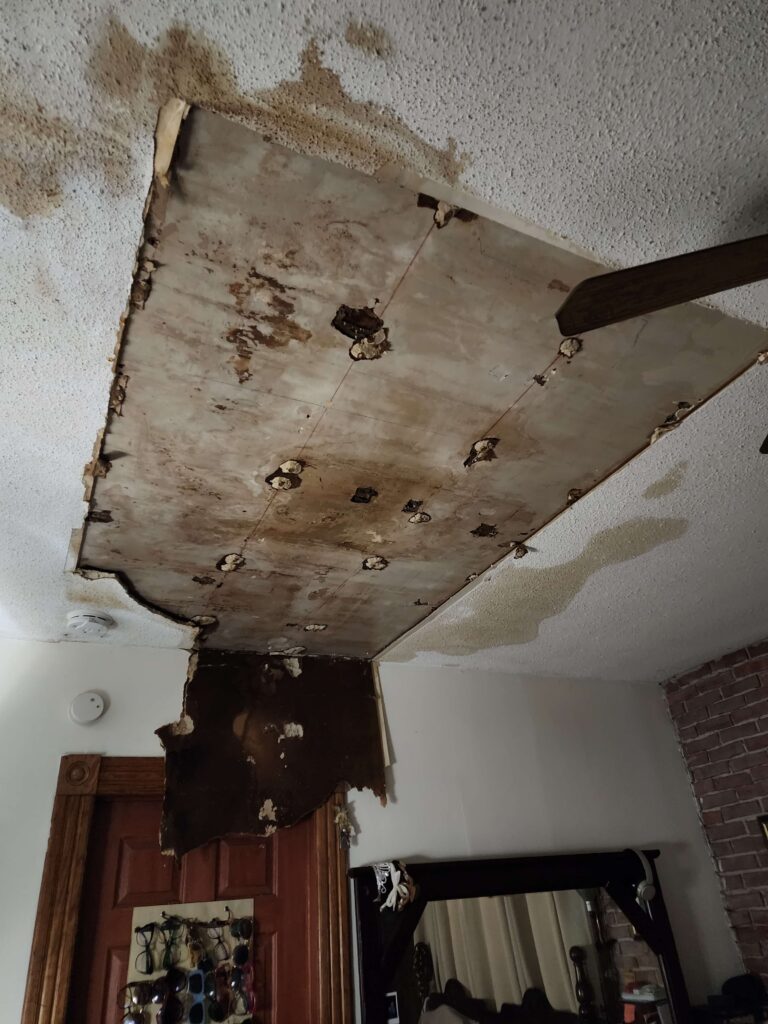
Seeing a dark patch spread across drywall or ceiling tile can make any property owner think the worst. A common question we hear is, is black mold always dangerous? The short answer is no – but it is never something to ignore, especially when moisture is active and the affected area is growing.
That distinction matters. Some black-colored molds are less hazardous than people fear, while some situations involving mold are more serious than the color alone suggests. If you are responsible for a home, rental, office, retail space, or facility in East Bridgeport, Shelton, or Milford, the real issue is not just whether mold is black. It is whether it is actively growing, how much is present, what materials it has contaminated, and who is being exposed.
Is black mold always dangerous, or does it depend?
It depends on the type of mold, the amount of growth, the location, and the sensitivity of the people in the building. “Black mold” is a catchall phrase, not a technical diagnosis. Many molds can appear black, dark green, or grayish-black, and they do not all behave the same way.
The mold most people mean is Stachybotrys chartarum, a toxigenic mold that can grow on wet cellulose-based materials like drywall, wood, and insulation after prolonged moisture exposure. It has a reputation for producing mycotoxins under certain conditions, but even then, the level of risk varies from one property to another. Exposure is not as simple as seeing black discoloration and assuming immediate poisoning.
At the same time, mold does not need to be the notorious “black mold” to create a serious problem. Other species can trigger allergic reactions, respiratory irritation, odor issues, and structural damage. For that reason, color is a poor tool for judging danger. Moisture source, duration of growth, and occupant health matter more.
Why black mold gets so much attention
Black mold has become a shorthand for worst-case contamination. That is understandable because some mold events do turn into major health and property concerns, especially after hidden leaks, flooding, roof failures, or poor drying after water damage.
What often gets lost is that mold problems exist on a spectrum. A small amount around a bathroom caulk line is different from mold inside wall cavities after a pipe leak. Surface spotting in a well-ventilated area is different from widespread contamination inside HVAC pathways or behind commercial baseboards. The danger increases when moisture continues, spores are disturbed, and affected materials are porous.
That is why professional assessment matters. A property can look manageable on the surface while moisture meters and thermal imaging reveal wet framing, insulation, or flooring beneath it.
When black mold is more likely to be dangerous
The risk is higher when occupants have asthma, allergies, COPD, weakened immune systems, or other respiratory vulnerabilities. Children, older adults, and people with chronic health conditions may react more strongly than others in the same building.
The risk also rises when the contaminated area is large or hidden. Mold behind walls, under cabinets, inside crawlspaces, or above drop ceilings can continue spreading long after the first stain appears. In commercial settings, that can affect indoor air quality, employee comfort, tenant complaints, and operations.
Another serious factor is disturbance. If contaminated drywall, insulation, or carpeting is cut, pulled, or scrubbed without proper containment, mold spores and fragments can become airborne and spread to clean areas. That is one reason do-it-yourself cleanup sometimes makes the situation worse.
Persistent dampness creates the biggest long-term problem. Mold is a symptom of moisture. If the source is not corrected, cleanup alone will not hold.
Health effects are real, but they vary
For many people, mold exposure causes symptoms that resemble allergies or irritation. That can include coughing, sneezing, throat irritation, congestion, watery eyes, headaches, and skin irritation. Some people notice a musty odor before they notice physical symptoms.
For more sensitive individuals, exposure can be more disruptive. Asthma flare-ups, increased respiratory distress, and ongoing discomfort are more likely when mold growth is significant or prolonged. In workplaces and multi-unit properties, even moderate contamination can become a bigger issue because more people are exposed over time.
This is where nuance matters. Not every black stain causes severe illness, but that does not mean the problem is harmless. Waiting too long can increase both the exposure risk and the cost of remediation.
Property damage is part of the danger too
People tend to focus on health first, but mold can also damage the building itself. It feeds on organic materials, especially when moisture stays trapped in drywall, subflooring, insulation, wood trim, and structural components.
Over time, that can lead to staining, odor absorption, material breakdown, and removal of affected assemblies. In a commercial property, it may also interrupt business continuity, affect inventory, create tenant dissatisfaction, and complicate insurance documentation.
So when people ask whether black mold is dangerous, the better question may be this: dangerous to whom, and in what way? The answer may involve both occupant well-being and the condition of the property.
What you should do if you find suspected black mold
First, do not assume color tells the whole story. Second, do not paint over it or spray household cleaner and hope the issue is resolved. Surface treatment may temporarily change the appearance while hidden growth continues behind the material.
If the area is small and limited to a non-porous surface, basic cleaning may be appropriate in some cases. But if drywall, insulation, ceiling tile, carpeting, wood, or cabinetry is affected, or if there has been a leak, flood, sewage event, or ongoing humidity problem, the safest next step is a professional inspection.
A qualified remediation team will look for the moisture source, measure the extent of impact, determine whether materials can be cleaned or need removal, and set containment if needed to prevent cross-contamination. Proper drying is critical. Without it, mold often returns.
For larger losses, the process may include thermal imaging, moisture mapping, HEPA air filtration, negative air pressure, controlled demolition of unsalvageable materials, antimicrobial application where appropriate, and structural drying. That is the kind of precision needed to stabilize the property instead of just making it look better for a few days.
Is testing always necessary?
Not always. In many cases, visible mold growth combined with a known moisture issue is enough to justify remediation. Testing can be helpful when the source is unclear, when hidden contamination is suspected, when there are health complaints, or when documentation is needed for property management, post-remediation verification, or a sensitive commercial environment.
But testing should not delay action when active moisture and visible growth are already present. A prompt response usually protects more of the property and limits spread.
Why fast response matters in Connecticut properties
In this region, mold often follows water damage that was not fully dried – burst pipes in winter, roof leaks, basement seepage, appliance failures, sump issues, or humidity in poorly ventilated areas. Once moisture gets into wall cavities, flooring systems, or stored contents, mold can begin developing quickly.
That is why companies like PuroClean of East Bridgeport approach mold as both a contamination issue and a moisture-control issue. The job is not simply to remove what is visible. It is to identify what is wet, isolate affected areas, dry the structure correctly, and help the owner move toward recovery with fewer surprises.
The most practical answer
So, is black mold always dangerous? No. But it is always a warning sign that deserves attention. The real danger depends on the species involved, the amount of growth, the duration of moisture, the materials affected, and the health of the people inside the building.
If you see dark mold growth after a leak, flood, or persistent humidity issue, the safest move is to treat it seriously from the start. Quick, informed action can protect indoor air quality, reduce repair costs, and prevent a manageable moisture problem from turning into a larger restoration event.
When you are not sure whether you are looking at a minor issue or a deeper contamination problem, trust the evidence, not the color. A calm, professional inspection is often the fastest way to replace uncertainty with a clear plan.

