


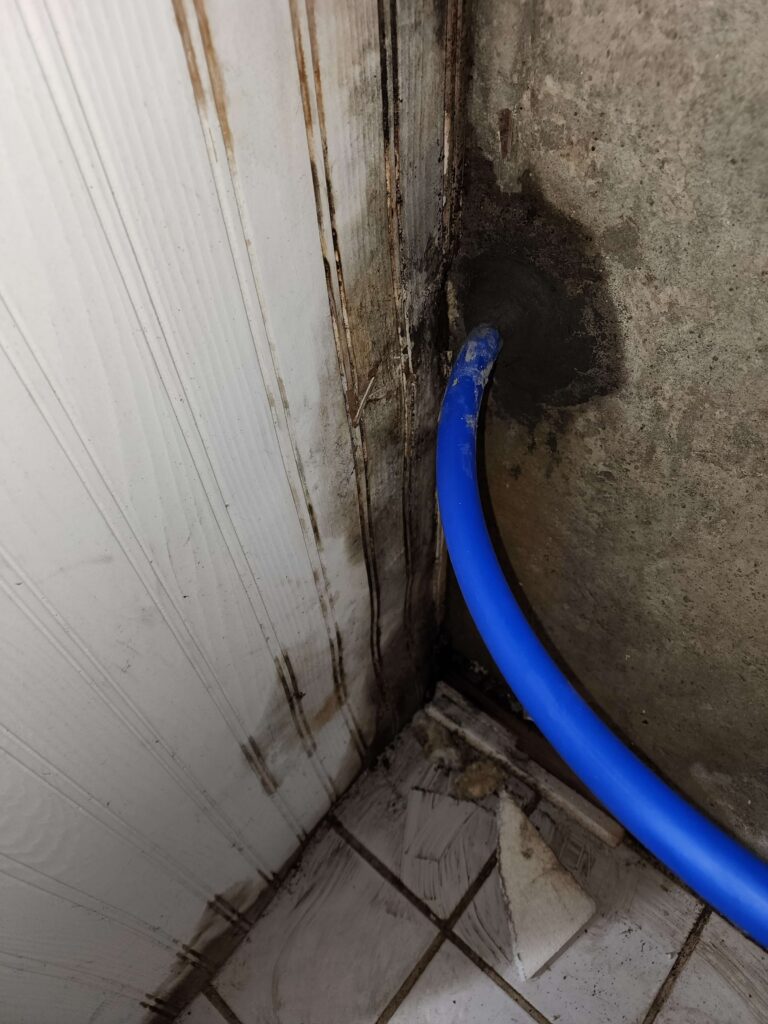
If you have visible mold on a wall, under a sink, or across a basement ceiling tile, the question usually comes fast: do you need mold removal or full remediation? The difference between mold removal versus remediation is not just wording. It affects how the problem is inspected, contained, cleaned, and prevented from coming back.
For homeowners and property managers in East Bridgeport, Shelton, and Milford, that distinction matters because mold is rarely a surface-only issue. What you can see is often only part of the problem. Moisture behind drywall, under flooring, inside insulation, or above ceiling cavities can keep feeding growth long after a stained area has been wiped down.
Mold removal versus remediation: what is the difference?
Mold removal usually refers to taking mold off a visible surface. That might mean scrubbing framing, cleaning non-porous materials, or removing debris that shows obvious growth. In casual conversation, people use the term to mean getting rid of mold.
Remediation is broader and more accurate. It includes identifying the moisture source, evaluating how far contamination has spread, isolating affected areas, removing unsalvageable materials, cleaning salvageable materials, filtering the air, drying the structure, and reducing the chance of future mold growth. In other words, remediation addresses the conditions that allowed mold to develop in the first place.
That is why restoration professionals often prefer the word remediation. Mold spores exist naturally in indoor and outdoor environments. No company can promise to remove every spore from a property. What a qualified team can do is restore affected areas to a normal, safe condition by controlling contamination and correcting the moisture issue driving it.
Why the wording matters to property owners
When people hear mold removal, they sometimes assume the job is quick and cosmetic. A bleach wipe, a paint-over, or a quick demolition may seem like enough. Sometimes a very small, isolated issue on a non-porous surface can be handled with limited cleaning. But many mold problems are connected to water damage, poor ventilation, humidity, roof leaks, plumbing failures, or long-term hidden moisture.
If the source is not found, mold often returns. That creates repeat cleanup costs, more material damage, and continuing indoor air quality concerns. In commercial settings, it can also disrupt tenants, employees, and customers.
A remediation-focused approach is more thorough, but it is also more honest. It recognizes that mold is not the primary problem. Moisture is.
What professional mold remediation typically includes
A proper remediation process begins with assessment, not guesswork. Trained technicians look for visible damage, but they also investigate where water traveled and where humidity may be trapped. Moisture meters, thermal imaging, and other detection tools help identify wet building materials that are not obvious from the surface.
Once the affected area is defined, containment may be set up to keep spores from spreading to unaffected rooms. That can be especially important in occupied homes, offices, medical spaces, and multi-unit properties. Air filtration equipment may be used to capture airborne particles during the cleanup process.
Then comes the material decision. Non-porous and some semi-porous materials may be cleaned if they are structurally sound and contamination is limited. Porous materials such as drywall, insulation, ceiling tiles, and carpeting often need to be removed if mold growth is established. The right choice depends on the extent of damage, the type of material, and how deeply contamination has penetrated.
After removal and cleaning, the area needs to be dried thoroughly. This is where many incomplete jobs fall short. Without proper structural drying, hidden dampness can remain in framing, subfloors, wall cavities, or trim. A professional remediation company uses drying equipment and monitoring methods to confirm that moisture levels are moving back toward acceptable ranges.
In some cases, antimicrobial treatments or disinfecting products may also be used where appropriate. That does not replace removal of contaminated material, but it can support a cleaner and more controlled restoration process.
When mold removal alone may not be enough
There are situations where simple mold removal is not enough, even if the visible area looks small.
If mold keeps reappearing in the same spot, there is likely a hidden moisture source. If there was a recent pipe leak, appliance overflow, roof intrusion, or basement seepage, water may have migrated beyond the visible staining. If occupants are noticing musty odors, that is another sign the issue may extend behind finishes or into building cavities.
Older buildings also need careful evaluation. Long-term leaks can affect multiple layers of material over time. Commercial properties may face added complexity because HVAC systems, shared walls, storage areas, and high occupancy can increase both spread and exposure concerns.
This is where remediation earns its value. It does more than make the area look clean. It helps reduce the chance of recurring contamination and uncovers the conditions that are still putting the property at risk.
Mold removal versus remediation in real property scenarios
A bathroom ceiling with light surface growth from repeated condensation may need targeted cleaning, ventilation correction, and drying. That is a relatively contained problem if caught early.
A finished basement after water intrusion is different. Mold may develop behind baseboards, inside drywall, beneath flooring, and around stored contents. In that case, a wipe-down of visible staining would miss much of the contamination. Remediation would likely involve moisture mapping, selective demolition, containment, air filtration, structural drying, and rebuilding after conditions are stabilized.
A commercial office with a roof leak above ceiling tiles presents another layer of concern. The visible mold on a tile is only one piece of the issue. Insulation, framing, ductwork, and adjacent units may need inspection. Business continuity matters, so the cleanup plan may also need to limit disruption while protecting occupants.
The answer is not always the same, which is why a one-size-fits-all promise should raise concern.
Why DIY cleanup can create bigger problems
Small surface spotting in a limited area may look manageable, and some property owners try to handle it themselves. The risk is not just missing hidden mold. Disturbing contaminated material without containment can spread spores to other parts of the property.
DIY cleanup also tends to focus on what is visible. It rarely addresses moisture measurement, drying verification, or contamination inside walls and under flooring. Painting over stained material or spraying household cleaners may improve appearance for a short time, but it does not resolve damaged porous materials or chronic moisture conditions.
For families, tenants, employees, and customers, that can mean ongoing odor, continued property damage, and uncertainty about whether the environment has really been stabilized.
What to ask before hiring a mold company
If you are comparing providers, ask how they define the scope of work. Do they investigate the moisture source? Do they use containment when needed? Will they identify what can be cleaned versus what needs removal? How do they verify drying? What equipment do they use to detect hidden moisture?
You should also ask how they communicate during the process. Property damage events are stressful, and mold concerns often come with health worries, scheduling pressure, and insurance questions. A trustworthy company explains what it is doing, why it matters, and what to expect next.
That combination of technical precision and clear guidance is especially important during emergency response. When a local team like PuroClean of East Bridgeport approaches a mold job, the goal is not just to treat a stain. It is to stabilize the property, address the cause, and help the owner move forward with confidence.
The right goal is control, correction, and recovery
The most useful way to think about mold is this: removal is one task, while remediation is the full strategy. If the issue is truly minor and isolated, a limited cleanup may be enough. But if there is water damage, recurring growth, musty odor, hidden moisture, or damage to porous building materials, remediation is usually the smarter path.
For property owners, the best result is not hearing that mold was simply wiped away. It is knowing the source was identified, affected materials were handled correctly, the structure was dried, and the space is in a much better position to stay that way. When the stakes include your home, your tenants, or your business operations, that difference is worth taking seriously.

