


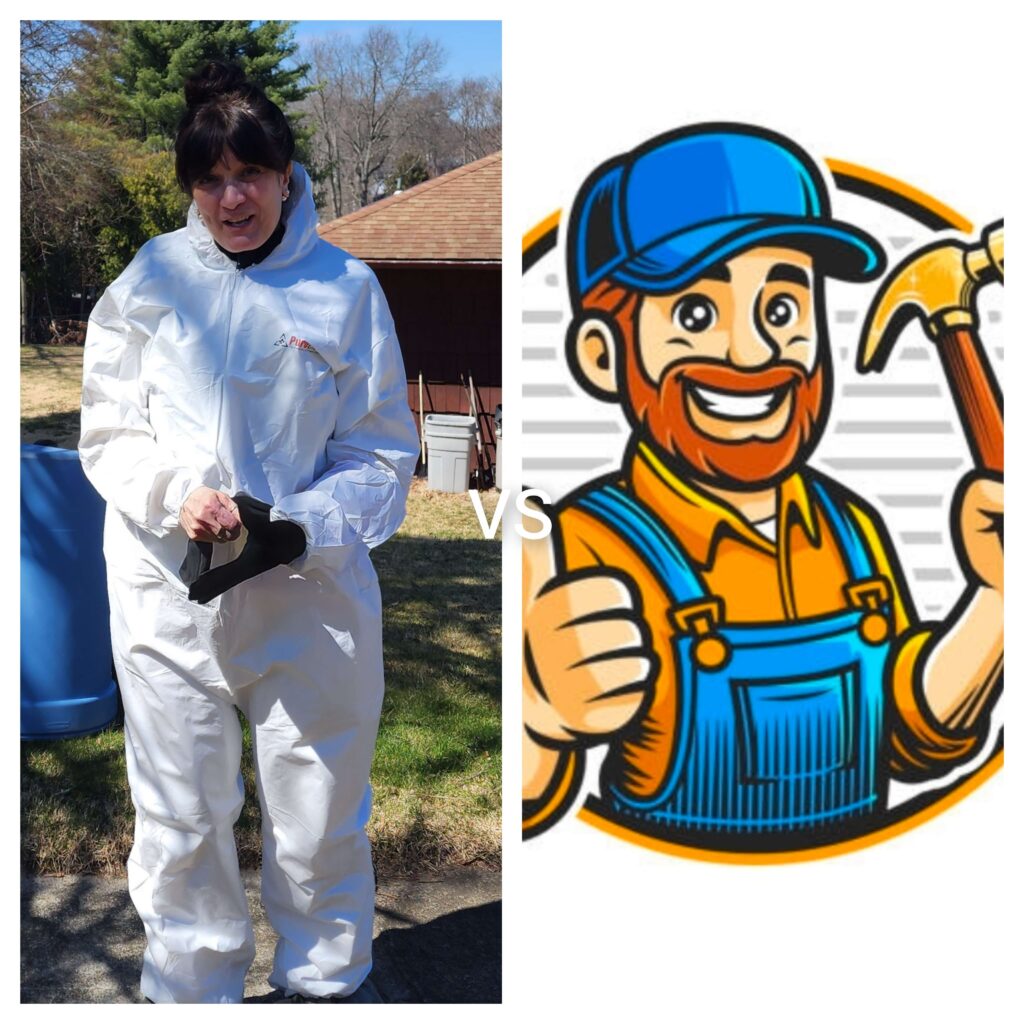
When a ceiling starts dripping after a pipe burst or smoke residue settles through your offices after a fire, the wrong first call can cost you time, money, and sometimes insurance coverage. The question of restoration contractor versus handyman is not really about who is more useful overall. It is about who is qualified for the type of damage sitting in front of you right now.
A handyman can be a solid choice for routine property fixes. But disaster-related damage is different. Water migrates behind walls. Smoke particles move into porous materials and HVAC systems. Sewage contamination creates health risks. Mold can spread well beyond the spot you first notice. In those situations, what looks like a repair issue is often a restoration issue first.
Restoration contractor versus handyman: what is the real difference?
A handyman generally handles basic maintenance and minor repairs. That might include patching drywall, replacing trim, fixing a door, installing shelves, or handling light carpentry. Those services matter, especially for punch-list items or non-emergency upkeep.
A restoration contractor works in a very different lane. Restoration professionals respond to property damage caused by water, fire, mold, sewage, and other contamination events. Their job is not just to make the damage look better. Their job is to identify the full extent of the loss, stabilize the property, mitigate ongoing damage, remove hazardous materials when needed, dry affected structures properly, document conditions, and prepare the site for repairs or reconstruction.
That difference matters because property damage tends to hide. A handyman may replace a damaged baseboard. A restoration contractor is trained to ask what soaked the wall cavity behind it, whether insulation is wet, whether microbial growth has started, and whether subfloor materials are retaining moisture.
When a handyman is the right call
There are plenty of situations where a handyman is a practical and cost-effective choice. If you have a loose cabinet door, minor drywall touch-up from an old issue that was already professionally dried, damaged trim with no underlying moisture, or a non-urgent repair unrelated to contamination, a handyman may be exactly what you need.
The key is that the source of the problem must be resolved, and there must be no hidden water, smoke, soot, mold, or biohazard concern. Once the property is clean, dry, safe, and stable, smaller repair tasks can fall into a handyman’s scope.
This is where people sometimes get tripped up. They see visible damage and assume the solution is simple repair. But if materials are still wet or contaminated, repairing over the problem does not solve it. It buries it.
When you need a restoration contractor
If the damage came from a sudden leak, flood, sewage backup, appliance failure, storm intrusion, fire, extinguishing efforts, or suspected mold growth, a restoration contractor should usually be the first call. The same goes for commercial losses where downtime, tenant safety, and documentation matter.
A trained restoration team uses moisture meters, thermal imaging, specialty drying equipment, air filtration, and disinfecting methods designed for damage recovery. That combination allows them to see what is not obvious on the surface.
For example, after a water loss, drywall may feel only slightly damp while insulation behind it is saturated. Hardwood floors may look intact while moisture is building underneath. Cabinets can often be restored if drying begins quickly, but if the response is delayed, swelling and secondary damage can change the outcome. These are decisions that depend on technical assessment, not guesswork.
With fire damage, the issue is not limited to what burned. Smoke and soot travel. Different types of residues require different cleaning methods. Improper cleaning can smear residues, set odors deeper into materials, or damage surfaces further.
With sewage or biohazard conditions, the concern extends beyond property damage to occupant health. Cleanup must follow proper containment, removal, and sanitization procedures. That is not handyman work.
Why the first response matters so much
In disaster recovery, time changes everything. Water damage can begin affecting materials within hours. Mold can begin developing quickly in the right conditions. Corrosive fire residues can continue damaging surfaces after the flames are out. The longer contamination sits, the more expensive and disruptive the recovery tends to become.
A handyman may be able to fix what you can see. A restoration contractor is there to stop what is still happening. That includes extracting water, setting up structural drying, removing unsalvageable materials, controlling contamination, and documenting the loss for the next stage of recovery.
That early step often determines whether materials are saved or replaced, whether business interruption is shortened or extended, and whether the property moves toward recovery smoothly or stalls out in repeat damage.
Insurance and documentation are part of the equation
Another major difference in restoration contractor versus handyman decisions is documentation. In many covered losses, insurance carriers want clear records of cause, affected materials, mitigation steps, moisture readings, equipment use, and progress.
A handyman is not typically set up to manage that process. A restoration contractor often is. That does not mean every loss is covered, and it does not mean every restoration company handles claims the same way. But for water, fire, mold, or sewage events, professional documentation can help support a more organized recovery process.
For homeowners, that can reduce confusion during a stressful time. For property managers and business owners, it can help support faster decisions, cleaner communication, and better continuity planning.
The hidden risk of hiring too small for the problem
Many property owners try to save money by starting with the least expensive option. That instinct is understandable. But with damage restoration, the cheapest first step can become the most expensive path.
If wet materials are sealed up before drying is verified, you may face mold growth later. If smoke residues are not properly removed, odor complaints can continue long after cosmetic repairs are done. If sewage contamination is treated like ordinary water damage, the cleanup may be incomplete and unsafe.
There is also a liability issue for commercial properties. If occupants, tenants, or employees are exposed to unresolved moisture or contamination, the cost is not just repair-related. It can affect operations, reputation, and risk management.
That is why the better question is not, “Who costs less today?” It is, “Who is equipped to prevent this from becoming a bigger loss tomorrow?”
A practical way to decide
If the job is routine, dry, non-hazardous, and clearly limited to a small repair, a handyman may be appropriate. If the job involves active water, hidden moisture, odor, contamination, mold, soot, or emergency stabilization, call a restoration contractor first.
If you are unsure, treat uncertainty itself as a warning sign. Hidden moisture and contamination are common in property damage events, and they are easy to underestimate. A professional assessment can tell you whether you are dealing with a repair project or a mitigation and restoration event.
For homeowners in East Bridgeport, Shelton, and Milford, this distinction is especially important after storms, frozen pipe breaks, appliance leaks, sump failures, and sewage backups. Commercial properties face the same issue at a larger scale, often with added pressure around tenant impact, code concerns, and lost operating time.
Companies like PuroClean of East Bridgeport are built for those high-stakes situations. The goal is not just to clean up visible damage. It is to stabilize the property, use the right technology to find affected areas, guide you through the process clearly, and help move the site from emergency response toward recovery.
The right pro at the right time
A handyman has real value. Most property owners need one at some point. But a handyman is not a substitute for restoration expertise when damage involves water intrusion, fire residue, mold, sewage, or health-related contamination.
The safest path is to match the professional to the risk. Use a handyman for straightforward repairs after conditions are stable. Use a restoration contractor when the property needs emergency response, technical drying, contamination control, or damage assessment beyond the surface.
When your property has been hit by a sudden loss, speed matters, but so does accuracy. Getting the first call right can protect your building, your budget, and the people who depend on that space.

