


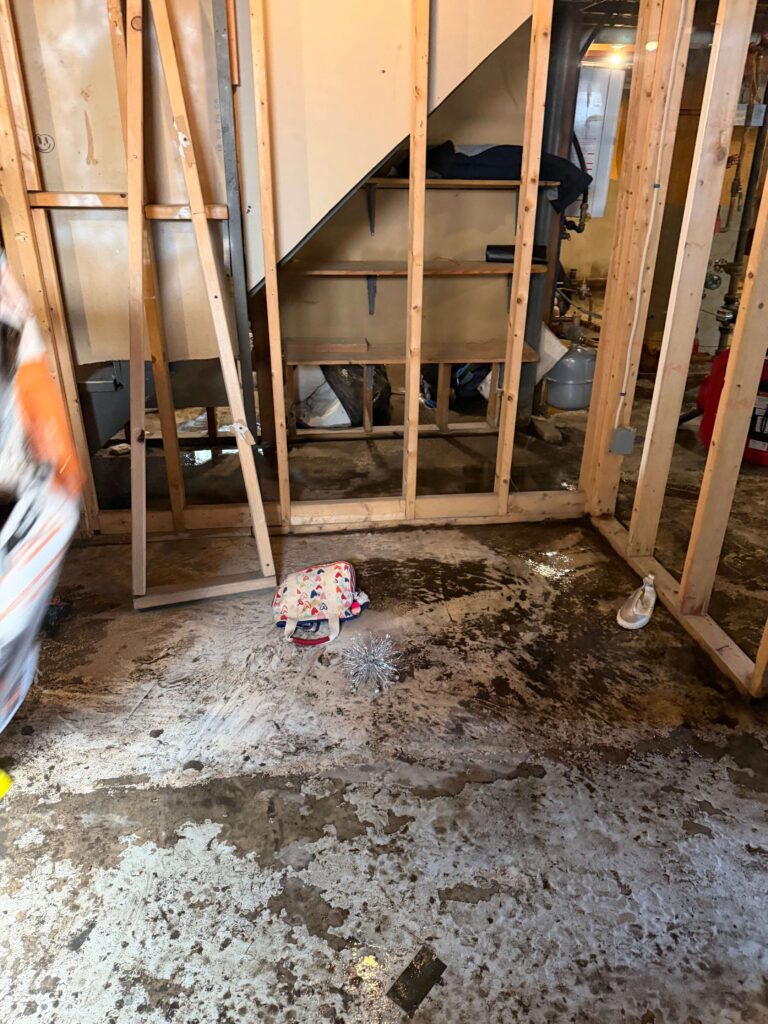
A sewage backup is not ordinary water damage. When wastewater rises through a floor drain, toilet, or lower-level fixture, it can carry bacteria, viruses, and other contaminants into flooring, walls, contents, and HVAC-adjacent areas. A professional sewage backup cleanup service addresses the immediate health risk while protecting the parts of your property that may still be recoverable.
For homeowners, property managers, and business owners in East Bridgeport, Shelton, and Milford, the first hours matter. Fast action can limit contamination, reduce structural damage, and help keep a small backup from becoming a prolonged disruption.
Why sewage backup cleanup requires a professional response
Sewage is generally treated as Category 3 water, often called black water. This category can contain harmful microorganisms and contaminants that make do-it-yourself cleanup risky, especially when water has spread beneath finished flooring, behind baseboards, into wall cavities, or across porous materials.
The visible water is only part of the problem. Carpeting, padding, insulation, particleboard cabinetry, drywall, and upholstered contents can absorb contaminated water quickly. Even after a surface looks dry, moisture and contamination may remain underneath. That is why simply mopping, opening windows, or spraying a household disinfectant is rarely enough after a true sewer backup.
A qualified restoration team uses appropriate protective equipment, controlled cleaning procedures, moisture detection tools, extraction equipment, and EPA-registered disinfectants selected for the affected environment. The goal is not merely to make the area look clean. It is to remove contamination, dry the structure to appropriate conditions, and document the work needed to move the property toward recovery.
What to do before a sewage backup cleanup service arrives
Your priority is safety. Keep people and pets away from the affected area, particularly children, older adults, and anyone with a compromised immune system. Do not walk contaminated water through clean rooms, and do not use fans that could spread contaminants to unaffected areas.
If it can be done safely, stop the source. That may mean turning off water to a fixture, avoiding further use of plumbing, or contacting a plumber if a drain line is blocked or damaged. If the backup is connected to a municipal sewer issue, follow local guidance while waiting for the source to be corrected.
Avoid trying to save porous materials yourself. Wet carpet padding, cardboard boxes, loose textiles, paper goods, and other absorbent items may be contaminated beyond safe restoration. Do not use a regular household vacuum to remove sewage water, and do not attempt to dry the area with your home HVAC system.
Move only uncontaminated valuables from nearby dry areas, if you can do so without entering the affected space. Take a few photos or videos for insurance documentation, but do not delay emergency mitigation to create a perfect record. The condition of the property can change rapidly.
How professional sewage backup cleanup works
Every loss is different. A contained toilet overflow on tile calls for a different approach than wastewater that has traveled through a finished basement, retail space, apartment hallway, or commercial restroom. Still, a thorough response follows a disciplined sequence.
1. Safety assessment and containment
Technicians first evaluate the source, affected materials, extent of spread, and potential exposure risks. They establish containment as needed to separate contaminated areas from clean portions of the property. In a commercial setting, this may also involve planning safe access routes that reduce disruption for tenants, employees, customers, or patients.
The assessment should identify both obvious and hidden moisture. Thermal imaging and moisture meters help locate damp drywall, wet subfloors, moisture behind cabinets, and water migration beneath flooring. This matters because contaminated moisture left in concealed spaces can contribute to odors, material failure, and mold growth.
2. Extraction and removal of unsalvageable materials
Standing water is extracted using specialized equipment designed for restoration work. The team then removes materials that cannot be safely cleaned or dried. Depending on the exposure, that may include carpet and padding, damaged laminate, portions of drywall, insulation, baseboards, or contaminated personal property.
This stage can feel overwhelming because removal makes the damage more visible. But selective demolition is often what allows the structure to dry properly and gives the cleaning team access to contaminated cavities. Retaining a porous material solely because it appears intact can create a larger problem later.
3. Detailed cleaning and disinfection
After extraction and removal, technicians clean remaining hard, nonporous, and potentially salvageable materials using methods suited to the surface and contamination level. Physical cleaning comes first because disinfectants work best on surfaces that have been properly cleaned of soils and debris.
EPA-registered disinfectants are then applied according to product directions and required contact times. The right process depends on the affected materials, the size of the loss, and whether the contamination entered structural cavities. Precision matters here. Too little cleaning leaves risk behind; indiscriminate chemical use can damage finishes or create avoidable indoor air concerns.
4. Structural drying and verification
Disinfection alone does not resolve a water loss. Specialty air movers, dehumidifiers, and controlled drying systems remove remaining moisture from structural materials. Moisture readings are monitored throughout the process to confirm that the property is drying as expected.
Drying time depends on the construction, how long the water was present, weather conditions, and the materials involved. A concrete basement with exposed framing may dry differently than a finished room with hardwood, cabinetry, and insulated exterior walls. Professional monitoring helps prevent premature equipment removal and helps identify areas that need additional attention.
5. Documentation and restoration planning
A well-managed sewage backup cleanup service includes clear communication about what was affected, what was removed, what was cleaned, and what remains to be restored. This documentation can support insurance conversations and help property owners make informed repair decisions.
Once mitigation is complete, reconstruction may include replacing drywall, insulation, flooring, trim, cabinets, or other damaged finishes. The timeline depends on the extent of damage and claim requirements, but the objective remains the same: return the property to a safe, functional condition with as little additional disruption as possible.
Common sewage backup scenarios in Connecticut properties
Basement backups are common because lower-level drains sit at the lowest point in the plumbing system. Heavy rain, aging sewer laterals, root intrusion, clogged lines, or overwhelmed municipal systems can all contribute. In a finished basement, wastewater may spread under carpet, vinyl plank, laminate, or engineered flooring before it is noticed.
Commercial properties face a different set of pressures. A backup in a restaurant, office, retail store, multifamily building, school, or healthcare-related space can affect operations and occupant safety immediately. Facility operators often need a response plan that addresses the contamination while coordinating access, minimizing downtime, and preserving a clear record of the work performed.
Not every overflow is identical. Clean water from a supply line requires a different response than water from a toilet containing waste or a drain backup. A restoration professional can help determine the appropriate scope based on the source, duration, materials affected, and evidence of contamination.
Choosing a sewage backup cleanup service
When you are comparing providers, look beyond a promise to “clean up.” Ask whether the company is available for emergency response, uses trained technicians, performs moisture inspections, provides containment when needed, and communicates clearly about what can and cannot be restored.
Insurance coordination can also be valuable, but it should not replace a careful assessment. Coverage varies by policy, cause of loss, and endorsements such as sewer backup coverage. Keep your insurer informed, save photos and receipts, and ask your restoration provider to explain the mitigation documentation they can provide.
PuroClean of East Bridgeport approaches sewage losses with the same urgency applied to any property emergency: stabilize the situation, protect occupants, identify hidden impacts, and guide the owner through the next practical step. For a homeowner, that may mean protecting a finished basement. For a business, it may mean restoring a safe environment and reducing operational interruption.
After cleanup, protect the property from another backup
Once the emergency is resolved, consider what caused it. A licensed plumber can inspect drain lines, clean blockages, assess root intrusion, or recommend repairs if the sewer lateral is damaged. Depending on the property, a backwater valve, sump system improvement, or routine drain maintenance may help reduce future risk.
For commercial and multifamily properties, an incident plan is worth having before another emergency occurs. Identify shutoff points, maintain current emergency contacts, and establish a process for reporting drainage issues early. Small warning signs, such as slow drains, recurring odors, or gurgling fixtures, are easier to address before they become a full backup.
A sewage loss can make a property feel suddenly unsafe, but the right response brings order back quickly. Keep the area isolated, avoid unnecessary exposure, and bring in trained restoration help so the cleanup is handled with care, technical discipline, and a clear path forward.

