


A sewage backup rarely stays a small problem for long. The moment contaminated water reaches flooring, drywall, cabinets, or inventory, sewage cleanup cost starts moving based on how far the contamination spread and how quickly the property is stabilized.
For homeowners and property managers in East Bridgeport, Shelton, and Milford, the question is usually not just, “How much will this cost?” It is also, “What exactly am I paying for, and what makes one loss more expensive than another?” That is the right question. Sewage losses are not basic water losses. They involve hazardous contamination, controlled removal, deep cleaning, disinfection, drying, and, in many cases, reconstruction.
What sewage cleanup cost usually includes
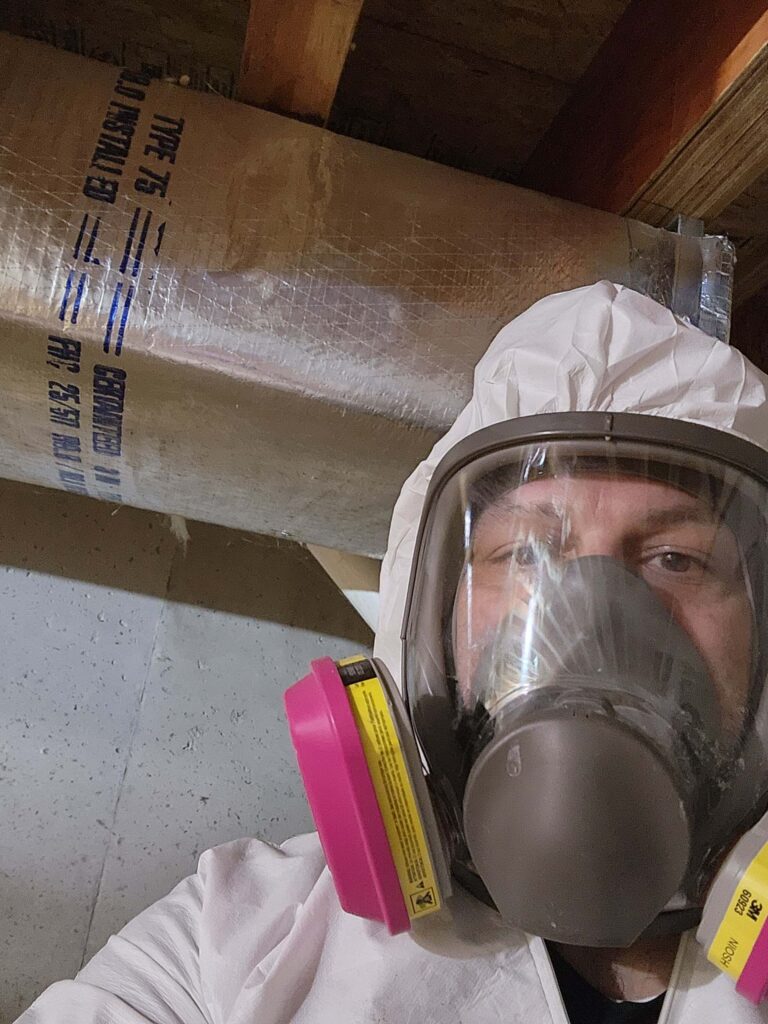
When people hear sewage cleanup cost, they sometimes picture a single service charge for pumping out dirty water and mopping the floor. In reality, professional sewage remediation is a process. The price often reflects emergency response, containment, extraction, removal of unsalvageable materials, cleaning, disinfecting, deodorization, drying, moisture monitoring, and disposal.
If the backup affected finished areas, the scope can expand quickly. Carpet pad, baseboards, lower drywall, insulation, laminate flooring, and porous contents may need to be removed because sewage does not just stain materials – it carries bacteria and other contaminants into them. A proper job is about restoring safe conditions, not just making the area look clean.
Commercial properties can also face added cost from downtime, larger affected areas, tenant coordination, after-hours work, and the need to protect unaffected operations while remediation is underway.
Why sewage cleanup cost varies so much
Two sewage backups can look similar at first and end with very different invoices. The reason is simple: the visible mess is only part of the loss.
Size of the affected area
A small toilet overflow contained to a bathroom is very different from a main line backup that reaches multiple rooms or travels into wall cavities. The more square footage involved, the more labor, materials, disinfectant, drying time, and disposal are required.
Category and level of contamination
Sewage is considered highly contaminated water. That means technicians must use protective equipment, follow strict handling procedures, and often remove porous materials that cannot be safely sanitized. If contamination sits for hours or days, the health risk and cleanup complexity usually increase.
Type of materials affected
Concrete in an unfinished basement is one thing. Hardwood flooring, custom cabinetry, drywall, insulation, and upholstered contents are another. Some materials can be cleaned and dried. Others must be removed to prevent ongoing contamination, odor, or microbial growth.
How long the sewage sat
Time matters. Fast extraction and disinfection can limit damage. Delayed response often means more absorption, more demolition, stronger odors, and a greater chance that moisture moved into hidden areas. That can raise both remediation and rebuild costs.
Hidden moisture and structural impact
Sewage water does not always stay where you can see it. It can move under flooring, behind trim, into subfloors, and inside wall cavities. Moisture detection tools and thermal imaging help identify these areas, but once hidden contamination is found, the scope may increase.
Access and emergency conditions
A finished basement full of furniture, a crawl space, a multi-unit property, or a retail facility that needs overnight service can all affect pricing. Limited access and urgent scheduling generally require more labor and coordination.
Typical price ranges and what they mean
It is hard to give a single number that fits every property, but most sewage cleanup cost estimates fall into a few broad ranges.
A limited cleanup in a small, contained area may cost a few thousand dollars if the damage is caught early and structural materials are largely unaffected. A moderate loss involving several rooms, partial demolition, drying equipment, and disinfection often costs significantly more. Large or severe losses, especially those involving finished basements, commercial spaces, or extensive reconstruction, can climb well beyond that.
What matters is not chasing the lowest number. A suspiciously low estimate may leave out disposal, antimicrobial treatment, moisture mapping, equipment monitoring, or proper removal of contaminated materials. That can lead to recurring odor, hidden damage, or unsafe conditions.
The biggest cost drivers after initial cleanup
The cleanup itself is only one part of the financial picture. In many sewage events, the real expense comes from what had to be removed and rebuilt.
Demolition and disposal
When drywall, flooring, insulation, cabinetry, or contents are contaminated beyond recovery, they must be removed and discarded correctly. Disposal fees, labor, and protective handling all add to the total.
Drying and dehumidification
Even after contaminated water is extracted, the structure still needs to be dried. Air movers, dehumidifiers, and moisture monitoring are not optional extras. They are what help prevent secondary damage and create the conditions needed for repairs to begin.
Cleaning and disinfection
Professional-grade disinfecting, detailed surface cleaning, and odor treatment are core parts of a sewage remediation job. This is especially important in occupied homes, healthcare-adjacent properties, food-service areas, and businesses where safety and sanitation standards matter.
Reconstruction
If lower drywall was cut out, flooring removed, or cabinets damaged, the project may continue into reconstruction. That means the final cost may include both mitigation and repair work. Understanding that distinction helps avoid confusion when comparing estimates.
Insurance and sewage cleanup cost
One of the first questions customers ask is whether insurance will cover sewage cleanup cost. The answer depends on the source of the backup and the details of the policy.
Some policies cover certain sudden and accidental sewage backup events if the property has specific endorsements. Others may exclude damage from maintenance-related issues, long-term neglect, or certain sewer line problems. Coverage can also differ between the cleanup portion and the repair portion.
This is why documentation matters. A professional restoration company should provide clear scope details, photos, moisture readings, and itemized information that supports the insurance process. That does not guarantee coverage, but it does make the claim easier to understand and evaluate.
How to keep sewage cleanup cost from getting worse
The most effective way to control cost is speed. Shut off the water source if possible, keep people and pets away from the affected area, and avoid using HVAC systems that could spread odors or contaminants. Do not try to save porous items on your own. In a sewage event, the wrong do-it-yourself step can increase both risk and expense.
Fast professional response can reduce how much material needs to be removed. It can also shorten drying time, limit contamination spread, and improve the chances of salvaging certain non-porous or less-affected components.
That is where an emergency-focused team makes a difference. Certified technicians using moisture meters, thermal imaging, controlled demolition, and EPA-registered disinfectants can make decisions based on actual conditions rather than guesswork.
Sewage cleanup cost for homes vs. businesses
Residential and commercial sewage losses share the same health concerns, but pricing can differ because the goals are different.
In a home, the focus is usually on occupant safety, salvageability, odor control, and returning living areas to normal as quickly as possible. In a business, the cost equation often includes business interruption, customer-facing areas, code concerns, after-hours scheduling, and protecting revenue.
A small office restroom backup may be straightforward. A restaurant, medical office, multi-tenant building, or retail space can involve more containment, more documentation, and more urgency around reopening. That is why commercial estimates often need a site-specific review rather than a simple square-foot price.
What to ask before approving an estimate
If you are comparing proposals, ask what is included in the sewage cleanup cost and what is not. Does the estimate cover extraction, demolition, disposal, disinfecting, drying equipment, monitoring visits, odor treatment, and final cleaning? Is reconstruction separate? Are contents handling and pack-out included if needed?
You should also ask how the team will verify that hidden moisture and contamination have been addressed. A professional answer should reference inspection methods, drying goals, and documentation, not just a promise to clean everything up.
For property owners in stressful situations, clarity matters as much as price. A good remediation plan should explain the sequence of work, the safety measures involved, and the factors that could change the scope if additional damage is uncovered.
When sewage enters a property, the cheapest option is rarely the safest one. The better question is whether the work will protect the people in the building, limit further damage, and move the property toward real recovery. If you need help making sense of a sewage loss in East Bridgeport, Shelton, or Milford, PuroClean of East Bridgeport approaches that job the way emergency restoration should be handled – quickly, carefully, and with a clear plan forward.

