


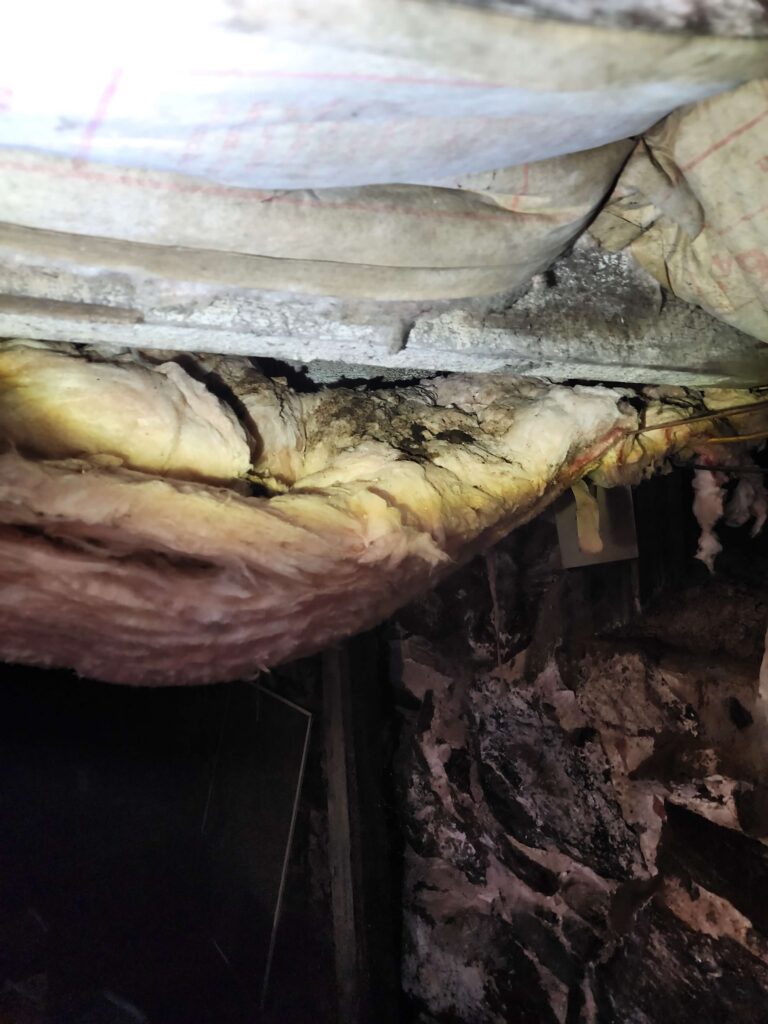
Water in a wall or attic rarely stays a small problem for long. Once insulation gets wet, it can lose its ability to control temperature, trap contaminants, and hold moisture where you cannot see it. That is why property owners often ask, should flooded insulation be replaced? In many cases, yes – but the right answer depends on what got it wet, how long it stayed wet, and what type of insulation is involved.
When insulation is exposed to floodwater, pipe breaks, roof leaks, or sewage backup, the concern is not just moisture. The bigger issue is whether that insulation can still do its job safely. Wet insulation often compresses, separates, sags, or becomes contaminated. If it is left in place too long, it can contribute to mold growth, odor, and hidden structural damage.
Should flooded insulation be replaced after water damage?
If insulation has been affected by contaminated water, the safest answer is usually yes. Floodwater from outside, sewage backups, and any water that may contain bacteria, chemicals, or debris can make insulation unsanitary. Even if it looks dry on the surface later, it may still hold contamination deep within the material.
Clean water losses are a little different. A supply line leak or appliance overflow may not automatically mean every section of insulation has to be removed. But timing matters. If the insulation became saturated and remained wet for more than a short period, replacement is often the better choice because drying it completely inside a closed wall can be difficult.
In practical terms, the decision comes down to three questions. Was the water clean or contaminated? Did the insulation hold its shape and performance value? And can it be dried thoroughly and verified with proper moisture testing? If the answer to any of those is no, replacement is usually the more responsible path.
Why wet insulation becomes a bigger problem than most people expect
Insulation is designed to resist heat transfer, not to perform after saturation. Once water gets in, many insulation materials lose R-value, which means your walls, floors, or attic stop insulating the way they should. That can lead to uneven indoor temperatures, higher utility costs, and a lingering sense that the building never fully recovered.
Moisture also moves. Wet insulation can transfer water into framing, drywall, subfloors, and ceiling cavities. That hidden dampness is where mold can take hold. In commercial spaces, that may create occupant complaints, indoor air quality concerns, and business interruption. In homes, it can affect comfort, health, and resale value.
This is one reason professional mitigation teams rely on moisture meters, thermal imaging, and controlled drying plans. You cannot make a sound decision about insulation by touch alone.
Which types of insulation can be saved and which usually cannot
Fiberglass batt insulation is one of the most common materials found in walls, ceilings, and crawl spaces. After a flood or significant water intrusion, it often needs to be removed. Fiberglass itself may not feed mold, but it traps water, loses loft, and can hold contaminants in the backing and surrounding debris. Once it compresses, its performance drops.
Blown-in cellulose is even less forgiving. It absorbs water easily, clumps together, settles, and stays wet longer. Because cellulose is paper-based, it is especially vulnerable after flooding. In most cases, wet cellulose should be removed and replaced.
Spray foam is more nuanced. Closed-cell spray foam is more water resistant than open-cell foam or fiberglass, and in some limited situations it may remain in place after clean water exposure if the surrounding assembly can be dried and verified. But contaminated water changes the equation. If floodwater or sewage reached the area, replacement may still be necessary depending on the extent of exposure and local building considerations.
Rigid foam board can sometimes perform better than other materials, but it still has to be evaluated in context. Water can move around seams, behind boards, and into adjacent materials. The insulation itself may not be the only concern.
Clean water versus floodwater matters
Not all water losses are equal. A broken supply line behind a wall is different from river flooding, storm surge, groundwater intrusion, or a toilet overflow involving waste. Restoration professionals generally classify water by contamination level, and that classification directly affects whether materials can be salvaged.
Clean water can become gray or contaminated quickly if it sits, passes through building materials, or remains untreated. So even if the loss started from a clean source, delays can make replacement more likely.
Floodwater from outside the structure is typically treated as contaminated. It can carry soil, bacteria, chemicals, and organic matter. Insulation exposed to that kind of water is generally not something you want to keep inside your walls.
Signs your insulation likely needs replacement
Sometimes the evidence is obvious. The insulation is sagging, matted, stained, or has visible debris in it. Other times, the signs are indirect. You may notice a musty odor, cold spots in walls, recurring humidity, or drywall damage near the affected area.
If the water event involved sewage, visible mold, or more than a brief wetting period, replacement becomes much more likely. The same is true if the insulation is behind finished surfaces that cannot be dried effectively in place.
A professional inspection helps remove guesswork. Moisture mapping can show how far water traveled, and opening selective areas can reveal whether wall cavities stayed wet longer than expected.
What proper restoration looks like
The right response is not simply tearing everything out or trying to save everything. It starts with source control and a documented assessment. The water source must be stopped, the affected areas identified, and the contamination level evaluated.
From there, a restoration team determines which materials are restorable and which are not. If insulation removal is needed, technicians typically remove affected sections, address trapped moisture in the cavity, clean and disinfect as appropriate, and set up structural drying equipment. Once moisture levels return to acceptable targets, rebuilding can begin.
This step matters because replacing insulation too early, before framing and surrounding materials are dry, can trap moisture back inside the assembly. On the other hand, waiting too long to remove unsalvageable insulation can allow damage to spread. Speed and precision have to work together.
For property owners in East Bridgeport, Shelton, and Milford, this is where an experienced mitigation company can make a real difference. PuroClean of East Bridgeport approaches water losses with the urgency they require, using moisture detection, thermal imaging, and documented drying methods to help properties move from emergency stabilization toward full recovery.
Insurance, documentation, and the cost question
Many owners ask whether replacing flooded insulation is worth the cost. In most cases, the better question is what it may cost if you do not. Leaving compromised insulation in place can lead to mold remediation, repeated repairs, reduced energy efficiency, and disputes during future inspections or insurance claims.
Insurance coverage depends on the cause of loss and the policy language. A sudden pipe break may be treated differently than groundwater flooding. What matters either way is documentation. Photos, moisture readings, contamination notes, and a clear mitigation record help support the claim and explain why removal or replacement was necessary.
If you manage a commercial property, documentation is especially important. It helps show that the building was handled with attention to occupant safety, operational continuity, and industry-standard drying and remediation practices.
When waiting is the wrong move
One of the biggest mistakes after a water event is assuming the area will dry on its own. Insulation hidden behind drywall, above ceilings, or below flooring can stay wet long after the surface feels normal. That delay creates the kind of secondary damage that is harder and more expensive to fix.
If you suspect insulation got wet, early evaluation is the smart move. You do not need to panic, but you do need facts. The longer moisture stays trapped, the fewer restoration options remain.
A practical rule is simple: if insulation has been soaked, contaminated, or wet long enough that full drying is uncertain, replacement is usually the safest choice. Protecting the structure and indoor environment now is almost always easier than dealing with hidden damage later.
When your property has taken on water, the goal is not just to dry what you can see. It is to restore the building in a way that is clean, stable, and truly ready for normal use again.

