


A water stain on drywall rarely tells the whole story. By the time paint bubbles, baseboards swell, or a ceiling starts to sag, moisture may already be moving through insulation, wall cavities, subfloors, or behind cabinets. That is why thermal imaging for water leaks has become such a valuable tool during emergency response and property restoration.
When water intrusion is hidden, guessing is expensive. Opening the wrong section of wall wastes time. Missing trapped moisture can lead to odor, material deterioration, and mold growth. Thermal imaging helps restoration professionals narrow the search, identify suspicious temperature patterns, and build a smarter drying plan from the start.
What thermal imaging for water leaks actually does
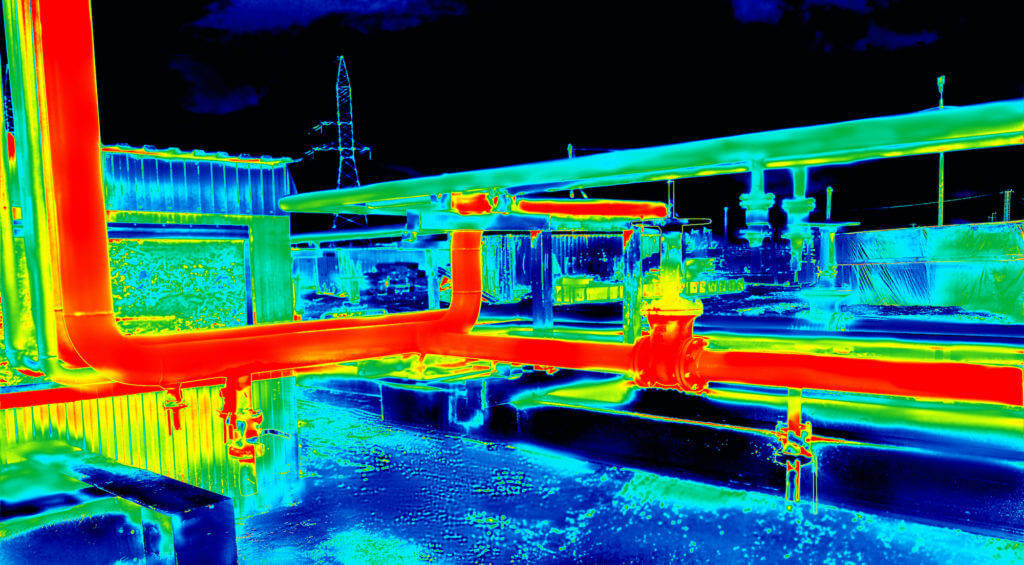
A thermal camera does not see water directly. It reads surface temperature differences. Wet materials often cool differently than dry materials because evaporation changes the temperature pattern across a wall, floor, or ceiling. On the camera display, those temperature variations stand out and help technicians spot areas that deserve closer testing.
That distinction matters. Thermal imaging is a detection aid, not a standalone proof of a leak. A cold area on a ceiling might indicate moisture, but it could also reflect missing insulation, an air-conditioning line, or outside air intrusion. That is why trained technicians pair thermal scans with moisture meters, hygrometers, visual inspection, and knowledge of how buildings are assembled.
Used correctly, thermal imaging speeds up the investigation without turning the process into guesswork. It helps answer practical questions fast: How far has the moisture spread? Is water moving down a wall cavity? Are cabinets, flooring, or adjacent rooms affected? Where should drying equipment be focused first?
Why hidden water is such a serious problem
Visible damage gets attention. Hidden moisture causes the longer-term problems.
Water can wick through drywall, travel beneath laminate or hardwood flooring, soak insulation, and settle inside structural voids. In commercial spaces, that may threaten operations, inventory, or tenant areas. In homes, it can affect indoor air quality, damage finishes, and turn a small plumbing issue into a larger restoration project.
Time matters. The longer materials stay wet, the more likely they are to lose structural integrity or support microbial growth. That is one reason emergency mitigation teams move quickly to inspect, extract water if needed, and begin controlled drying. Early detection with the right tools helps reduce demolition when conditions allow and improves the odds of saving materials.
How professionals use thermal imaging during a leak inspection
In a real-world response, thermal imaging is usually one part of a larger moisture mapping process. A technician scans suspect surfaces and looks for unusual temperature signatures across ceilings, walls, floors, and built-ins. If a pattern suggests moisture, they confirm it with a meter designed to measure the material itself.
This combined approach is what gives the findings value. The camera helps locate likely trouble spots quickly. The moisture meter confirms whether the material is wet and helps document the extent of the issue. From there, the restoration team can determine whether drying is possible in place or whether selective removal is the safer path.
For example, a bathroom supply line leak might show a cool pattern extending farther into the hallway wall than expected. A roof leak may appear around a ceiling seam but actually affect insulation several feet away. A dishwasher line failure can push water under cabinets and into toe-kick spaces where visual inspection alone would miss it. Thermal imaging helps reveal those hidden pathways before the damage spreads further.
Where thermal imaging for water leaks is especially useful
Some leak situations are obvious, but many are not. Thermal imaging is particularly helpful when the source or spread is concealed.
In residential settings, that often includes shower pan leaks, pipe leaks behind walls, appliance supply line failures, window and roof intrusions, wet insulation, and hardwood floor moisture. In commercial properties, it may help evaluate office walls, retail flooring, drop ceilings, shared plumbing runs, and areas where operations cannot be interrupted by unnecessary demolition.
It is also useful after the source has been repaired. Finding the leak is only part of the job. Property owners still need to know what got wet, what can be dried, and whether moisture remains trapped in assemblies. Thermal scanning during mitigation and follow-up visits helps technicians track the drying process and verify whether conditions are improving.
The limits of thermal imaging
Good restoration work depends on accuracy, and accuracy means recognizing limits.
Thermal cameras can be affected by HVAC airflow, outdoor temperature, reflective surfaces, direct sunlight, and building materials with different thermal properties. A cool patch is not automatically a leak. Likewise, not every wet material creates a dramatic thermal signature, especially if conditions are uniform or the moisture is deep within an assembly.
That is why experience matters so much. Interpreting a thermal image requires context. The technician has to understand moisture behavior, building science, and the environmental conditions in the structure. A camera in untrained hands can create false confidence. In trained hands, it becomes a precise and efficient decision-making tool.
Why thermal imaging matters during drying and mitigation
Finding moisture is only the first step. The bigger goal is restoring the property correctly.
Once water intrusion is identified, mitigation teams use moisture readings and thermal imaging to define affected zones, set drying targets, and monitor progress. This can influence where air movers and dehumidifiers are placed, whether wall cavities need to be opened, and which materials are still salvageable. It also helps document conditions for property owners and, when applicable, insurance-related communication.
That documentation is important because water losses are rarely static. Moisture migrates. Conditions can worsen overnight. A structured inspection process helps avoid under-scoping the damage, which is one of the biggest reasons water problems return after an incomplete response.
For property managers and business owners, this has an operational benefit too. More accurate moisture mapping can reduce unnecessary disruption. Instead of broad tear-out based on suspicion alone, the team can focus on the affected areas and make informed decisions about containment, drying, and reconstruction.
What property owners should do if they suspect a hidden leak
If you notice musty odors, warped flooring, peeling paint, staining, or an unexplained increase in water bills, it is worth taking seriously even if you cannot see active dripping. Shut off the water source if you know where the problem is coming from and it is safe to do so. Then arrange for a professional inspection as quickly as possible.
Waiting usually increases the scope of damage. Wet drywall softens. Wood flooring cups. Cabinet materials swell. Insulation loses effectiveness. If moisture remains in dark, enclosed spaces, mold can begin developing much sooner than many property owners expect.
A professional response should not be limited to looking at the obvious stain. The inspection should determine how far the moisture has spread, whether affected materials can be dried, and what steps are needed to stabilize the space. In many situations, thermal imaging helps make that process faster and more precise.
Choosing the right team for leak detection and restoration
Not every company that offers leak detection is equipped to handle full mitigation. That distinction matters when the leak has already affected multiple materials or hidden structural cavities.
Look for a team that combines thermal imaging with moisture meters, documented drying methods, and practical restoration knowledge. The best response is not just about finding water. It is about controlling further damage, protecting the property, and guiding the next steps clearly. For homeowners, that means less confusion during a stressful event. For commercial clients, it means a more organized path back to normal operations.
In the East Bridgeport, Shelton, and Milford area, companies such as PuroClean of East Bridgeport use thermal imaging as part of a broader emergency mitigation process designed to identify hidden moisture, support accurate drying, and help property owners move forward with confidence.
If there is one thing to remember, it is this: hidden water rarely stays small. The sooner the problem is mapped correctly, the better your chances of limiting damage, protecting indoor conditions, and keeping the recovery process under control.

