


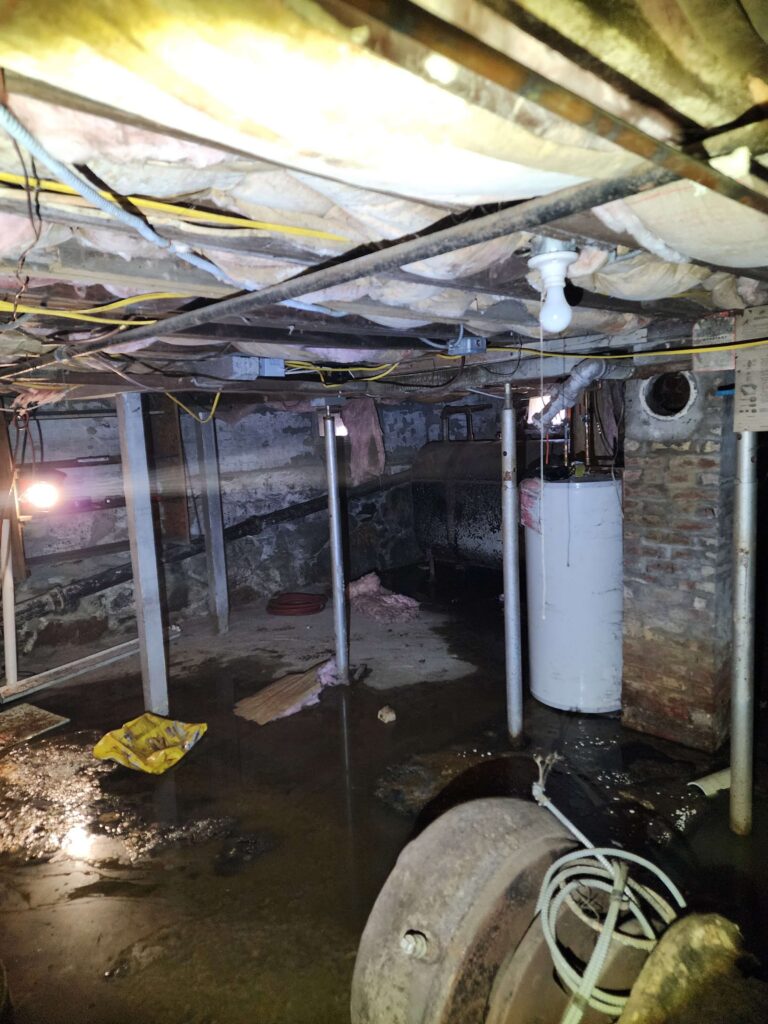
A toilet overflows, a floor drain pushes dark water back into the basement, or a sewer line clogs and sends contaminated water into a bathroom or commercial space. In that moment, most people ask the same question: what is sewage backup cleanup, and what happens next?
Sewage backup cleanup is the emergency process of removing contaminated water, cleaning and disinfecting affected surfaces, drying the structure, and safely disposing of materials that cannot be restored. It is not regular water cleanup. Sewage contains bacteria, viruses, and other harmful contaminants, so the work has to be handled with the right protective equipment, containment methods, and restoration procedures.
What is sewage backup cleanup and why is it different?
Sewage losses are treated as a serious contamination event because the water is considered highly unsanitary. This category of water can come from backed-up toilets, drain overflows, septic failures, broken sewer lines, or storm-related sewer surcharges. Even if the water looks limited to one room, it can spread contamination into flooring, subfloors, baseboards, drywall, cabinets, and nearby contents.
That is what makes sewage backup cleanup different from cleaning up a typical plumbing leak. A supply line break may damage materials, but sewage introduces a health hazard on top of the water damage. The goal is not only to remove visible water. The goal is to restore a safe environment.
For homeowners, that often means acting quickly to protect children, pets, and anyone with respiratory or immune system concerns. For business owners and property managers, it also means reducing downtime, protecting occupants, and addressing sanitation issues that can affect operations and liability.
Why sewage backup is a health and structural emergency
When sewage enters a property, every hour matters. Contaminated water can soak into porous materials quickly, and the longer it sits, the more likely it is to spread bacteria, odor, and moisture into hidden areas. Carpet padding, insulation, unfinished wood, and some drywall can absorb contamination fast.
There is also a structural side to the problem. Water can wick up walls, settle under vinyl or laminate flooring, and migrate into wall cavities. In basements and lower-level commercial spaces, the damage may extend farther than the visible wet area. That is why professional crews use moisture meters and thermal imaging to identify where water has actually traveled.
Odor is another clue that the damage is deeper than it seems. If sewage has penetrated building materials, surface cleaning alone will not solve it. The source has to be addressed, the contamination has to be removed, and the structure has to be dried correctly.
What happens during professional sewage backup cleanup
The process usually starts with a safety assessment. Technicians identify the source of the backup, evaluate the category of contamination, and determine what areas and materials are affected. If the sewage intrusion is active, stopping the source comes first. That may involve shutting off water use in part of the building or coordinating with a plumber or sewer professional if a line obstruction or failure is involved.
Next comes controlled extraction and removal. Standing sewage and contaminated residue are removed with professional extraction equipment. At this stage, the crew is not just drying the area. They are managing a biohazard condition. Protective gear, careful handling, and controlled disposal matter.
After gross contamination is removed, the focus shifts to demolition and disposal where needed. This is one of the hardest parts for property owners to hear, but it is often necessary. Some materials can be cleaned and restored, while others cannot be safely salvaged after sewage exposure. Carpet padding, certain upholstered items, low drywall cuts, insulation, and heavily affected composite materials are often removed. It depends on how long the sewage sat, how deeply it penetrated, and what the material is made of.
Then the cleaning and disinfection work begins. Technicians clean affected structural surfaces and apply professional disinfectants designed for restoration environments. The purpose is to reduce contamination and support safe recovery conditions. This step needs precision. Overapplying chemicals is not the answer, and neither is relying on household cleaners that were never meant for sewage remediation.
Drying comes after cleaning, not instead of it. Air movers, dehumidifiers, and specialty drying equipment are used to pull moisture out of floors, wall cavities, and structural materials. Moisture readings help confirm progress so the property is not left with hidden dampness that could lead to secondary damage.
What can be saved and what usually cannot
This is where sewage cleanup becomes case-specific. Non-porous materials such as some tile, metal, and sealed surfaces may be restorable if they are cleaned promptly and thoroughly. Hardwood may sometimes be saved, but only if contamination is limited, the drying strategy is appropriate, and the material has not cupped or absorbed sewage deeply into seams and subfloor layers.
Porous materials are a different story. Carpet, padding, insulation, paper-faced drywall, ceiling tiles, and many soft contents often cannot be restored after direct sewage contact. The reason is simple: contamination does not stay on the surface.
Cabinet bases, trim, and lower wall sections also fall into a gray area. Some can be cleaned and dried; some need partial removal. The right decision depends on the construction, the duration of exposure, and whether contamination reached concealed cavities.
Why DIY sewage cleanup is risky
It is understandable to want to handle a small backup yourself, especially if it looks contained. The problem is that sewage damage is rarely just what you can see on the floor. Contaminants can spread under baseboards, behind walls, and into absorbent materials before you realize it.
There is also the safety issue. Direct exposure to sewage can create real health risks, and improper cleanup can leave behind unsafe conditions even if the room looks clean. A mop, fan, and store-bought disinfectant are not enough for a true sewage loss.
DIY efforts also create insurance problems at times. If contaminated materials are not documented, removed, and dried properly, later mold growth or hidden damage can complicate a claim. For property owners who need a clear restoration record, professional documentation matters.
The role of documentation and insurance
Sewage backups are stressful partly because property owners are making decisions while dealing with contamination, damage, and uncertainty about cost. Professional restoration teams help by documenting the affected areas, moisture conditions, removed materials, and drying progress.
That record can support communication with insurance carriers, adjusters, and property stakeholders. Coverage depends on the cause of loss and the policy, so there is no one-size-fits-all answer. A backup from an interior drain issue may be treated differently than damage tied to an external sewer event or excluded backup condition. What matters most in the first hours is mitigation, safety, and preventing further damage.
What to do right away after a sewage backup
If sewage has entered your property, keep people and pets out of the area. Do not use plumbing fixtures in the affected zone until the cause is identified. Shut off electricity to impacted areas only if it is safe to do so, and avoid contact with contaminated water.
If contents are in the path of the backup, leave them in place unless moving them can be done safely and without spreading contamination. Taking photos can help with documentation, but cleanup should not be delayed for too long while waiting to decide what to do.
This is the point where emergency response matters. A trained restoration team can assess the loss, begin containment and extraction, and guide the next steps. For local property owners in East Bridgeport, Shelton, and Milford, PuroClean of East Bridgeport approaches sewage events with the urgency they require because the job is about more than drying a room. It is about restoring sanitary conditions and helping people regain control of their property.
How long sewage backup cleanup takes
The timeline depends on the size of the affected area, the materials involved, how long the sewage was present, and whether demolition is required. A small, quickly addressed backup may move through cleanup and drying in a few days. A larger basement loss or commercial event with wall cavity contamination, flooring removal, and reconstruction needs can take much longer.
The key is not speed alone. It is complete remediation. Rushing through extraction without proper disinfection and drying may shorten the first phase but create bigger problems later.
If you are facing a sewage backup, the best next step is to treat it like the emergency it is. Fast, careful cleanup protects health, limits structural damage, and gives you a clearer path back to normal.

