


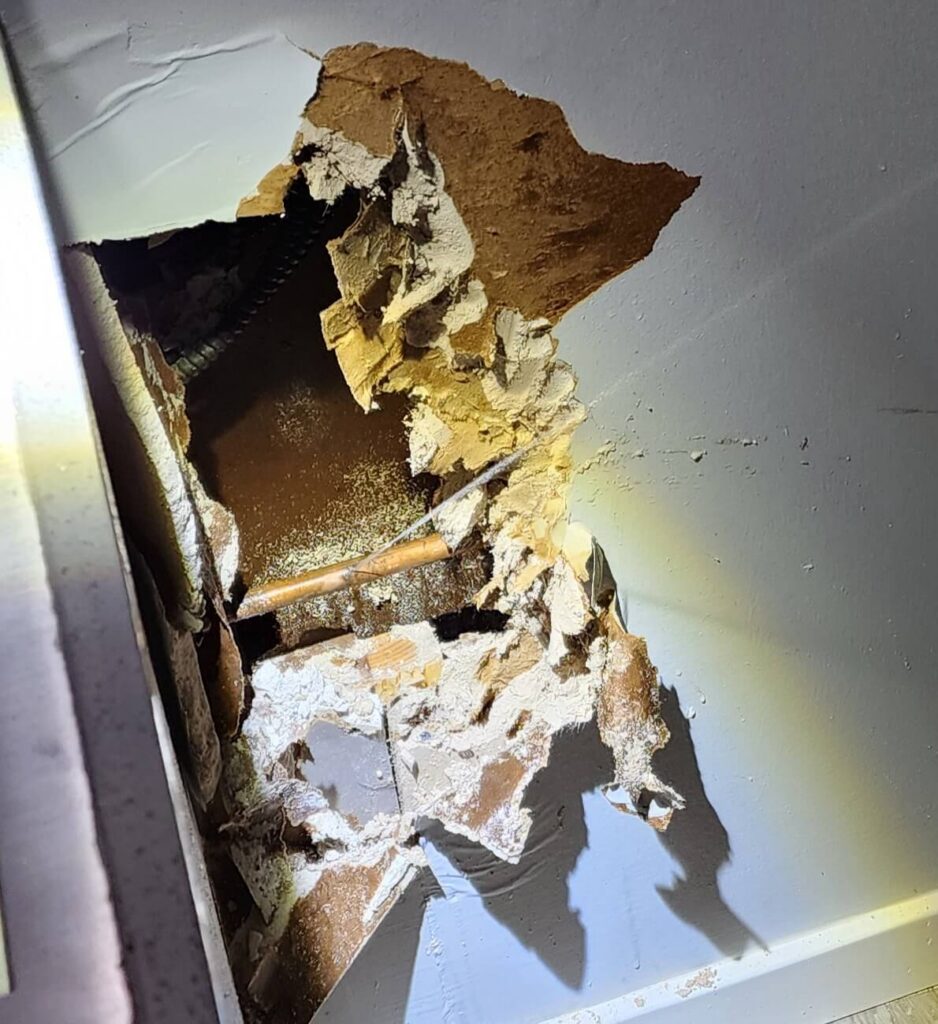
A burst pipe rarely gives you a convenient warning. One minute everything looks normal, and the next you are dealing with water spreading across floors, running behind walls, or pouring through a ceiling. If you are searching for what to do after a pipe burst, the priority is simple – protect people, stop the water source if possible, and act fast enough to limit structural damage, contamination, and mold growth.
What to do after a pipe burst in the first few minutes
The first few minutes matter more than most property owners realize. Water does not stay where you can see it. It wicks into drywall, insulation, baseboards, cabinetry, subfloors, and wall cavities. In commercial spaces, it can also affect inventory, electronics, records, and tenant areas long before the full scope is visible.
Start by making sure the area is safe to enter. If water is near outlets, light fixtures, appliances, or electrical panels, stay out of the affected space until power can be safely shut off. If the burst happened above a ceiling, be careful around sagging drywall, which can collapse under the weight of trapped water.
If it is safe to do so, shut off the main water supply. For a home, that may be at the main shutoff valve near the water meter, basement, crawl space, or where the line enters the property. For a commercial building, the shutoff point may be in a utility room, mechanical space, or designated maintenance area. If you do not know where it is, that uncertainty is a good reminder to locate and label it before the next emergency.
After the water is off, turn off electricity to affected areas if you can do it without stepping into standing water. If you have any doubt, wait for an electrician or emergency restoration professional. Safety comes before salvage.
Call the right professionals early
A plumber and a water damage restoration company solve different parts of the same problem. The plumber fixes the failed pipe. The restoration team addresses the water intrusion, hidden moisture, drying, cleaning, and material damage left behind.
That distinction matters because many property owners lose valuable time waiting for the plumbing repair to be completed before addressing the water. In reality, drying and mitigation should begin as soon as conditions are safe and the water source is controlled. The longer wet materials sit, the more likely you are to see swelling, warping, delamination, staining, odors, and microbial growth.
For homeowners, that may mean damaged hardwood, wet carpet pad, soaked drywall, and compromised insulation. For property managers and business owners, delays can also mean interrupted operations, tenant complaints, indoor air quality concerns, and larger insurance claims.
A local emergency restoration company with 24/7 response can assess moisture migration, begin water extraction, and set up structural drying equipment quickly. Certified technicians should use tools like moisture meters and thermal imaging to identify wet areas that are not obvious to the eye. That is especially important after pipe bursts in wall cavities, under cabinets, behind bathroom fixtures, or above drop ceilings.
Document the damage before cleanup moves too far
Once immediate safety steps are handled, document what happened. Take clear photos and video of the burst pipe, the standing water, affected rooms, damaged contents, and any visible staining or material failure. If water reached furniture, equipment, merchandise, or important documents, capture those as well.
This step helps with insurance reporting and can also create a clearer record of how the loss developed. Try to note the time you discovered the burst, when the water was shut off, and which areas appear affected. If tenants, employees, or occupants reported the issue earlier, include that timeline too.
You do not need perfect paperwork in a stressful moment, but you do want enough information to support a claim and show that you acted promptly. Insurance carriers often look closely at mitigation efforts after water losses.
Remove what you can, but do not guess about hidden moisture
There is a point where basic protective action helps, and a point where DIY cleanup starts to miss the real problem. You can move rugs, papers, electronics, textiles, and smaller belongings out of wet areas if it is safe. Aluminum foil or wood blocks under furniture legs can reduce additional staining or finish damage. If water is clean and limited, you may also use towels or a wet vacuum to remove some surface water.
But surface drying is not the same as proper mitigation. A floor can feel dry while the subfloor remains saturated. A wall can look fine while insulation behind it stays wet for days. Cabinets often trap moisture in toe kicks and wall intersections. In winter pipe bursts, water may travel farther than expected before it becomes visible.
This is where professional drying makes a difference. Restoration crews do not just set out fans and hope for the best. They build a drying plan based on material type, moisture readings, affected square footage, temperature, and humidity conditions. In some cases, materials can be saved. In others, controlled removal is the better choice to prevent further damage and speed the drying of the structure.
Clean water, gray water, and when the situation changes
Not every burst pipe loss is equal. If the pipe supplied fresh water and the damage was discovered quickly, the category may begin as relatively clean water. Even then, time works against you. Once water sits, passes through building materials, or mixes with dirt and debris, the contamination risk can increase.
If the burst involves a drain line, sewer component, or water that has moved through heavily contaminated spaces, the response becomes more complex. Cleanup may require containment, removal of porous materials, and disinfection with appropriate products and procedures.
That is one reason professional assessment matters. The right response depends on the source, the duration, the affected materials, and whether the property includes sensitive occupants, medical settings, food service, or high-traffic commercial areas.
What to expect during professional drying and restoration
When a qualified team arrives, they should do more than remove visible water. A proper response usually starts with inspection and moisture mapping. Technicians identify where water traveled, what materials are wet, and which areas are at the highest risk for secondary damage.
Water extraction comes first, followed by targeted drying using air movers, dehumidifiers, and in some cases specialty systems for hardwood floors, wall cavities, or dense materials. Moisture levels should be monitored throughout the process, not just on day one. Drying is complete when materials return to an acceptable moisture content, not when the room simply feels less damp.
Depending on the loss, restoration may also include removal of unsalvageable drywall, insulation, or flooring, cleaning and disinfecting affected surfaces, odor control, and reconstruction planning. If the burst happened in a kitchen, bathroom, or utility area, cabinetry and built-ins may need special attention. In offices, retail spaces, and multifamily properties, the scope often extends to adjacent units or shared structural areas.
A responsive company should also help you understand what comes next. That includes communicating with your insurance carrier, documenting drying progress, and explaining whether materials are being restored, removed, or monitored.
Common mistakes after a pipe burst
One of the biggest mistakes is assuming the problem is over once the leak stops. The plumbing issue may be contained, but the water damage clock is still running. Another common mistake is delaying service because the visible damage looks minor. Small pipe bursts behind walls or under sinks often cause the most frustrating losses because they stay hidden long enough to damage framing, drywall, and flooring from the inside out.
People also underestimate how quickly mold can begin developing in wet materials. You may not see growth immediately, but elevated moisture creates the conditions for it fast. That is why quick drying is not just about appearance. It is about protecting the structure and indoor environment.
For business owners and facility managers, another mistake is focusing only on the wet room. Water can move into neighboring suites, shared walls, corridors, and lower levels. A narrow response can lead to a broader disruption later.
Preventing the next burst pipe
Once the immediate emergency is under control, prevention deserves attention. In Connecticut, frozen pipes are a major cause of sudden water losses, especially in exterior walls, crawl spaces, attics, vacant units, and under-insulated areas. Keeping indoor temperatures stable, sealing drafts, insulating vulnerable piping, and maintaining heat in unoccupied spaces can reduce the risk.
It also helps to know where shutoff valves are, inspect plumbing in older properties, and pay attention to warning signs like banging pipes, reduced water pressure, discoloration, recurring leaks, or unexplained moisture. In commercial properties, routine maintenance and documented emergency procedures can save critical time.
When a pipe bursts, speed and accuracy matter. The best outcomes usually come from a response that treats the event like the emergency it is – not just a plumbing repair, but a water damage event that needs immediate stabilization, careful drying, and clear guidance. If you are facing that situation in East Bridgeport, Shelton, or Milford, a company like PuroClean of East Bridgeport can help you move from chaos to a controlled recovery with the urgency and technical care the property deserves.
The best next step is the one that keeps damage from spreading today, because tomorrow is when hidden water starts getting expensive.

