


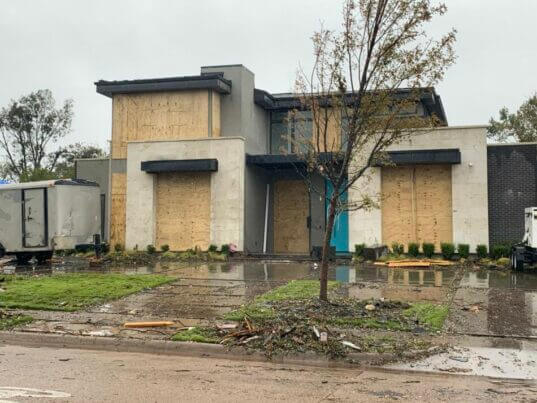
A broken window at 2 a.m. is not just a broken window. It is exposure to rain, wind, theft, falling debris, unsafe entry points, and a property that can get worse by the hour. That is why emergency board up services are often one of the first and most important steps after sudden damage. They help stabilize the building, reduce further loss, and create a safer starting point for cleanup and restoration.
For homeowners, that may mean protecting a family home after a tree strike, vehicle impact, or fire. For business owners and property managers, it may mean securing a storefront, office, or multi-unit property before weather, vandalism, or liability issues add to an already difficult situation. The goal is simple – protect the structure now so recovery can begin on solid ground.
What emergency board up services actually do
Board-up work is not just putting plywood over an opening and leaving. Done correctly, it is a temporary protective measure designed to secure compromised areas of a property after damage. That can include broken windows, damaged doors, exposed wall sections, roof openings, and other vulnerable entry points.
The immediate benefit is physical security, but the larger value is damage control. Once a structure has been breached, outside conditions start working against you. Rainwater can soak insulation, drywall, flooring, cabinets, and contents. Wind can spread soot after a fire and drive moisture deeper into wall cavities. Animals, trespassers, and opportunistic theft become more likely. A fast board-up reduces those risks while the full restoration plan is being organized.
In many loss situations, board-up services are also part of documenting and preserving the condition of the property. That matters when insurance claims are involved. A property owner is generally expected to take reasonable steps to prevent additional damage after a covered event. Securing the structure quickly helps show that you acted responsibly.
When emergency board up services are needed
The most obvious cases are storm and fire damage, but they are not the only ones. Strong winds can shatter glass or tear materials away from the building envelope. A small kitchen fire that leaves one wall or window compromised may still require immediate protection. Vehicle impacts can leave a storefront or garage open to the street. Break-ins can leave doors, locks, and frames too damaged to secure.
There are also less obvious scenarios. Water damage can weaken materials around windows or doors. A fallen tree may create roof or siding breaches that are not fully visible at first glance. In commercial settings, a single damaged entry point can affect alarm performance, occupancy safety, and business continuity. In those situations, quick temporary protection buys critical time.
It also depends on the season and the building type. In Connecticut, a compromised opening during a rainstorm or cold snap can escalate quickly. Residential properties often have contents and personal safety concerns. Commercial properties may face downtime, inventory loss, and public access issues. The need for board-up is the same, but the urgency can show up in different ways.
Why speed matters after a property loss
Property damage rarely stays contained. What begins as a broken pane of glass can become wet drywall, warped flooring, mold growth, and a larger insurance claim if the opening is left exposed. A boarded and secured opening does not solve the whole problem, but it slows the chain reaction.
That is especially important after fire damage. Once flames are out, many people understandably focus on smoke, soot, and visible destruction. But compromised windows, doors, and roof sections create a second emergency. Weather intrusion can combine with firefighting water, and unsecured access can put the property at additional risk. Stabilizing the structure early helps the restoration team work more safely and more effectively.
The same principle applies after a storm or break-in. The first hours matter because they shape what happens next. Fast response can reduce secondary damage, support cleaner mitigation, and help preserve more of the structure and contents.
What a professional board-up approach should include
A professional response starts with assessment, not guesswork. The damaged area needs to be evaluated for structural safety, extent of exposure, and the best temporary method to secure it. Not every opening should be handled the same way. Window size, door condition, frame stability, roof access, and surrounding damage all affect the approach.
Good emergency board up services should also fit into the larger restoration process. If there is water intrusion, the team may need moisture detection, thermal imaging, and a drying plan to identify hidden impact. If fire is involved, the site may need safety controls before soot cleanup begins. If the property has contamination concerns, other mitigation steps may need to happen alongside securing the structure.
That coordination matters. Temporary protection is most effective when it supports the next phase of recovery instead of creating delays or rework.
Emergency board up services for homes
For homeowners, the stress is personal. You are not just protecting a structure. You are protecting where your family sleeps, stores belongings, and tries to get back to normal. After a fire, storm, or forced entry, many people are dealing with shock as much as damage.
In that moment, clear guidance matters. A qualified restoration team can help secure the property, identify immediate hazards, and explain what needs to happen next. That may include boarding broken windows, securing doors, placing temporary roof coverings, checking for water intrusion, and beginning documentation for the claim process.
The trade-off is that temporary protection is exactly that – temporary. It is not a finished repair. But it is often the step that prevents a manageable loss from becoming a much larger one.
Emergency board up services for businesses and managed properties
Commercial losses bring a different kind of pressure. The property may be tied directly to revenue, tenant obligations, compliance concerns, and public safety. A damaged storefront, office entrance, warehouse opening, or common-area window can affect operations immediately.
For business owners, board-up work helps secure assets and reduce downtime risk. For property managers, it helps protect vacant units, occupied spaces, and liability exposure. For facility operators, it can help preserve access control and support a safer environment while inspections and restoration are underway.
Time still matters, but so does coordination. Business properties may need after-hours response, site documentation, communication with insurers, and a mitigation plan that works around operational realities. That is where a restoration-focused provider has an advantage over a basic handyman fix.
What to do before help arrives
If your property has sudden damage, the first priority is safety. Stay clear of unstable materials, exposed electrical hazards, broken glass, and areas affected by fire or heavy water intrusion. If the structure is unsafe, do not re-enter just to inspect it more closely.
If it is safe to do so, document visible damage with photos and take reasonable steps to protect people and valuable contents from further exposure. That might mean moving items away from an opening or blocking off access to the damaged area. Avoid trying to make structural fixes yourself, especially at night or during severe weather.
Then bring in professionals who can both secure the property and help guide the next phase. In a true emergency, you do not need a patch job. You need a response that understands the full damage picture.
The right first step can protect the whole recovery
Emergency situations are chaotic, and property owners often feel pressure to make fast decisions with limited information. Board-up service is one of those decisions that may look simple from the outside, but it carries real consequences for safety, damage containment, and the pace of restoration.
That is why local experience and technical discipline matter. A team that responds quickly, secures the structure correctly, and understands what comes next can help turn a vulnerable property into a stabilized one. For homeowners and businesses in East Bridgeport, Shelton, and Milford, that first protective step often makes the rest of the recovery far more manageable.
When damage leaves your property exposed, the best next move is not to wait and see what happens. It is to secure what can still be protected and give the recovery process a stronger place to start.

