


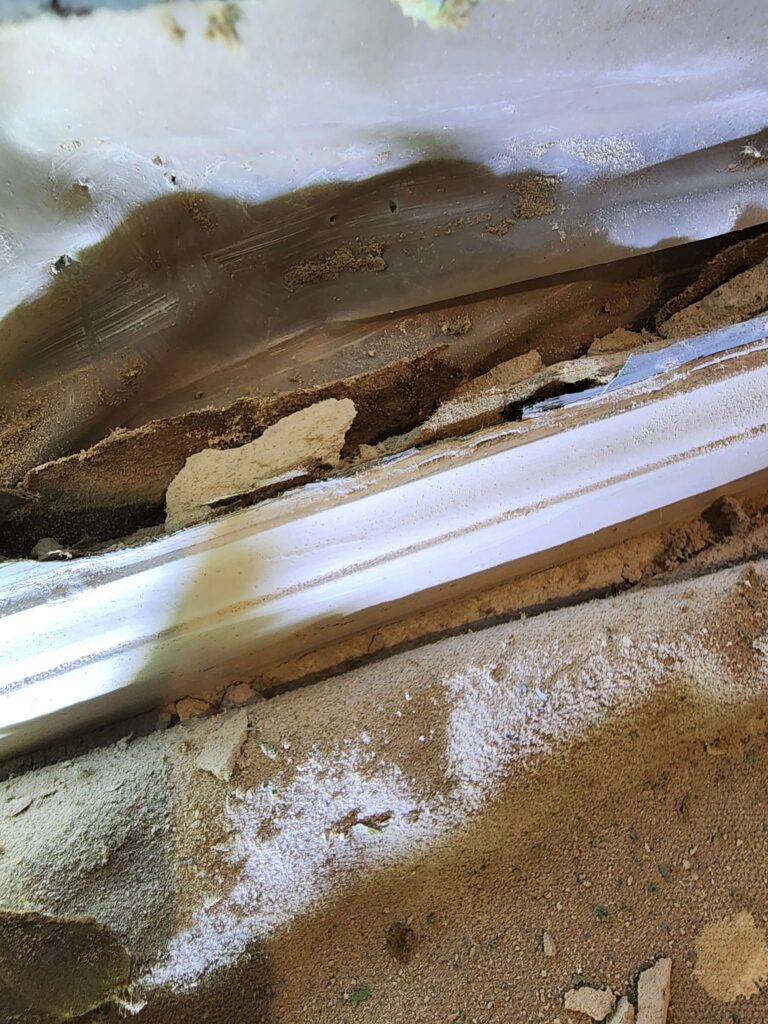
A musty smell after a plumbing leak is easy to shrug off for a few days. The problem is that mold does not wait for a convenient time, and knowing when is mold remediation necessary can make the difference between a contained cleanup and a much larger property damage issue.
For homeowners, property managers, and business owners, this question usually comes up after water gets where it should not be – behind drywall, under flooring, above ceiling tiles, or inside HVAC areas. Sometimes the growth is obvious. Just as often, the real issue is hidden moisture feeding mold out of sight. That is why the right answer is not simply based on what you can see on the surface.
When is mold remediation necessary in a property?
Mold remediation becomes necessary when mold growth is active, when the affected area is more than a very small isolated spot, when moisture has reached porous materials, or when the contamination may affect indoor air quality and occupant health. It is also necessary when the source of moisture has not been fully corrected, because cleaning visible staining without addressing wet building materials is rarely enough.
A small patch on a non-porous surface may sometimes be handled as basic cleanup. But the line changes quickly when drywall, insulation, carpeting, wood framing, cabinets, or wall cavities are involved. Once mold has extended into materials or spread beyond a simple wipeable area, a professional remediation process is usually the safer and more effective option.
In practical terms, remediation is not just about removing visible mold. It means identifying the moisture source, containing affected areas, removing contaminated materials when needed, cleaning and treating salvageable surfaces, and drying the structure to appropriate moisture levels so growth does not return.
Signs you should not wait
The clearest sign is visible mold growth. If you see spreading discoloration on walls, ceilings, baseboards, around windows, or under sinks, the problem has already moved beyond a minor moisture event. Dark spots, fuzzy growth, or recurring staining after cleaning are all reasons to take the situation seriously.
Persistent odor is another major warning sign. A strong earthy or musty smell often points to hidden mold behind materials, even when surfaces look mostly normal. This is common after roof leaks, pipe breaks, appliance leaks, and basement moisture problems.
Water damage history matters too. If your home or commercial space had standing water, repeated humidity issues, storm intrusion, or slow leaks that went unnoticed, mold can begin growing in as little as 24 to 48 hours under the right conditions. By the time paint bubbles or drywall softens, moisture may already be affecting deeper areas.
Health-related complaints can also push the issue into remediation territory. If occupants report worsening allergies, coughing, irritation, or headaches that seem worse in one part of the building, it is worth investigating the environment rather than assuming the air is fine because there is no major visible growth.
The size of the problem matters, but so does location
People often ask whether the decision comes down to square footage alone. Size matters, but location and material type matter just as much.
A small amount of mold on bathroom tile is very different from the same amount inside a wall cavity shared with insulation and wood studs. A patch under an office sink may look limited from the outside but be connected to a long-term plumbing leak that has traveled behind cabinets and into subflooring. In those cases, surface cleaning does not solve the actual problem.
The same is true in commercial settings. A few stained ceiling tiles in a retail or office property may seem minor, but if the source is an HVAC issue or a roof leak affecting insulation above the ceiling, remediation may be necessary to stop continued contamination and protect indoor air quality.
When DIY cleanup is not enough
There is a reason professional remediation exists. Mold problems are often less about what is visible and more about what is still wet, contaminated, or airborne.
DIY cleanup may be reasonable for a very small, isolated area on a hard, non-porous surface where the moisture source has already been fixed. Even then, care matters. Disturbing mold without containment can spread spores to nearby rooms. Using the wrong cleaning approach can also leave moisture behind or create a false sense of security.
Professional remediation is generally the better path when any of the following are true: the area is larger than a minor spot, porous materials are involved, there is a recurring odor, the source of moisture is uncertain, occupants have health sensitivities, or the property has experienced significant water intrusion. In those situations, the risk is not just cosmetic. It is structural damage, indoor air concerns, and a bigger restoration bill later.
Why hidden moisture changes the answer
The most common mistake property owners make is treating mold as a stain problem instead of a moisture problem.
A wall can look dry on the surface while still holding elevated moisture inside. Flooring can appear intact while moisture remains trapped beneath underlayment or in the subfloor. Cabinets can seem salvageable, but hidden water in toe kicks, backing, or adjacent drywall can keep feeding microbial growth.
This is where professional equipment matters. Moisture meters, thermal imaging, and targeted inspection help determine whether contamination is limited or whether materials need to be opened, removed, dried, or cleaned under containment. Technical precision matters because guesswork often leads to incomplete remediation and repeat growth.
Special cases where mold remediation is especially necessary
Certain situations call for a faster, more controlled response.
If mold is present after sewage backup or contaminated water intrusion, the issue is more complex because the materials may be affected by both microbial growth and unsafe contaminants. If the property includes infants, older adults, or individuals with asthma or compromised immune systems, a more cautious approach is appropriate.
Remediation is also especially important in businesses, schools, medical offices, multifamily properties, and occupied commercial spaces where indoor air quality and operational continuity matter. Even limited contamination can disrupt tenants, staff, customers, or patients.
Real estate transactions are another common pressure point. If mold is identified during an inspection, a documented remediation process is often necessary to address the concern credibly. Buyers, sellers, and property managers need more than a quick surface cleanup. They need confidence that the moisture issue was addressed properly.
What professional mold remediation typically involves
A professional response should begin with inspection and moisture detection, not assumptions. The goal is to find the source, define the scope, and build a controlled plan.
From there, affected areas may need containment to keep spores from spreading during work. Air filtration may be used, damaged porous materials may be removed, and salvageable structural components can be cleaned and treated. Just as important, the structure must be dried to proper moisture levels before rebuilding or closing walls.
For customers, one of the biggest benefits is clarity. In a stressful situation, you need to know what is affected, what can be saved, what must be removed, and what comes next. That guided process is what turns an unsettling mold problem into a manageable restoration project.
How quickly should you act?
If you suspect active mold growth, the right time to act is now, not after one more rainstorm or one more week of running a fan. Mold problems usually become more expensive when they are delayed. Moisture spreads, materials deteriorate, and hidden contamination gets more difficult to contain.
That does not mean every musty smell turns into a major demolition project. Sometimes the affected area is limited and the fix is straightforward. But the only safe way to know is to assess the property correctly and address both contamination and moisture together.
For property owners in East Bridgeport, Shelton, and Milford, that often means bringing in a trained remediation team that can respond quickly, inspect thoroughly, and keep the process moving with clear communication. PuroClean of East Bridgeport approaches mold issues the same way we approach other property emergencies – with urgency, technical accuracy, and respect for the stress our customers are already carrying.
If you are asking whether remediation is necessary, there is a good chance the property is already giving you a reason to look closer. Trust that warning sign early, and you give yourself the best chance to protect the building, the people inside it, and the recovery timeline ahead.

