


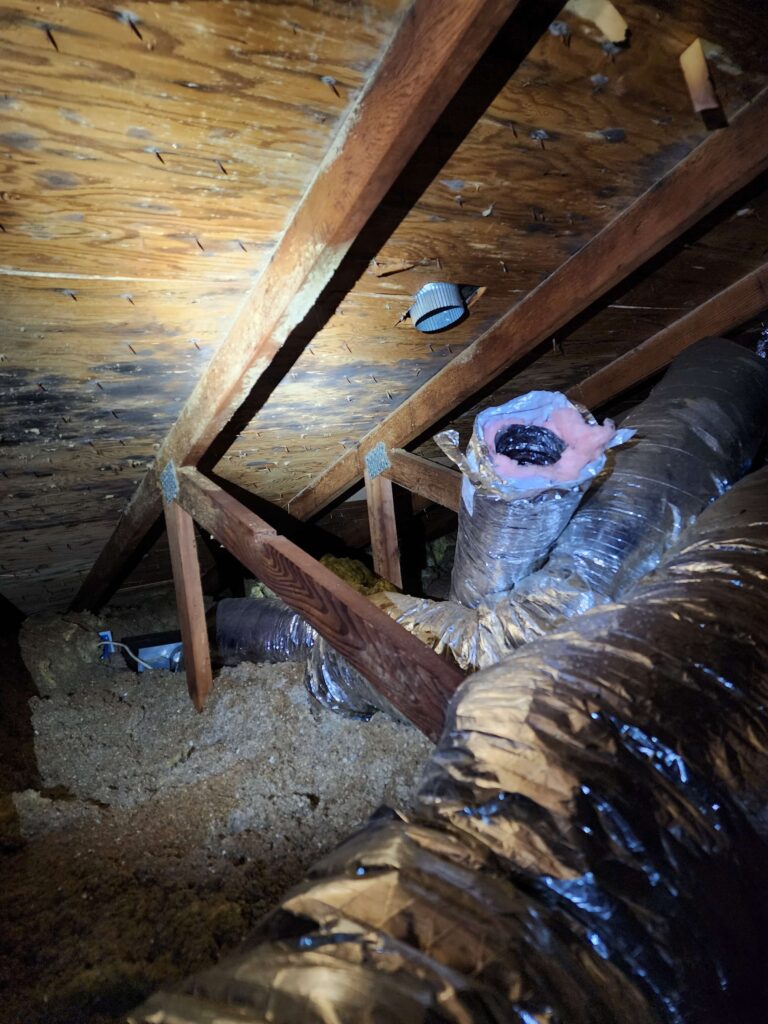
That musty smell in a basement, laundry room, crawl space, or office suite is rarely a minor issue. When moisture lingers behind drywall, under flooring, or inside HVAC components, mold can start growing quickly, and mold remediation services become less of a convenience and more of a property protection measure.
For homeowners and property managers, the hardest part is usually not spotting the stain on a wall. It is knowing whether the problem is cosmetic, whether it is spreading out of sight, and whether a simple cleanup will make things worse. In many cases, mold is only one part of a larger moisture problem, which is why effective remediation has to address both the visible growth and the conditions that allowed it to develop.
What mold remediation services actually include
A lot of people use the terms mold removal and mold remediation interchangeably, but there is a practical difference. Removal suggests the problem is simply wiped away. Remediation is broader. It involves identifying the moisture source, containing affected areas, removing damaged materials when necessary, cleaning and treating impacted surfaces, and drying the structure to help prevent regrowth.
That process matters because mold often shows up in places you cannot fully inspect with the naked eye. Water can move into wall cavities, soak insulation, settle under vinyl flooring, and remain trapped around cabinets or baseboards. A stain on the surface may only represent a fraction of the affected area.
Professional remediation teams use moisture meters, thermal imaging, and other detection tools to understand how far the problem has spread. That technical approach helps avoid two common mistakes – underestimating the contamination and tearing out more material than necessary.
Why mold growth gets serious fast
Mold needs moisture, a food source, and time. Most buildings provide the food source through drywall paper, wood, dust, carpet backing, and other organic materials. Once water intrusion occurs, the timeline can move quickly.
A pipe leak behind a kitchen wall, a roof leak above insulation, repeated bathroom humidity, or a flooded lower level can all create the right conditions. Sometimes the moisture event is obvious, such as a burst pipe or storm intrusion. Other times it is slow and hidden, like a small plumbing leak under a sink or condensation around HVAC equipment.
The trade-off here is that not every small patch means a major structural problem, but waiting too long increases the odds that the issue spreads, materials deteriorate, and indoor air quality becomes a concern. For businesses, delay can also affect operations, tenant satisfaction, and liability exposure if employees or occupants are impacted.
Signs you may need professional mold remediation services
Visible growth is the most obvious red flag, but it is not the only one. Persistent musty odors, bubbling paint, warped trim, staining near windows or ceilings, and recurring moisture in the same area often point to hidden mold activity.
In commercial settings, property managers may first hear about it as an occupant comfort complaint. Employees mention an odor in a conference room. Tenants report dampness around an exterior wall. Maintenance teams notice discoloration near rooftop penetrations or around HVAC drip lines. In homes, people often discover the problem after moving furniture, opening a utility closet, or starting repairs after a leak.
There is also the question of size and location. A very limited surface issue on a non-porous material may be manageable, but once mold affects porous materials, keeps returning, or appears after a water loss, professional evaluation is the safer path. The same goes for contamination in crawl spaces, attics, wall cavities, or areas tied to the ventilation system.
What a proper mold remediation process looks like
Mold remediation services start with moisture control
Any effective remediation begins with finding and correcting the moisture source. If the leak, humidity issue, drainage problem, or drying failure is not addressed, even a thorough cleanup may only offer temporary relief.
After inspection, the next priority is often containment. This helps reduce the chance of cross-contamination as work begins. Depending on conditions, technicians may isolate the affected area and use air filtration or other controls to help manage airborne particles during the cleanup process.
From there, the materials and methods depend on what has been affected. Non-salvageable porous materials may need to be removed. Structural elements that can be restored are cleaned, treated as appropriate, and dried using professional equipment. If the mold problem followed a broader water event, structural drying is not optional. It is part of stopping the cycle that allowed growth in the first place.
This is where experience matters. Over-demolition creates unnecessary reconstruction costs. Under-remediation leaves contamination and moisture behind. The right response is measured, documented, and based on actual conditions inside the property.
Why testing is not always the first step
Property owners sometimes assume mold testing should happen before anything else. In some cases, testing is useful, especially when there is a dispute about scope, a need for post-remediation verification, or a commercial compliance concern. But when visible mold and active moisture are already present, the immediate priority is usually remediation planning and source control.
Testing can support decision-making, but it does not replace corrective action. If a wall cavity is wet and mold is visible, the building still needs to be dried and the affected materials still need to be addressed.
Residential and commercial properties face different risks
For homeowners, the biggest concerns are usually health worries, property damage, and the fear that the problem is bigger than it looks. Families want to know whether rooms are safe to use, whether belongings can be saved, and how long repairs may take.
Commercial customers often have another layer of urgency. A mold issue in an office, retail space, healthcare setting, multifamily building, or managed facility can interrupt operations and create reputational issues. There may be scheduling constraints, tenant communications, maintenance logs, and insurance coordination to consider along with the remediation itself.
That is why response speed matters. The faster a qualified team can inspect, stabilize conditions, and define the scope, the faster owners and managers can make informed decisions about occupancy, repairs, and next steps.
Why DIY cleanup is risky
It is understandable to want a quick fix, especially when the visible area looks small. But scrubbing mold without addressing hidden moisture can spread contamination and create a false sense of resolution. Bleach is often overused in these situations, and while people see surface lightening, they may not be solving the underlying problem.
DIY efforts are especially risky when drywall, insulation, wood framing, carpet, or HVAC-adjacent areas are involved. Disturbing mold growth without containment can push particles into nearby rooms. If water is still present behind the surface, the problem often returns.
The more practical question is not whether a person can clean a stain. It is whether they can verify that the area is dry, determine how far the moisture migrated, and restore the space without leaving conditions behind that support regrowth.
Choosing mold remediation services in East Bridgeport, Shelton, and Milford
When you are selecting a remediation company, the goal is not just to hire someone who can remove visible mold. You want a team that understands water migration, structural drying, contamination control, and the stress that comes with sudden property damage.
For local property owners, that means looking for certified technicians, emergency response capability, clear communication, and a process that supports both immediate stabilization and long-term recovery. If the mold followed a leak, flood, or plumbing failure, remediation should not be treated as a standalone cleaning job. It should be part of a larger restoration strategy.
PuroClean of East Bridgeport approaches these losses with that bigger picture in mind – locating hidden moisture, containing damage, using advanced detection and drying equipment, and guiding customers through each stage with urgency and care.
If you suspect mold in your home or commercial property, the best next step is not guesswork. It is getting the space inspected before hidden moisture turns a manageable issue into a more disruptive one. Fast action protects more than materials. It protects your timeline, your indoor environment, and your peace of mind.

