


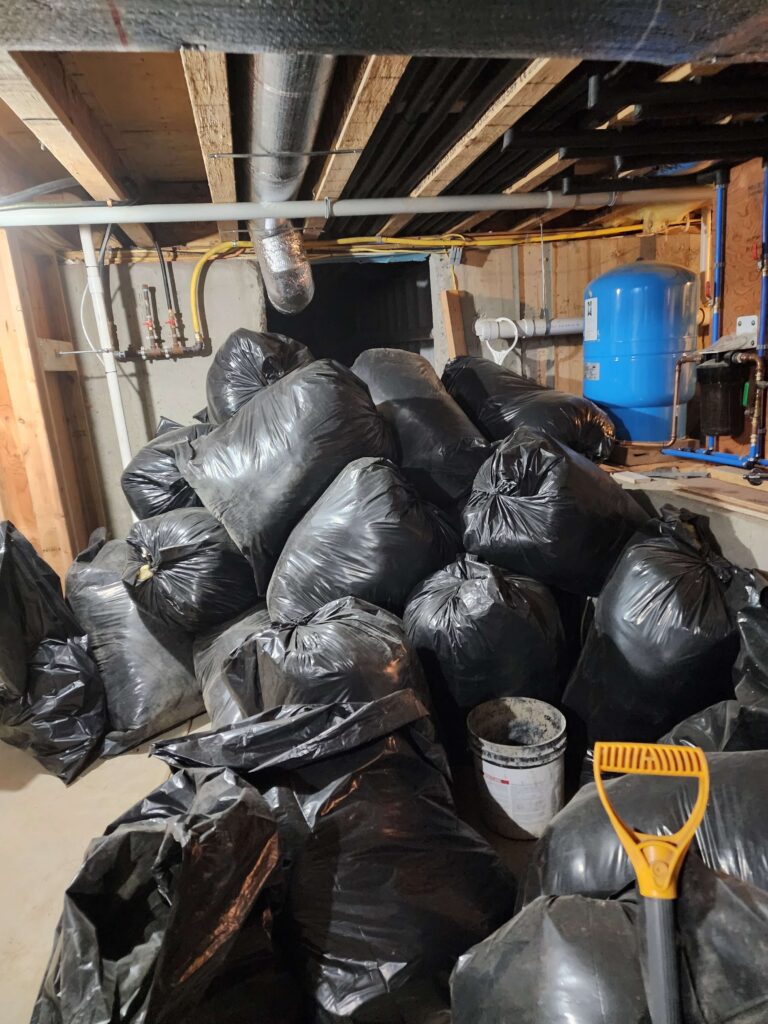
When a property is suddenly contaminated by blood, bodily fluids, sewage, or drug-related residue, one of the first questions people ask is who pays for biohazard cleanup. It is a fair question, and usually an urgent one, because biohazard situations cannot sit untouched while owners, tenants, or managers sort out paperwork. Safety comes first, and the answer on payment depends on the source of the loss, the type of property, and the insurance coverage in place.
Biohazard cleanup is not routine janitorial work. It involves containment, removal of affected materials, disinfection with appropriate products, proper disposal, and documentation when needed. In homes and commercial buildings across East Bridgeport, Shelton, and Milford, the cost can vary widely based on how much area is affected and what regulations apply. That is why the financial responsibility is rarely one-size-fits-all.
Who pays for biohazard cleanup in most cases?
In many situations, insurance pays for at least part of the cleanup, but only if the policy covers the underlying event. That distinction matters. Insurance typically does not cover a “biohazard” simply because contamination exists. It covers certain causes of loss, and the contamination is handled as part of that claim.
For example, if a covered water loss causes a sewage backup and the policy includes that protection, the insurer may pay for removal, cleaning, disinfection, and restoration. If a violent crime or unattended death occurs in a home, homeowners insurance may provide coverage depending on the policy terms. In a workplace, commercial property insurance, general liability, workers’ compensation, or another business policy may be involved, again depending on the incident.
If there is no applicable insurance coverage, the property owner is often responsible. In rental settings, liability may fall on a landlord or property management company in some circumstances, but not all. If a responsible third party caused the contamination, their insurance may eventually come into play. The problem is that reimbursement can take time, while cleanup usually cannot wait.
The most common parties that may be responsible
Homeowners insurance
For owner-occupied homes, homeowners insurance is often the first place to look. Policies may cover biohazard cleanup if the contamination comes from a covered event, such as certain accidental deaths, injuries, or sudden property damage incidents. Coverage is highly policy-specific. Exclusions, sublimits, and deductibles all matter.
A sewage backup is a good example of the fine print at work. Many homeowners assume it is automatically covered. Often it is not unless the policy includes a specific endorsement or rider. If backup coverage was not added, the homeowner may be paying out of pocket.
Landlords and property managers
In rental properties, the answer depends on what happened and where the legal responsibility sits. If contamination affects the building structure or common areas, the landlord may be responsible for arranging and paying for remediation, especially when habitability is affected. If the event is tied to tenant actions, there may be a dispute over who is ultimately liable.
That said, landlords usually cannot leave a hazardous condition in place while sorting out fault. Cleanup may need to begin immediately to protect other occupants and limit further damage. Later, the costs may be pursued through insurance or legal channels.
Tenants
Tenants may be responsible when the contamination stems directly from their actions, negligence, or a guest’s behavior. Their renters insurance may help in some cases, but many renters policies have narrow coverage for contamination events. It depends on the cause, the policy language, and whether damage extends beyond personal belongings into the building itself.
Business owners and commercial insurers
If a biohazard event happens in a commercial space, the business owner or building owner may initially be responsible for coordinating cleanup. Payment may come from a commercial property policy, liability policy, or another applicable form of coverage. If an employee was injured, workers’ compensation may also play a role.
In a restaurant, office, healthcare setting, retail location, or warehouse, cleanup decisions also affect operations. Delays can create health risks, employee concerns, and business interruption. That is why fast professional assessment matters as much as the billing question.
A third party or their insurer
Sometimes someone else caused the event. An intoxicated driver crashes into a building, a contractor creates a hazardous exposure, or a neighboring unit triggers contamination that spreads. In those cases, the responsible party may ultimately owe the cost. But immediate cleanup still needs to happen, and property owners often use their own insurance first if coverage exists, then let insurers handle subrogation later.
When insurance does and does not cover the cost
The key issue is causation. Insurers ask what happened first, then whether that cause is covered under the policy. A covered cause can lead to payment for cleanup, demolition, disposal, deodorization, and reconstruction. A non-covered cause may leave the owner paying privately.
Sudden and accidental events are more likely to be covered than gradual problems or preventable neglect. If contamination was caused by a maintenance issue that went unaddressed, coverage may be reduced or denied. If the property was already in poor condition, the insurer may argue that the loss was not truly sudden.
There are also situations where only part of the work is covered. The insurer may approve emergency mitigation and sanitation but question replacement of certain finishes, specialty contents, or upgrades beyond pre-loss condition. That is one reason detailed documentation is so important from the beginning.
Biohazard situations that often raise payment questions
Unattended death or trauma scene
These are among the most sensitive situations a family or property owner can face. Many people assume local authorities handle cleanup after they leave. In reality, that responsibility usually falls to the property owner or family, with possible insurance support depending on the policy. Because bodily fluids can travel into flooring, subfloors, drywall, and porous contents, professional remediation is often necessary.
Sewage backup
Sewage contains harmful contaminants and should be treated as a serious health issue, not just a dirty water problem. Payment often depends on whether the owner purchased sewer backup coverage and whether the source was inside or outside the property line. A backup from a municipal line can introduce another layer of responsibility, but that does not guarantee quick payment.
Crime scene or drug contamination
Law enforcement secures evidence, but they do not restore the property. Owners, landlords, or business operators usually have to arrange certified cleanup. In some cases, insurance helps. In others, the cost becomes a property expense unless another responsible party can be identified.
Workplace exposure
If the event happened on the job, employers generally need to respond quickly to protect staff and the public. Coverage may involve multiple policies depending on whether the incident affected employees, customers, or only the property itself. Compliance, documentation, and proper disposal are especially important in commercial settings.
What to do before you assume you have to pay alone
First, do not attempt DIY cleanup for anything involving blood, bodily fluids, sewage, or unknown contaminants. Beyond the health risk, improper handling can spread contamination and complicate an insurance claim.
Next, report the loss as soon as possible. Contact your insurer, property manager, or business carrier and describe the source of the event, not just the visible mess. Take photos if it is safe to do so, but avoid disturbing the area. The cause, extent of damage, and emergency steps taken all matter.
Then bring in a qualified remediation company that understands both cleanup protocols and the insurance side of the process. Certified technicians can identify affected materials, document conditions, and help support the claim with clear scope details. That can make a real difference when an adjuster is deciding what is reasonable and necessary.
Why fast professional cleanup matters even when coverage is uncertain
Waiting for perfect clarity on payment can make the loss worse. Biohazard conditions do not stay contained on their own. Fluids can migrate, odors can intensify, and the affected area can become more dangerous the longer it sits. In commercial properties, hesitation can also increase downtime and liability.
A professional team can isolate the hazard, remove unsalvageable materials, disinfect impacted surfaces, and create a safer environment for the next steps. For property owners and managers, that quick action often protects both health and the value of the structure.
At PuroClean of East Bridgeport, that is the practical side of emergency restoration – helping people move from a dangerous, stressful situation toward a documented, controlled recovery process.
If you are facing a biohazard event, the right question is not only who pays, but how quickly the property can be made safe while that answer is being sorted out.

