24/7 Emergency Services For Water, Fire, Mold and Biohazard in Mold Remediation Fort Worth
Mold remediation in Fort Worth is the controlled process of identifying mold-affected materials, containing the work area, removing or cleaning contaminated materials, and addressing the moisture source responsible for the growth. PuroClean Property Restoration provides mold remediation for homes, businesses, multifamily properties, and managed facilities throughout Fort Worth and surrounding North Texas communities.
Mold is frequently connected to plumbing leaks, roof intrusion, storm damage, condensation, appliance failures, or building materials that remained wet after an earlier water loss. Because moisture and growth can remain concealed behind drywall, beneath flooring, above ceilings, and inside insulation, effective remediation requires more than cleaning or painting the visible surface.
Professional mold remediation addresses mold contamination within an established work area. The process can include moisture evaluation, containment, air filtration, controlled removal of unsalvageable materials, cleaning of salvageable surfaces, structural drying, and preparation for repairs.
The precise scope depends on the affected materials, size and location of the problem, accessibility, water history, and whether moisture remains active. Some localized conditions require targeted cleaning, while extensive or concealed contamination may require removal of drywall, insulation, flooring, cabinetry, or other porous materials.
A complete remediation strategy considers three related questions:
For additional information about PuroClean’s overall capabilities, visit our mold removal and remediation services page.
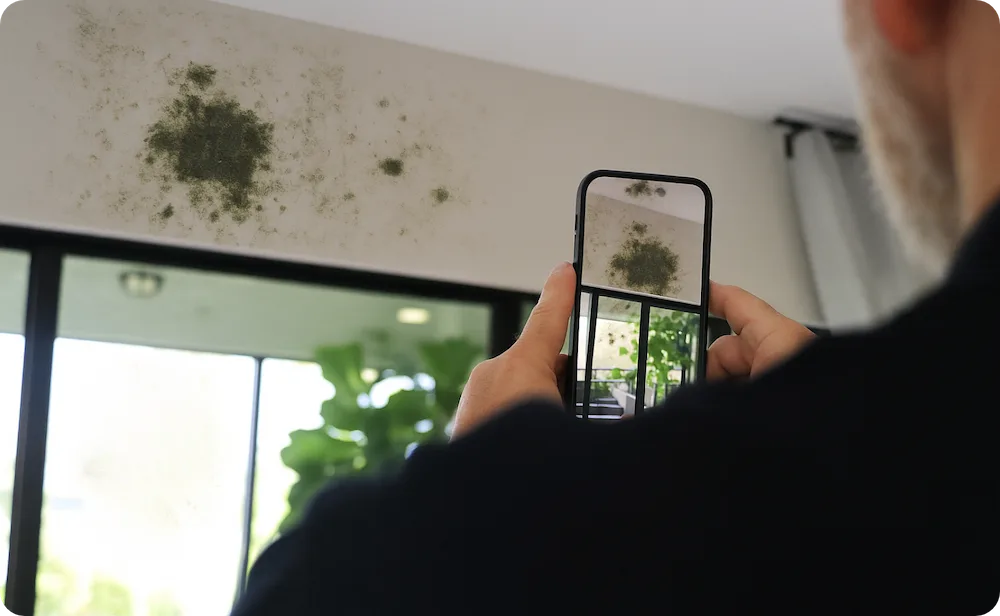
Mold may be visible, but some problems remain concealed until moisture damages surrounding materials. Warning signs can include:
Not every dark stain or odor confirms active mold growth. Moisture, dust, soot, corrosion, or deterioration can sometimes produce similar visible conditions. An assessment helps establish what is affected and what response is appropriate.
Mold problems begin with moisture. Fort Worth properties may experience water and humidity from sudden emergencies, concealed building problems, or recurring conditions that remain unresolved.
Supply lines, water heaters, washing machines, refrigerators, dishwashers, sinks, toilets, and plumbing inside walls can release water into surrounding materials. Slow leaks may remain concealed until odors, staining, or material deterioration appear.
Damaged roofing, flashing, vents, drainage components, or storm-created openings can allow moisture into attics, ceilings, insulation, and wall cavities.
Standing water may be removed while moisture remains beneath flooring or inside structural cavities. Materials that appear dry at the surface can still contain elevated moisture.
Condensation can form around HVAC equipment, refrigerant lines, windows, plumbing, and inadequately ventilated spaces. Recurring condensation should be corrected rather than repeatedly cleaning the resulting stains.
Roof leaks, inadequate ventilation, drainage issues, soil moisture, plumbing failures, and condensation can affect concealed framing, insulation, roof decking, and subfloor assemblies.
Customers commonly ask whether visible growth can be treated with bleach, paint, or a household cleaning product. A small amount of surface discoloration in a damp bathroom is different from mold affecting drywall, insulation, wood framing, flooring, or a concealed building cavity.
Surface treatment alone may be insufficient when:
Painting over visible growth does not correct the moisture source or address affected materials beneath the coating. Similarly, indiscriminate spraying or scrubbing can disturb contaminated material without controlling the surrounding work area.
If plumbing, roofing, drainage, or HVAC defects caused the moisture, an appropriate contractor may be required to complete those repairs before or alongside remediation.
The process begins with a review of visible conditions, affected materials, reported water history, accessibility, and possible moisture sources. The findings help establish the appropriate next steps and whether additional assessment is needed.
Technicians may use moisture meters, thermal imaging, visual inspection, and other professional methods to evaluate areas where water may have traveled. Locating the moisture source is essential because remediation without moisture correction leaves the underlying cause unresolved.
The work plan identifies affected areas, containment needs, materials requiring removal, cleaning methods, equipment requirements, and anticipated repairs.
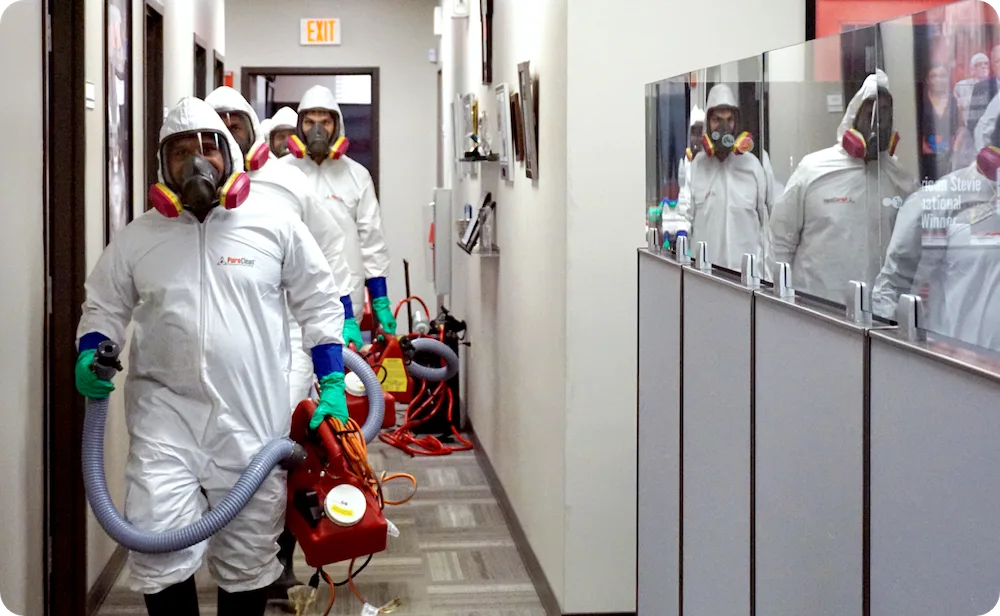
Containment can help separate the work area from unaffected portions of the property. Access may be controlled while affected materials are disturbed or removed.
Air-filtration devices may be used during remediation to help manage airborne particles within the controlled area. Placement and operation depend on the project scope and property layout.
Porous materials that cannot be appropriately cleaned or restored may require removal. Depending on their condition, these materials can include drywall, insulation, carpet padding, ceiling components, cabinetry, or flooring.
Salvageable structural materials and contents are cleaned using methods appropriate for the surface and contamination. Cleaning may include HEPA vacuuming and other detailed remediation procedures.
Damp materials are dried, and moisture conditions may be monitored before repairs proceed. Decisions should reflect measured conditions rather than surface appearance alone.
After remediation, removed drywall, insulation, flooring, trim, paint, or other finishes may need replacement. The repair scope depends on the extent of material removal and the original water damage.
Mold can develop anywhere moisture persists, but some property areas are particularly vulnerable:
Attics and crawl spaces require specialized attention because access is limited and moisture can affect structural materials without being visible from occupied rooms.
Attic mold may be associated with roof leaks, condensation, poor ventilation, bathroom exhaust discharged into the attic, or HVAC moisture. Affected materials can include roof decking, rafters, trusses, insulation, and ceiling components.
Visit our attic mold removal in Fort Worth page for additional information.
Crawl-space moisture can originate from plumbing leaks, exterior drainage, soil moisture, condensation, or damaged insulation. The condition may affect floor joists, subflooring, support members, insulation, and mechanical components.
Learn more about crawl-space mold remediation in Fort Worth.
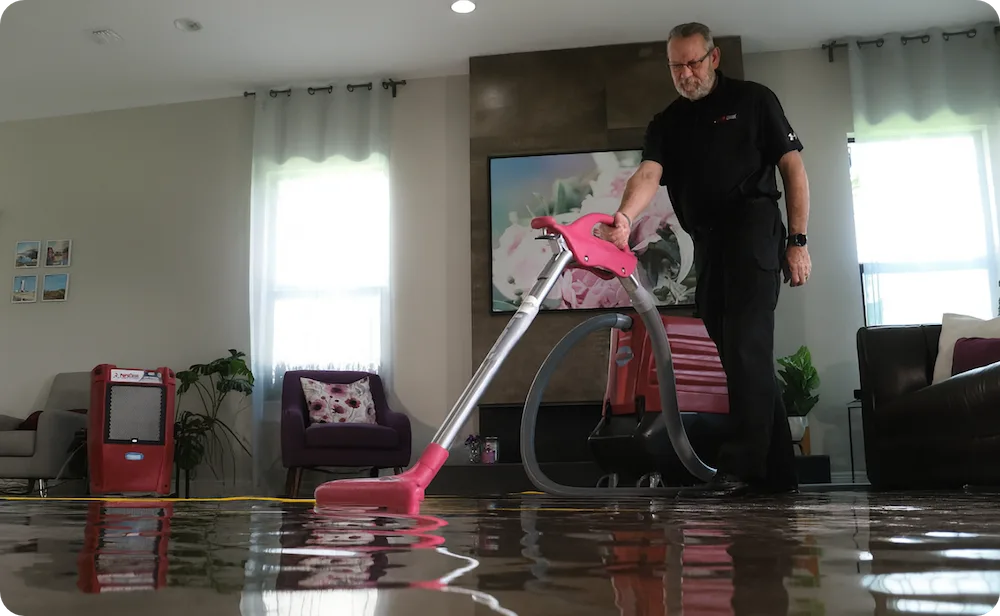
Mold remediation and water-damage restoration frequently overlap. Burst pipes, appliance failures, roof leaks, overflows, and storm intrusion can spread moisture into areas that are difficult to inspect without professional equipment.
Water mitigation may include:
If your property has recently experienced a leak, overflow, or flood, review our water damage restoration services in Fort Worth.
Residential remediation may involve bathrooms, kitchens, attics, crawl spaces, garages, utility rooms, bedrooms, or several areas affected by a water loss. PuroClean works with homeowners, landlords, tenants, and property representatives to explain the scope and remediation sequence.
Commercial mold remediation may require coordination around occupied areas, tenants, inventory, building schedules, mechanical systems, and business operations. Phased containment and carefully planned access can help reduce disruption while the affected areas are addressed.
PuroClean assists offices, apartments, retail properties, restaurants, warehouses, schools, healthcare facilities, and other managed buildings. Visit our commercial mold remediation in Fort Worth page for business-specific information.
There is no universal price for mold remediation. The cost depends on the actual property conditions and work required. An assessment is generally needed before an appropriate scope and estimate can be established.
| Cost Factor | How It Influences the Project |
|---|---|
| Affected area | A localized problem requires a different scope than contamination affecting multiple rooms or building levels. |
| Material type | Drywall, insulation, flooring, framing, cabinets, and contents require different cleaning or removal methods. |
| Accessibility | Attics, crawl spaces, concealed cavities, and mechanical areas can require additional controls and labor. |
| Containment | Containment quantity and configuration depend on the layout, occupancy, and remediation activities. |
| Moisture correction | Plumbing, roofing, HVAC, drainage, or exterior repairs may be required in addition to remediation. |
| Repairs | Replacing removed drywall, insulation, flooring, cabinets, trim, or finishes increases the overall scope. |
Mold remediation must be paired with correction of the moisture source. Otherwise, similar conditions may return after affected materials have been removed.
If odors, staining, or moisture return, the source should be reevaluated rather than repeatedly cleaning or repainting the surface.
Mold remediation is the controlled process of addressing affected materials and contributing moisture conditions. The phrase “mold removal” is commonly used, but it should not imply that every naturally occurring mold particle can be permanently eliminated from an indoor environment.
Yes. Plumbing leaks, roof intrusion, condensation, and previous water damage can affect wall cavities without immediately producing visible surface growth.
Painting over visible growth does not correct the moisture source or remediate affected materials. The underlying condition should be addressed before cosmetic repairs are completed.
Not necessarily. The decision depends on its condition, moisture exposure, extent of contamination, accessibility, and whether it can be appropriately cleaned and dried.
The timeline depends on the affected area, materials, accessibility, containment, moisture correction, drying requirements, and repairs. An assessment is needed to provide a project-specific expectation.
Coverage depends on the policy and cause of the moisture. Mold associated with a covered sudden water loss may be treated differently from long-term leaks, humidity, or maintenance problems. The insurance carrier determines coverage.
Yes. PuroClean assists offices, multifamily properties, retail spaces, restaurants, warehouses, schools, healthcare facilities, and other commercial properties.
Future growth remains possible if leaks, condensation, humidity, or another moisture source is not corrected. Moisture control is an essential part of the remediation strategy.
Testing may be appropriate depending on the property, extent of visible growth, project requirements, and applicable procedures. An assessment can help determine whether additional evaluation is warranted.
If you have discovered visible growth, persistent musty odors, or unresolved moisture in your Fort Worth home or business, avoid disturbing affected materials and arrange an assessment. PuroClean Property Restoration provides mold remediation, moisture evaluation, controlled material removal, cleaning, and restoration assistance throughout Fort Worth and surrounding communities.
Owned & Operated by Nilo Quiroz & John Villon
5035 Martin Luther King Jr Fwy, Fort Worth, TX, 76119
(817) 344-7202
 Arlington
Bisbee
Dalworthington Gardens
Edgecliff Village
Everman
Forest Hill
Fort Worth
Kennedale
Lindberg
Rendon
Sublett
Arlington
Bisbee
Dalworthington Gardens
Edgecliff Village
Everman
Forest Hill
Fort Worth
Kennedale
Lindberg
Rendon
Sublett
Water damage can result from unexpected leaks, flooding from storms, plumbing failures, or appliance malfunctions. Our certified teams focus on rapid water removal, drying, and stabilization to help prevent further damage and mold growth.
 Explore Our Water Damage Mitigation Services
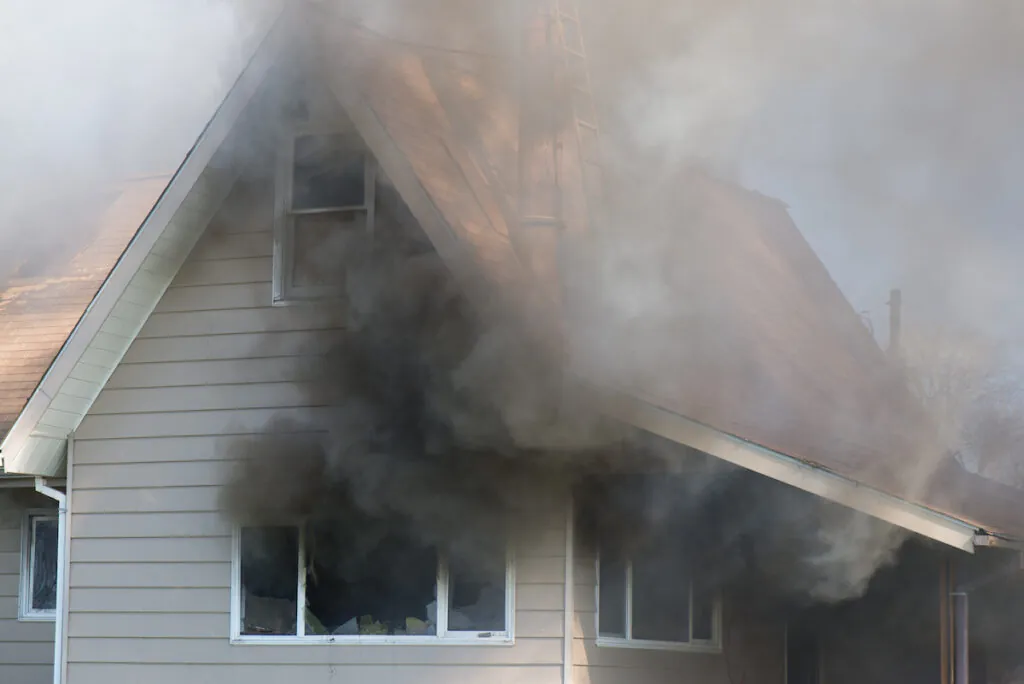
Even after a fire is extinguished, smoke, soot, and odor can continue to affect your home. Fire damage restoration services address visible damage while also helping reduce lingering effects that impact indoor air quality and surfaces.
Explore Our Fire and Smoke Damage Restoration Services
Mold often develops as a result of unresolved moisture or hidden water damage. Professional mold remediation helps identify affected areas, contain growth, and restore healthy indoor conditions.
Explore Our Mold Removal and Remediation Services
Biohazard situations, including crime scene cleanup and virus decontamination, require specialized cleaning and handling to protect health and safety. Biohazard cleanup services address contamination using proper protocols and professional care.
Explore Our Biohazard Cleanup Services
commercial damage restoration
Explore Our commercial damage restoration fort worth Services
Commercial biohazard cleanup in Arlington provides safe, professional removal of hazardous materials after incidents involving blood, bodily fluids, sewage contamination, trauma scenes, or other dangerous conditions. These situations require specialized cleaning methods, protective equipment, and strict safety protocols to protect occupants and restore safe conditions. PuroClean Property Restoration offers 24/7 emergency biohazard cleanup services for businesses, apartment complexes, offices, and commercial properties throughout Arlington and surrounding areas.
Explore Our Commercial Biohazard Cleanup Arlington Services
Water damage can result from unexpected leaks, flooding from storms, plumbing failures, or appliance malfunctions. Our certified teams focus on rapid water removal, drying, and stabilization to help prevent further damage and mold growth.
Explore Our Water Damage Mitigation Services
Find answers to common questions about our services
Mold returning after DIY remediation is likely if the underlying moisture problem is not. Professional remediation includes moisture control measures and post-remediation verification to reduce this risk significantly.
A small, contained project may take only a few days, while large-scale contamination can take weeks. The timeline depends on the extent of damage, materials affected, and whether reconstruction is required.
Mold remediation may require partial relocation or temporary closure of affected areas. Containment zones and HEPA air scrubbers minimize disruption, and many properties remain partially usable during the process
Professional technicians at PuroClean Property Restoration use tools such as moisture meters, infrared cameras, and air sampling to detect moisture where mold colonies may be found. Identifying hidden mold is critical, as untreated areas can continue to spread contamination.
Early indicators include musty odors, visible patches of discoloration on walls or ceilings, and unexplained allergy-like symptoms among occupants. Mold may also hide behind wallpaper, under flooring, or inside HVAC systems
What Our Customers Say:
When you need water damage restoration services near you, call the experts at PuroClean. We are here day or night, 24/7, to help remove any standing water quickly and begin your water restoration service. We monitor the drying process so you can rest assured that your property is dried thoroughly. We offer commercial water restoration services for businesses and residential water damage restoration for homeowners.

PuroClean Property Restoration
(817) 344-7202
5035 Martin Luther King Jr Fwy, Fort Worth, TX 76119


© 2026 PuroClean. All Rights Reserved.