24/7 Emergency Services For Water, Fire, Mold and Biohazard in Odor Removal Services Arlington
Professional odor removal in Arlington addresses persistent smells by identifying and treating their sources rather than temporarily covering them with fragrances. PuroClean Property Restoration provides property deodorization for homes, apartments, rental units, businesses, managed properties, and other buildings affected by cigarette smoke, fire and smoke residue, pet waste, sewage, water damage, hoarding conditions, biological contamination, and other difficult odors.
Effective deodorization begins with an inspection. Odors may originate in flooring, subflooring, drywall, insulation, cabinets, furnishings, HVAC components, or concealed moisture. Cleaning the air without addressing contaminated materials or the underlying source may provide only temporary improvement.
Professional odor removal is the inspection, cleaning, treatment, and restoration of areas affected by persistent odor sources. Depending on the property, the work may involve surface cleaning, removal of contaminated porous materials, contents cleaning, air filtration, controlled deodorization, sealing of appropriate cleaned surfaces, and repairs.
The correct treatment depends on:
No single deodorization method is appropriate for every property. A treatment that works for cooking odors may not be sufficient for long-term cigarette smoke, sewage, pet urine, or biological contamination.
Odor masking adds a fragrance that temporarily competes with the unwanted smell. Professional deodorization seeks to identify, remove, clean, or neutralize the material producing the odor.
| Approach | What it does | Likely limitation |
|---|---|---|
| Air freshener or fragrance | Temporarily covers an odor | The underlying source remains |
| Surface cleaning only | Removes accessible residue from selected surfaces | Odor may remain in porous or concealed materials |
| Source-based deodorization | Addresses affected materials, residue, contents, air, and contributing conditions | May require several cleaning or restoration steps |
A successful plan begins with source removal. Specialized air treatment should support—not replace—appropriate cleaning and removal of materials that cannot be restored.
Odors can arise from an isolated incident or develop slowly after repeated exposure. PuroClean evaluates odor concerns associated with:
Some odor sources may involve hazardous materials or unsafe conditions. Property owners should avoid disturbing suspected biohazards, sewage, chemical residues, or decomposition materials.
Professional evaluation may be appropriate when:
Unexplained odors can sometimes indicate an active plumbing, electrical, gas, moisture, pest, or mechanical problem. Contact the appropriate emergency service or qualified trade professional when those conditions are suspected.
The team gathers information about the odor source, duration, affected rooms, previous cleaning attempts, occupancy, ventilation, and known property damage. Accessible surfaces and materials are then evaluated.
Effective deodorization depends on finding what is producing or retaining the odor. The source may be visible, concealed beneath flooring, absorbed into porous materials, or distributed through several rooms.
The treatment plan identifies affected areas, salvageable materials, removal needs, cleaning methods, equipment, ventilation, access restrictions, and any necessary specialty contractors.
Waste, residue, contaminated contents, or porous building materials that cannot be restored may require controlled removal. Removing the source is often the most important deodorization step.
Accessible salvageable surfaces are cleaned using methods and products selected for the residue and material. Walls, ceilings, floors, trim, cabinets, fixtures, and other surfaces may require different procedures.
Furniture, textiles, window coverings, clothing, documents, and other contents may retain odors. Items are evaluated individually to determine whether cleaning, off-site treatment, or replacement is appropriate.
Air-filtration and deodorization equipment may be used when appropriate after source removal and cleaning. The method depends on the property, odor source, affected materials, occupancy, and safety requirements.
Some cleaned structural surfaces may require an appropriate odor-blocking coating when residue has penetrated deeply and the substrate can remain in place. Sealing should not be used to cover materials that still require cleaning or removal.
The treated areas are reviewed after cleaning and deodorization. Additional work may be recommended if odor remains in concealed materials or connected rooms.
Repeated indoor smoking can leave residue on walls, ceilings, cabinets, fixtures, flooring, upholstery, and other surfaces. Odor may persist because contamination is distributed throughout the property rather than confined to the room where smoking occurred.
A cigarette-smoke project may require:
For a detailed service-specific explanation, review PuroClean’s cigarette smoke odor removal in Arlington.
Fire-related odors differ from cigarette smoke because the residue depends on what burned, how the fire moved, the temperature, ventilation, and the materials affected. Smoke and soot may travel into rooms and contents beyond the visibly burned area.
Fire-related deodorization normally follows appropriate debris removal and soot cleaning. Applying fragrance or repainting before residue is addressed may leave contamination and odor beneath the new finish.
PuroClean’s fire and smoke damage restoration services address soot cleaning, smoke odor, affected contents, firefighting water, and related property damage.
Pet urine and animal waste can penetrate carpet, padding, wood flooring, subflooring, baseboards, drywall, and furniture. Surface cleaning may provide limited improvement when contamination has entered materials beneath the visible surface.
The appropriate scope may include:
Properties affected by significant waste contamination may require pet and animal-waste cleanup in Arlington in addition to deodorization.
A musty smell may indicate that moisture remains in drywall, insulation, flooring, cabinets, wall cavities, crawl spaces, or other concealed areas. Deodorization alone will not correct an active leak or dry wet building materials.
When odor follows a plumbing failure, storm, appliance leak, roof leak, or flood, water damage restoration may be required to locate moisture, remove standing water, dry affected materials, and address materials that cannot be restored.
If visible growth or a persistent moisture problem is discovered, the affected areas may require a separate mold assessment and remediation plan.
Hoarding and long-term property neglect can produce several overlapping odor sources, including spoiled food, accumulated waste, pet contamination, moisture, pests, sewage, and inaccessible building damage.
The property may need staged contents sorting, waste removal, cleaning, sanitation, deodorization, and repairs. Odor treatment should occur after the underlying sources are accessible and appropriately managed.
PuroClean provides compassionate hoarding cleanup services for properties requiring a coordinated recovery plan.
Odors associated with blood, bodily fluids, sewage, decomposition, or other biological materials require more than general cleaning. These situations can involve exposure risks and should not be handled without suitable training, protective equipment, and remediation procedures.
Biohazard deodorization begins with controlled removal of contaminated materials and detailed cleaning of salvageable surfaces. Air treatment supports the process after the physical source has been addressed.
Contact PuroClean’s biohazard cleanup team when persistent odor is associated with biological contamination or another sensitive cleanup situation.
Persistent odors can delay occupancy and complicate the sale or leasing of a property. Landlords, property managers, buyers, sellers, and real-estate professionals may request deodorization after smoking, pet contamination, long-term vacancy, water damage, tenant abandonment, or accumulated contents.
A pre-occupancy odor plan may include:
Painting, replacing carpet, or installing new flooring before evaluating the odor source may conceal affected materials without resolving the complete problem.
Persistent odors can affect customers, employees, tenants, residents, and normal business operations. Commercial deodorization may be needed in offices, apartment complexes, retail spaces, restaurants, hotels, warehouses, schools, healthcare properties, and managed buildings.
Commercial projects may require:
Businesses with odor concerns following property damage can review PuroClean’s commercial property damage restoration services.
Odors behave differently depending on the affected material. Some nonporous surfaces can be cleaned, while porous or deteriorated materials may retain residue below the surface.
| Material or area | Possible concern | Potential response |
|---|---|---|
| Walls and ceilings | Smoke, cooking residue, moisture, or absorbed odor | Cleaning, evaluation, and sealing when appropriate |
| Carpet and padding | Smoke, pet urine, sewage, or biological contamination | Cleaning or removal depending on penetration and source |
| Subflooring | Urine, sewage, or water-related odor beneath flooring | Inspection, cleaning, drying, sealing, or replacement |
| Cabinets and closets | Concentrated smoke or absorbed contents odors | Detailed cleaning and material evaluation |
| Furniture and textiles | Smoke, pet, food, or musty odors | Contents cleaning, off-site treatment, or replacement |
| HVAC components | Distribution of particles or odors between rooms | Evaluation by appropriate restoration and HVAC professionals |
Odor-removal costs depend on the source, extent, materials, access, contamination, and restoration requirements. A property inspection is more useful than a generic flat price because two similarly sized buildings can require very different treatment plans.
| Cost factor | Why it matters |
|---|---|
| Odor source | Smoke, urine, sewage, decomposition, and moisture require different procedures. |
| Affected area | A single room differs from contamination throughout an entire property. |
| Duration | Long-term exposure may allow residue to penetrate additional materials. |
| Material removal | Carpet, padding, drywall, insulation, or contents may require removal. |
| Contents | Furniture, textiles, clothing, and inventory may need individual evaluation. |
| Specialty treatment | Air filtration, deodorization equipment, or coatings may be required after cleaning. |
| Repairs | Removed building materials may require replacement or reconstruction. |
An estimate should distinguish between cleaning, contents work, material removal, deodorization, and reconstruction so the property owner understands the proposed scope.
Coverage depends on the cause of the odor and the policy. Deodorization associated with a covered fire, sudden water loss, sewage incident, or other insured event may be treated differently from long-term smoking, pet damage, maintenance issues, or ordinary wear.
The insurance carrier or adjuster determines coverage. Property owners should document the source, affected areas, related property damage, estimates, invoices, and restoration work.
PuroClean Property Restoration approaches persistent odors as property-restoration problems rather than simply adding fragrance to the affected space.
Many persistent odors can be substantially reduced or resolved when the source and affected materials are addressed correctly. Results depend on the source, duration, materials, accessibility, and whether contaminated materials can be cleaned or removed.
The source may remain beneath flooring, behind walls, inside cabinets, within contents, or in another concealed area. Humidity and temperature changes can also make residue-related odors more noticeable.
Painting before cleaning can trap residue beneath the new finish without addressing affected materials. Surfaces should be evaluated and cleaned before an appropriate coating is considered.
No. The decision depends on the odor source, contamination, carpet condition, padding, subflooring, and duration of exposure. Some carpet can be cleaned; other materials may require removal.
Accessible HVAC components may require evaluation when odors or particles have circulated throughout a building. Specialized duct or mechanical work should be completed by an appropriately qualified provider when necessary.
The timeline depends on the number of affected rooms, odor source, material removal, contents work, cleaning, drying, deodorization, and repairs. An inspection is required for a project-specific estimate.
It depends on the treatment method, odor source, contamination, equipment, and affected area. Some procedures require restricted access or temporary vacancy. Follow the project-specific safety instructions provided before treatment.
Air fresheners generally add fragrance but do not remove contaminated materials, smoke residue, urine, sewage, moisture, or other physical odor sources.
Yes. Apartments may require cleaning of walls, ceilings, cabinets, flooring, furnishings, and other affected materials before the next resident moves in.
Provide the Arlington property address, suspected odor source, affected rooms, how long the odor has been present, previous cleaning attempts, occupancy status, and any related fire, water, sewage, pet, or biological damage.
Owned & Operated by Nilo Quiroz & John Villon
5035 Martin Luther King Jr Fwy, Fort Worth, TX, 76119
(817) 344-7202
 Arlington
Bisbee
Dalworthington Gardens
Edgecliff Village
Everman
Forest Hill
Fort Worth
Kennedale
Lindberg
Rendon
Sublett
Arlington
Bisbee
Dalworthington Gardens
Edgecliff Village
Everman
Forest Hill
Fort Worth
Kennedale
Lindberg
Rendon
Sublett
Water damage can result from unexpected leaks, flooding from storms, plumbing failures, or appliance malfunctions. Our certified teams focus on rapid water removal, drying, and stabilization to help prevent further damage and mold growth.
 Explore Our Water Damage Mitigation Services
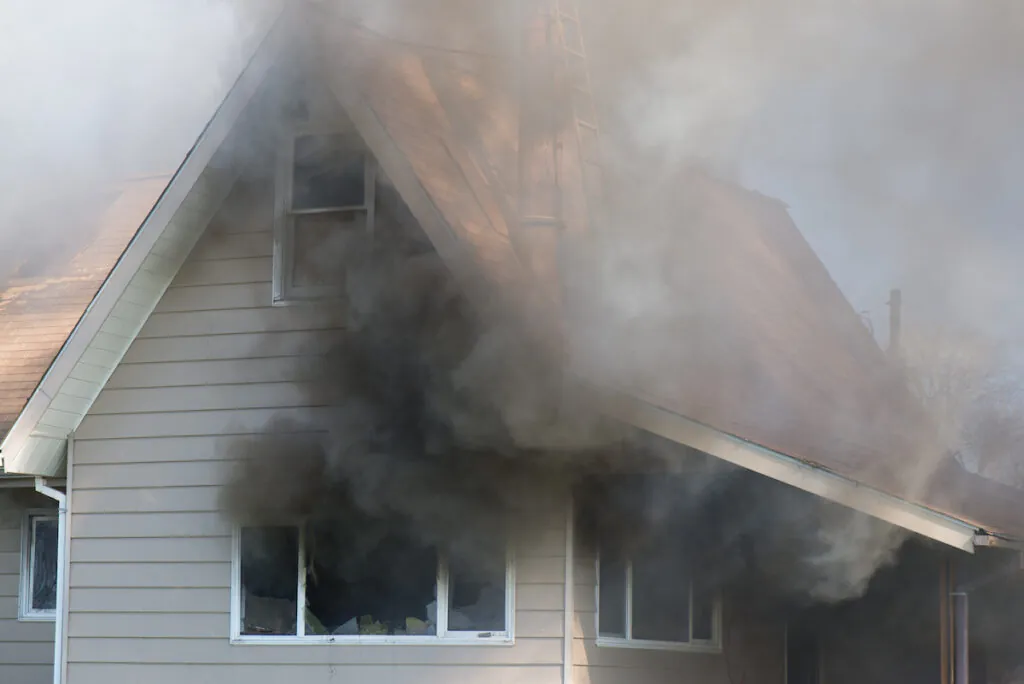
Even after a fire is extinguished, smoke, soot, and odor can continue to affect your home. Fire damage restoration services address visible damage while also helping reduce lingering effects that impact indoor air quality and surfaces.
Explore Our Fire and Smoke Damage Restoration Services
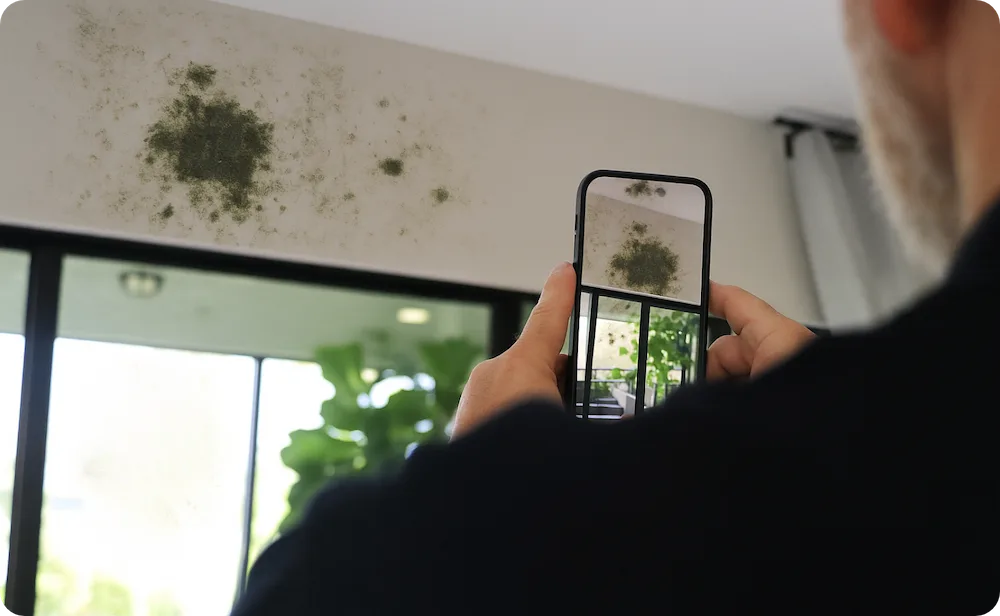
Mold often develops as a result of unresolved moisture or hidden water damage. Professional mold remediation helps identify affected areas, contain growth, and restore healthy indoor conditions.
Explore Our Mold Removal and Remediation Services
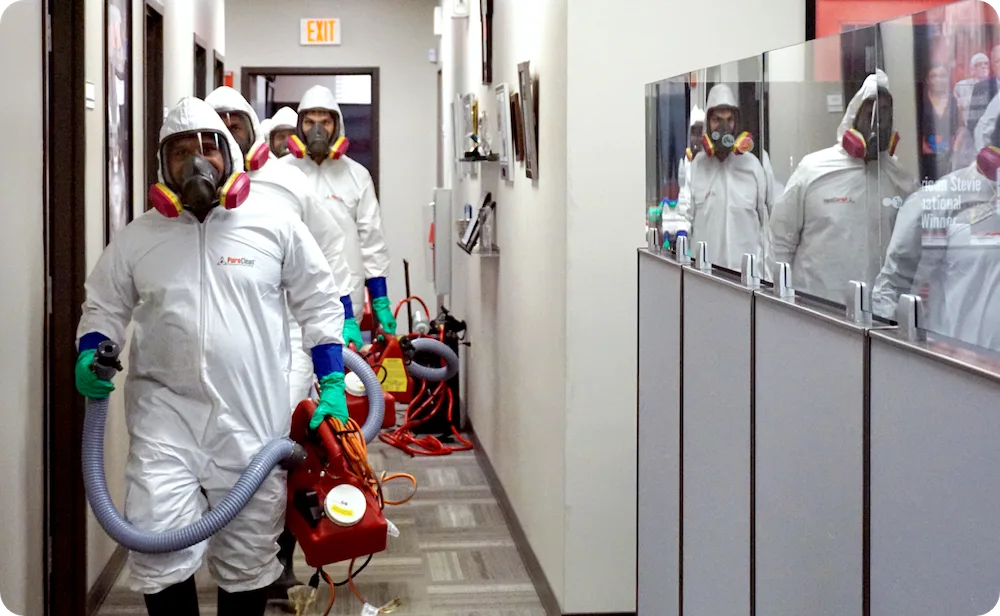
Biohazard situations, including crime scene cleanup and virus decontamination, require specialized cleaning and handling to protect health and safety. Biohazard cleanup services address contamination using proper protocols and professional care.
Explore Our Biohazard Cleanup Services
commercial damage restoration
Explore Our commercial damage restoration fort worth Services
Commercial biohazard cleanup in Arlington provides safe, professional removal of hazardous materials after incidents involving blood, bodily fluids, sewage contamination, trauma scenes, or other dangerous conditions. These situations require specialized cleaning methods, protective equipment, and strict safety protocols to protect occupants and restore safe conditions. PuroClean Property Restoration offers 24/7 emergency biohazard cleanup services for businesses, apartment complexes, offices, and commercial properties throughout Arlington and surrounding areas.
Explore Our Commercial Biohazard Cleanup Arlington Services
Water damage can result from unexpected leaks, flooding from storms, plumbing failures, or appliance malfunctions. Our certified teams focus on rapid water removal, drying, and stabilization to help prevent further damage and mold growth.
Explore Our Water Damage Mitigation Services
Find answers to common questions about our services
After emergency responders extinguish the fire and the scene is secure, your first two calls should be to your insurance company and a certified fire restoration provider, like PuroClean Property Restoration. Insurers require prompt reporting, and restoration professionals can begin mitigation immediately to prevent further loss. Quick action protects both safety and your ability to recover costs through your insurance policy.
Professional odor removal goes beyond surface cleaning. Techniques such as thermal fogging, hydroxyl generators, and ozone treatment chemically neutralize odor-causing molecules rather than masking them. These methods are selected based on the type of fire, the materials affected, and whether the property is occupied during restoration. Proper deodorization ensures odors do not return once the property is rebuilt.
Safety comes first. Do not re-enter the property until fire officials confirm it is safe to do so. Once cleared, a local, professional restoration company who will guide you through the process and assist in documentation for your insurance provider. Early steps such as securing the property, extracting water from firefighting efforts, and addressing soot damage help limit further loss and support your insurance claim.
In many cases, yes. Non-porous materials such as glass, metal, and stone often respond well to specialized cleaning. Porous items, including textiles, upholstery, and insulation, are more difficult and may need replacement. The sooner restoration begins, the better the chance of salvaging belongings, since soot and odor residues set deeper over time. Restoration professionals evaluate each item individually to determine whether cleaning or replacement is the best option.
The timeline varies significantly depending on the severity of the fire and the extent of damage. A contained fire in one room may take only a few days to clean and deodorize, while a larger structural fire that requires demolition, reconstruction, and content restoration can take several weeks or even months. The pace of restoration also depends on insurance approvals and the complexity of smoke or water damage.
What Our Customers Say:
When you need water damage restoration services near you, call the experts at PuroClean. We are here day or night, 24/7, to help remove any standing water quickly and begin your water restoration service. We monitor the drying process so you can rest assured that your property is dried thoroughly. We offer commercial water restoration services for businesses and residential water damage restoration for homeowners.

PuroClean Property Restoration
(817) 344-7202
5035 Martin Luther King Jr Fwy, Fort Worth, TX 76119


© 2026 PuroClean. All Rights Reserved.