24/7 Emergency Services For Water, Fire, Mold and Biohazard in Trauma Cleanup Fort Worth
Owned & Operated by Nilo Quiroz & John Villon
5035 Martin Luther King Jr Fwy, Fort Worth, TX, 76119
(817) 344-7202
 Arlington
Bisbee
Dalworthington Gardens
Edgecliff Village
Everman
Forest Hill
Fort Worth
Kennedale
Lindberg
Rendon
Sublett
Arlington
Bisbee
Dalworthington Gardens
Edgecliff Village
Everman
Forest Hill
Fort Worth
Kennedale
Lindberg
Rendon
Sublett
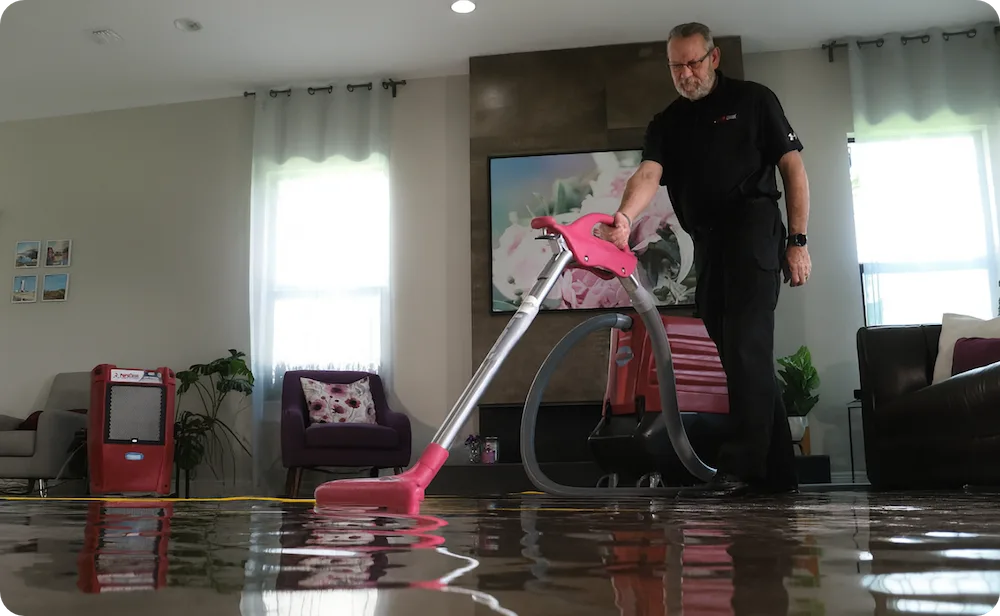
Water damage can result from unexpected leaks, flooding from storms, plumbing failures, or appliance malfunctions. Our certified teams focus on rapid water removal, drying, and stabilization to help prevent further damage and mold growth.
 Explore Our Water Damage Mitigation Services
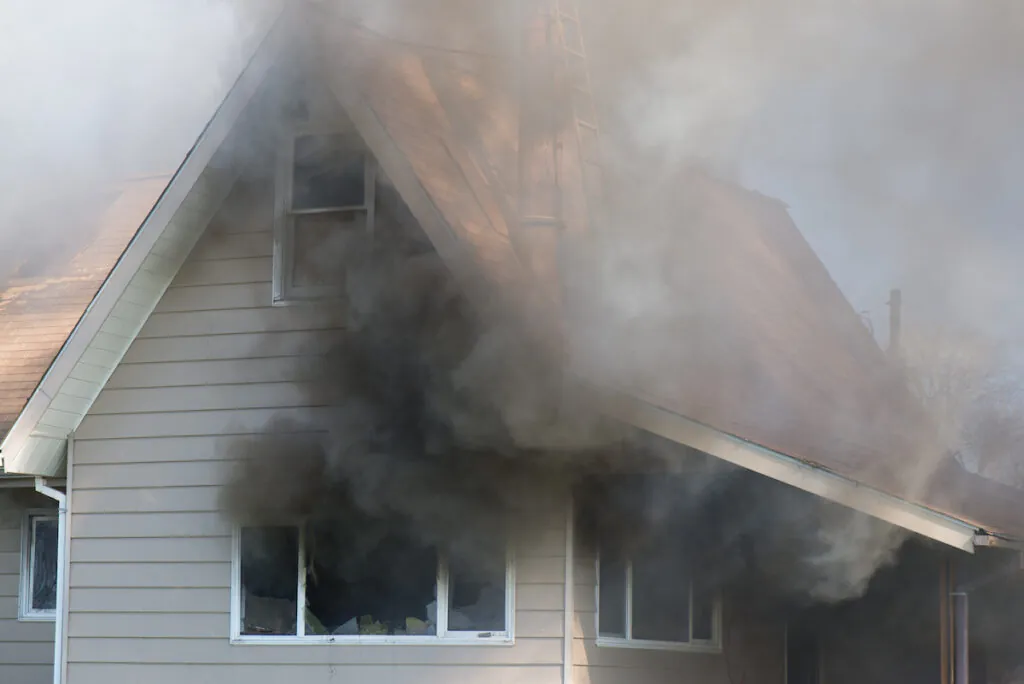
Even after a fire is extinguished, smoke, soot, and odor can continue to affect your home. Fire damage restoration services address visible damage while also helping reduce lingering effects that impact indoor air quality and surfaces.
Explore Our Fire and Smoke Damage Restoration Services
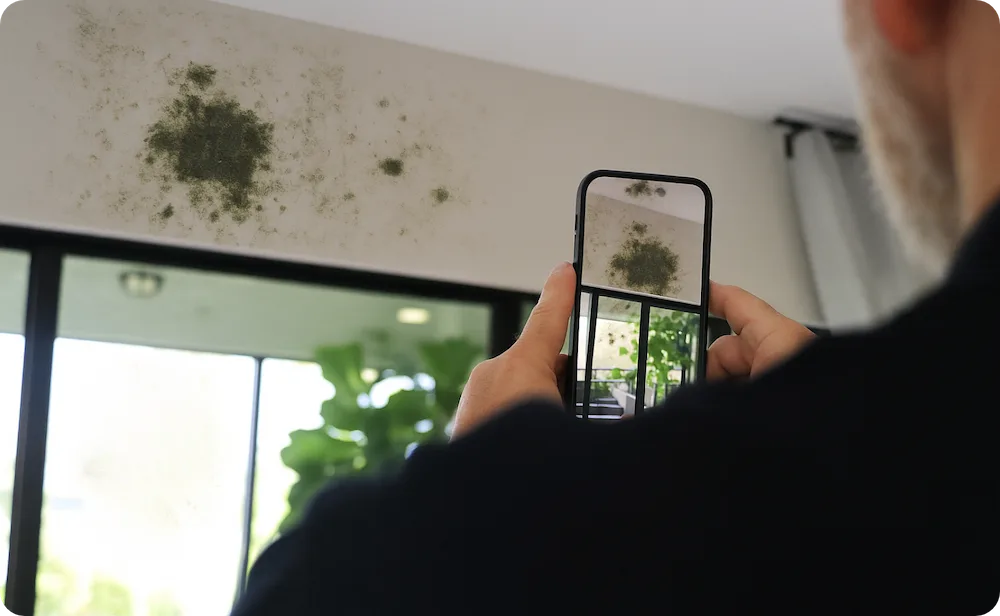
Mold often develops as a result of unresolved moisture or hidden water damage. Professional mold remediation helps identify affected areas, contain growth, and restore healthy indoor conditions.
Explore Our Mold Removal and Remediation Services
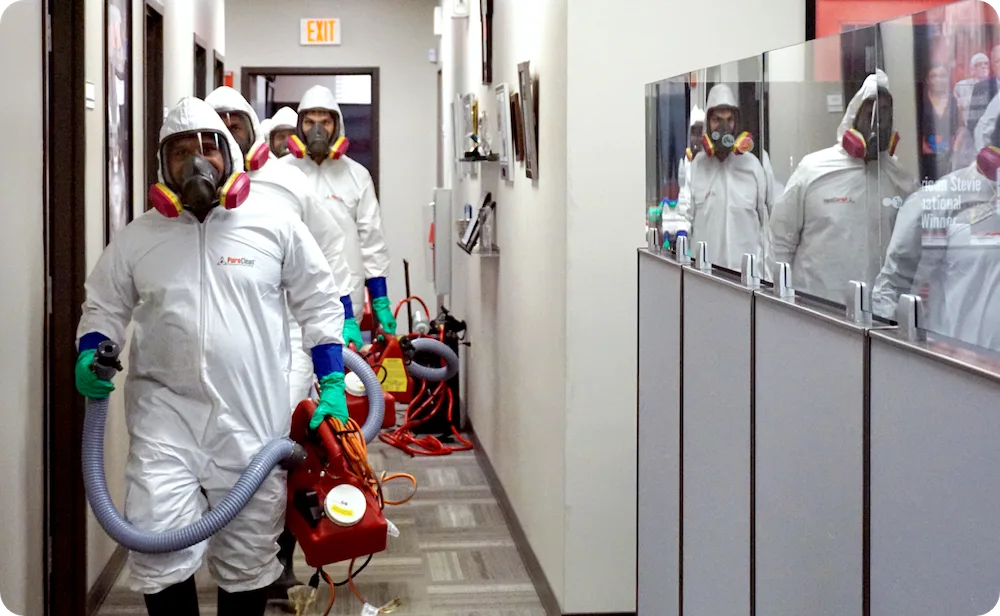
Biohazard situations, including crime scene cleanup and virus decontamination, require specialized cleaning and handling to protect health and safety. Biohazard cleanup services address contamination using proper protocols and professional care.
Explore Our Biohazard Cleanup Services
commercial damage restoration
Explore Our commercial damage restoration fort worth Services
Commercial biohazard cleanup in Arlington provides safe, professional removal of hazardous materials after incidents involving blood, bodily fluids, sewage contamination, trauma scenes, or other dangerous conditions. These situations require specialized cleaning methods, protective equipment, and strict safety protocols to protect occupants and restore safe conditions. PuroClean Property Restoration offers 24/7 emergency biohazard cleanup services for businesses, apartment complexes, offices, and commercial properties throughout Arlington and surrounding areas.
Explore Our Commercial Biohazard Cleanup Arlington Services
Water damage can result from unexpected leaks, flooding from storms, plumbing failures, or appliance malfunctions. Our certified teams focus on rapid water removal, drying, and stabilization to help prevent further damage and mold growth.
Explore Our Water Damage Mitigation Services
Find answers to common questions about our services
PuroClean Property Restoration offers a full suite of commercial restoration services, including water, fire, mold, biohazard, and storm damage recovery. We also provide emergency board-up, structural drying, and reconstruction services.
Our teams are equipped to manage both local and large-loss commercial projects with consistent quality, safety, and communication.
PuroClean Property Restoration regularly collaborates with insurance carriers, TPAs, and risk management teams to manage commercial property restoration claims. We provide detailed drying logs, scope documentation, and photo/video reporting for every project in Fort Worth, TX.
Our Certified Priority Response (CPR) Program ensures fast contact, on-site inspection within hours, and rapid reporting, meeting the timelines insurers and clients expect for large-scale commercial losses.
PuroClean Property Restoration handles nearly every commercial loss scenario, including commercial water damage restoration, fire and smoke damage, mold remediation, sewage cleanup, chemical spills, and biohazard decontamination.
We can also manage full reconstruction when structural repair is needed. Our national network allows us to scale from localized events to large-loss recovery, maintaining consistent quality and communication across every project.
Yes. Our commercial restoration services can be scheduled to accommodate any occupancy or business operation needs. Our top priority is always safety and excellent customer service, so you can count on PuroClean Property Restoration to work with your business to restore it to pre-loss conditions and help reduce business downtime.
The cost of commercial restoration depends on factors like the extent of damage, size, and complexity of the property, and whether reconstruction or contents cleaning is required. The category of water (clean vs. contaminated) and response time also impact cost.
PuroClean Property Restoration provides transparent estimates, detailed scopes, and proactive communication if additional work becomes necessary.
PuroClean Property Restoration offers a full suite of commercial restoration services, including water, fire, mold, biohazard, and storm damage recovery. We also provide emergency board-up, structural drying, and reconstruction services.
Our teams are equipped to manage both local and large-loss commercial projects with consistent quality, safety, and communication.
PuroClean Property Restoration regularly collaborates with insurance carriers, TPAs, and risk management teams to manage commercial property restoration claims. We provide detailed drying logs, scope documentation, and photo/video reporting for every project in Fort Worth, TX.
Our Certified Priority Response (CPR) Program ensures fast contact, on-site inspection within hours, and rapid reporting, meeting the timelines insurers and clients expect for large-scale commercial losses.
PuroClean Property Restoration handles nearly every commercial loss scenario, including commercial water damage restoration, fire and smoke damage, mold remediation, sewage cleanup, chemical spills, and biohazard decontamination.
We can also manage full reconstruction when structural repair is needed. Our national network allows us to scale from localized events to large-loss recovery, maintaining consistent quality and communication across every project.
Yes. Our commercial restoration services can be scheduled to accommodate any occupancy or business operation needs. Our top priority is always safety and excellent customer service, so you can count on PuroClean Property Restoration to work with your business to restore it to pre-loss conditions and help reduce business downtime.
The cost of commercial restoration depends on factors like the extent of damage, size, and complexity of the property, and whether reconstruction or contents cleaning is required. The category of water (clean vs. contaminated) and response time also impact cost.
PuroClean Property Restoration provides transparent estimates, detailed scopes, and proactive communication if additional work becomes necessary.
What Our Customers Say:
When you need water damage restoration services near you, call the experts at PuroClean. We are here day or night, 24/7, to help remove any standing water quickly and begin your water restoration service. We monitor the drying process so you can rest assured that your property is dried thoroughly. We offer commercial water restoration services for businesses and residential water damage restoration for homeowners.

PuroClean Property Restoration
(817) 344-7202
5035 Martin Luther King Jr Fwy, Fort Worth, TX 76119


© 2026 PuroClean. All Rights Reserved.