 PuroClean Home Savers
 Executive Summary
Columbus homeowners facing water damage must act within the first 24 hours to prevent permanent structural harm and mold colonization. This guide provides specific immediate actions including water shutoff, safety assessment, documentation, and professional response coordination. Local risks from Scioto River proximity, aging infrastructure, and seasonal storms require understanding of Category 1, 2, and 3 water classifications. Professional services provide extraction, structural drying, antimicrobial treatment, and insurance documentation that DIY methods cannot replicate. Delayed response transforms manageable cleanup into extensive remediation requiring wall removal, flooring replacement, and mold treatment.
What Are the First Three Actions You Must Take After Discovering Water Damage?
The moments immediately following water damage discovery determine whether you face a straightforward cleanup or a renovation nightmare. Columbus homeowners must prioritize safety, documentation, and professional response in that specific order.
First, assess safety before entering any flooded area. Water and electricity create lethal combinations. If water reaches electrical outlets, your breaker panel, appliances, or any wiring, stay out of the affected area. Shut off electricity to flooded rooms at your circuit breaker if you can do so without standing in water. If you cannot safely reach the breaker, call your utility company to disconnect power.
Standing water deeper than a few inches may hide structural hazards like collapsed flooring, sharp debris, or compromised supports. Contaminated water from sewage backups or external flooding contains bacteria, viruses, and chemicals that cause illness through skin contact or inhalation. Never wade through flood water without rubber boots, gloves, and knowledge of what the water contains.
Second, stop the water source if possible and safe to do so. A burst washing machine hose, overflowing toilet, or broken pipe can be stopped by shutting off the appliance’s supply valve or your home’s main water line. Locate these shutoffs before emergencies occur so you can act quickly when seconds count.
External flooding from storms or groundwater cannot be stopped directly, but you can prevent additional water entry by placing sandbags, deploying barriers, or redirecting drainage away from your foundation. These temporary measures buy time while you arrange professional response.
Third, document everything immediately with photos and videos. Your insurance claim depends on evidence showing the extent of damage before cleanup begins. Capture wide shots showing how far water spread and close-up images of damaged materials, belongings, and structural elements like baseboards, flooring, and walls.
Include time-stamped photos if your camera offers this feature. Record video while narrating what you see, describing water depth, affected rooms, and damaged items. This documentation proves invaluable if disputes arise about coverage or the scope of necessary repairs.
After addressing these three priorities, contact professionals immediately. Water damage progresses rapidly, and the window for preventing permanent damage closes within 24 to 48 hours. PuroClean Home Savers serves Columbus with emergency response teams that understand local challenges and can deploy within hours of your call.
Why Does Water Category Matter for Your Immediate Response?
Not all water damage requires the same response, and understanding water categories helps you protect your health while making informed decisions about what can be saved versus what must be discarded.
Category 1 water originates from sanitary sources like supply lines, faucets, or appliance water lines. This “clean water” poses minimal health risks initially, though it can degrade to Category 2 if it sits for over 48 hours or contacts contaminated surfaces. Broken supply pipes, overflowing sinks filled with clean water, and failed water heater tanks produce Category 1 water.
With Category 1 water, you can safely remove portable items from the affected area, lift furniture onto blocks to prevent absorption, and begin air circulation with fans if the volume is small. Professional drying remains important because clean water still damages structures and creates mold-friendly conditions, but immediate health threats are minimal.
Category 2 water contains significant contamination that can cause discomfort or illness if contacted or consumed. Washing machine discharge, dishwasher overflow, toilet overflow containing urine but not feces, and aquarium spills fall into this category. Category 2 water contains organic matter, chemicals, or microorganisms that require caution during handling.
Do not attempt DIY cleanup of Category 2 water without protective equipment including rubber boots, gloves, and eye protection. Items contacted by Category 2 water may need professional cleaning or disposal depending on porosity and contamination level. Porous materials like carpet padding often require replacement.
Category 3 water, called “black water,” contains pathogenic organisms, toxic chemicals, or highly unsanitary matter. Sewage backups, flooding from rivers or streams, rising groundwater, and toilet overflows containing feces create Category 3 conditions. This water requires professional remediation with proper personal protective equipment, containment barriers, and disposal protocols.
Never enter areas flooded with Category 3 water. The health risks include severe gastroenteritis, hepatitis, wound infections, and respiratory illness. All porous materials contacted by Category 3 water require disposal. Even non-porous surfaces need extensive sanitization following strict protocols.
Understanding these categories helps you communicate effectively with insurance adjusters and restoration professionals. The category determines cleanup methods, what can be saved, costs, and health precautions necessary throughout the process.
What Safety Equipment Do You Actually Need Before Starting Any Cleanup?
Even when you plan to call professionals, you may need to enter affected areas to retrieve valuables, shut off utilities, or document damage. Proper protective equipment prevents illness and injury during these brief exposures.
Rubber boots with good tread provide essential protection. Water-damaged floors become slippery, and standing water hides sharp debris, nails, or broken materials. Boots should rise at least to mid-calf to keep feet dry when walking through shallow water. Regular shoes, even when waterproof, do not provide adequate protection from contaminated water or sharp objects.
Heavy-duty rubber gloves rated for chemical resistance protect your hands during any contact with flood water or damaged materials. Disposable nitrile gloves work for brief, clean water exposure, but reusable rubber gloves prove more practical and protective for extended work or contaminated conditions.
Eye protection prevents splashing water from entering your eyes during cleanup activities. Safety glasses or goggles become essential when moving items, operating equipment, or working in areas where you might contact overhead dripping or splashing.
N95 respirators protect against mold spores and airborne contaminants disturbed during cleanup. Standard dust masks provide insufficient protection. Proper N95 masks filter 95 percent of airborne particles when correctly fitted. If you smell mold or notice visible growth, respiratory protection becomes mandatory.
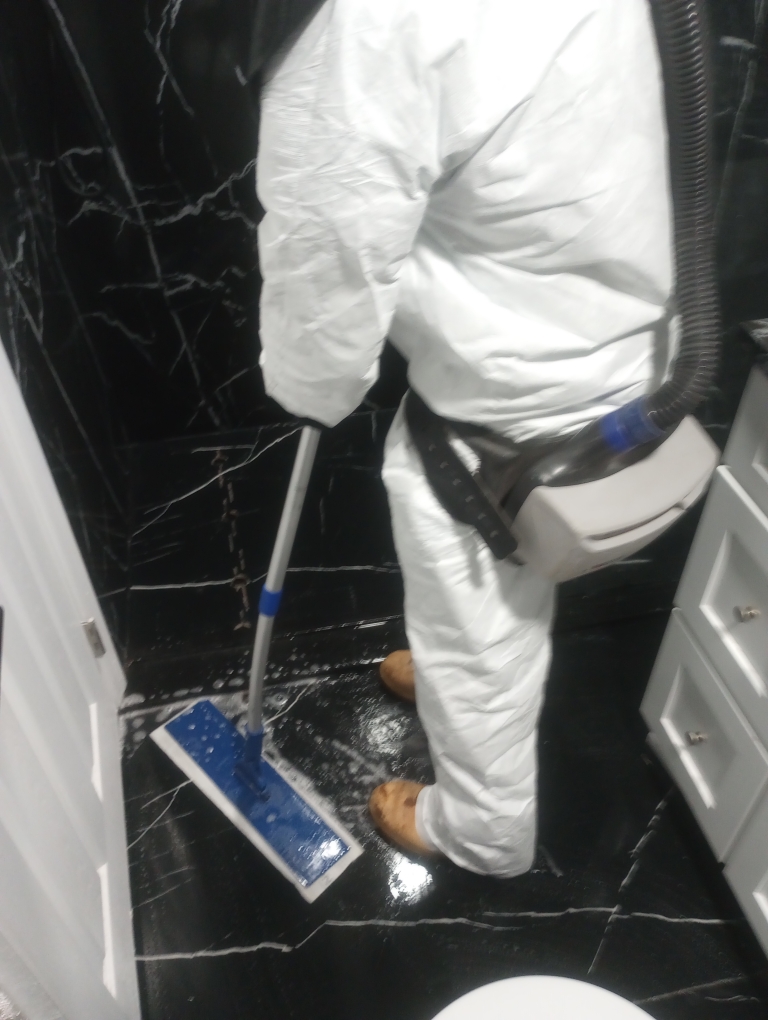
For Category 3 water situations, you need comprehensive personal protective equipment including full-body coveralls, face shields, and potentially professional-grade respirators. These scenarios truly demand professional response rather than homeowner intervention.
Keep a safety kit accessible in your home with these items so you have immediate protection when water damage occurs. Attempting cleanup without proper equipment exposes you to health risks that far outweigh any time or money saved by avoiding professional help.
How Quickly Should You Call Professional Flood Cleanup Services?
The speed of your response directly correlates with total damage costs and restoration complexity. Understanding the progression of water damage helps you appreciate why immediate professional contact matters.
Within the first hour, water spreads rapidly through wicking, absorption, and gravity flow. Drywall begins absorbing water from the bottom up. Carpet and padding become saturated. Wood flooring starts cupping at the edges. Every minute that passes allows water to affect additional square footage and penetrate deeper into structural materials.
By hour four, staining begins on furniture, walls, and ceilings. Metal components start corroding. Photographs, books, and paper goods swell and begin deteriorating. Dyes from fabrics and rugs bleed onto adjacent materials. Strong odors develop from wet building materials and contents.
At 24 hours, mold and bacteria begin growing. The musty smell that characterizes water damage intensifies. Drywall swells and begins crumbling. Wood flooring warps noticeably. Paint bubbles and peels. Any Category 1 water sitting for 24 hours degrades to Category 2 due to microbial growth.
Between 24 and 48 hours, mold growth accelerates and becomes visible in favorable conditions. Structural wood can begin rotting. Metal corrosion advances. Humidity spreads throughout the home, affecting areas that never contacted water directly. The cost and complexity of restoration increases substantially.
Beyond 48 hours, serious structural damage occurs. Load-bearing wood members weaken. Mold requires professional remediation rather than simple cleaning. Many materials cannot be saved and require replacement. Restoration timelines extend to weeks rather than days.
This timeline explains why you should call PuroClean Home Savers at (614) 689-0012 the moment you discover water damage, not after you assess whether it seems serious. Professional equipment and expertise deployed within the first few hours prevent the progression that transforms minor incidents into major disasters.
Columbus homeowners sometimes hesitate because they worry about false alarms or unnecessary costs. Professional restoration companies perform free assessments and work directly with insurance on covered losses. Making the call commits you to nothing except getting expert evaluation of your situation.
What Specific Challenges Do Columbus Homeowners Face With Water Damage?
Understanding local factors that influence water damage helps you anticipate problems and respond appropriately to your specific situation. Columbus presents unique challenges that affect both damage occurrence and restoration approaches.
The Scioto River and numerous tributaries create flood risks in low-lying neighborhoods. Spring storms combined with snowmelt produce rapid water level increases that overwhelm drainage systems. Properties in flood zones face recurring risks that require enhanced prevention and rapid response capabilities. Aging housing stock in established Columbus neighborhoods includes homes built before modern waterproofing standards. Foundation walls constructed with porous block or stone allow groundwater intrusion. Clay tile drain systems deteriorate and collapse. Cast iron plumbing corrodes from the inside, leading to sudden failures after decades of service.
The local soil composition includes clay-heavy areas that drain poorly. During wet seasons, saturated ground creates hydrostatic pressure against foundation walls. Homes without proper drainage systems or functional sump pumps experience basement flooding during conditions that never affect neighboring properties on slightly higher ground.
Power outages during severe storms leave sump pumps non-functional when homes need them most. Columbus experiences thunderstorms with high winds that knock out electricity for hours or days. Battery backup systems provide essential protection but require maintenance and testing that many homeowners neglect until failure occurs.
Hard water and mineral deposits common in Central Ohio create buildup in pipes, water heaters, and appliances that increase failure risk. Sediment accumulation weakens tanks and corrodes connections. Regular maintenance prevents many failures, but even well-maintained equipment eventually reaches end of life and fails, often at the worst possible times.
Development patterns affect drainage in unexpected ways. New construction changes water flow patterns across neighborhoods. Properties that never flooded historically may face new risks as retention ponds fill, drainage ditches overflow, or impervious surfaces direct water along new paths.
These local factors mean Columbus homeowners cannot simply apply generic water damage advice. Professional restoration companies familiar with regional challenges provide guidance specific to your property’s location, construction, and risk profile.
A Real Story: The Cost of Waiting Until Morning
Michael discovered water in his German Village basement at 10 PM on a Tuesday after hearing a loud pop from his water heater. He found two inches of standing water spreading across the basement floor. The water heater had suffered a catastrophic tank failure, dumping 50 gallons instantly with more flowing from the supply line until he found the shutoff valve.
Michael turned off the water, used towels to soak up what he could around valuable items, and set up two fans he owned. He planned to call restoration companies in the morning to get estimates, assuming his immediate actions had addressed the emergency.
By morning, water had wicked 18 inches up his drywall. The engineered hardwood flooring he had installed two years earlier showed cupping at every seam. His wife noticed a musty smell, and when Michael touched the walls, he felt dampness in areas that looked completely dry.
The restoration company he finally called at 9 AM explained that his two fans could not create the airflow needed to dry wall cavities, subfloors, and structural framing. The 11 hours between the failure and professional response had allowed moisture to spread throughout the basement structure.
Professional assessment with moisture meters revealed readings of 28 percent in the drywall, 35 percent in the wall studs, and 42 percent in the subfloor. Normal readings fall below 15 percent. The technician explained that Michael needed immediate deployment of commercial drying equipment and likely faced drywall replacement in affected areas.
The restoration took seven days with 18 air movers and four commercial dehumidifiers running continuously. They removed the bottom two feet of drywall throughout the basement to allow proper drying of the wall cavities. The hardwood flooring required complete replacement. The final cost reached $23,000, of which Michael paid a $2,500 deductible.
Later, the restoration manager told Michael that calling immediately at 10 PM would have allowed equipment deployment by midnight. The water heater failure would have required replacement regardless, but rapid drying could have saved the hardwood flooring and prevented the need for extensive drywall removal. The cost would have been roughly $8,000 instead of $23,000.
Michael’s lesson resonates with many homeowners. “I thought I was being reasonable by waiting until morning. I had no concept that water could spread so far through materials I couldn’t see. If someone tells you to call immediately, they mean immediately, not when it is convenient.”
What Should You Remove From Water-Damaged Areas Immediately?
While you wait for professional help to arrive, removing certain items from wet areas prevents additional damage and demonstrates good faith mitigation efforts that insurance companies expect.
Electronics and appliances should be unplugged and moved to dry locations immediately if you can do so safely. Water and electricity create dangerous combinations, and electronics continue drawing power even when switched off if they remain plugged in. Computers, televisions, gaming systems, and small appliances face permanent damage from moisture exposure even if they never contact standing water directly.
Important documents require immediate attention. Birth certificates, passports, financial records, and irreplaceable papers should be carefully removed, blotted gently with clean towels, and laid flat to air dry in a dry location. Fanning documents individually and providing air circulation prevents pages from sticking together. Professional document drying services exist for valuable or extensive collections, but immediate removal from wet areas is critical.
Medications and medical supplies need protection from moisture and contamination. Move prescriptions, first aid supplies, and medical equipment to dry storage. Flooded medications may require replacement, so document what was affected for insurance purposes.
Area rugs and small carpets should be taken outside or to dry areas. Rolling them while wet traps moisture and accelerates deterioration, so lay them flat if possible or hang them to promote air circulation. Professional cleaning may be required depending on water category, but removing them from wet floors is the immediate priority.
Furniture that can be lifted onto blocks prevents continued moisture absorption through legs and bases. Use wood blocks, bricks, or metal stands to elevate pieces above wet flooring. This action demonstrates mitigation efforts and may allow furniture to be saved rather than replaced.
Artwork, photographs, and collectibles require careful handling. Do not remove photographs stuck to glass in frames, as this can destroy images. Instead, remove the entire frame and lay it flat to dry. Valuable artwork needs professional restoration, but removing it from wet environments immediately prevents additional damage.
What should you leave in place? Large furniture that cannot be safely lifted, built-in cabinets, and anything attached to walls or floors should remain for professional assessment. Attempting to disconnect or move heavy items risks injury and may cause additional damage.
How Do You Document Water Damage for Insurance Without Delaying Cleanup?
Insurance claims require evidence, but documentation should not prevent you from beginning mitigation. Understanding what adjusters need and how to provide it efficiently protects your claim without endangering your home.
Photograph the water source if identifiable and safe to access. Capture images of burst pipes, failed appliances, overflowing drains, or other origins of flooding. These photos establish causation, which affects coverage determinations.
Take wide-angle shots of each affected room showing the full extent of water spread. Stand in doorways to capture entire rooms. Include reference points like doorways, furniture, or walls that show water height and coverage. These establish scope.
Capture close-up images of damaged materials including flooring, baseboards, drywall, and any visible staining or swelling. Photograph damaged belongings with identifying details visible. These document specific losses.
Include time and date stamps if your camera or phone supports this feature. Sequential numbering helps organize documentation chronologically. Many adjusters prefer video walkthroughs where you narrate what you see while recording, as this provides context that still photos cannot capture.
Do not delay calling professionals while you photograph. Take initial documentation quickly, within 15 to 30 minutes, then contact restoration services. You can photograph additional details while waiting for their arrival or after they begin working if you discover additional damage.
Professional restoration companies photograph extensively as part of their process. Their documentation includes moisture readings, equipment placement, daily progress, and final verification. This professional documentation strengthens your claim and provides technical detail beyond what homeowner photos typically capture.
Create a written inventory of damaged items with descriptions, approximate purchase dates, and replacement values. Receipts prove value but are not always required. Credit card statements, online purchase histories, and photos showing items in use before damage occurred all support claims.
Keep all receipts for any emergency purchases you make, including tarps, fans, cleaning supplies, temporary lodging, or meals if you cannot safely occupy your home. Insurance may reimburse these mitigation expenses even if they exceed your deductible.
What Equipment Should You Use While Waiting for Professionals?
If professional help cannot arrive immediately, proper use of consumer equipment can slow damage progression without interfering with eventual professional restoration.
Move air with fans, but use them correctly. Point fans at wet walls and flooring, not just into the room. Create cross-ventilation by opening windows on opposite sides of affected areas if outdoor humidity is lower than indoor humidity. Running fans in humid conditions or pointing them randomly provides minimal benefit.
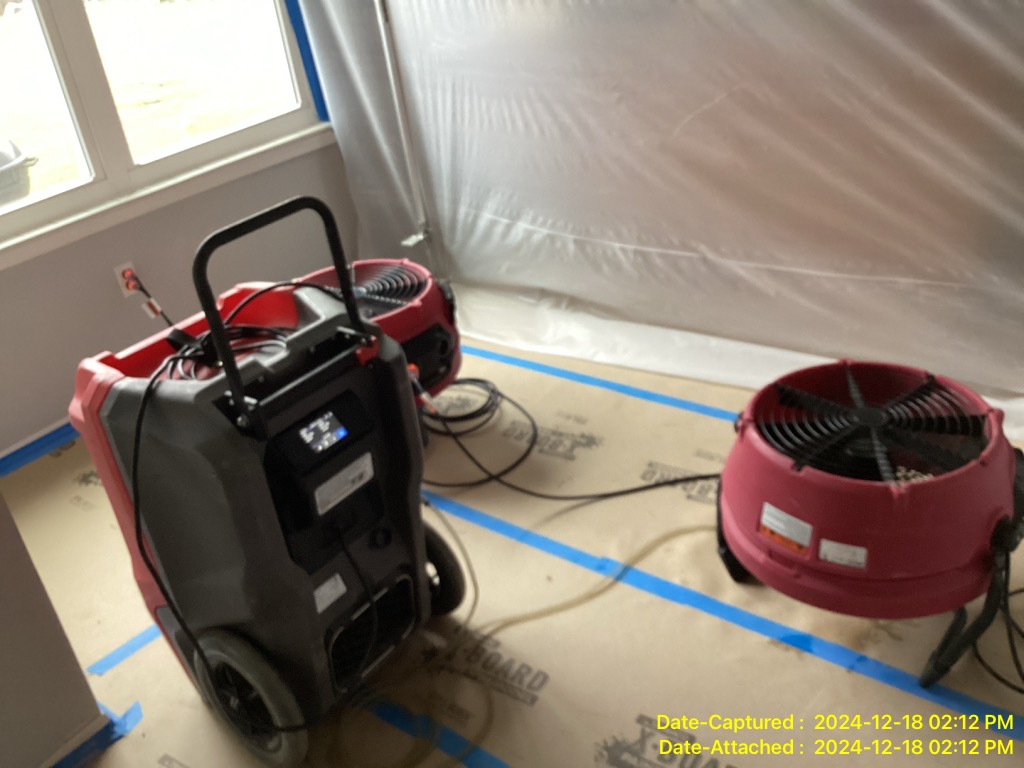
Consumer dehumidifiers help if you own one, but understand their limitations. A typical 50-pint residential dehumidifier might run continuously in a wet basement with minimal impact because it cannot keep up with moisture evaporation from saturated materials. Still, some moisture removal proves better than none while you wait.
Wet-dry vacuums can extract standing water from hard surfaces and low-pile carpet if you own one. Make multiple passes, emptying the vacuum frequently. This equipment cannot extract water from deep carpet padding or remove moisture that has absorbed into subflooring, but removing surface water helps.
Avoid using heat to dry water-damaged areas. Turning up your thermostat or using space heaters may seem logical but can accelerate mold growth by creating warm, humid conditions ideal for spores. Heat also can set stains and damage wood flooring through rapid drying that causes warping.
Do not use bleach on porous surfaces or to clean up black water. Bleach does not penetrate porous materials like wood or drywall to kill mold in deep colonization. It also can react dangerously with other chemicals present in contaminated water. Professional antimicrobial treatments target specific organisms without creating hazardous conditions.
Remove wet insulation if you can access it safely. Soaked insulation loses effectiveness and provides ideal conditions for mold growth. Bag it and remove it from the structure. This material almost always requires replacement, so removing it immediately improves drying conditions.
Position consumer equipment strategically but understand that it provides temporary help while you arrange professional response, not a substitute for industrial drying equipment. The goal is preventing damage progression, not completing restoration yourself.
When Should You Worry About Structural Safety After Water Damage?
Certain water damage scenarios create immediate safety concerns that require evacuating your home and contacting structural engineers or building officials in addition to restoration professionals.
Ceiling sagging or bulging indicates trapped water that may cause collapse. Water-soaked drywall or plaster becomes extremely heavy, and ceiling joists may fail under loads they were never designed to support. Evacuate rooms below sagging ceilings immediately and do not return until professionals assess safety.
Visible cracks in foundation walls or floors suggest structural movement. Water entering through these cracks indicates serious integrity issues requiring engineering assessment before restoration proceeds. Worsening cracks during or after flooding may signal catastrophic failure risks.
Soft or spongy flooring feels unstable underfoot because subfloor materials or joists have deteriorated from moisture exposure. This condition creates fall risks and suggests extensive hidden damage. Weight-bearing floors showing these symptoms need immediate professional evaluation.
Standing water more than six inches deep throughout a basement creates hydrostatic pressure against foundation walls from inside in addition to pressure from outside. This unusual load distribution can cause walls to bow, crack, or fail. Professional extraction should occur as quickly as possible to relieve this pressure.
Electrical buzzing, sparking, or burning smells near water damage indicate dangerous conditions requiring immediate utility shutoff and licensed electrician inspection before anyone enters affected areas. Water and electricity create lethal hazards that outweigh any property concerns.
Sewage backups affecting large areas or main living spaces pose health hazards requiring evacuation until professional sanitization completes. Category 3 water contains pathogens causing serious illness, especially to children, elderly household members, or anyone with compromised immune systems.
If you observe any of these conditions, leave the affected areas, contact emergency services if there is immediate danger, and call structural professionals in addition to restoration companies. Your safety takes absolute priority over property concerns.
What Role Does Your Sump Pump Play in Preventing and Responding to Flooding?
Sump pumps represent your primary defense against basement flooding from groundwater, yet many Columbus homeowners do not understand how they work, when they fail, or how to maintain them properly.
Sump pumps sit in pits below your basement floor that collect groundwater entering through foundation drains or natural soil percolation. When water fills the pit to a specific level, a float switch activates the pump, which discharges water away from your foundation through pipes exiting above ground at least 10 to 20 feet from your home.
Pump failure causes predictable flooding. Motors burn out after years of service. Float switches stick in the off position due to debris or mechanical wear. Discharge pipes freeze in winter if not properly insulated or sloped. Power outages during storms leave pumps non-functional when you need them most.
Testing your sump pump quarterly takes five minutes and can prevent catastrophic flooding. Pour water into the pit until the float rises and activates the pump. Verify that water discharges through the exit pipe. Listen for unusual noises suggesting worn bearings or motor problems. Confirm the discharge point directs water away from your foundation, not back toward it.
Battery backup systems provide protection during power outages. These systems use a separate pump powered by a deep-cycle battery that charges continuously while grid power is available. When power fails, the battery pump activates automatically. Backup systems cost $500 to $1500 but prevent thousands in flood damage during a single event.
Battery backup requires annual maintenance including checking battery charge capacity, testing pump operation, and confirming proper switching between primary and backup pumps. Batteries typically last three to five years before requiring replacement.
Consider water-powered backup pumps as an alternative. These use municipal water pressure to create a venturi effect that moves water from the pit. They require no electricity or batteries but consume treated water and work only where municipal pressure is adequate. Building codes in some areas prohibit this option.
If your sump pump fails and flooding begins, you cannot fix the pump while standing in water. Shut off power to the basement at your main breaker, evacuate the area, and call professionals immediately. Emergency plumbing services can sometimes provide temporary pumps while you arrange permanent repairs.
How Long Can You Safely Wait Before Starting Cleanup?
The biological clock of water damage provides clear guidance on maximum response times before damage becomes severe and health hazards emerge.
Extraction of standing water should begin within four hours if possible. Every hour standing water remains allows deeper penetration into porous materials, spread to additional areas, and increased damage to contents and structural materials. Immediate extraction within the first hour produces optimal outcomes.
Structural drying equipment deployment should occur within 24 hours maximum. This is not a guideline but a deadline based on mold biology. Spores need 24 to 48 hours of moisture exposure to germinate and begin colonizing materials. Equipment running within 24 hours creates conditions that prevent or minimize growth.
Category 2 water demands even faster response. The organic matter and chemicals present accelerate material deterioration and health risk escalation. Twelve-hour response represents a reasonable maximum before conditions seriously worsen.
Category 3 water requires immediate professional response, ideally within hours. The pathogens present begin multiplying rapidly in favorable conditions. Contaminated materials cannot be saved and require disposal following proper protocols. Delaying response increases health risks to occupants and restoration workers.
Weekends and holidays do not pause damage progression. Water does not wait for Monday morning or for you to return from vacation. True emergency restoration companies operate 24/7, 365 days per year specifically because water damage demands immediate response regardless of timing.
If you discover water damage but cannot immediately address it due to safety concerns, ongoing flooding, or other legitimate obstacles, at least stop the water source if possible, document the damage thoroughly, and notify your insurance company immediately. Explain why response is delayed and what steps you are taking to address the situation as quickly as safety allows.
What Information Should You Give to Restoration Professionals When You Call?
Clear communication helps restoration companies respond appropriately with the right equipment and adequate personnel. Providing specific information during your initial call improves response quality.
Describe the water source if known. A burst pipe requires different response than a sewer backup or roof leak. If you do not know the source, explain what you observe and where water is appearing.
Estimate the affected area in square feet or by describing rooms involved. A bathroom overflow affecting 100 square feet differs significantly from a finished basement flood covering 1,000 square feet. Crews bring equipment sized for the scope of damage.
Specify water depth if standing water remains. Inches of standing water require powerful extraction equipment, while scenarios where you removed surface water but structures remain wet need drying equipment primarily.
Identify the water category if you can determine it. Clearly state if sewage is involved, if water appears contaminated, or if the source was clean supply water. This affects crew preparation, required safety equipment, and sanitization protocols.
Mention any immediate safety concerns including electrical hazards, structural damage, ceiling sagging, or contamination. This information allows companies to bring appropriate safety equipment and notify relevant utilities or authorities if necessary.
Provide your insurance information including company name and policy number if you plan to file a claim. Many restoration companies work directly with insurers and can coordinate with adjusters from the initial response.
Explain any access challenges including security systems, gate codes, pets, or occupants with special needs. This preparation prevents delays when crews arrive.
When you call PuroClean Home Savers at (614) 689-0012, trained staff will ask appropriate questions to ensure proper response. Answer honestly and completely even if some details seem embarrassing or if you worry about judgment. Restoration professionals have seen every possible scenario and focus on solutions, not criticism.
Frequently Asked Questions
Can I use regular household fans to dry water damage while I wait for professional help?
Regular fans provide some benefit by moving air across wet surfaces, but they lack the velocity and volume of commercial air movers. Position them to point at wet walls and flooring rather than just circulating room air. Understand that consumer fans cannot create the drying conditions needed to prevent mold or dry structural cavities, but they slow damage progression until professional equipment arrives.
Should I turn up my heat to help dry everything faster?
No. While heat increases evaporation rates, it also creates ideal conditions for mold growth when combined with moisture. Temperatures between 70 and 80 degrees work best for drying without encouraging biological growth. Focus on air movement and dehumidification rather than heat.
How do I know if water reached my walls even if they look dry?
Moisture meters provide the only reliable method to detect hidden water in walls. Walls may appear and feel dry on surfaces while harboring 30 percent moisture content inside cavities. Professional assessment with proper meters prevents missing hidden damage that causes future mold and structural problems.
What should I do with wet furniture and belongings?
Move portable items to dry locations immediately if safe to do so. Wipe hard surfaces dry and provide air circulation. Upholstered furniture may need professional drying and cleaning depending on water category. Porous items contacted by Category 3 water typically require disposal. Document everything before moving items for insurance purposes.
Will my basement flood every time it rains heavily?
Not necessarily. Basement flooding results from specific causes including foundation cracks, failed sump pumps, inadequate drainage, or overwhelmed municipal systems. Identifying and addressing your specific vulnerability prevents recurrence. Professional waterproofing consultation can identify solutions ranging from simple gutter improvements to comprehensive drainage system installation.
How can I tell if my water damage is covered by insurance?
Coverage depends on the water source and your specific policy. Sudden failures like burst pipes typically receive coverage under standard homeowners policies. Gradual leaks, maintenance issues, and external flooding require specific endorsements or separate policies. Contact your agent immediately when damage occurs to discuss coverage before significant cleanup expenses accumulate.
Do I need to move out of my home during water damage restoration?
This depends on damage extent, water category, and areas affected. Clean water affecting small areas often allows you to remain home. Extensive damage requiring major drying equipment deployment may make occupancy uncomfortable but possible. Category 3 water situations or extensive mold remediation often necessitate temporary relocation for health and safety.
Can water damage my home’s foundation permanently?
Yes. Prolonged water exposure causes concrete deterioration, steel reinforcement corrosion, and mortar degradation in block or brick foundations. Hydrostatic pressure from saturated soil can crack foundations or cause bowing. Addressing water problems immediately and implementing proper drainage prevents permanent foundation damage.
Conclusion
Water damage demands immediate action regardless of the day, time, or your schedule. The decisions you make in the first hours after discovering flooding determine whether you face straightforward cleanup or extensive remediation involving mold treatment, structural repairs, and displaced living.
Columbus homeowners must understand local risks from aging infrastructure, regional flooding patterns, and seasonal storm impacts. These factors mean you cannot simply follow generic advice. Professional restoration services familiar with Central Ohio challenges provide responses tailored to your specific situation.
Safety takes absolute priority. Never enter flooded areas with electrical hazards or contaminated water. Documentation protects your insurance claim but should not delay professional response. Remove vulnerable items quickly while waiting for help to arrive, but recognize that consumer equipment cannot replace industrial drying capabilities.
The 24-hour window before mold growth begins and the 48-hour threshold when structural damage accelerates represent hard deadlines, not flexible guidelines. Every hour you delay allows damage progression that increases restoration costs and complexity.
When water invades your Columbus home, contact PuroClean Home Savers immediately at (614) 689-0012. Their emergency response teams deploy around the clock with the expertise, equipment, and insurance knowledge needed to protect your home and minimize your losses. Do not wait until morning, do not get multiple estimates before starting mitigation, and do not attempt DIY restoration of anything beyond the smallest, cleanest water incidents.
Your home represents your largest investment and your family’s shelter. Treat water damage with the urgency it demands, and trust professionals to restore your property properly while you focus on getting your life back to normal.

 PuroClean Home Savers