


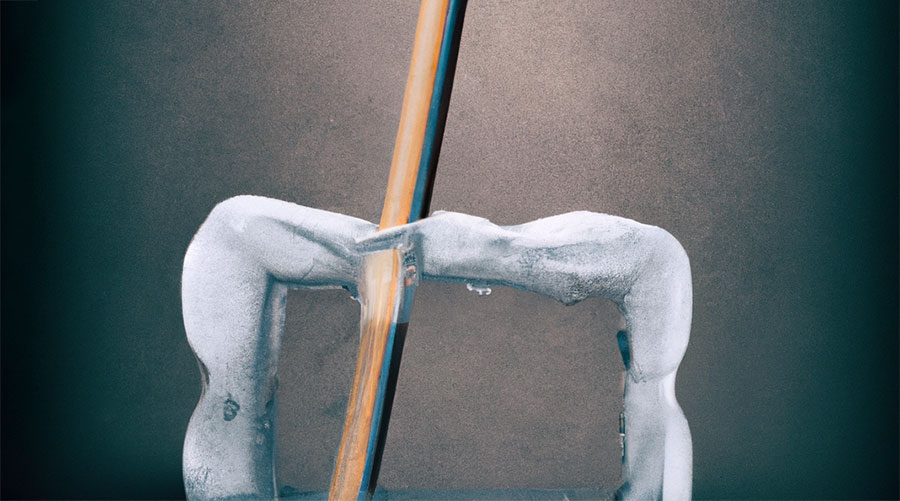
Most people know that frozen pipes can be a big problem, but you’d be surprised how many calls we get every winter to restore Golden, CO properties that are affected by water damage caused by frozen pipes that break.
The remediation process requires expertise, but here’s what you can do to help prevent your pipes from freezing, and what to do if they do freeze.
When to watch out for frozen pipes in Golden, CO

Pipes are at risk of freezing when they reach a temperature below 32 degrees Fahrenheit, but they most commonly freeze at temperatures of 20 degrees and below. If they are exposed to below-freezing conditions for six hours or more they could burst. Burst pipes could lead to a disaster, bringing severe water damage to your home.
Golden tends to experience its coldest temperatures in the months of December, January, and February. If you live in Golden, CO, make sure to keep an eye on your pipes during these months. That being said, there have been cases of frozen pipes as early as October, and as late as April. So it’s important to be aware at all times!
How to find a frozen pipe
If you’re not sure whether or not your pipes have frozen, there are a few ways to find out. One way is to check the water pressure. If the water pressure is low, it could be a sign that you have a frozen pipe. Turn on all faucets in your home. Check which faucet isn’t releasing water at all or is just a trickle. The pipe leading to that faucet is likely frozen.
Another way to find frozen pipes is to check common problem areas. Check in the basement, crawl space, attic, garage, and under kitchen and bathroom cabinets where water supply lines are located in unheated areas.
Remember, sometimes frozen pipes go undetected until damage has been done. For example, if a break happens in a pipe connecting to your hose bib, you might not notice until you turn it on for the first time in Spring.
How to thaw frozen pipes
If you find that one or more of your pipes have frozen, don’t panic! There are steps you can take to thaw them. But it’s important to be aware of what not to do, as well. Make sure to take proper safety measures when using electrical equipment. Here are the steps for thawing frozen pipes safely.
What to do:
- Turn on all faucets in your home that lead to frozen pipes. This will help relieve some of the pressure and might even thaw the pipe a little bit.
- Apply heat directly to the frozen pipe. You can use a heating pad, a hair dryer, or even a portable space heater (just be careful not to touch the pipe while it’s hot). Start near the faucet and work away from it along the pipe.
- If none of these methods work, or if the frozen pipe is inaccessible, call a professional plumber for assistance.
What not to do:
- DO NOT use any kind of flame torch or blowtorch on frozen pipes! This could cause a fire and is not a safe option.
- DO NOT attempt to thaw frozen pipes with boiling water! This could cause the frozen pipe to crack or burst.
How to prevent frozen pipes
The best way to prevent frozen pipes is to keep your home warm during cold weather. Keep the thermostat set to at least 55 degrees Fahrenheit, even when you’re away from home for extended periods.
You should also make sure any exposed pipes are insulated and take steps to seal any drafts that could cause cold air to come in contact with the pipes. If you think your exposed pipes are in danger of freezing, turn on the faucets slightly to allow a small stream of water to run through them. This will help keep them warm and reduce the chance they’ll freeze.
More Ways to Prevent Frozen Pipes
- Drain water from the swimming pool and water sprinkler supply lines following the manufacturer’s or installer’s directions. Avoid putting antifreeze in these lines if possible (keeping in mind that antifreeze is environmentally harmful, and is very dangerous to humans, pets, wildlife, and landscaping).
- Disconnect, drain, and store hoses used outdoors. Close inside valves supplying outdoor hose bibs. Open the outside hose bibs to allow water to drain. Remember to keep the outside valve open so that any water remaining in the pipe can expand without causing the pipe to break.
- During cold winter weather, keep garage doors closed if there are water supply lines in the garage.
- Open kitchen and bathroom cabinet doors to allow warmer air to circulate the plumbing.
If you plan to be away from home for an extended period during cold weather:
- Shut off the water supply and drain pipes or appliances.
- Leave all taps open once you’ve shut off the main water supply. If the home loses power, the open valves will help prevent pipes from bursting.
- Arrange for a neighbor to walk through your home once each day to monitor against unforeseen events.
- Have emergency numbers handy such as a plumber, electrician, roofer, and PuroClean of Golden in case something does go wrong.
- Have your HVAC system serviced by a professional.
- Before leaving, turn off your water heater.
Do frozen pipes always burst?
Frozen pipes don’t always burst. But the frozen water inside them can increase the pressure and cause them to burst if it is not addressed in time. That’s why it is important to take preventative measures before cold weather arrives and be prepared with an action plan for thawing frozen pipes should they occur.
Also, thawing a frozen pipe incorrectly could accidentally cause damage to the pipe, so it is important to follow the correct steps and contact a professional if needed.
Frozen pipes can be a major inconvenience and cause significant damage to your home if not addressed in time. Follow these steps to prevent frozen pipes and if all else fails, there are methods you can use to thaw frozen pipes yourself, but it is important to take precautions and call a professional if needed.
If you experience a burst pipe in your Golden, CO home, call PuroClean of Golden to evaluate and remediate any water damage that occurred. Our technicians stand ready to provide water damage restoration services to your property 24/7.


