


Flood Damage Restoration in Pembroke Pines: 5 Proven Fixes
If you live in Pembroke Pines, you’ve probably noticed something your friends in other Broward cities don’t deal with as often: water that just won’t drain. A hard afternoon downpour turns your street into a shallow lake, and it stays that way longer than it seems like it should. That’s not your imagination — it’s geography. This guide covers what flood damage restoration in Pembroke Pines actually involves, why the city’s terrain makes flooding a recurring issue rather than a rare event, and what the city itself is doing about it.
Why Pembroke Pines Floods More Than You’d Expect
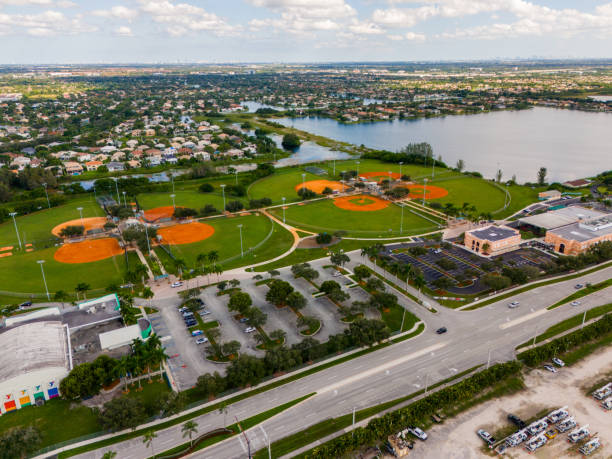
Pembroke Pines sits on notably flat, low-lying terrain in western Broward County, where heavy rainfall and South Florida’s high water table can contribute to drainage challenges and localized flooding. The area relies on an interconnected network of canals, lakes, drainage structures, and stormwater infrastructure to manage rainfall. During intense or prolonged storms, drainage systems can become overwhelmed, increasing the potential for standing water and flooding in streets, yards, and properties.
The flood risk is reflected in federal risk data. Pembroke Pines participates in FEMA’s Community Rating System (CRS) and holds a Class 5 rating, recognizing the city’s flood-mitigation and floodplain-management efforts beyond minimum National Flood Insurance Program requirements. Separately, FEMA National Risk Index data classifies inland flood risk for Broward County as “Very High,” with approximately $289 million in estimated annual expected losses countywide. That figure represents a modeled countywide estimate—not projected losses specifically for Pembroke Pines—but it underscores the significant financial exposure associated with inland flooding throughout Broward County.
Flooding is also receiving attention at the local level. In his March 2026 State of the City address, Pembroke Pines Mayor Angelo Castillo identified addressing flooding issues among the city’s priorities for the next three years, alongside park rehabilitation, road and traffic projects, recycling, and housing affordability. The mayor’s inclusion of flooding among the city’s multi-year priorities reinforces that drainage and flood mitigation remain important infrastructure concerns for the community.
For homeowners and businesses in Pembroke Pines, the combination of documented regional flood exposure and continued municipal attention to flooding reinforces an important reality: water intrusion from severe South Florida weather is a risk worth preparing for before the next major rain event.
1. Act in the First Hours — Not the First Days
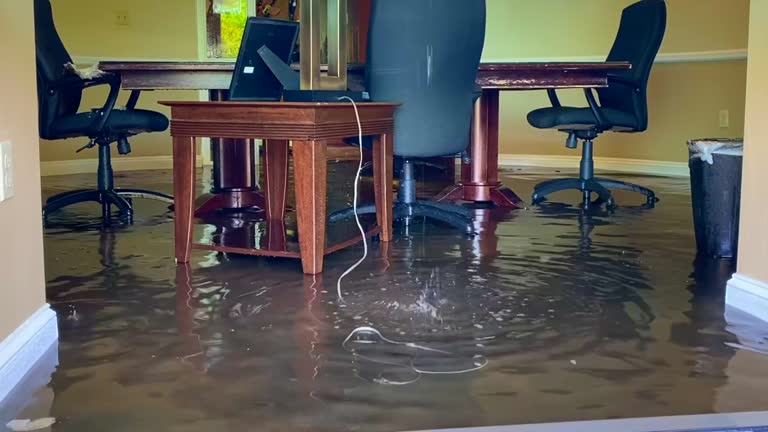
Flood damage restoration starts with getting water out fast. Standing water left untreated begins damaging flooring, drywall, and belongings within a single day, and South Florida’s humidity accelerates that timeline further. If floodwater is entering your home, prioritize safety first: cut power to affected areas if it’s safe to do so, and avoid walking through standing water where live circuits might be present.
2. Understand What Kind of Water You’re Dealing With
Not all flooding behaves — or needs to be treated — the same way. Canal and drainage overflow, storm surge, and wind-driven rain through roof seams each carry different contamination risk. Water that’s touched a canal overflow or street runoff is a different category than a clean appliance leak, and that distinction determines whether a job is straightforward extraction and drying or requires more intensive decontamination protocols. Proper flood damage restoration in Pembroke Pines starts with identifying the water category on-site rather than assuming every flood is the same.
3. Document Before You Clean
Photograph and video every affected room before cleanup starts — water lines on walls, damaged flooring, furniture, anything visibly affected. This documentation matters more than most homeowners realize when it comes time to file a claim, and it costs you nothing but a few minutes with your phone.
4. Know What Your Insurance Actually Covers
For most Pembroke Pines homeowners, a standard HO-3 policy does cover sudden, accidental water damage — a burst pipe, an appliance malfunction, a roof leak from a covered storm event. What it typically does not cover is flooding from rising water: canal overflow, storm surge, and general flood events fall outside standard homeowners coverage and require a separate policy through the National Flood Insurance Program (NFIP) or a private carrier (FEMA — Flood Insurance). Given Pembroke Pines’ documented flood exposure, confirming you have the right policy — not just assuming your homeowners policy covers it — is one of the most financially important things you can do before the next heavy rain event.
5. Prioritize Structural Drying, Not Just Visible Cleanup
Once water is extracted, the real work is pulling moisture out of what you can’t see — subflooring, drywall cavities, insulation. The EPA is clear that materials which stay damp for more than 24–48 hours are at real risk of mold growth, and South Florida’s ambient humidity shortens that window further. A restoration team using moisture mapping and proper dehumidification equipment is the difference between a home that’s actually dry and one that looks dry on the surface while a mold problem develops behind the walls.
What Makes Flood Damage Restoration Different in a High-Water-Table City
Homes in cities with better natural drainage often get lucky — water recedes on its own before it causes real damage. Pembroke Pines’ flat terrain and saturated ground mean that luck runs out faster here. That’s why certified flood damage restoration in Pembroke Pines has to plan for extended saturation, canal-adjacent property risk, and repeat-event exposure — not a single, isolated flood.
Residential vs. Commercial Flood Damage: Why the Approach Differs
Flooding doesn’t discriminate between a single-family home and a strip mall, but the restoration priorities often look different for each.
For residential properties, the priority is usually getting a family back into a livable space as quickly as possible — drying out bedrooms, kitchens, and living areas, protecting personal belongings, and working through a homeowners or flood insurance claim.
For commercial properties, flooding brings additional pressure: every day a business is closed is lost revenue, and many commercial leases and insurance policies have specific documentation and timeline requirements that differ from residential claims. Retail spaces, restaurants, medical offices, and warehouses near Pembroke Pines’ canal system face particular exposure, and a flooded ground floor can mean inventory loss, equipment damage, and business interruption on top of the structural cleanup itself. Commercial flood restoration also has to account for larger square footage, more complex HVAC and electrical systems, and — for multi-tenant buildings — coordinating with several affected businesses at once rather than a single homeowner.
A restoration company that regularly handles both understands that a warehouse near the C-9 canal and a single-family home three streets over need the same core expertise — fast extraction, accurate moisture mapping, and thorough structural drying — but very different logistics to get there.

Frequently Asked Questions
Why does Pembroke Pines flood more than other Broward County cities? Pembroke Pines has notably flat terrain, a high water table, and relies on the C-9 canal system for drainage — a combination that limits how fast water can clear during heavy rainfall, contributing to its CRS Class 5 rating and “Very High” inland flood risk designation from FEMA.
Does homeowners insurance cover flood damage in Pembroke Pines? Generally, standard homeowners policies cover sudden water damage like burst pipes, but not flooding from rising water such as canal overflow or storm surge. That requires separate flood insurance through the NFIP or a private carrier (FEMA).
How fast should I call for flood damage restoration after a storm? As soon as it’s safe to do so. Standing water can begin damaging flooring and belongings within a day, and mold risk increases significantly after 24–48 hours of dampness in South Florida’s humidity (EPA).
Is Pembroke Pines’ flooding problem being addressed by the city? Yes — the mayor named flooding a top city priority for the next three years in the March 2026 State of the City address, alongside infrastructure and drainage improvements.
What’s the difference between flood damage and water damage for insurance purposes? Water damage typically refers to sudden, accidental events like a burst pipe — usually covered by standard homeowners insurance. Flood damage refers to rising water from external sources like canals or storm surge, which requires separate flood insurance.
Does PuroClean handle commercial flood damage, or just homes? Both. Flood damage restoration covers residential properties and commercial properties in Hallandale Beach and surrounding service areas. This includes homes, offices, retail spaces, restaurants, and multi-tenant buildings. The same certified restoration process is followed, with the approach adjusted to the scale of the property and the business-continuity needs of each commercial job.
Get Fast Flood Damage Restoration Serving Pembroke Pines
Whether it’s canal overflow, storm surge, or a stalled rain system that overwhelmed the drainage near your home or business, PuroClean of Hallandale Beach responds fast to flood damage restoration calls throughout Pembroke Pines — for residential and commercial properties alike.
- IICRC-certified technicians trained to professional water damage and flood restoration standards
- 24/7 emergency availability — because Pembroke Pines’ flooding doesn’t wait for business hours
- Residential and commercial service throughout Pembroke Pines, from single-family homes to retail, office, and warehouse properties
Don’t wait for standing water to become a mold problem. Call PuroClean of Hallandale Beach now for flood damage restoration you can count on.
Available 24/7/365 | IICRC Certified | (754) 263-0203 | Contact Us Online | Google Business Profile