Professional fire and smoke damage restoration services to help restore your home after unexpected fire-related damage.
Fire and smoke restoration starts with a safe re-entry assessment—checking structural stability, electrical hazards, and smoke/soot spread—then controlled cleanup, odor removal, and drying from any suppression water. The goal is to make the home safe to occupy and prevent soot corrosion and odor embedding while documenting affected areas and contents.
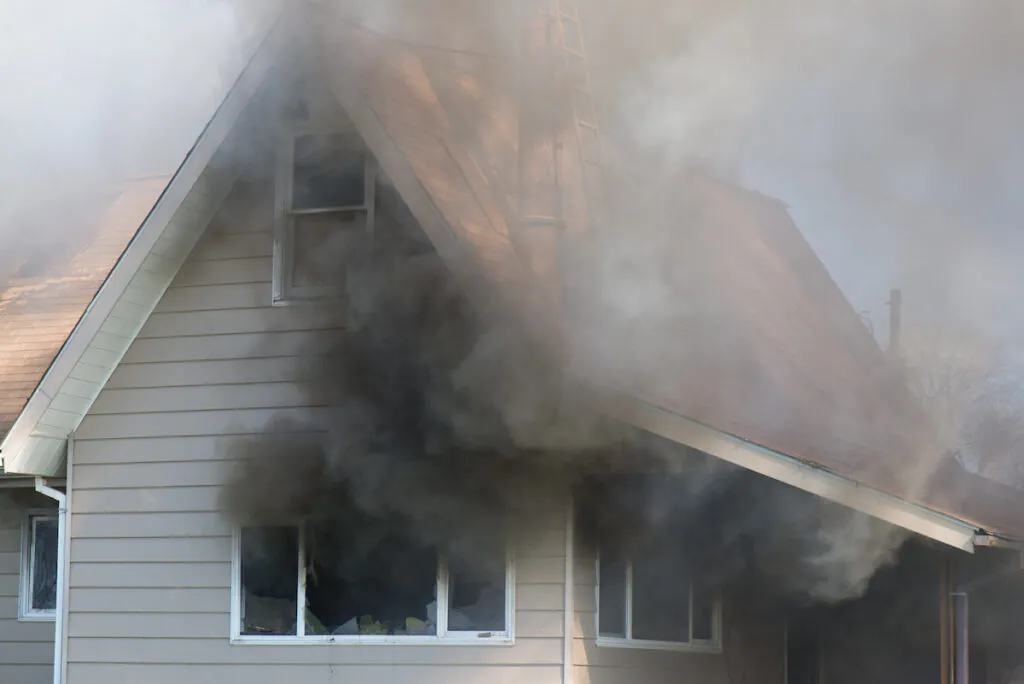
After a fire is put out, the hardest question is often the most immediate: is it safe to go back inside? Even when damage looks “minor,” hidden hazards—unstable materials, lingering smoke residue, and contaminated air—can make re-entry risky. PuroClean of Hallandale Beach provides fire and smoke damage restoration with a safety-first approach: we assess conditions for safe entry, secure the structure, identify what’s affected (including areas you can’t see), and then remove soot and smoke residues in a way that protects your home from further damage. You also don’t have to decide what can be saved before we arrive—we’ll help document and sort items that are salvageable versus unsalvageable during the inspection. If you’re dealing with a condo or multi-unit building, we can also help you understand how smoke migration, shared ventilation, and neighboring units may affect your space. Our goal is to make the next decision simple: what’s safe to do now, what must wait, and what steps will get your home back to a livable condition.
1: Follow the fire department’s guidance on re-entry—if they restrict access, do not go inside.
2: If you smell strong smoke, see soot on surfaces, or notice sagging ceilings or wet drywall, keep people and pets out until a professional safety assessment is completed.
3: If it’s safe to do so, shut off electricity at the main breaker and avoid running HVAC systems—fans and AC can spread soot through ducts.
4: Protect the property from weather and entry: close intact windows/doors, and consider emergency board-up if openings are visible.
5: Avoid touching soot-covered walls, countertops, or belongings. Soot smears easily and can permanently stain.
6: Call PuroClean of Hallandale Beach at (754) 263-0203 to schedule a safe re-entry assessment and start hazard-controlled cleanup planning.
We evaluate structural stability concerns (ceilings, roof decking, framing, stairwells), electrical hazards, and any compromised materials that could fail under foot traffic. We also identify areas where smoke may have migrated beyond the burn area.
What Our Customers Say:
The biggest post-fire risk is assuming “looks okay” means “is safe.” Heat can weaken framing and fasteners, and firefighting water can silently load ceilings and drywall until they fail. In South Florida’s high humidity, we often see smoke residues bind to ambient moisture and sink deeper into porous materials—making odors harder to remove and increasing corrosion on metals and electronics if cleanup is delayed. A controlled re-entry assessment lets you protect your family while preventing secondary damage that can expand the scope of restoration.
After the scene is stable, we can help support the claim by organizing photos, moisture/cleaning notes, and an itemized contents list (including approximate age and replacement cost when available). If you already have an adjuster, we’ll coordinate access and provide clear documentation of what was affected by fire, smoke, soot, and any suppression water. Keep receipts for temporary repairs or lodging, and avoid discarding damaged items until they’re documented (unless a safety issue requires disposal). Coverage varies by policy, so we focus on providing the restoration documentation your insurer typically requests for informed approvals.
If you’re unsure whether it’s safe to go back inside, don’t guess. Call PuroClean of Hallandale Beach at (754) 263-0203 for a safety-first re-entry assessment and hazard-controlled cleanup plan. We’ll help protect your home from soot corrosion, odor set-in, and secondary water damage—and we’ll document and sort contents so you’re not making those decisions alone.
Find answers to common questions about our services
Re-entry is considered safe only after the fire department allows access and a safety assessment confirms there are no structural, electrical, or air-quality hazards. If you smell strong smoke, see heavy soot, or notice sagging materials, stay out until a professional evaluates the risk. A controlled entry may be possible for essential retrieval, but it should be planned to avoid contamination and injury.
Heat can weaken framing, roof decking, and fasteners, and water can saturate drywall and ceilings until they become unstable. Electrical systems may be compromised, and soot residues can be irritating and corrosive. Smoke can also spread into attics, wall cavities, and HVAC pathways, creating hidden exposure and odor issues.
If doors, windows, or roof areas are compromised and weather or unauthorized entry is a concern, temporary board-up or tarping is often appropriate. If conditions are unsafe, do not attempt it yourself—wait for professionals with proper safety controls. If you can safely secure a door or close an intact window, do so without disturbing soot-covered surfaces.
Yes—when soot is handled correctly. We choose cleaning methods based on the residue type and the surface material to avoid smearing, etching, or permanent staining. Contents are sorted for in-place cleaning, specialty cleaning, or pack-out to prevent cross-contamination and improve salvage outcomes.
Permanent odor removal requires removing the odor source first (soot/residue on surfaces and in porous materials), then using targeted deodorization and air filtration. Air fresheners and “one-step” treatments may temporarily mask odor but won’t fix embedded residue in fabrics, drywall, or ductwork. The right sequence matters more than any single product.
We can coordinate with your adjuster by providing photos, work notes, drying/cleaning documentation, and a contents inventory to support the scope. From you, we typically need the claim number (if filed), adjuster contact info, and any prior photos or receipts that help identify pre-loss condition and value. If you haven’t filed yet, we can still proceed with emergency stabilization while you begin the claim process.
Our fire and smoke damage restoration team is trained, certified, and experienced in responding to residential fire-related damage. We follow industry standards and proven restoration practices to support safe, effective recovery.
Fire damage can be overwhelming. Our team works with insurance providers to help document damage and support the claims process, keeping homeowners informed throughout each stage of restoration.
Fire and smoke damage often require immediate attention. Our team is available 24/7 to respond when fire-related emergencies occur, and timely restoration is needed.
Water damage can result from unexpected leaks, flooding from storms, plumbing failures, or appliance malfunctions. Our certified teams focus on rapid water removal, drying, and stabilization to help prevent further damage and mold growth.
 Explore Our Water Damage Mitigation Services
Even after a fire is extinguished, smoke, soot, and odor can continue to affect your home. Fire damage restoration services address visible damage while also helping reduce lingering effects that impact indoor air quality and surfaces.
Explore Our Fire and Smoke Damage Restoration Services
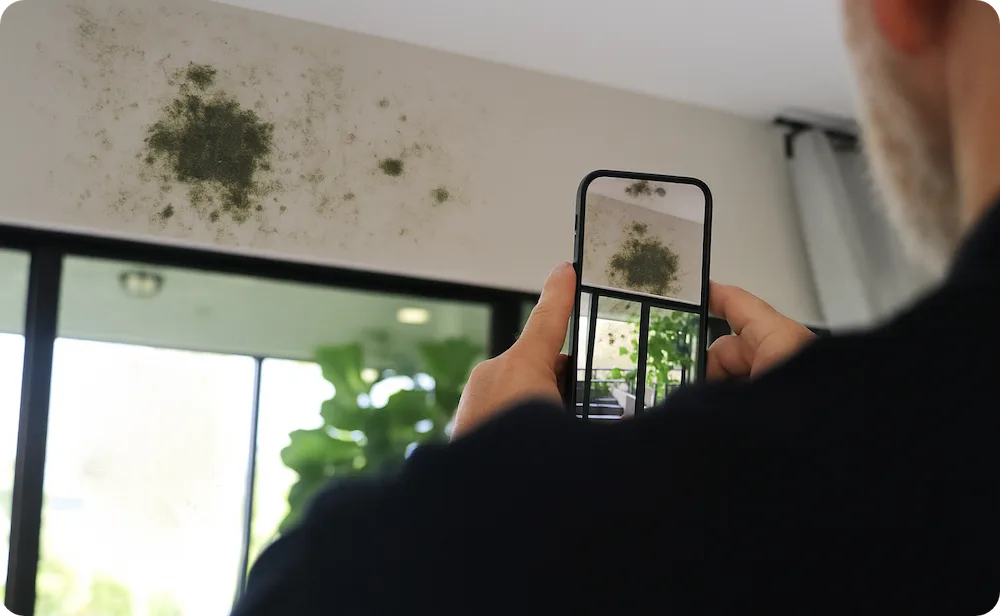
Mold often develops as a result of unresolved moisture or hidden water damage. Professional mold remediation helps identify affected areas, contain growth, and restore healthy indoor conditions.
Explore Our Mold Removal and Remediation Services
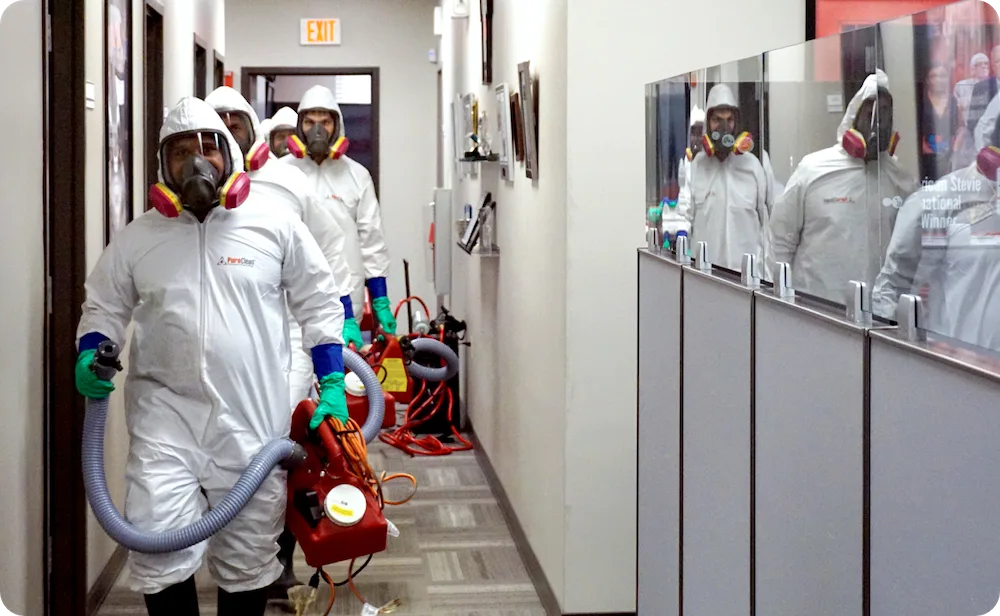
Biohazard situations, including crime scene cleanup and virus decontamination, require specialized cleaning and handling to protect health and safety. Biohazard cleanup services address contamination using proper protocols and professional care.
Explore Our Biohazard Cleanup Services
In some cases, property damage requires repairs beyond cleanup and mitigation. Reconstruction services help restore damaged areas of the home after water, fire, or other incidents, supporting a smoother transition from damage to recovery.
Explore Our Reconstruction Services Services
When water hits an occupied facility, the compliance risk is rarely the water itself—it’s what spreads next. PuroClean of Hallandale Beach isolates affected zones, documents conditions, and manages phased re-entry so operations can continue safely while drying is underway. In an active commercial space, the first challenge is containment—isolating the affected zone while keeping unaffected, revenue-generating areas functional.
Explore Our Water Damage Commercial Services Services
For hotels, restaurants, and guest-facing businesses, the first decisions after a fire aren’t only about the building—they’re about what can be restored, what must be documented as a loss, and how to reopen without compromising brand standards. PuroClean of Hallandale Beach helps you stabilize, assess, and document smoke- and soot-affected assets alongside the space itself.
Explore Our Commercial Fire Damage Restoration Services
If mold keeps coming back in your business, the problem is usually moisture you can’t see. PuroClean of Hallandale Beach finds the source, maps the moisture boundary, and completes containment-based remediation with clearance-focused documentation to support safe re-occupancy decisions. Commercial mold cleaned without addressing the moisture source will return, often within weeks. Source identification is the critical first step — surface treatment alone is incomplete remediation.
Explore Our Commercial Mold Remediation Services
For commercial operators and property teams, biohazard events aren’t just a cleanup—they’re a liability and coverage question. PuroClean of Hallandale Beach supports safer re-entry while building the claim documentation your insurer or adjuster may require, from first response through final clearance.
Explore Our Commercial Biohazard Cleanup Services
Water damage can result from unexpected leaks, flooding from storms, plumbing failures, or appliance malfunctions. Our certified teams focus on rapid water removal, drying, and stabilization to help prevent further damage and mold growth.
Explore Our Water Damage Mitigation Services

PuroClean of Hallandale Beach
(754) 263-0203
7451 Riviera Blvd, Suite 119, Miramar, FL 33023


© 2026 PuroClean. All Rights Reserved.