7 Proven Emergency Cleanup Services Hallandale Beach Needs
When a pipe bursts at 2 a.m. or storm surge pushes seawater into your first floor, you don’t have time to compare five companies. You need emergency cleanup services in Hallandale Beach that show up fast, know the local risks, and get your property dry and safe before the damage compounds. This guide walks through the seven situations where fast, certified cleanup matters most in Hallandale Beach — and what separates a rushed patch job from restoration done right.
Hallandale Beach sits in a uniquely demanding spot for property damage: barrier-island humidity, a long Atlantic hurricane season, aging coastal plumbing, and a dense mix of condos, single-family homes, and short-term rentals. That combination means emergency cleanup services aren’t a luxury here — they’re part of responsible property ownership.
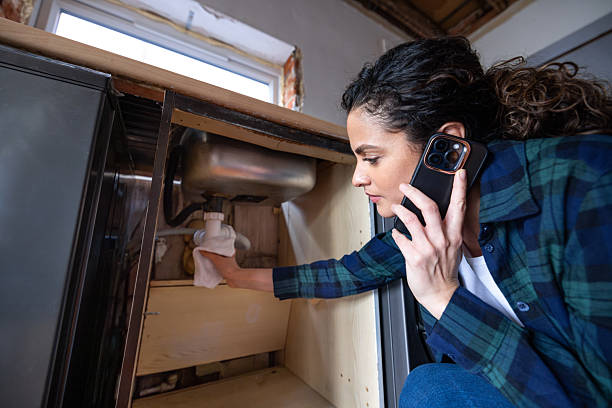
1. Water Damage From Burst Pipes and Appliance Failures
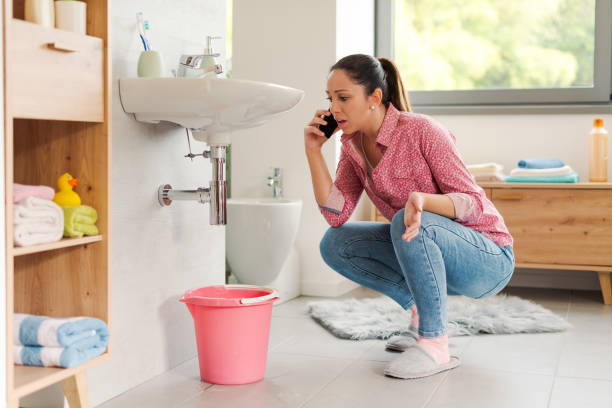
A washing machine hose failure or a corroded supply line can release hundreds of gallons before anyone notices. In South Florida’s humidity, that water doesn’t just sit — it starts feeding mold growth almost immediately. The U.S. Environmental Protection Agency is explicit about the timeline: wet or damp materials need to be dried within 24–48 hours, or mold growth becomes likely in most cases (EPA — A Brief Guide to Mold, Moisture and Your Home). That short window is exactly why 24/7 access to professional restoration services matters for Hallandale Beach homeowners and businesses. When property damage strikes, waiting until the next business day can mean allowing the damage to spread.
Professional water mitigation follows a defined technical process — not guesswork. The restoration industry’s core reference, the ANSI/IICRC S500 Standard, lays out the procedures and precautions restorers follow when handling water damage in residential and commercial buildings (IICRC — S500 Standard for Professional Water Damage Restoration). That standard covers everything from moisture mapping to structural drying protocols, which is the difference between a home that dries out completely and one that looks dry on the surface while trapping moisture behind the walls.
2. Storm and Hurricane-Related Flooding
Hallandale Beach’s location on the Atlantic coast puts it squarely in the path of tropical systems for six months of the year. The Atlantic hurricane season officially runs from June 1 through November 30 (NOAA, 2026 Atlantic Hurricane Season Outlook), with the bulk of major storm activity concentrated in the peak weeks around early-to-mid September. That’s not a small technicality — it’s the window property owners in Hallandale Beach (and surrounding South Florida communities) should treat as active risk season, not just “hurricane season” in the abstract.
Storm-related emergency cleanup services typically involve more than water extraction. Storm surge and wind-driven rain often carry contaminants, meaning cleanup can shift from a standard water job into biohazard-level decontamination depending on the source. A certified restoration team assesses water category on-site rather than assuming every storm flood is treated the same way.
3. Mold Growth From Humidity and Hidden Leaks
South Florida’s year-round humidity is, on its own, enough to sustain mold growth without any dramatic flooding event at all. The EPA’s guidance is direct: mold requires only moisture, a food source, and time — and materials that stay damp for more than two days are at real risk regardless of how the moisture got there (EPA — Mold Cleanup in Your Home). The agency also draws a practical line for homeowners: visible mold covering more than roughly 10 square feet should be handled by a certified professional rather than a DIY approach (EPA mold cleanup guidelines).
This is one of the most requested emergency cleanup services Hallandale Beach condo owners and landlords ask about, because South Florida buildings run air conditioning nearly year-round — and any gap in that system, from a clogged condensate line to a humid vacant unit, becomes a mold risk fast.
4. Biohazard and Contaminated Water Cleanup
Sewage backups, storm-surge-contaminated flooding, and other biohazard situations require a different level of protective equipment and disposal protocol than routine water damage. This isn’t a category homeowners should attempt themselves — contaminated water can carry bacteria and pathogens that ordinary household cleaning products aren’t designed to neutralize. Certified technicians follow bloodborne pathogen and hazardous waste disposal standards specifically because the health risk is real, not theoretical.
5. Fire and Smoke Damage Restoration
Soot is acidic. Left untreated, it continues etching metal and glass surfaces for days after a fire — which matters even more in a coastal environment where those same surfaces are already fighting salt-air corrosion. Beyond the visible soot, smoke odor travels through HVAC systems into rooms far from the original fire, which is why a full restoration assessment — not just a surface wipe-down — is part of legitimate emergency cleanup services after any fire, however small it looked at first.
6. Post-Storm Debris and Structural Drying
After a named storm passes through, the visible mess — downed branches, standing water in the yard, a soaked garage — is often just the surface issue. The real work is structural: pulling moisture out of drywall, subflooring, and insulation before it becomes a mold problem. This is where proper equipment matters. Air movers alone evaporate surface moisture into the air; dehumidifiers are what actually remove it from the space. Skipping either step is one of the most common reasons a “handled” water job turns into a mold call three weeks later.
7. Insurance Documentation and Claim Support
One overlooked piece of emergency cleanup services Hallandale Beach property owners often learn the hard way: standard homeowners insurance typically does not cover flood damage. FEMA is explicit on this point — flood insurance is a separate policy from a standard homeowners policy, available through the National Flood Insurance Program (NFIP) or a private carrier (FEMA — Flood Insurance / NFIP). For coastal and low-lying South Florida properties, understanding that distinction before a storm — not after — can be the difference between a covered claim and an expensive surprise. A restoration company that documents damage thoroughly from the first visit gives you a stronger foundation for whichever policy actually applies.
Why Fast Response Time Changes the Outcome
Every hour water sits, two things happen at once: drying costs climb, and mold risk increases. That’s not a sales pitch — it’s the physical reality the EPA’s own 24–48 hour guidance is built around (EPA). The practical takeaway for anyone searching for emergency cleanup services near Hallandale Beach and surrounding South Florida communities is simple: response speed isn’t a convenience feature, it’s the single biggest factor in how much of your property is actually recoverable.
Frequently Asked Questions
What are emergency cleanup services in Hallandale Beach? Emergency cleanup services cover urgent water extraction, storm and hurricane damage response, mold remediation, biohazard/contaminated water cleanup, and fire and smoke restoration — typically available on a 24/7 basis for situations that can’t wait for a standard appointment.
How fast does mold grow after water damage in South Florida? The EPA notes that mold can begin growing within 24–48 hours on wet or damp materials, and South Florida’s ambient humidity can make that window even tighter than in drier climates (EPA).
Does homeowners insurance cover flood damage in Hallandale Beach? Generally, no. Standard homeowners insurance policies typically exclude flood damage; separate flood insurance through the NFIP or a private carrier is required for that coverage (FEMA). Confirm your specific policy details with your insurance agent.
How do I know if I need professional mold remediation instead of DIY cleaning? The EPA recommends professional assessment for larger areas of mold growth, particularly when contamination may involve water damage. Rather than attempting to determine the extent of the damage yourself, we encourage you to have a trained professional inspect the affected area and determine the appropriate next steps for safe and effective remediation (EPA).
When is hurricane season in Florida, and how does that affect emergency cleanup demand? The Atlantic hurricane season runs June 1 through November 30 (NOAA), with the highest activity typically concentrated from late August through mid-October — the period when storm-related emergency cleanup calls are most frequent in coastal Broward and Miami-Dade communities.
Get Fast, Certified Emergency Cleanup Services in Hallandale Beach
When water, storm damage, mold, fire, or a biohazard situation hits, you need a team that’s already local, already certified, and already answering the phone. PuroClean of Hallandale Beach proudly serves Hallandale Beach and the surrounding South Florida communities with the same standard of care on every job.
- IICRC-certified technicians trained to the industry’s professional water damage, mold, and biohazard restoration standards
- 24/7 emergency availability — because disasters don’t check the clock, and neither do we
- Local, responsive service across Hallandale Beach and the surrounding South Florida communities
Don’t wait for small damage to become a big problem. Call PuroClean of Hallandale Beach now for emergency cleanup services you can trust — day or night, storm season or not.
Available 24/7/365 | IICRC Certified | (754) 263-0203 | Contact Us Online | Google Business Profile