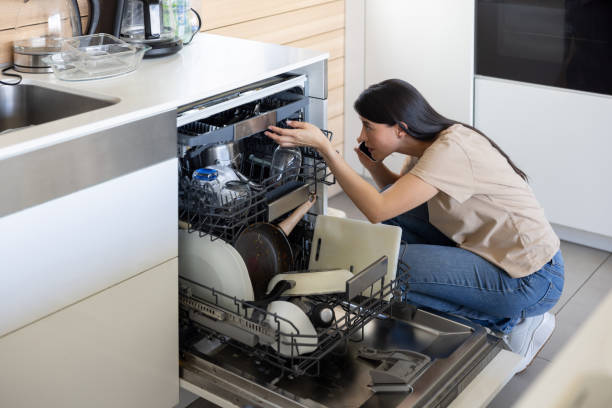
Dishwasher leaks in Miramar almost never arrive with a dramatic flood and a movie-trailer soundtrack. They show up as a damp toe-kick, a floor that feels slightly soft underfoot, or a cabinet that smells like a gym towel forgotten in a hot car. Because the water hides where nobody looks, a small drip can become a big repair bill before you ever see a puddle. Here are the five costly mistakes we see most often, and exactly how to avoid each one.
Why Dishwasher Leaks in Miramar Cause So Much Hidden Damage
Why do dishwasher leaks cause so much damage? A dishwasher sits snug against a cabinet base, a subfloor, and a wall, so even a slow leak soaks materials you can’t see. In humid South Florida, damp materials tend to stay wet longer, which gives mold growth a head start. The EPA advises drying water-damaged areas and items within 24 to 48 hours to prevent mold (EPA, A Brief Guide to Mold, Moisture, and Your Home).
Water damage is not a rare villain, either. The Insurance Information Institute (Triple-I) reports that water damage and freezing made up roughly 22.6% of homeowners insurance claims in its 2019–2023 data, second only to wind and hail, with average severity around $15,400 per claim (Triple-I, Facts + Statistics: Homeowners and Renters Insurance). That is a lot of money to spend on something that started as “meh, it’s just a little drip.”
The usual suspects are not mysterious. Appliance makers and repair pros keep naming the same culprits: a worn or dirty door gasket, a loose or damaged drain hose, a faulty latch, a loose supply connection, an unlevel machine, and the wrong detergent (KitchenAid; Bob Vila). The parts most likely to fail are the parts nobody ever sees, which brings us to the mistakes.
5 Costly Mistakes That Turn Dishwasher Leaks in Miramar Into Big Repair Bills
Mistake 1: Mopping Up and Moving On
Treating a leak like a spill is the classic. You wipe the floor, run the next load, and the puddle politely returns on schedule. A dishwasher that leaks twice isn’t “quirky.” It’s filing a complaint.
Do this instead: Stop the water first. Close the supply valve under the sink, cut power to the dishwasher at the breaker, and find the source before the next cycle. A puddle that keeps coming back is a leak with a recurring appointment.
Mistake 2: Never Looking Behind the Kick Plate
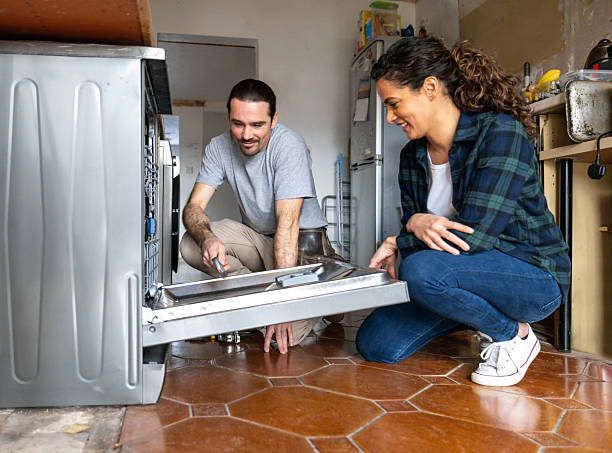
The parts that fail, including the drain hose, the supply connection, and the clamps, live behind the toe-kick panel, which is exactly where nobody looks. Home-service guides recommend removing the lower panel and checking along the drain hose for water or a trail of moisture (HomeServe).
Do this instead: Put a flashlight check on the calendar every three to four months, say, whenever you swap your A/C filter. While you’re there, inspect the door gasket for cracks, gaps, and caked-on gunk.
Mistake 3: Drying the Surface and Ignoring What’s Underneath
A fan pointed at the floor feels productive. Meanwhile, water wicks into the cabinet base, the subfloor, and the drywall behind the unit, and none of it dries just because the tile looks dry. The CDC’s post-flood mold guidance makes the same point: drying your home and removing water-damaged items is the most important step in preventing mold damage (CDC, Mold Cleanup Guide). That 24-to-48-hour window is why a leak you shrug off on Friday can become a musty cabinet early next week, and why dishwasher leaks in Miramar so often surface as mold calls instead of plumbing calls.
Do this instead: Dry beyond the visible. Pull the toe-kick, open the cabinet base, and check with a moisture meter. If anything stays wet past the first day or two, call a pro who can map the moisture. Already noticing an odor? Our guide to a musty smell with no visible leak explains what may be hiding behind it.
Mistake 4: Treating Dishwasher Water Like Clean Water
Dishwasher water is not a fresh glass of Evian. It carries food residue, grease, and detergent. Under the ANSI/IICRC S500 standard for professional water damage restoration, discharge from appliances such as dishwashers is commonly classified as Category 2, or “gray,” water, meaning it contains enough contamination to cause illness through contact or ingestion (IICRC, S500 Standard for Professional Water Damage Restoration). That changes the cleanup: porous materials like carpet pad and soaked drywall may need removal rather than simple drying, and surfaces need proper cleaning and disinfection.
Do this instead: Wear gloves, keep kids and pets out of the area, and don’t assume it’s “just water.” If the leak ran overnight or soaked flooring, bring in a certified restorer who works to the S500.
Mistake 5: Waiting to Document and Report
The CDC advises contacting your insurance company and photographing the damage before you start cleanup (CDC, Mold Cleanup Guide). Timing matters legally, too. Florida Statute 627.70132 generally bars a new or reopened property claim unless notice is given within one year of the date of loss, and a supplemental claim within 18 months (Florida Senate, §627.70132). Hidden leaks make this tricky, because “the day it happened” and “the day you found it” aren’t always the same conversation.
Do this instead: Photograph the leak, the wet materials, the appliance model, and the serial number, then report it. This is general information, not legal advice, so check your own policy for its specific terms.
What 35 Years of Insurance Claims Teach Us About Dishwasher Leaks in Miramar
PuroClean of Hallandale Beach is owned and operated by Shawntel Jackson, who brings 35 years of insurance claims experience to every water loss. That is long enough to hear every version of “it was just a little drip,” and long enough to know what happens when nobody wrote anything down.
With dishwasher leaks in Miramar, the claims that go smoothly share one habit: they are claims-ready from hour one. That’s why our team works to a simple rule we call Stop, Shoot, Dry, Report:
- Stop the water at the source.
- Shoot photos and video before anything is moved or tossed.
- Dry the structure with documented moisture readings, not just “it feels dry.”
- Report to your insurer promptly, with a written scope that ties repairs to what was actually found.
It isn’t glamorous, but it’s the difference between a claim that moves and a claim that stalls. PuroClean of Hallandale Beach pairs this with its CPR Program: fast contact, an on-site inspection within hours, and rapid reporting for insurance documentation. If you’re wondering where emergency work ends and rebuilding begins, we break down water damage mitigation vs. restoration in plain English.
How to Spot Dishwasher Leaks in Miramar Early: A 5-Minute Check
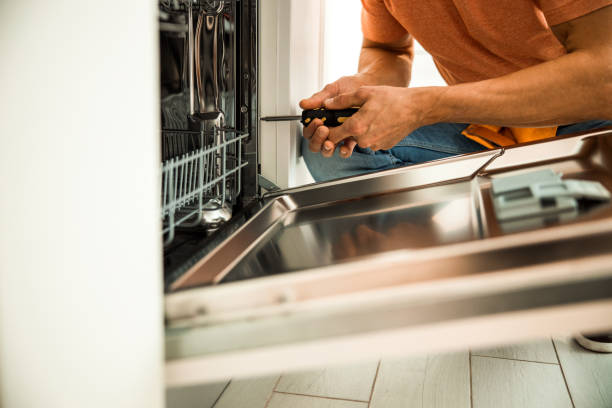
How do you check a dishwasher for a hidden leak? Shut off the power and water, remove the toe-kick panel, run a short cycle, and look for drips along the hoses and clamps while a dry paper towel on the floor reveals moisture. Then inspect the door gasket and press the floor and cabinet base for soft spots.
- Turn off the dishwasher’s power and close the supply valve under the sink.
- Remove the toe-kick panel and shine a flashlight on the drain hose, supply connection, and clamps.
- Restore power and water, run a short cycle, and watch for drips, with a dry paper towel on the floor in front of the unit.
- Wipe and inspect the door gasket for cracks, gaps, and caked-on food.
- Press the floor and cabinet base for soft, spongy, or warped spots, and sniff for that musty smell.
When something seems off, use this cheat sheet:
| What you notice | Likely cause | Smart next step |
|---|---|---|
| Water at the front of the door mid-cycle | Worn or dirty gasket, faulty latch, too many suds | Clean or replace the gasket; use dishwasher-specific detergent |
| Water pooling under the unit | Loose or damaged drain hose, supply connection, or clamp | Shut off water and inspect behind the toe-kick |
| Musty smell near the sink or cabinet | Hidden moisture, possible early mold | Dry the area and call a pro for moisture mapping |
| Soft or warped flooring beside the dishwasher | Long-term seepage into the subfloor | Stop using the unit, document, and call a restoration pro |
Beyond the Dishwasher: Other Appliance Leaks in Miramar Homes
Your dishwasher is rarely the only appliance quietly plotting against your floors. The same rules that apply to dishwasher leaks in Miramar apply to every appliance with a water line: find the source, dry deep, and document everything. The dishwasher’s drain often shares a connection with the garbage disposal, so read our guide to garbage disposal leaks in Hallandale Beach. Laundry rooms have their own risks, covered in washing machine leaks in Pembroke Park, and tucked-away tanks are covered in water heater leaks. Appliance leaks don’t pick convenient times, and in our experience they love a holiday weekend.
FAQs About Dishwasher Leaks in Miramar
Is a leaking dishwasher an emergency?
It is whenever water is reaching cabinets, flooring, or walls. Shut off the supply valve and the power, stop running the machine, and start drying. A drip that keeps returning means the source hasn’t been fixed. If water has spread beyond a small area or sat for more than a day, call a restoration professional.
How fast can mold grow after a dishwasher leak?
The EPA says that if wet or damp materials are dried within 24 to 48 hours of a leak or spill, mold usually will not grow (EPA). That makes quick drying the single most important step. Wait longer, and a plumbing problem can turn into a mold problem.
Does Homeowners Insurance Cover Dishwasher Leaks in Miramar?
Often, when the leak is sudden and accidental, but it depends on your policy. Long-term seepage, wear and tear, and the appliance itself are commonly limited or excluded. In Florida, notice of a new claim is generally due within one year of the loss (Florida Senate). Read your policy and ask your insurer or agent; this is not legal advice.
What type of water is dishwasher water?
It is commonly classified as Category 2, or gray, water under IICRC S500 (IICRC). That means it can contain contaminants that cause illness through contact or ingestion, so use gloves and proper disinfection, and expect that some porous materials may need to be removed.
How do I know if there’s hidden water damage under my dishwasher?
Look for soft, spongy, or warped flooring, staining or bubbling near the cabinet base, a musty odor, or a dishwasher that keeps leaking. Hidden water damage often needs moisture meters and thermal cameras to confirm, which lets a pro find wet materials without tearing out more than necessary.
Who should I call for water damage in Miramar?
PuroClean of Hallandale Beach, based on Riviera Blvd in Miramar, answers 24/7 at (754) 263-0203 and serves Hollywood, Hallandale Beach, Miramar, Pembroke Park, Pembroke Pines, and West Park.
Dishwasher Leaks in Miramar? Call PuroClean of Hallandale Beach 24/7
If you’re staring at a wet toe-kick right now, consider this your sign. Kitchens don’t flood at 10 a.m. on a quiet Tuesday; they flood at 11 p.m. on a holiday weekend. PuroClean of Hallandale Beach offers 24/7 emergency service, 365 days a year, including holidays and weekends.
- Local you can trust: Based at 7451 Riviera Blvd, Suite 119, Miramar, we serve Hollywood, Hallandale Beach, Miramar, Pembroke Park, Pembroke Pines, West Park, and surrounding Broward and Miami-Dade communities.
- IICRC-certified expertise: Our technicians work to the ANSI/IICRC S500 standard for professional water damage restoration.
- Claims-savvy from day one: Owned and operated by Shawntel Jackson with 35 years of insurance claims experience, photo-supported estimates, and a written scope that ties repairs to what we find.
- One team, start to finish: Emergency water damage mitigation, drying, mold remediation, and reconstruction support for water damage in Miramar and nearby cities.
Call PuroClean of Hallandale Beach now at (754) 263-0203. Learn more about our water damage services and our Miramar service area.
Available 24/7/365 | IICRC Certified | (754) 263-0203 | Contact Us Online | Google Business Profile