


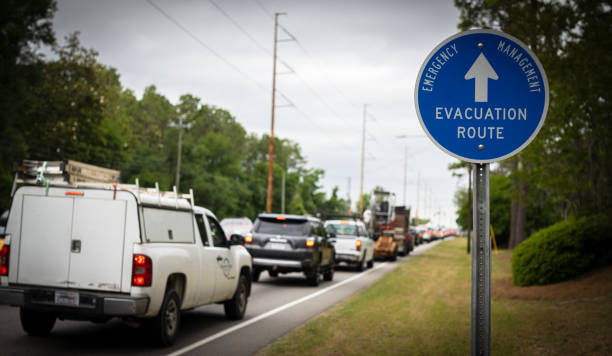
Here’s a fact that surprises a lot of Pembroke Pines residents: the city sits entirely outside Broward County’s official hurricane evacuation zones. That’s genuinely good news in one sense — you won’t be ordered to leave during most storms. But county emergency officials have been direct about the flip side: being outside the evacuation zone does not mean being outside hurricane danger. This guide covers what storm damage restoration in Pembroke Pines actually looks like when wind, fallen trees, and power outages — not evacuation-triggering flooding — are the real risk.
Why “No Evacuation Zone” Doesn’t Mean “No Risk”
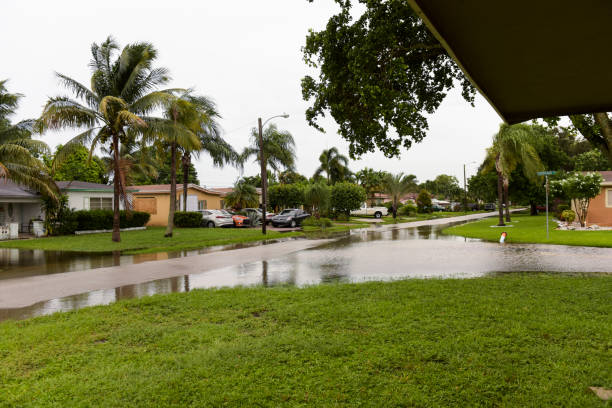
Pembroke Pines News reported at the start of the 2026 hurricane season that while Pembroke Pines residents can take comfort in being outside Broward’s designated evacuation zones, county emergency officials specifically warn that this doesn’t put the city outside hurricane danger. Located well west of the coast, Pembroke Pines is generally spared storm-surge evacuation orders — but residents remain vulnerable to heavy rainstorms, severe street flooding, destructive winds, falling trees, and extended power outages, according to the same reporting.
That distinction matters for how you prepare. A resident focused only on “am I in an evacuation zone” can miss the more likely risks: a tree through the roof, days without power affecting refrigeration and HVAC, or wind damage to siding and screens that isn’t dramatic enough to trigger an evacuation order but is expensive to repair.
The City Is Already Investing in Storm Resilience
Pembroke Pines isn’t waiting passively for the next storm. Pembroke Pines News also reported that Florida Power & Light began construction in early 2026 on the Storm Secure Underground Program — a project converting overhead power lines to underground alternatives in neighborhoods identified as most vulnerable to severe weather. That’s a direct, practical response to the extended power outages the city has experienced during past storms, and it signals the outage risk here is significant enough to justify major infrastructure investment.
1. Wind Damage Doesn’t Require a Direct Hurricane Hit
Severe thunderstorms alone — not just named hurricanes — regularly bring 60 mph wind gusts and hail to Pembroke Pines, capable of damaging roofs, siding, and trees well outside of formal hurricane season. Storm damage restoration in Pembroke Pines has to account for this broader severe-weather exposure, not just hurricane-specific events.
2. Fallen Trees Cause Damage That Isn’t Always Obvious
A tree limb through a roof is obvious. A tree that leans against a structure without fully falling, or root damage to a foundation from high winds, can be far less visible — and just as costly if left unaddressed.
3. Extended Power Outages Create Their Own Water and Mold Risk
Power outages don’t just mean lost air conditioning comfort. A sump pump without power can fail exactly when it’s needed most, and a home without AC for days in South Florida humidity can develop mold growth even without any direct storm damage to the structure itself.
4. Insurance Documentation Matters More Without an Evacuation Order
Storm damage that doesn’t trigger a mandatory evacuation can sometimes get less attention in widespread disaster reporting — which makes individual documentation even more important. Photograph damage immediately, and don’t assume “we weren’t evacuated” means insurers will treat the event as minor.
5. Response Speed Still Determines Outcomes
Whether the damage comes from wind, a fallen tree, or days of no power, the same principle applies: faster professional response limits secondary damage. Standing water from a damaged roof, or humidity buildup during an extended outage, compounds quickly regardless of what caused the initial damage.
Residential and Commercial Properties Both Face This Exposure
Pembroke Pines’ commercial corridors carry the same wind, tree, and power-outage exposure as residential neighborhoods — often with added business interruption costs when an extended outage affects refrigeration, HVAC, or operations. Storm damage restoration in Pembroke Pines’ commercial properties follows the same certified process as residential work, scaled for the property and its operational needs.
Frequently Asked Questions
Is Pembroke Pines in a hurricane evacuation zone? No. Pembroke Pines sits outside Broward County’s designated hurricane evacuation zones, though county officials still urge residents to prepare for wind damage, flooding, and power outages.
What is the Storm Secure Underground Program? It’s a Florida Power & Light infrastructure project, begun in early 2026, that converts overhead power lines to underground alternatives in Pembroke Pines neighborhoods identified as most vulnerable to severe weather.
Can severe thunderstorms cause serious damage even without a hurricane? Yes. Pembroke Pines has experienced severe thunderstorms with wind gusts up to 60 mph and quarter-size hail, capable of damaging roofs, siding, and trees outside of hurricane season entirely.
Does losing power during a storm cause damage beyond the inconvenience? It can. Extended power outages can disable sump pumps at critical moments and allow humidity to build up indoors long enough to support mold growth, even without direct structural storm damage.
Does this affect commercial properties too, or just homes? Both. Commercial properties in Pembroke Pines face the same wind, tree, and outage exposure as homes, often with added business interruption costs.
Get Fast Storm Damage Restoration Serving Pembroke Pines
Whether a recent storm brought down a tree, damaged your roof, or left you without power long enough to worry about mold, PuroClean of Hallandale Beach provides certified storm damage restoration for residential and commercial properties throughout Pembroke Pines.
- IICRC-certified technicians trained in storm damage assessment and structural drying
- Led by founder Shawntel Jackson — a Florida Licensed Mold Remediator, EPA Certified, and IICRC Certified in Water Damage Restoration (WRT), Applied Structural Drying (ASD), Applied Microbial Remediation (AMRT), and Trauma & Crime Scene Cleanup (TCST)
- 35+ years of insurance claims experience, backed by Shawntel Jackson’s background in insurance claims and risk management
- 24/7 emergency availability for both residential and commercial properties throughout Pembroke Pines
Don’t wait for “no evacuation order” to mean “no damage.” Call PuroClean of Hallandale Beach at (754) 263-0203 for certified storm damage restoration today.
Related Reading
More from PuroClean of Hallandale Beach:
- Flood Damage Restoration in Pembroke Pines: 5 Proven Fixes — a useful contrast: chronic canal-drainage flooding vs. the wind/power-outage risk covered here
- Water Damage Restoration Miramar: 5 Proven Ways to Save on What’s Coming (once published)
From the live PuroClean of Hallandale Beach site:
- Storm Damage Restoration Near Me: Why Local Response Time Saves You Money
- Preparing for Hurricanes: Essential Safety Tips in South Florida
- Florida Hurricane Tips
- Pembroke Pines Service Area page
From PuroClean’s national resources:
Available 24/7/365 | IICRC Certified | (754) 263-0203 | Contact Us Online | Google Business Profile