


Hardwood flooring adds timeless beauty and value to any home or business. But when water seeps in—whether from a burst pipe, heavy rains, appliance leaks, or flooding—it can quickly turn your gorgeous floors into a warped, stained, and mold-prone disaster.
Table of Contents

Hardwood floor water damage isn’t just a cosmetic issue—it can lead to long-term structural damage, mold growth, and safety risks if not addressed quickly and properly.
As in all water-related property damage, time is crucial. Floors are at a greater risk for permanent water damage and mold growth
There’s nothing worse than watching your gorgeous hardwood floors warp, cup, or turn black after a flood, leak, or spill. Hardwood floor water damage doesn’t just look bad—it can lead to costly replacements and even hidden mold growth underneath your feet.
But here’s the good news: if you act fast, you can often save your floors. At PuroClean of Hendersonville, we’ve restored hundreds of water-damaged hardwood floors—some that homeowners thought were beyond repair.
Here’s exactly what to do (and what not to do) to rescue your floors. For hardwood floor water damage restoration, consider hiring a professional disaster restoration company. They have the necessary knowledge and expertise and use specialized equipment for efficient drying. However, if you want to repair hardwood floor water damage yourself, check out the tips below.
In this guide, we’ll walk you through 7 essential steps to restore water damaged hardwood floors, how to prevent future issues, and when to call the professionals at PuroClean of Hendersonville.
7 Steps to Repair Hardwood Floor Water Damage
1. Act Fast: Timing Is Everything
Water and wood don’t mix. The longer moisture sits, the deeper it penetrates, causing buckling, cupping, discoloration, mold growth and even rot.
To reduce the severity of hardwood floor water damage, begin the drying and assessment process immediately—within the first 24–48 hours if possible.
If you’re dealing with water damaged floor repair in a commercial setting, fast action is also crucial to avoid business interruptions and liability risks.
2. Identify the Source of Water
Before you start any hardwood floor repair water damage efforts, you need to stop the source of the water. Common culprits include:
- Leaking appliances (dishwasher, fridge, washing machine)
- Burst or leaking pipes
- Roof leaks or clogged gutters
- Flooding due to storms or natural disasters
Once you’ve stopped the source, document the damage for insurance purposes and begin drying.
3. Remove Standing Water Immediately
Use a wet/dry vacuum, mop, or towels to remove standing water from the surface. Avoid using household vacuums not designed for water, as they can pose electrical hazards.
This step is critical for hardwood floor water damage, especially if you’re trying to save your floorboards before they start warping or swelling.
4. Dry the Area Thoroughly
It’s not enough to just remove visible water. Wood is porous and absorbs moisture, especially underneath the boards and in subflooring. Drying thoroughly involves:
- Air movers or industrial fans
- Dehumidifiers to pull moisture from the air
- Opening windows (if humidity outside is lower than indoors)
- Removing baseboards to allow airflow to wall cavities
Avoid using excessive heat or direct sunlight, as this can cause the wood to dry unevenly and crack.
5. Inspect for Mold and Hidden Damage
One of the sneakiest dangers of hardwood floor water damage is mold. Even if the surface looks dry, mold can grow beneath boards or in subfloor layers in as little as 48 hours.
If there’s a musty smell, discoloration, or signs of mold, stop DIY efforts and call a professional mold remediation team—especially in commercial buildings, where safety and liability are concerns.
6. Sand, Refinish, or Replace Damaged Boards
After the floor is fully dry (this can take several days to a few weeks depending on severity), inspect the boards:
- Slight cupping or discoloration: Sanding and refinishing may be enough
- Severe buckling or mold damage: Boards will need to be replaced
- Subfloor damage: Removal and repair of subflooring may be necessary
This step is often where expert help makes a difference. Trying to fix warped or damaged boards without the right tools can make things worse.
7. Call in Water Damage Experts; PuroClean of Hendersonville (615) 348-7200
While small spills or minor leaks may be manageable, larger-scale hardwood floor water damage should always be handled by professionals. Here’s why:
- Moisture meters are used to detect hidden water in subfloors and walls
- Industrial drying equipment ensures faster, more complete restoration
- Licensed experts know how to prevent mold before it spreads
- You get thorough documentation for insurance claims
- You save money in the long run by avoiding incomplete DIY fixes

Signs You Need Professional Water Damaged Floor Repair
- Floors are buckling, warping, or sagging
- You notice a lingering musty odor
- There’s visible mold or mildew
- Water has seeped under walls or cabinets
- It’s been more than 48 hours since the damage occurred
- The damage occurred in a commercial or multi-unit building
In these cases, don’t wait. Professional hardwood floor repair for water damage can save your structure, your budget, and your peace of mind.
When dealing with a flooded hardwood floor, act quickly to save your floor from permanent damage and mold growth. Contact a professional flood remediation company, such as PuroClean of Hendersonville, that can quickly mitigate the damage and implement the best course of action.
How Professionals Restore Hardwood Floor Water Damage
Step 1: Assessing the Flooring Type and Installation Method
Every hardwood floor water damage restoration begins with a careful inspection. Professionals start by identifying the type of wood flooring involved—whether it’s oak, maple, cherry, or a more exotic species. Different woods absorb and retain moisture differently, which can significantly affect the drying strategy.
In some cases, the flooring might only look like real wood. Laminate and engineered wood products often have a wood-like appearance but behave very differently when exposed to water. For example, laminate flooring typically includes a dense particleboard core beneath a surface coating. When water seeps into these materials, the damage is often irreversible because the moisture becomes trapped beneath the surface layer. The top coating acts like a vapor barrier, preventing proper evaporation.
This is where professional expertise really makes a difference. A certified PuroClean technician will not only identify the flooring type, but also assess how it was installed—whether it’s nailed down, glued, or floating.
- Nailed floors may lift as the wood swells and the fasteners loosen.
- Glued floors can lose adhesion when moisture breaks down the bonding agents.
- Floating floors (often laminate) may warp or delaminate, especially if they’re not made of solid wood.
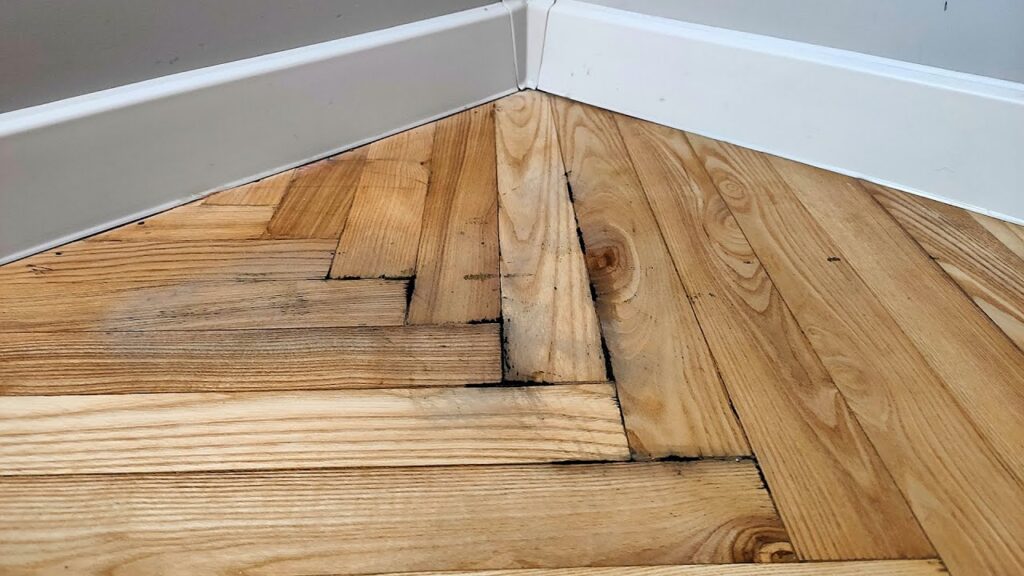
- Tongue-and-groove hardwood can “cup,” where the edges rise higher than the center due to uneven moisture absorption.
Understanding the structure of your floor is essential before any drying begins. That’s why calling in PuroClean’s restoration professionals early can save both time and money.
Step 2: Controlled Drying—Patience Pays Off
After determining the floor’s type and installation method, professionals move into the drying phase. This isn’t something you want to rush.
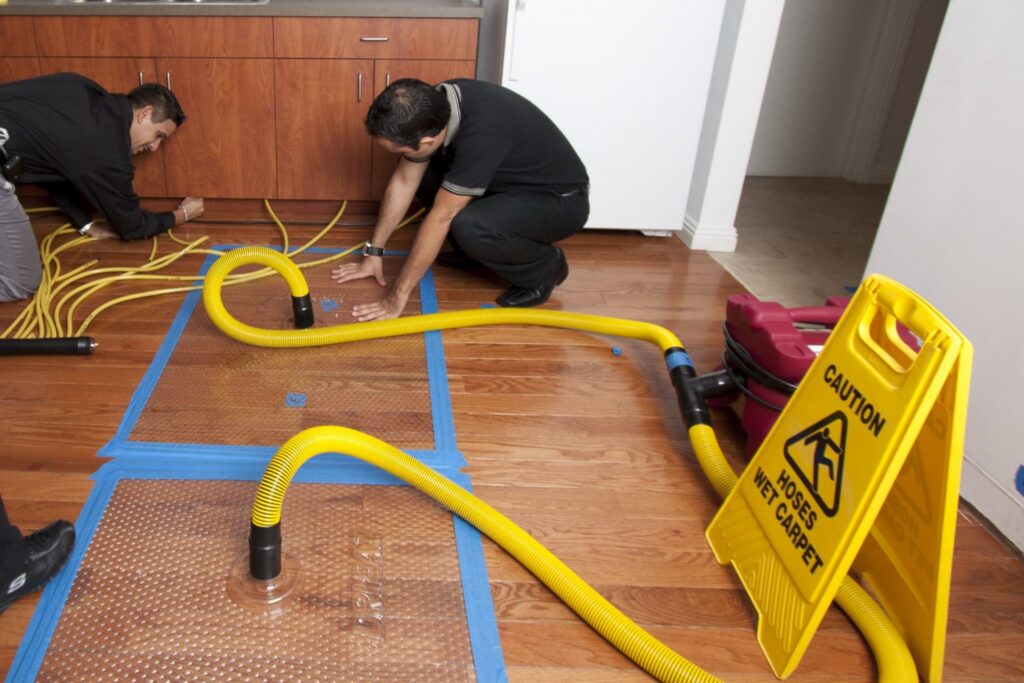
Using specialized drying equipment—like high-capacity air movers, dehumidifiers, and moisture detection tools—technicians create airflow above and below the floorboards. In some cases, they may even access the flooring from below (such as through a crawlspace or basement) to speed up the process without damaging the surface.
It’s important to note: Drying hardwood floors takes time.
Even under optimal conditions, it typically takes 7 to 10 days for moisture levels to reduce enough to stop forced drying. The goal is to bring the wood within 4% of its dry standard moisture content. After that, natural airflow and environmental conditions will continue to slowly release the remaining moisture—this final phase can take another 3 to 6 months depending on the conditions.
Attempting to rush the process or apply heat too aggressively can cause warping, cracking, or permanent damage. This is a job where professional training, equipment, and patience make all the difference.
Step 3: Refinishing and Repairing the Surface
Once the floor is dry, it’s time to assess the visible damage. In many cases, the protective finish on the wood—like polyurethane or wax—may have blistered, cracked, or peeled. These finishes can actually slow down drying, so they’re often stripped during the restoration process.
It’s also normal to see signs of slight cupping or movement in the floorboards, which can cause the finish to “check” (crack along the surface). This isn’t necessarily permanent damage. After proper drying, most floors can be professionally sanded and refinished to restore their original beauty and shine.
If the damage is too extensive or boards have warped beyond repair, individual planks may need to be replaced—especially in high-traffic or commercial areas.
Why Professional Hardwood Floor Water Damage Repair Matters
Drying and restoring hardwood floor water damage isn’t just about removing water—it’s about understanding wood behavior, construction methods, and long-term moisture effects. It requires:
- Moisture mapping tools
- Deep knowledge of wood species and floor types
- Specialized equipment for safe, efficient drying
- Awareness of mold risks and subfloor damage
- The ability to restore the finish to pre-loss condition
At PuroClean of Hendersonville, our certified technicians specialize in both water damage restoration and mold remediation, so we don’t just fix the surface—we get to the root of the issue.
If your floors have been impacted by water, don’t guess your way through the restoration. Trust the pros who do this every day—with precision, care, and speed.
How to Prevent Hardwood Floor Water Damage in the Future
You can’t always predict water damage, but you can minimize your risk:
- Install moisture barriers under hardwood flooring
- Seal gaps between boards and around baseboards
- Regularly inspect plumbing, appliances, and roof
- Use mats and rugs in high-risk areas (entryways, kitchens, bathrooms)
- Install leak detectors under sinks and appliances
- Maintain proper humidity levels indoors
When Water Damage Leads to Mold—We’ve Got You Covered
If your hardwood floor water damage has gone unnoticed for too long, chances are high that mold is already spreading below the surface.
That’s where PuroClean of Hendersonville comes in.
We specialize in water damage restoration, mold removal, and remediation for both homes and businesses. Our certified technicians use advanced drying systems, moisture detection tools, and HEPA filtration to eliminate the problem—not just cover it up.
Why Choose PuroClean of Hendersonville?
✅ 24/7 Emergency Response
✅ Commercial-Grade Equipment
✅ Certified Mold Remediation Experts
✅ Insurance-Friendly Documentation
✅ Fast, Friendly, and Local Service
Don’t Let Water Damage Sink Your Investment. Call PuroClean of Hendersonville (615) 348-7200 for Emergency Water Damage Restoration in Hendersonville and all Middle Tennessee
If your floors are suffering from hardwood floor water damage, call the pros before it turns into a major repair bill—or worse, a health issue. Whether you need water damaged floor repair, mold cleanup, or full hardwood floor repair from water damage, we’re here to help.
📞 Call PuroClean of Hendersonville now for expert restoration.
Protect your home, your business, and your peace of mind—starting today.
FAQs About Hardwood Floor Water Damage
Q: Can hardwood floors be saved after water damage?
A: Yes, depending on the extent and how quickly you act. Minor damage can often be dried and refinished, while severe damage may require board or subfloor replacement.
Q: How long does it take for water damaged hardwood floors to dry?
A: Drying can take anywhere from a few days to several weeks, depending on the severity, temperature, humidity, and airflow.
Q: Will insurance cover hardwood floor water damage?
A: Most homeowners and business insurance policies cover water damage from sudden events like burst pipes, but not from long-term leaks or neglect. Always check your specific policy.
Q: What happens if you don’t fix water damaged wood floors?
A: Left untreated, water damage can lead to mold, rot, structural instability, and lower property value. It can also become a health hazard.
Q: Should I replace or refinish water damaged hardwood floors?
A: This depends on the extent of the damage. Professionals can evaluate whether sanding/refinishing is enough or if replacement is needed.