 PuroClean of Howell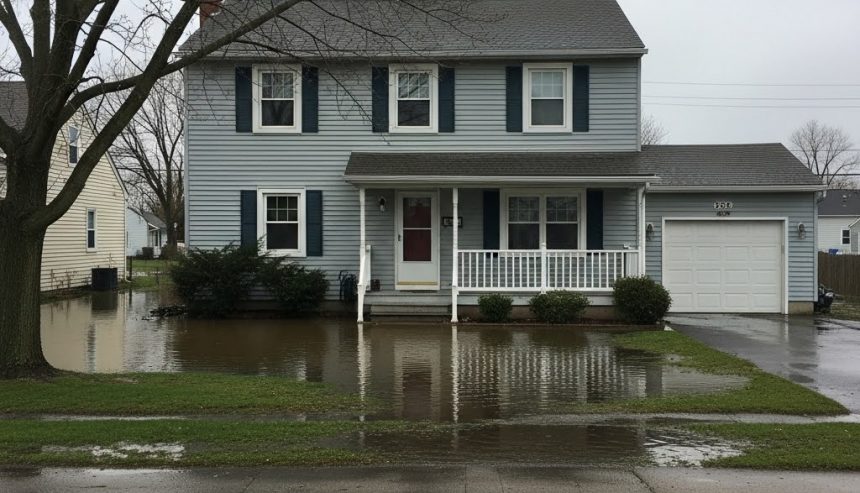
Spring in Michigan can bring more than warmer weather. As the ground begins to thaw and early rains move in, many homes and buildings face an increased risk of flooding. Melting snow, backed-up gutters, and heavy seasonal storms can lead to water creeping into basements, garages, and lower floors.
Instead of waiting until the water is already inside, we recommend preparing ahead so cleanup is easier and safer. Knowing what to expect, what to fix, and what to watch for can save time and reduce damage. Below, we walk through flood preparation steps, signs of trouble, and why calling a flood restoration service can help speed up recovery if water does get in.
Understanding Spring Flood Risks in Michigan
In early spring, the ground in Michigan is often still frozen beneath the surface. This makes it harder for rain or melted snow to soak into the soil. When water has nowhere to go, it flows toward the lowest point, usually basements or crawl spaces.
Heavy rain is common during spring storms, and when it lands on top of snow piles, it leads to fast melting. Add clogged gutters or storm drains to the mix, and that extra water can push against your foundation or into basement windows.
Some properties are more likely to be impacted than others. Older homes may have foundation cracks that let water seep in. If the land around the building doesn’t slope away, water builds up along the walls. Early indicators can show up before actual flooding starts:
- Pools of water near outside walls
- Dripping or damp spots in basements
- Musty smells that grow stronger after rain
- Overflowing gutters during a light storm
Spotting these signs gives a head start before problems grow bigger.
Steps to Protect the Building Before Flooding Starts
Getting ready for spring flooding isn’t only for high-risk properties. Simple checks and cleanups can make it easier to manage if water does reach your space.
- Clear out leaves, debris, and buildup from gutters and downspouts so water flows away from the building
- Walk the outside and look for any low points where water collects and stays after rain
- Check your basement for cracks in walls or places where past water stains appear
Preparing the inside helps too. Store boxes and soft materials off the basement floor, using shelves or plastic bins. Raise wiring or plug-in equipment where possible.
Another smart step is learning where your main shut-off valves are located. Knowing how to turn off water and electricity safely can make a big difference during a flood or repair.
What to Expect From a Professional Cleanup After a Flood
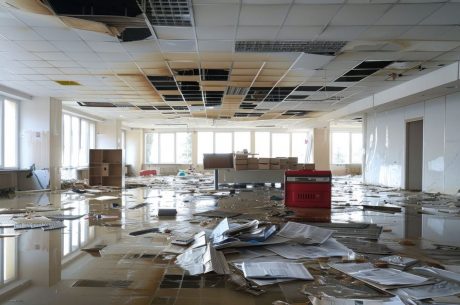
Even with prep work, flooding can still happen. Whether from a storm, snowmelt, or a burst pipe, the cleanup process takes more than mopping and fans. This is where a flood restoration service becomes helpful.
First, the water has to be removed. Pumps or vacuums clear out standing water quickly. Next, fans and dehumidifiers help dry out walls, flooring, and any soaked surfaces. Not everything dries at the same speed, so checking which materials need extra help is part of the process.
Once moisture has been pulled out, careful cleaning follows. Walls, baseboards, and even subfloors might need scrubbing or removal if mold has started. One area we never skip is the air system. Vents and ductwork can hold on to damp air and carry it through the building. Leaving this untreated leads to future air quality problems.
As part of our process, we use advanced moisture detection tools to locate hidden water, and commercial-grade cleaning agents to destroy bacteria and prevent mold. Our fast response helps limit the damage and reduce the risks of long-term odor or structural problems.
Areas That Are Easy to Miss But Often Get Damaged
Flood damage doesn’t always sit in plain view. Water travels in quiet paths and hides behind or beneath materials. Buildings often show signs later if these areas were missed during cleanup.
We always check small or hidden places including:
- Inside closets or shelving units near the floor
- Crawl spaces under the house
- Behind kitchen or utility room cabinets
- Under carpet or padding
- Between walls where insulation got wet
Leaving moisture in these places can lead to smell, damage, or mold growth weeks later. A full inspection after drying out helps make sure nothing got skipped. Once everything is exposed and checked, the risk of future surprises drops sharply.
How Proper Planning Makes Cleanup Faster and Less Costly
Taking time to prepare ahead of spring flooding makes a difference that is both practical and personal. Even small steps, like testing a sump pump or stacking items on safer shelves, create less mess to clean up if water gets in. That adds up to less time dealing with repairs and more time focusing on getting things back to normal.
We have seen how early planning leads to faster decisions later. When cleanup crews know what they are walking into, the work gets done sooner, and the rest of daily life does not have to stay on hold for too long.
More than anything, preparation gives peace of mind. That matters when the forecast calls for rain, or when snow starts melting faster than expected. Having a plan means less guessing when water begins to rise, and that can make every next step a little easier.
At PuroClean of Howell, we understand how quickly rising water can disrupt your home or business, which is why we stay prepared to address spring flooding before it becomes a bigger problem. When water intrusion occurs, our flood restoration service responds swiftly to remove water and thoroughly clean affected areas. We are dedicated to identifying and restoring every area impacted by water damage, ensuring nothing goes unnoticed. Reach out whenever you need prompt, reliable help.


 PuroClean of Howell