 PuroClean of Huntington
Flooding is a natural disaster that can wreak havoc on homes, properties, and entire communities. With climate change intensifying weather patterns, the risk of flooding is on the rise, making it essential for homeowners to adopt proactive measures.
One of the most effective ways to combat this threat is through strategic landscaping. By thoughtfully designing your outdoor space, you can significantly reduce the risk of water damage to your property. In this blog, we’ll explore effective tips for landscaping to prevent flooding, ensuring your home remains safe and dry.
1. Understanding the Importance of Landscaping to Prevent Flooding
Landscaping to prevent flooding is more than just planting trees and shrubs. It’s about creating a landscape design that controls water flow, enhances drainage, and prevents soil erosion. By understanding how water moves across your property, you can implement strategies that direct it away from vulnerable areas, such as your home’s foundation.
One of the key principles of landscaping to prevent flooding is ensuring that your yard has proper grading. Grading involves shaping the land to create a slope that directs water away from your home. Ideally, the ground should slope away from your house at a rate of about six inches for every ten feet. This slope ensures that rainwater and melting snow flow away from your foundation, reducing the risk of flooding and water damage.
Another crucial aspect of landscaping to prevent flooding is the use of permeable surfaces. Traditional concrete and asphalt driveways can exacerbate flooding by preventing water from seeping into the ground. Instead, consider using permeable materials such as gravel, permeable pavers, or even grass pavers. These materials allow water to penetrate the surface, reducing runoff and the likelihood of flooding.
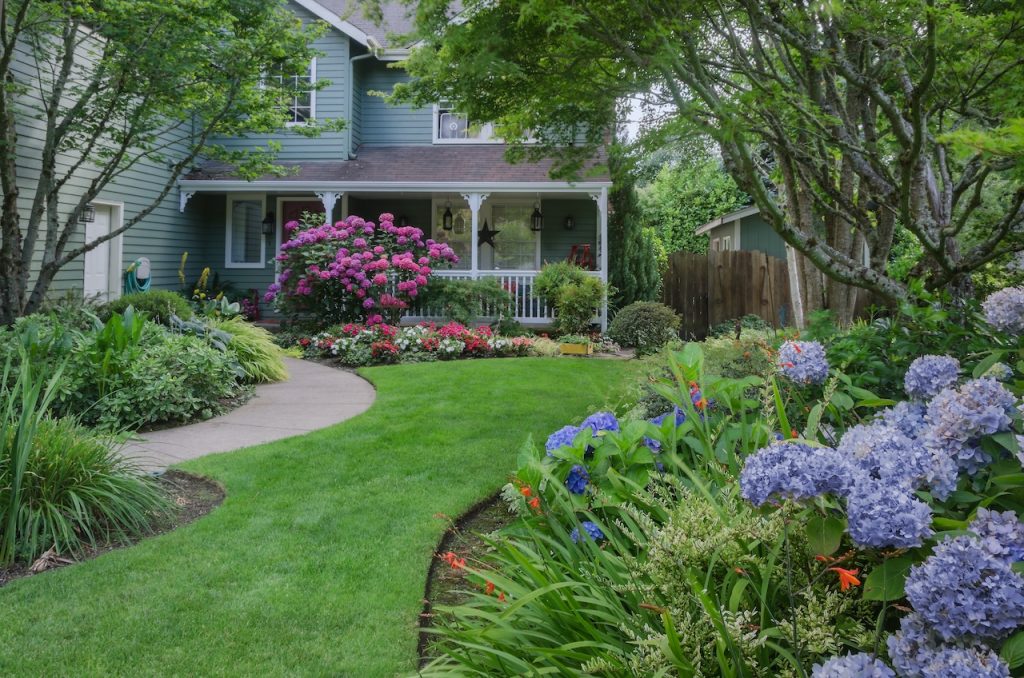
2. Incorporate Rain Gardens for Natural Drainage
Rain gardens are one of the most effective landscaping features for preventing flooding. A rain garden is a shallow planted depression designed to collect and absorb rainwater runoff from roofs, driveways, and other impervious surfaces. By capturing water and allowing it to slowly infiltrate the ground, rain gardens help reduce runoff, improve water quality, and mitigate flooding.
When designing a rain garden, consider its location carefully. It should be positioned at least 10 feet away from your home’s foundation and in a low-lying area that naturally collects water. The size of your rain garden will depend on the amount of runoff your property generates, but it’s generally recommended to make up about 20% of the area draining into it.
The choice of plants is also crucial for the success of your rain garden. Native plants are ideal because they are well adapted to Long Island’s soil and climate conditions. They also have deep root systems that help absorb water and prevent erosion. Popular rain garden plants in Suffolk and Nassau County include black-eyed Susan, swamp milkweed, and switchgrass.

3. Utilize Swales for Effective Water Management
Swales are another excellent landscaping feature for preventing flooding. A swale is a shallow, gently sloping ditch that channels water away from your home and towards a designated drainage area. Swales are particularly useful for properties with large lawns or gardens that require efficient water management.
To create a swale, start by identifying the natural flow of water on your property. The swale should follow this path, guiding water away from vulnerable areas. Line the swale with grass or other vegetation to slow down water flow and promote infiltration. You can also incorporate rocks or gravel at the base to further enhance drainage.
4. Plant Trees and Shrubs Strategically
Trees and shrubs play a vital role in landscaping to prevent flooding. Their root systems help absorb water, reduce runoff, and prevent soil erosion. Additionally, the canopy of a tree can intercept rain, reducing the amount of water that reaches the ground during a storm.
When planting trees and shrubs in Suffolk and Nassau County, consider species that thrive in the local environment. Native trees such as red maple, river birch, and eastern red cedar are excellent choices due to their ability to withstand wet conditions and absorb excess water. Shrubs like inkberry and winterberry holly can be used to create buffer zones around your yard, particularly in areas prone to erosion.
5. Install French Drains for Efficient Water Redirection
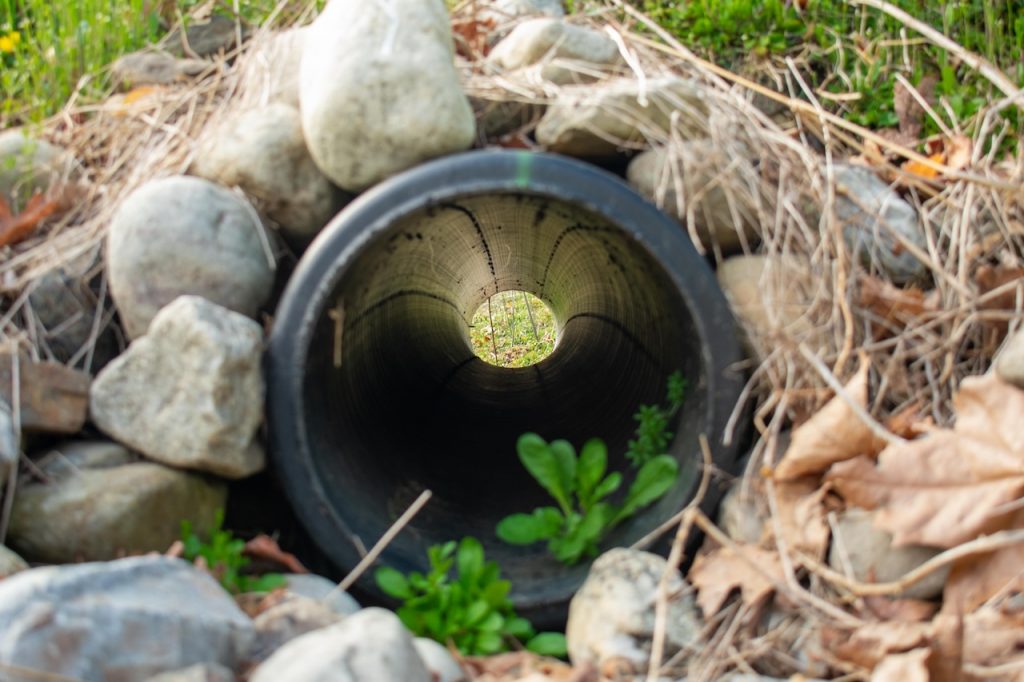
A French drain is a simple yet highly effective solution for landscaping to prevent flooding. It consists of a trench filled with gravel and a perforated pipe that redirects water away from your home. French drains are particularly useful for properties with poor natural drainage or areas that frequently become waterlogged.
To install a French drain, dig a trench in the area where water tends to accumulate. The trench should slope downward, directing water towards a safe drainage area, such as a dry well or storm drain. Place the perforated pipe in the trench, cover it with gravel, and then cover the trench with soil and grass. This system will capture and redirect excess water, reducing the risk of flooding.
6. Use Retaining Walls to Control Water Flow
Retaining walls are another valuable tool in landscaping to prevent flooding, especially on sloped properties. A retaining wall is a structure designed to hold back soil and create a level surface. It can also be used to redirect water flow, preventing it from rushing down slopes and causing erosion or flooding.
When designing a retaining wall, it’s important to consider the height, materials, and drainage. Materials such as stone, brick, or concrete blocks are commonly used for retaining walls due to their durability and strength. In Long Island, where coastal flooding is a concern, retaining walls can be reinforced to withstand heavy rainfall and storm surges.
7. Maintain Your Landscaping to Prevent Flooding
Regular maintenance is crucial for ensuring that your landscaping continues to effectively prevent flooding. Over time, soil can erode, plants can become overgrown, and drainage systems can become clogged. By regularly inspecting and maintaining your landscape, you can address these issues before they lead to flooding.
Key maintenance tasks include:
- Clearing debris from swales, rain gardens, and French drains to prevent blockages.
- Pruning trees and shrubs to maintain plant health and water absorption.
- Regrading your yard if necessary to restore proper drainage.
By following these landscaping tips to prevent flooding, you can protect your home and property from the devastating effects of water damage. Whether you’re installing a rain garden, planting trees, or building a retaining wall, each of these strategies plays a crucial role in managing water and reducing the risk of flooding.
Contact PuroClean of Huntington for Emergency Water Restoration Services Today!
If your lawn has already flooded despite your best efforts, it’s crucial to take immediate action to minimize damage. In such cases, calling PuroClean of Huntington can be a game-changer. As experts in water damage restoration, we can quickly assess the situation, remove excess water, and implement drying techniques to prevent further damage to your property. Call us at (631) 402-9700 or visit our website to find out more.



 PuroClean of Huntington