


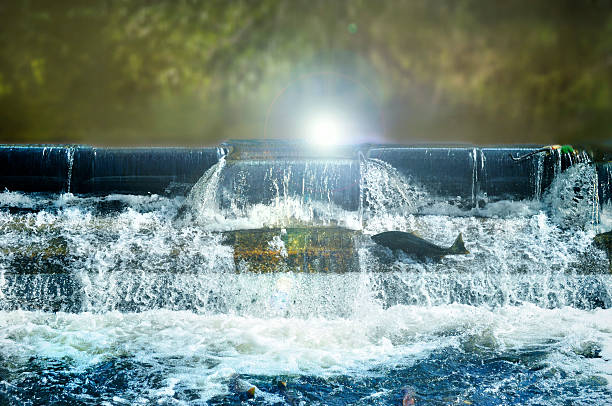
December 10, 2025. Issaquah Creek hit Phase 4. Water poured into basements across Issaquah and Tibbetts Creek valleys. Thousands of homeowners watched helplessly as brown creek water destroyed finished basements, HVAC systems, and irreplaceable belongings.
Then came the insurance claims. And the denials.
“We’re sorry, but your policy doesn’t cover flood damage.”
“Your documentation is insufficient to verify the extent of loss.”
“You waited too long to report the damage—mold isn’t covered.”
“The adjuster found evidence of pre-existing moisture problems.”
I watched my neighborhood go through this nightmare. Families who suffered $40,000, $60,000, even $100,000 in flood damage received denial letters or settlement offers for a fraction of actual losses.
The kicker? Most of these denials were completely avoidable. Homeowners made predictable mistakes in the chaos after flooding—mistakes that professional 24/7 emergency response for water damage Issaquah, WA specialists see repeatedly and know how to prevent.
Mistake #1: Assuming Homeowners Insurance Covers Creek Flooding
This is the most expensive misunderstanding Issaquah homeowners made after December 2025.
Your standard homeowners insurance policy does NOT cover flood damage from Issaquah Creek or Tibbetts Creek overflow. It never has. It never will. The policy exclusions are crystal clear, even though most homeowners have never read them.
According to Washington State Insurance Commissioner Patty Kuderer’s guidance on post-flood insurance, homeowner and commercial insurance policies usually don’t cover flood damage and require separate flood insurance policies.
Here’s what happened to dozens of Issaquah families: water entered their homes during Phase 4 flooding. They assumed homeowners insurance would cover it. They filed claims. Insurance companies correctly denied the claims, citing flood exclusions.
Total payout: $0.
The City of Issaquah’s December 2025 flooding page explicitly states: “If you have flood insurance, contact your insurance agent to file a claim.” Notice the qualifier: “if you have flood insurance.” That’s because most people don’t.
Flood insurance is a separate policy through the National Flood Insurance Program or private insurers. It has a 30-day waiting period before coverage begins, meaning you needed to purchase it before December 2025 flooding occurred.
If you didn’t have flood insurance when Issaquah Creek reached Phase 4, you’re paying for all damage out-of-pocket. Period.
This is why immediate 24/7 emergency response for water damage Issaquah, WA matters even more when you lack flood coverage. Without insurance paying for professional restoration, preventing mold growth and secondary damage becomes your only financial protection.
Mistake #2: Cleaning Up Before Documentation
The single most common mistake that destroys insurance claims: homeowners cleaned up flood damage before documenting everything.
I get it. Water is destroying your basement. You want to save what you can. You start pumping out water, throwing away ruined belongings, and cleaning mud off floors.
You just made your insurance claim nearly impossible to prove.
Insurance Commissioner Kuderer’s letter to insurance companies emphasized this critical point: “Document your flood damage as soon as it’s safe after the floodwaters have receded and before your insurance adjuster arrives.”
The City of Issaquah’s guidance specifically instructs: “Make sure to document all your damages, both inside your home and around your property – before clean up, take photos and make a list.”
Here’s what documentation means in practice:
Take photos and videos of:
- Standing water with visible depth markers
- High water marks on walls showing flood extent
- Every damaged item before moving or discarding it
- Damaged structural elements (drywall, flooring, insulation)
- HVAC equipment, water heaters, and appliances touched by floodwater
- The path water took entering your home
- Exterior damage showing how flooding occurred
Create detailed written lists including:
- Make, model, and serial numbers for appliances and electronics
- Purchase dates and original costs for damaged items
- Repair estimates from contractors (get multiple quotes)
- Every receipt from emergency cleanup, repairs, and temporary housing
My neighbor threw away water-damaged furniture, carpet, and belongings within hours of flooding. When the insurance adjuster arrived three days later, there was nothing to inspect. The adjuster saw clean concrete floors and empty rooms.
Claim denied. Insufficient documentation of actual damage.
Professional 24/7 emergency response for water damage Issaquah, WA companies understand this documentation requirement and work around it. They photograph everything before touching anything, create detailed damage inventories, and coordinate with adjusters to ensure you have proof of loss.
Mistake #3: Missing the 60-Day Proof of Loss Deadline
Flood insurance claims require a “proof of loss” form filed within 60 days of the flooding. Miss this deadline, and your claim is automatically denied regardless of how legitimate the damage.
According to the National Flood Insurance Program Claims Handbook, you must submit your proof of loss within 60 days of your loss. Some extensions are possible, but they’re not guaranteed.
What is proof of loss? It’s a sworn statement detailing:
- The date, time, and cause of flooding
- Your property’s condition before flooding
- Complete inventory of damaged property with values
- Repair estimates and contractor quotes
- Supporting documentation (photos, receipts, appraisals)
This isn’t something you fill out casually. It’s a legal document submitted under oath. Errors, inconsistencies, or underestimations can reduce your payout or trigger denial.
December 2025 flooding created perfect conditions for homeowners to miss this deadline. Families were dealing with:
- Temporary relocation while homes were uninhabitable
- Overwhelmed contractors with 2-3 month backlogs
- Holiday season disruptions (flooding occurred days before Christmas)
- Extended power outages delaying damage assessment
Sixty days flies by when you’re living in a hotel, waiting for contractors, and handling family obligations during the holidays.
Professional 24/7 emergency response for water damage Issaquah, WA specialists help track these deadlines and compile documentation while responding to the emergency. They understand that claim success depends on hitting every timeline requirement.
Mistake #4: Not Understanding Basement Coverage Limitations
Even if you have flood insurance, basement coverage is severely limited. Most Issaquah homeowners discovered this painful fact after December 2025.
According to NFIP policies, basements receive limited coverage. Building coverage for basements only includes specific items if they’re connected to power and installed:
- Furnaces and water heaters
- Electrical panels and junction boxes
- Sump pumps
- Central air conditioning equipment
- Water tanks and pumps
Not covered in basements:
- Finished drywall, insulation, and studs
- Flooring (carpet, tile, hardwood)
- Personal belongings stored in basements
- Furniture, electronics, clothing
- Recreational equipment, tools, seasonal items
Families with $50,000 in finished basement damage—entertainment centers, home gyms, guest bedrooms—received settlements covering only the furnace and electrical panel. Maybe $5,000 if they were lucky.
The City of Issaquah’s December 2025 resources note: “Save all your receipts from repairs and clean up” precisely because flood insurance may not cover everything, and you’ll need documentation for tax deductions or disaster assistance applications.
This limitation makes immediate 24/7 emergency response for water damage Issaquah, WA even more critical. Since insurance won’t replace your finished basement, preventing mold growth and structural damage to what you can’t afford to replace becomes essential.
Mistake #5: Waiting Too Long to Report Claims
Insurance companies expect prompt notification. Waiting even 48 hours can raise red flags that reduce payouts or trigger denials.
Commissioner Kuderer’s guidance emphasizes: “Report the flood and your loss to your insurance provider as soon as possible.”
The NFIP instructs: “Notify your insurer as soon as possible” and “Contact your adjuster. An official adjuster will inspect the damage, explain your coverage, and help you prepare a ‘proof of loss’ form.”
Here’s why immediate reporting matters:
Mold growth starts within 24-48 hours. If you wait three days to report flooding, then the adjuster schedules an inspection for four days later, a full week has passed. By then, mold is visibly growing.
Standard flood insurance policies do not cover mold damage. Adjusters arriving to homes with visible mold can attribute the damage to mold (excluded) rather than flooding (covered), reducing payouts.
Fraud suspicion increases with delayed reporting. Insurance companies question why homeowners waited to report significant damage. Delayed claims trigger additional investigation and scrutiny.
Documentation becomes harder. Water marks fade. Flood residue dries. Physical evidence of flooding extent disappears, making damage verification more difficult.
The December 2025 flooding occurred during holiday season when people had other priorities. Some homeowners waited until after Christmas to deal with insurance claims. That delay cost them thousands in reduced settlements.
Professional 24/7 emergency response for water damage Issaquah, WA services report damage immediately and begin documentation while water is still present. They coordinate with insurance companies to ensure timely adjuster inspections.
Mistake #6: Throwing Away Damaged Items Before Adjuster Inspection
This mistake seems counterintuitive. Health officials urge removing flood-damaged items that pose health risks. Insurance companies need to inspect damaged items before you dispose of them.
The NFIP Claims Handbook acknowledges this tension: “Once you’ve documented damage, immediately throw away flood-damaged items that could pose health risks such as perishable food, clothing, carpets and pillows.”
Notice the critical word: “documented.”
You can throw away health hazards—but only after photographing them, listing them with detailed descriptions, and creating a complete inventory. The City of Issaquah instructs: “Do not dispose of damaged items before documentation. Insurance companies need to verify what was damaged. Photograph everything before disposal.”
What homeowners did wrong after December 2025:
- Immediately disposed of moldy carpet without photographing
- Hauled damaged furniture to the dump before listing make/model
- Discarded ruined appliances without recording serial numbers
- Cleaned out basements completely before adjuster arrival
What adjusters saw when they arrived:
- Empty rooms with no proof of what was damaged
- Incomplete damage estimates based on homeowner memory
- Insufficient evidence to justify claimed losses
Result: drastically reduced settlements.
Professional 24/7 emergency response for water damage Issaquah, WA companies handle this correctly. They document everything first, create detailed inventories insurance companies accept, and dispose of health hazards only after creating legally defensible proof of loss.
Mistake #7: Not Hiring Professional Restoration Immediately
The most expensive mistake: attempting DIY flood cleanup to “save money” on professional restoration.
Here’s what happened to multiple Issaquah families after December 2025:
Day 1: Flooding occurs. Homeowner rents equipment from hardware store and pumps out water themselves.
Day 3: Homeowner attempts drying with fans and portable dehumidifiers.
Day 7: Musty smell appears. Visible mold spots on drywall.
Day 10: Insurance adjuster arrives, sees mold damage, reduces payout citing policy exclusions.
Day 14: Homeowner finally calls professional 24/7 emergency response for water damage Issaquah, WA. Assessment reveals:
- Extensive hidden mold behind walls
- Structural drywall damage requiring replacement
- Insulation saturation requiring removal
- HVAC contamination spreading mold spores throughout home
Now instead of $8,000 for immediate professional water extraction and drying, they face $35,000 in mold remediation and reconstruction—which insurance won’t cover because mold isn’t included in flood policies.
Commissioner Kuderer’s letter specifically addresses this issue, noting “how quickly mold can grow after a flooding event, which could begin before an adjuster is available to inspect a home.”
Professional restoration companies understand insurance requirements and work within policy frameworks to maximize covered claims. They:
- Document before beginning work
- Coordinate with adjusters on timing
- Use industry-standard protocols insurance companies recognize
- Provide detailed estimates insurance companies accept
- Prevent mold growth that would exclude coverage
The King County flood recovery page warns: “Most standard insurance policies for homeowners, renters, and businesses do not cover mold, fungi, rust, or rot.”
Every hour you delay professional restoration is an hour closer to mold growth that converts covered flood damage into excluded mold damage.
What December 2025 Taught Us About Future Flooding
The December 2025 atmospheric rivers weren’t an anomaly. They’re the new normal for Pacific Northwest winters.
Climate data shows these events will increase in frequency and intensity. Issaquah Creek will reach Phase 4 more often. More basements will flood. More insurance claims will be filed.
The homeowners who emerge financially intact will be those who:
- Purchase flood insurance before the next event (remember the 30-day waiting period)
- Document everything immediately when flooding occurs
- Report claims within hours, not days
- Understand their policy’s basement limitations
- Meet all deadlines for proof of loss submission
- Photograph before disposing of anything
- Hire professional 24/7 emergency response for water damage Issaquah, WA immediately
The homeowners who suffer financial devastation will repeat the same seven mistakes detailed in this article.
FAQ: December 2025 Issaquah Flooding Insurance Claims
Q: Can I still file a claim for December 2025 flooding now?
If you have flood insurance, you have 60 days from the flooding date to submit your proof of loss. For December 10, 2025 flooding, that deadline is approximately February 8, 2026. Contact your insurance provider immediately.
Q: What if I only have homeowners insurance, not flood insurance?
Standard homeowners policies exclude flood damage from creek overflow. You may qualify for federal disaster assistance if a presidential disaster declaration occurs. Check King County’s flood recovery resources for assistance programs.
Q: Will insurance cover mold that grew after December 2025 flooding?
Standard flood insurance policies do not cover mold damage. However, if you took immediate steps to prevent mold growth by hiring professional restoration, some mold remediation may be covered as part of flood damage mitigation. Documentation and timing are critical.
Q: My adjuster lowballed the damage estimate. What are my rights?
You can dispute the estimate, provide your own contractor quotes, and appeal denied or underpaid claims. The Washington State Office of the Insurance Commissioner provides resources for filing complaints and appeals at insurance.wa.gov.
Q: Should I accept the initial settlement offer?
Consult with a public adjuster or attorney before accepting. Initial offers are often significantly lower than actual losses. You have rights to negotiate and dispute settlements that don’t adequately cover documented damage.
Q: Can I deduct uninsured flood losses on my taxes?
Potentially, if a federal disaster is declared. The IRS allows casualty loss deductions for federally declared disasters. Consult a tax professional and keep all documentation of uninsured losses and repair receipts.
Q: What if my claim is denied completely?
You can appeal through your insurance company’s internal process, file complaints with the Washington State Insurance Commissioner, or consult an attorney specializing in insurance disputes. Don’t accept denials without understanding your appeal rights.
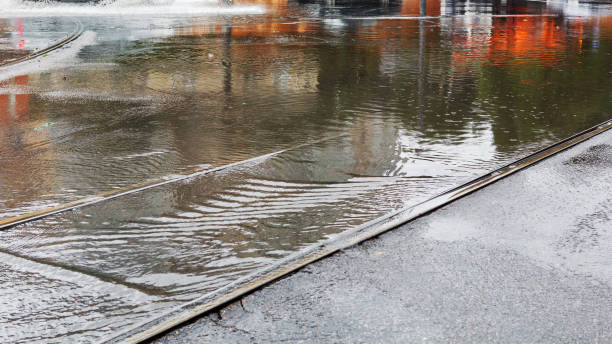
When the Next Issaquah Flood Hits: PuroClean of Sammamish Is Ready 24/7
December 2025 taught Issaquah homeowners painful lessons about insurance claims. The next flooding event will test whether those lessons were learned.
PuroClean of Sammamish provides 24/7 emergency response for water damage Issaquah, WA with comprehensive understanding of insurance claim requirements, documentation protocols, and deadline management.
We don’t just extract water and dry your property. We protect your insurance claim by:
- Documenting everything before beginning restoration work
- Creating detailed damage inventories insurance companies accept
- Taking photos and videos that meet proof of loss requirements
- Coordinating with adjusters to ensure timely inspections
- Providing industry-standard estimates that support your claim
- Preventing mold growth that would exclude coverage
- Tracking critical deadlines like the 60-day proof of loss
Our certified technicians have helped hundreds of Issaquah homeowners navigate flood insurance claims successfully. We understand NFIP policy limitations, basement coverage restrictions, and Washington State insurance regulations.
Whether you’re dealing with Issaquah Creek Phase 4 flooding, Tibbetts Creek overflow, or underground spring intrusion, we provide emergency response that protects both your property and your insurance claim.
We serve the entire Issaquah area including properties along Issaquah Creek valleys, East Lake Sammamish Parkway, Issaquah Highlands, and all neighborhoods affected by December 2025 flooding.
Don’t repeat the seven mistakes that cost your neighbors thousands in denied claims. Call PuroClean of Sammamish immediately at (425) 947-1001 when flooding threatens your Issaquah property. We’ll document damage properly, coordinate with your insurance company, and provide professional restoration that maximizes your claim payout while preventing mold growth. Available 24/7 because insurance deadlines and mold growth don’t wait for business hours.Why Thousands in Flood Damage Became $0 in Insurance Payouts
December 10, 2025. Issaquah Creek hit Phase 4. Water poured into basements across Issaquah and Tibbetts Creek valleys. Thousands of homeowners watched helplessly as brown creek water destroyed finished basements, HVAC systems, and irreplaceable belongings.
Then came the insurance claims. And the denials.
“We’re sorry, but your policy doesn’t cover flood damage.”
“Your documentation is insufficient to verify the extent of loss.”
“You waited too long to report the damage—mold isn’t covered.”
“The adjuster found evidence of pre-existing moisture problems.”
I watched my neighborhood go through this nightmare. Families who suffered $40,000, $60,000, even $100,000 in flood damage received denial letters or settlement offers for a fraction of actual losses.
The kicker? Most of these denials were completely avoidable. Homeowners made predictable mistakes in the chaos after flooding—mistakes that professional 24/7 emergency response for water damage Issaquah, WA specialists see repeatedly and know how to prevent.
Mistake #1: Assuming Homeowners Insurance Covers Creek Flooding
This is the most expensive misunderstanding Issaquah homeowners made after December 2025.
Your standard homeowners insurance policy does NOT cover flood damage from Issaquah Creek or Tibbetts Creek overflow. It never has. It never will. The policy exclusions are crystal clear, even though most homeowners have never read them.
According to Washington State Insurance Commissioner Patty Kuderer’s guidance on post-flood insurance, homeowner and commercial insurance policies usually don’t cover flood damage and require separate flood insurance policies.
Here’s what happened to dozens of Issaquah families: water entered their homes during Phase 4 flooding. They assumed homeowners insurance would cover it. They filed claims. Insurance companies correctly denied the claims, citing flood exclusions.
Total payout: $0.
The City of Issaquah’s December 2025 flooding page explicitly states: “If you have flood insurance, contact your insurance agent to file a claim.” Notice the qualifier: “if you have flood insurance.” That’s because most people don’t.
Flood insurance is a separate policy through the National Flood Insurance Program or private insurers. It has a 30-day waiting period before coverage begins, meaning you needed to purchase it before December 2025 flooding occurred.
If you didn’t have flood insurance when Issaquah Creek reached Phase 4, you’re paying for all damage out-of-pocket. Period.
This is why immediate 24/7 emergency response for water damage Issaquah, WA matters even more when you lack flood coverage. Without insurance paying for professional restoration, preventing mold growth and secondary damage becomes your only financial protection.
Mistake #2: Cleaning Up Before Documentation
The single most common mistake that destroys insurance claims: homeowners cleaned up flood damage before documenting everything.
I get it. Water is destroying your basement. You want to save what you can. You start pumping out water, throwing away ruined belongings, and cleaning mud off floors.
You just made your insurance claim nearly impossible to prove.
Insurance Commissioner Kuderer’s letter to insurance companies emphasized this critical point: “Document your flood damage as soon as it’s safe after the floodwaters have receded and before your insurance adjuster arrives.”
The City of Issaquah’s guidance specifically instructs: “Make sure to document all your damages, both inside your home and around your property – before clean up, take photos and make a list.”
Here’s what documentation means in practice:
Take photos and videos of:
- Standing water with visible depth markers
- High water marks on walls showing flood extent
- Every damaged item before moving or discarding it
- Damaged structural elements (drywall, flooring, insulation)
- HVAC equipment, water heaters, and appliances touched by floodwater
- The path water took entering your home
- Exterior damage showing how flooding occurred
Create detailed written lists including:
- Make, model, and serial numbers for appliances and electronics
- Purchase dates and original costs for damaged items
- Repair estimates from contractors (get multiple quotes)
- Every receipt from emergency cleanup, repairs, and temporary housing
My neighbor threw away water-damaged furniture, carpet, and belongings within hours of flooding. When the insurance adjuster arrived three days later, there was nothing to inspect. The adjuster saw clean concrete floors and empty rooms.
Claim denied. Insufficient documentation of actual damage.
Professional 24/7 emergency response for water damage Issaquah, WA companies understand this documentation requirement and work around it. They photograph everything before touching anything, create detailed damage inventories, and coordinate with adjusters to ensure you have proof of loss.
Mistake #3: Missing the 60-Day Proof of Loss Deadline
Flood insurance claims require a “proof of loss” form filed within 60 days of the flooding. Miss this deadline, and your claim is automatically denied regardless of how legitimate the damage.
According to the National Flood Insurance Program Claims Handbook, you must submit your proof of loss within 60 days of your loss. Some extensions are possible, but they’re not guaranteed.
What is proof of loss? It’s a sworn statement detailing:
- The date, time, and cause of flooding
- Your property’s condition before flooding
- Complete inventory of damaged property with values
- Repair estimates and contractor quotes
- Supporting documentation (photos, receipts, appraisals)
This isn’t something you fill out casually. It’s a legal document submitted under oath. Errors, inconsistencies, or underestimations can reduce your payout or trigger denial.
December 2025 flooding created perfect conditions for homeowners to miss this deadline. Families were dealing with:
- Temporary relocation while homes were uninhabitable
- Overwhelmed contractors with 2-3 month backlogs
- Holiday season disruptions (flooding occurred days before Christmas)
- Extended power outages delaying damage assessment
Sixty days flies by when you’re living in a hotel, waiting for contractors, and handling family obligations during the holidays.
Professional 24/7 emergency response for water damage Issaquah, WA specialists help track these deadlines and compile documentation while responding to the emergency. They understand that claim success depends on hitting every timeline requirement.
Mistake #4: Not Understanding Basement Coverage Limitations
Even if you have flood insurance, basement coverage is severely limited. Most Issaquah homeowners discovered this painful fact after December 2025.
According to NFIP policies, basements receive limited coverage. Building coverage for basements only includes specific items if they’re connected to power and installed:
- Furnaces and water heaters
- Electrical panels and junction boxes
- Sump pumps
- Central air conditioning equipment
- Water tanks and pumps
Not covered in basements:
- Finished drywall, insulation, and studs
- Flooring (carpet, tile, hardwood)
- Personal belongings stored in basements
- Furniture, electronics, clothing
- Recreational equipment, tools, seasonal items
Families with $50,000 in finished basement damage—entertainment centers, home gyms, guest bedrooms—received settlements covering only the furnace and electrical panel. Maybe $5,000 if they were lucky.
The City of Issaquah’s December 2025 resources note: “Save all your receipts from repairs and clean up” precisely because flood insurance may not cover everything, and you’ll need documentation for tax deductions or disaster assistance applications.
This limitation makes immediate 24/7 emergency response for water damage Issaquah, WA even more critical. Since insurance won’t replace your finished basement, preventing mold growth and structural damage to what you can’t afford to replace becomes essential.
Mistake #5: Waiting Too Long to Report Claims
Insurance companies expect prompt notification. Waiting even 48 hours can raise red flags that reduce payouts or trigger denials.
Commissioner Kuderer’s guidance emphasizes: “Report the flood and your loss to your insurance provider as soon as possible.”
The NFIP instructs: “Notify your insurer as soon as possible” and “Contact your adjuster. An official adjuster will inspect the damage, explain your coverage, and help you prepare a ‘proof of loss’ form.”
Here’s why immediate reporting matters:
Mold growth starts within 24-48 hours. If you wait three days to report flooding, then the adjuster schedules an inspection for four days later, a full week has passed. By then, mold is visibly growing.
Standard flood insurance policies do not cover mold damage. Adjusters arriving to homes with visible mold can attribute the damage to mold (excluded) rather than flooding (covered), reducing payouts.
Fraud suspicion increases with delayed reporting. Insurance companies question why homeowners waited to report significant damage. Delayed claims trigger additional investigation and scrutiny.
Documentation becomes harder. Water marks fade. Flood residue dries. Physical evidence of flooding extent disappears, making damage verification more difficult.
The December 2025 flooding occurred during holiday season when people had other priorities. Some homeowners waited until after Christmas to deal with insurance claims. That delay cost them thousands in reduced settlements.
Professional 24/7 emergency response for water damage Issaquah, WA services report damage immediately and begin documentation while water is still present. They coordinate with insurance companies to ensure timely adjuster inspections.
Mistake #6: Throwing Away Damaged Items Before Adjuster Inspection
This mistake seems counterintuitive. Health officials urge removing flood-damaged items that pose health risks. Insurance companies need to inspect damaged items before you dispose of them.
The NFIP Claims Handbook acknowledges this tension: “Once you’ve documented damage, immediately throw away flood-damaged items that could pose health risks such as perishable food, clothing, carpets and pillows.”
Notice the critical word: “documented.”
You can throw away health hazards—but only after photographing them, listing them with detailed descriptions, and creating a complete inventory. The City of Issaquah instructs: “Do not dispose of damaged items before documentation. Insurance companies need to verify what was damaged. Photograph everything before disposal.”
What homeowners did wrong after December 2025:
- Immediately disposed of moldy carpet without photographing
- Hauled damaged furniture to the dump before listing make/model
- Discarded ruined appliances without recording serial numbers
- Cleaned out basements completely before adjuster arrival
What adjusters saw when they arrived:
- Empty rooms with no proof of what was damaged
- Incomplete damage estimates based on homeowner memory
- Insufficient evidence to justify claimed losses
Result: drastically reduced settlements.
Professional 24/7 emergency response for water damage Issaquah, WA companies handle this correctly. They document everything first, create detailed inventories insurance companies accept, and dispose of health hazards only after creating legally defensible proof of loss.
Mistake #7: Not Hiring Professional Restoration Immediately
The most expensive mistake: attempting DIY flood cleanup to “save money” on professional restoration.
Here’s what happened to multiple Issaquah families after December 2025:
Day 1: Flooding occurs. Homeowner rents equipment from hardware store and pumps out water themselves.
Day 3: Homeowner attempts drying with fans and portable dehumidifiers.
Day 7: Musty smell appears. Visible mold spots on drywall.
Day 10: Insurance adjuster arrives, sees mold damage, reduces payout citing policy exclusions.
Day 14: Homeowner finally calls professional 24/7 emergency response for water damage Issaquah, WA. Assessment reveals:
- Extensive hidden mold behind walls
- Structural drywall damage requiring replacement
- Insulation saturation requiring removal
- HVAC contamination spreading mold spores throughout home
Now instead of $8,000 for immediate professional water extraction and drying, they face $35,000 in mold remediation and reconstruction—which insurance won’t cover because mold isn’t included in flood policies.
Commissioner Kuderer’s letter specifically addresses this issue, noting “how quickly mold can grow after a flooding event, which could begin before an adjuster is available to inspect a home.”
Professional restoration companies understand insurance requirements and work within policy frameworks to maximize covered claims. They:
- Document before beginning work
- Coordinate with adjusters on timing
- Use industry-standard protocols insurance companies recognize
- Provide detailed estimates insurance companies accept
- Prevent mold growth that would exclude coverage
The King County flood recovery page warns: “Most standard insurance policies for homeowners, renters, and businesses do not cover mold, fungi, rust, or rot.”
Every hour you delay professional restoration is an hour closer to mold growth that converts covered flood damage into excluded mold damage.
What December 2025 Taught Us About Future Flooding
The December 2025 atmospheric rivers weren’t an anomaly. They’re the new normal for Pacific Northwest winters.
Climate data shows these events will increase in frequency and intensity. Issaquah Creek will reach Phase 4 more often. More basements will flood. More insurance claims will be filed.
The homeowners who emerge financially intact will be those who:
- Purchase flood insurance before the next event (remember the 30-day waiting period)
- Document everything immediately when flooding occurs
- Report claims within hours, not days
- Understand their policy’s basement limitations
- Meet all deadlines for proof of loss submission
- Photograph before disposing of anything
- Hire professional 24/7 emergency response for water damage Issaquah, WA immediately
The homeowners who suffer financial devastation will repeat the same seven mistakes detailed in this article.
FAQ: December 2025 Issaquah Flooding Insurance Claims
Q: Can I still file a claim for December 2025 flooding now?
If you have flood insurance, you have 60 days from the flooding date to submit your proof of loss. For December 10, 2025 flooding, that deadline is approximately February 8, 2026. Contact your insurance provider immediately.
Q: What if I only have homeowners insurance, not flood insurance?
Standard homeowners policies exclude flood damage from creek overflow. You may qualify for federal disaster assistance if a presidential disaster declaration occurs. Check King County’s flood recovery resources for assistance programs.
Q: Will insurance cover mold that grew after December 2025 flooding?
Standard flood insurance policies do not cover mold damage. However, if you took immediate steps to prevent mold growth by hiring professional restoration, some mold remediation may be covered as part of flood damage mitigation. Documentation and timing are critical.
Q: My adjuster lowballed the damage estimate. What are my rights?
You can dispute the estimate, provide your own contractor quotes, and appeal denied or underpaid claims. The Washington State Office of the Insurance Commissioner provides resources for filing complaints and appeals at insurance.wa.gov.
Q: Should I accept the initial settlement offer?
Consult with a public adjuster or attorney before accepting. Initial offers are often significantly lower than actual losses. You have rights to negotiate and dispute settlements that don’t adequately cover documented damage.
Q: Can I deduct uninsured flood losses on my taxes?
Potentially, if a federal disaster is declared. The IRS allows casualty loss deductions for federally declared disasters. Consult a tax professional and keep all documentation of uninsured losses and repair receipts.
Q: What if my claim is denied completely?
You can appeal through your insurance company’s internal process, file complaints with the Washington State Insurance Commissioner, or consult an attorney specializing in insurance disputes. Don’t accept denials without understanding your appeal rights.
When the Next Issaquah Flood Hits: PuroClean of Sammamish Is Ready 24/7
December 2025 taught Issaquah homeowners painful lessons about insurance claims. The next flooding event will test whether those lessons were learned.
PuroClean of Sammamish provides 24/7 emergency response for water damage Issaquah, WA with comprehensive understanding of insurance claim requirements, documentation protocols, and deadline management.
We don’t just extract water and dry your property. We protect your insurance claim by:
- Documenting everything before beginning restoration work
- Creating detailed damage inventories insurance companies accept
- Taking photos and videos that meet proof of loss requirements
- Coordinating with adjusters to ensure timely inspections
- Providing industry-standard estimates that support your claim
- Preventing mold growth that would exclude coverage
- Tracking critical deadlines like the 60-day proof of loss
Our certified technicians have helped hundreds of Issaquah homeowners navigate flood insurance claims successfully. We understand NFIP policy limitations, basement coverage restrictions, and Washington State insurance regulations.
Whether you’re dealing with Issaquah Creek Phase 4 flooding, Tibbetts Creek overflow, or underground spring intrusion, we provide emergency response that protects both your property and your insurance claim.
We serve the entire Issaquah area including properties along Issaquah Creek valleys, East Lake Sammamish Parkway, Issaquah Highlands, and all neighborhoods affected by December 2025 flooding.
Don’t repeat the seven mistakes that cost your neighbors thousands in denied claims. Call PuroClean of Sammamish immediately at (425) 947-1001 when flooding threatens your Issaquah property. We’ll document damage properly, coordinate with your insurance company, and provide professional restoration that maximizes your claim payout while preventing mold growth. Available 24/7 because insurance deadlines and mold growth don’t wait for business hours.
Available 24/7/365 | (425) 947-1001 | Contact Us Online | Google Business Profile | IICRC Certified | True Emergency Response | Complete Damage Restoration Solutions