 PuroClean of Sammamish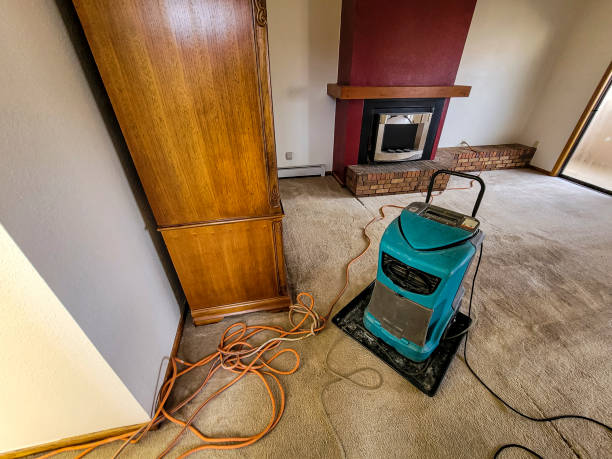
It’s 3:17 AM on a Tuesday. You wake up to the sound of water running somewhere in your house. Not the gentle patter of rain. Not a dripping faucet. The unmistakable rush of water where it shouldn’t be.
You stumble out of bed, flick on the hallway light, and your stomach drops. Water is pooling across your hardwood floor, seeping under bedroom doors, spreading faster than seems possible.
Your mind races. Do I call a plumber? Do I wait until morning? Can this even be fixed at 3 AM?
Here’s what most Issaquah homeowners don’t know until they’re standing in water at an ungodly hour: legitimate emergency water damage response in Issaquah means exactly that; trained technicians respond in the middle of the night, on holidays, during snowstorms, whenever disaster strikes.
But what actually happens when you make that call? Let me walk you through the exact process, minute by minute.
The Phone Call: What Happens in the First 5 Minutes
You dial the emergency number. It’s 3:20 AM. You’re stressed, wet, and terrified about what this will cost.
Here’s what happens with professional emergency water damage response in Issaquah:
Minute 1-2: Live human answers
Not a voicemail. Not an answering service that “will relay your message.” A certified emergency dispatcher trained in water damage triage answers immediately.
They don’t tell you to call back during business hours. They start gathering critical information while simultaneously dispatching a crew.
Minute 2-4: Critical triage questions
The dispatcher asks specific questions that seem odd when you’re panicking, but each serves a purpose:
“Where is the water coming from?” (Determines if the source can be shut off immediately)
“How deep is the water?” (Assesses equipment needs and safety concerns)
“Can you safely access your main water shutoff?” (Guides you through emergency source control)
“Do you smell sewage or see discoloration?” (Identifies contamination level: Category 1, 2, or 3 water)
“Is anyone in the house with mobility issues or medical conditions?” (Plans for safe evacuation if needed)
These aren’t scripted questions—they’re strategic assessment determining response requirements before the crew arrives.
Minute 4-5: Immediate safety guidance
While the crew is already driving to your Issaquah property, the dispatcher provides immediate safety instructions:
“Turn off electricity at the main panel if you can do so safely without standing in water.”
“Move valuables from ground floors to upper levels if possible.”
“Don’t use household vacuums, they create electrocution risks.”
“Open windows if weather permits to begin air circulation.”
This five-minute call transforms your panic into action while professional help is already en route.
Minutes 5-60: What the Emergency Crew Is Doing While Driving
Here’s what’s happening during that drive to your Issaquah property:
Crew composition determined:
For standard water intrusion (burst pipes, appliance failures), a two-person team with fully equipped truck responds. For extensive flooding (Issaquah Creek overflow, major failures), a four-person crew with specialized equipment deploys. For contaminated water (sewage backup), hazmat-certified technicians respond.
Equipment loaded based on your emergency:
Industrial water extractors removing hundreds of gallons per hour. Commercial-grade dehumidifiers rated for Pacific Northwest humidity. Thermal imaging cameras detecting hidden moisture. Moisture meters for accurate material readings. Antimicrobial treatments for contaminated situations. Protective equipment for crew and homeowner safety.
Route planning accounting for Issaquah’s geography:
Teams familiar with emergency water damage response in Issaquah know properties along East Lake Sammamish Parkway may have underground spring complications, Issaquah Highlands homes face different challenges than low-elevation properties, and elevation variations affect groundwater behavior.
The crew arriving at your door isn’t seeing your property for the first time, they’ve already planned their approach.
Minutes 60-90: Arrival and Immediate Assessment
The truck pulls into your driveway. It’s now 4:20 AM. Professional emergency water damage response in Issaquah assessment takes only minutes.
First 10 minutes: Safety and source control
Before touching equipment, technicians establish safety by conducting visual assessment for electrical hazards and structural concerns, verifying water source is shut off, and identifying immediate threats requiring evacuation.
Once safety is confirmed, they address source control—shutting off valves you couldn’t find, patching burst pipes temporarily, or identifying underground spring pressure requiring different intervention.
Minutes 10-30: Comprehensive damage documentation
While one technician begins emergency extraction, another conducts detailed assessment:
Thermal imaging reveals moisture invisible to naked eye: water behind walls, saturating insulation, pooling under flooring. Moisture meters measure exact saturation levels providing baseline data. Photography and video create insurance claim evidence. Written notes detail water source, affected areas, and preliminary restoration scope.
This documentation determines insurance coverage and prevents claim denials.
Minutes 30-60: Emergency water extraction begins
Industrial extractors start removing standing water. These aren’t household wet-vacs, they’re truck-mounted systems removing hundreds of gallons per hour.
By 5:20 AM—just two hours after discovery—standing water is gone. But the work is just beginning.
Hours 2-24: Establishing Structural Drying
Professional emergency water damage response in Issaquah includes establishing conditions preventing secondary damage.
Hour 2-4: Equipment deployment
Commercial dehumidifiers positioned creating negative pressure pulling moisture from materials. Air movers arranged in specific patterns creating optimal airflow. Moisture barriers preventing reabsorption from basement moisture. Antimicrobial treatments on surfaces contacted by potentially contaminated water.
This equipment runs continuously for days. Pacific Northwest’s 69-85% ambient humidity means drying takes 7-14 days minimum.
Hour 4-8: Insurance coordination begins
The crew contacts your insurance carrier (with permission) providing detailed damage assessment, preliminary scope of work, moisture readings for adjuster verification, and emergency service authorization.
Professional companies work with insurance daily. They know what adjusters require and how to structure emergency work within policy parameters.
Hour 8-24: Monitoring and adjustment
Drying isn’t set-it-and-forget-it. Within 24 hours, technicians return to measure moisture changes, adjust equipment placement, empty dehumidifier tanks, and assess for complications.
By morning, your home has transformed from active flooding to controlled drying environment.
Days 2-7: Active Structural Drying
The emergency is over. But restoration continues.
Daily moisture monitoring:
Certified technicians visit daily measuring moisture content in wood framing (must reach below 19%), drywall (below 1% surface readings), and concrete/subflooring (below 4-5% depth readings).
These are IICRC S500 standards determining when materials are safe from mold and structural degradation.
Equipment adjustments:
As materials dry, airflow patterns change. Professional emergency water damage response in Issaquah includes continuous optimization—moving dehumidifiers to slower-drying areas, adding equipment if readings aren’t declining, and removing equipment from areas reaching target levels.
Hidden damage discovery:
Sometimes damage not apparent at 3 AM reveals itself during drying. Wall cavities show mold from previous intrusion. Subflooring damage appears as upper layers dry. Underground spring activity becomes evident when moisture persists (common in Issaquah).
Reputable companies disclose findings immediately and revise plans accordingly.
The Total Timeline: Crisis to Complete Restoration
Hour 0-2: Emergency call, dispatch, arrival, source control, initial assessment, emergency extraction
Hour 2-24: Equipment deployment, insurance notification, initial monitoring
Day 1-7: Active structural drying with daily monitoring
Day 7-14: Drying verification, final testing, reconstruction planning
Day 14-30: Reconstruction including material replacement and repairs
Total timeline: 3-6 weeks from 3 AM discovery to complete restoration.
Severe damage or complications may extend to 8-12 weeks. But emergency response—the critical intervention preventing catastrophic secondary damage—happens in the first 24-72 hours.
What Happens If You Wait Until Morning?
Some homeowners discovering water at 3 AM convince themselves it can wait until 8 AM.
Here’s what happens during that 5-hour delay:
Mold spores begin activating within 24-48 hours, even 5 hours gives them a head start. Wood framing absorbs hundreds of additional gallons. Drywall wicking allows water to climb walls—damage at 6 inches high at 3 AM is 18 inches by 8 AM. Contamination spreads as water continues flowing.
The cost difference? Immediate emergency water damage response in Issaquah might cost $8,000-$12,000. Waiting 5 hours can increase costs to $15,000-$25,000. Waiting until Monday morning? That 72-hour delay often triples costs as mold remediation becomes necessary.

Frequently Asked Questions
Q: How quickly does emergency water damage response in Issaquah actually arrive?
A: Legitimate services typically arrive within 60-90 minutes anywhere in Issaquah. Response times may extend slightly during severe weather affecting multiple properties, but crews prioritize life-threatening situations.
Q: What if I can’t afford emergency service at 3 AM?
A: Most homeowners insurance covers emergency mitigation. Professional companies work directly with insurance carriers, often accepting assignment of benefits so you’re not paying upfront. Don’t let cost concerns delay response, delay costs far more.
Q: Can I wait until morning and still prevent mold?
A: Mold begins activating within 24-48 hours, but damage progression starts immediately. Each hour allows water to spread further and penetrate deeper. While you technically have some time, immediate response is always preferable.
Q: Will technicians really come at 3 AM on holidays?
A: Yes. Legitimate emergency water damage response in Issaquah operates year-round including nights, weekends, and holidays. However, verify this when selecting a company—some advertise emergency service but rely on answering services scheduling next business day.
Q: What should I do while waiting for the crew?
A: Shut off water source if safe. Turn off electricity at main panel without standing in water. Move valuables to dry areas. Take photos for insurance. Don’t use household vacuums (electrocution risk) or attempt major removal, let professionals handle extraction.
Q: How do I know if a company offers real emergency service?
A: Call their number at 2 AM on a weekend. If a live dispatcher answers and can confirm crew availability within 90 minutes, it’s legitimate. If you get voicemail or answering service saying “someone will call back”—that’s not true emergency response.
Q: Does emergency response cost more than regular hours?
A: Legitimate companies charge the same rate regardless of when emergency occurs. Water damage mitigation is always urgent. Be suspicious of companies charging premiums for nights/weekends.
Q: What’s the difference between emergency extraction and complete restoration?
A: Emergency extraction removes standing water and establishes initial drying—the critical first 24-72 hours. Complete restoration includes ongoing structural drying (days/weeks), moisture monitoring, material replacement, and reconstruction.
Why Issaquah Requires Specialized Emergency Response
Issaquah’s unique geology, climate, and hydrology demand emergency water damage response in Issaquah crews with specific local expertise.
Underground spring complications:
Issaquah sits atop complex aquifer systems creating underground pressure that standard protocols don’t address. Emergency crews recognize when “burst pipe flooding” is actually underground spring intrusion requiring different strategies.
Issaquah Creek and Tibbetts Creek flood patterns:
Properties in creek valleys face regular threats during Phase 3 and 4 events. Emergency teams monitoring King County Flood Warning Systems can pre-position equipment, enabling faster response.
Pacific Northwest humidity challenges:
Our 69-85% humidity means structural drying takes significantly longer than arid climates. Equipment sizing and drying verification must account for persistent moisture.
Elevation variations:
Water damage at lake level presents different challenges than Issaquah Highlands properties. Professional crews understand how elevation affects groundwater pressure and restoration approaches.
What Makes PuroClean of Sammamish Different at 3 AM
When you call for emergency water damage response in Issaquah, you deserve to know exactly what you’re getting.
PuroClean of Sammamish provides:
- True around-the-clock response with live dispatchers answering immediately
- 60-90 minute guaranteed arrival anywhere in Issaquah
- Issaquah-specific expertise including underground spring assessment and Pacific Northwest protocols
- Fully equipped emergency vehicles with industrial extraction and commercial dehumidification
- IICRC-certified technicians trained in emergency mitigation
- Direct insurance coordination maximizing coverage and streamlining claims
- Transparent pricing with no premium charges for nights, weekends, or holidays
- Complete restoration services from emergency extraction through final reconstruction
We understand Issaquah’s unique challenges because we work here exclusively. We’ve responded to countless 3 AM emergencies across every neighborhood. We know which areas face underground spring pressure, which properties sit in creek flood zones, and how Pacific Northwest climate affects restoration.
When water invades your Issaquah home at 3 AM, you need specialists who understand your property’s specific challenges and respond immediately with appropriate solutions.
Call PuroClean of Sammamish now at (425) 947-1001 for emergency water damage response in Issaquah.
We answer immediately. We arrive within 60-90 minutes. We bring Issaquah-specific expertise that makes the difference between manageable restoration and catastrophic loss.
Because 3 AM emergencies can’t wait until morning, and neither should your response.
PuroClean of Sammamish specializes in emergency water damage response in Issaquah throughout Issaquah, Sammamish, and the greater Eastside. Our IICRC-certified technicians provide immediate emergency extraction, structural drying, mold prevention, and complete restoration with expertise in Issaquah’s unique underground spring systems, creek flood patterns, and Pacific Northwest climate challenges.


 PuroClean of Sammamish