


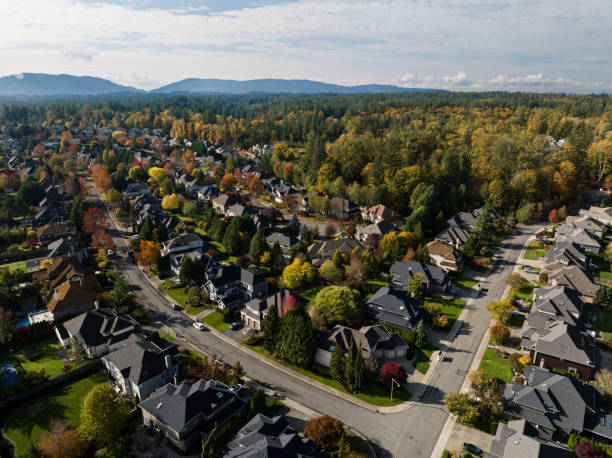
Here’s something most Issaquah homeowners don’t realize until disaster strikes: after fire cleanup in Issaquah isn’t like fire restoration anywhere else in America.
I’m not talking about minor differences. I’m talking about fundamental complications that turn what should be a straightforward cleanup into a race against time—where moisture and smoke create a toxic partnership that can destroy your home twice if you’re not careful.
Let me explain why the Pacific Northwest’s “too-wet-to-burn” reputation actually makes fire damage exponentially worse once a fire does happen.
The Paradox: Why “Too-Wet-to-Burn” Issaquah Faces Unique Fire Restoration Challenges
Issaquah receives approximately 62 inches of rainfall annually—that’s more than twice the U.S. national average. January and February see humidity levels reaching 85%, creating one of the dampest environments in the continental United States.
For decades, this moisture shielded the region from major fires. But when fires do occur—whether from electrical failures, kitchen accidents, or the increasingly common wildfires creeping into formerly protected areas—that same moisture becomes your worst enemy during after fire cleanup in Issaquah.
Here’s the cruel irony: the very climate that prevented fires from starting now accelerates the destruction after fires are extinguished.
The Toxic Marriage: What Happens When Smoke Meets Pacific Northwest Humidity
Standard fire restoration protocols were developed primarily in drier climates—places like California, Arizona, and Nevada where humidity rarely exceeds 40%. Those protocols assume smoke residue behaves in predictable ways.
But after fire cleanup in Issaquah operates under completely different rules.
When smoke particles settle on surfaces in high-humidity environments, something dangerous happens. The moisture in the air bonds with the acidic compounds in smoke residue, creating a corrosive paste that etches into materials in ways dry soot simply cannot.
Think of it like this: dry soot sits on surfaces. Humid soot soaks into them.
This moisture-activated smoke residue doesn’t just stain your walls—it chemically burns them. Smoke combined with excess humidity forms corrosive residue causing secondary damages to property and contents. Wood warps. Metal corrodes faster. Paint blisters. Drywall crumbles. And it all happens within days, not weeks.
Professional restoration companies in Issaquah see this constantly. A homeowner waits three days to call for after fire cleanup in Issaquah thinking they’ll handle some basic cleaning themselves. By the time experts arrive, the smoke damage has penetrated so deeply that materials requiring simple cleaning now need complete replacement.
Five Critical Differences in After Fire Cleanup in Issaquah vs. Other Regions
1. The 48-Hour Window Is Actually a 24-Hour Window
In dry climates, you might have 48-72 hours before smoke damage becomes permanent. In Issaquah’s humid environment, that window shrinks to roughly 24 hours.
Why? Because moisture accelerates every chemical reaction happening in smoke residue. The acidic compounds in soot—sulfur dioxide, nitrogen oxides, and hydrochloric acid—become exponentially more aggressive when dissolved in ambient humidity.
What does this mean practically? If your house catches fire on Friday night, you cannot wait until Monday to call professionals. Every hour that passes allows corrosive residue to penetrate deeper into porous materials like wood, drywall, and insulation.
Professional after fire cleanup in Issaquah must begin immediately—not eventually. The difference between a $15,000 restoration and a $75,000 demolition often comes down to response time measured in hours, not days.
2. Water Damage From Firefighting Compounds Everything
When Eastside Fire & Rescue responds to structure fires in Issaquah, they use thousands of gallons of water. This is standard firefighting procedure everywhere. But in most of America, that water evaporates relatively quickly once humidity-controlling equipment is deployed.
Not in Issaquah.
The ambient humidity means that water used to extinguish fires has nowhere to go. It saturates wood framing, insulation, carpets, and subflooring. And while that moisture lingers—sometimes for weeks—it’s interacting with every smoke particle that settled during the fire.
This creates what restoration professionals call “secondary contamination.” The water pulls acidic compounds from smoke residue deeper into materials. Drywall that could have been cleaned now needs replacing. Hardwood floors that survived the fire buckle from prolonged moisture exposure. Insulation becomes a toxic sponge holding both water and smoke particles.
Standard after fire cleanup in Issaquah therefore requires aggressive water extraction and dehumidification protocols that go far beyond typical fire restoration procedures. We’re essentially conducting simultaneous fire damage restoration and water damage mitigation—a one-two punch that doubles complexity and cost if not handled immediately.
3. Mold Contamination Becomes Inevitable Without Proper Protocol
Here’s a nightmare scenario that plays out too often: a family experiences a house fire. They hire a general contractor who understands fire damage but doesn’t specialize in Pacific Northwest conditions. The contractor cleans visible smoke damage and begins reconstruction.
Three months later, black mold appears behind newly installed drywall.
Why? Because after fire cleanup in Issaquah must account for something most restoration companies don’t consider: mold growth as an inevitable consequence of fire restoration in humid climates.
Fire introduces moisture through firefighting water. Humidity prevents rapid drying. Smoke residue provides nutrients for mold. Porous materials like drywall and insulation create perfect growth environments. Without proper moisture mapping, antimicrobial treatment, and complete drying verification, mold contamination becomes a certainty rather than a possibility.
The IICRC S520 standard for mold remediation specifically addresses this interaction, but many contractors ignore it. They focus on visible fire damage while overlooking invisible moisture issues that will cause problems months later.
Professional services for after fire cleanup in Issaquah must include thermal imaging to detect hidden moisture, moisture meters to verify complete drying, and antimicrobial treatments to prevent mold colonization. Anything less guarantees future problems.
4. Structural Drying Takes Three Times Longer
In Las Vegas, professional-grade dehumidifiers can dry a fire-damaged structure in 3-5 days. In Issaquah? Try 10-15 days minimum.
The Pacific Northwest’s persistent humidity means moisture has nowhere to evaporate to. Even with industrial dehumidifiers running continuously, you’re fighting against ambient conditions that constantly reintroduce moisture into the building.
This extended drying timeline has massive implications for after fire cleanup in Issaquah. Every additional day of moisture exposure means:
- Increased risk of mold colonization
- Deeper penetration of smoke residue into porous materials
- Greater likelihood of wood rot in structural framing
- Higher probability of requiring material replacement versus cleaning
Extended drying also means extended displacement. Families expecting to return home in two weeks discover they’ll be out for six weeks. The emotional toll compounds financial stress, especially when insurance companies apply pressure to complete restoration quickly.
5. Wildfire Risk Is Increasing in Previously “Safe” Areas
Remember when I mentioned Issaquah’s “too-wet-to-burn” reputation? That’s changing rapidly.
Climate change is bringing higher temperatures, lower humidity, and longer drought stretches to the Pacific Northwest. Areas like Issaquah that historically experienced major fires at century-plus intervals now face increasing wildfire risk.
A 2015 fire in neighboring Sammamish demonstrated how quickly conditions can become dangerous. What makes this particularly relevant to after fire cleanup in Issaquah is that wildfire smoke damage differs significantly from structure fire damage.
Wildfire smoke contains different chemical compositions—higher concentrations of organic compounds from burning vegetation, pine resins, and forest materials. When this settles on homes in Issaquah’s humid climate, it creates unique restoration challenges requiring specialized cleaning chemistry and techniques.

The Hidden Dangers Most Homeowners Don’t Understand
Let’s talk about what actually happens during a house fire in Issaquah—beyond the obvious flames.
When materials burn, they release gases and particles. Plastics create toxic, oily smoke. Wood creates the most intense heat. Synthetics produce sticky residues. Each type of smoke behaves differently, but they all share one characteristic in humid environments: they become far more destructive.
Respiratory Hazards: Smoke particles don’t just smell bad, they contain carcinogens, toxins, and irritants. In humid conditions, these particles remain suspended in the air longer because moisture makes them heavier and more adhesive. Walking through a smoke-damaged home without proper respiratory protection exposes you to serious health risks.
Corrosive Damage: Smoke residue is acidic. In Issaquah’s humidity, this acidity activates and begins dissolving metals, etching glass, and degrading organic materials. Light fixtures corrode. Appliance circuitry fails. HVAC systems distribute contaminated air throughout the structure.
Permanent Staining: Materials like marble, granite, and certain woods are porous. Once smoke residue penetrates in humid conditions, staining often becomes permanent. What could have been cleaned if addressed within 24 hours may require replacement after 72 hours.
Odor Persistence: That distinctive smoke smell doesn’t just linger, it embeds. Moisture allows smoke particles to penetrate deep into wall cavities, insulation, and ductwork. Superficial cleaning might temporarily mask odors, but they return as soon as humidity rises.
This is why professional after fire cleanup in Issaquah requires more than surface-level attention. We’re addressing damage that extends far beyond what’s visible.
What Professional After Fire Cleanup in Issaquah Actually Involves
Proper fire restoration in Pacific Northwest conditions follows a systematic approach that accounts for both fire and moisture complications.
Immediate Response (Hours 0-4): Certified technicians arrive on-site, assess structural safety, and establish containment to prevent cross-contamination. They document damage with photographs and moisture readings for insurance purposes.
Emergency Stabilization (Hours 4-24): Teams extract standing water from firefighting efforts, deploy industrial dehumidifiers and air movers, and seal the structure to prevent additional moisture intrusion. This phase is critical for after fire cleanup in Issaquah because every hour saved reduces total damage.
Damage Assessment (Day 1-2): Specialists use thermal imaging to map hidden moisture, test air quality for toxins, and categorize damage by salvageability. They identify materials requiring cleaning versus replacement and develop detailed restoration plans.
Content Management (Day 2-5): Salvageable belongings are removed to climate-controlled facilities for specialized cleaning. This includes furniture, electronics, documents, and personal items. Proper content restoration can save tens of thousands of dollars.
Structural Cleaning (Day 3-10): Technicians clean all surfaces using appropriate chemistry for different smoke types. Synthetic smoke is toxic, oily, and sticky while wood smoke creates the highest heat requiring major demolition. Each requires different treatment protocols.
Complete Drying (Day 5-15): Industrial dehumidifiers run continuously while moisture levels are monitored daily. In Issaquah’s climate, shortcuts here guarantee future problems. Materials must reach specific moisture content levels before reconstruction begins.
Air Quality Treatment (Day 7-14): HEPA air scrubbers remove airborne particles. Thermal fogging neutralizes embedded odors. HVAC systems are cleaned and sanitized to prevent recontamination.
Reconstruction (Week 3+): Only after complete cleaning and drying does rebuilding commence. This includes replacing damaged drywall, flooring, cabinets, and fixtures while maintaining proper moisture control.
Common Mistakes That Make Everything Worse
I’ve seen countless homeowners inadvertently compound fire damage by making understandable but costly mistakes during after fire cleanup in Issaquah.
Waiting for Insurance Approval: Every hour counts. While you should absolutely document everything, don’t delay emergency stabilization waiting for adjusters. Most policies cover immediate mitigation to prevent further damage.
Attempting DIY Cleaning: Smoke residue requires specialized chemistry and techniques. Household cleaners often spread contamination or set stains permanently. You might save $500 doing it yourself while causing $5,000 in additional damage.
Ignoring Hidden Damage: You can’t see moisture inside walls or smoke residue in ductwork. Addressing only visible damage while ignoring hidden contamination creates problems that surface months later.
Rushing Reconstruction: Contractors eager to start rebuilding might begin before structures are completely dry. This traps moisture and contamination behind new materials, guaranteeing future mold problems.
Underestimating Moisture Implications: In drier climates, you might get away with shortcuts. Not in Issaquah. Our humidity amplifies every mistake and punishes every shortcut.
Insurance Navigation for Fire Damage in Issaquah
Most homeowners insurance policies cover fire damage, but navigating the claims process requires understanding what’s covered and what isn’t.
Your policy typically covers:
- Emergency services and temporary repairs
- Structural damage repair and reconstruction
- Contents cleaning and restoration
- Additional living expenses during displacement
- Professional restoration services
However, coverage may have exclusions or limits:
- Damage from delayed mitigation may not be covered
- Improper DIY repairs might void parts of your claim
- Wildfire damage might have separate deductibles
- Mold remediation may have coverage caps
Professional restoration companies specializing in after fire cleanup in Issaquah understand regional insurance claim processes. They document everything properly, work directly with adjusters, and advocate for comprehensive coverage based on Pacific Northwest-specific conditions.
The Issaquah Climate Factor: By the Numbers
Let’s quantify exactly why moisture complicates fire restoration here:
Issaquah humidity fluctuates from 69% to 85% throughout the year, compared to national averages of 30-50%. This elevated moisture creates conditions where smoke residue remains chemically active for extended periods.
Annual precipitation reaches approximately 62 inches—nearly 50% higher than Seattle proper and more than double the U.S. average. This persistent dampness means structures never fully dry naturally, requiring aggressive mechanical drying for successful restoration.
The region experiences approximately 127 rainy days annually, with winter months seeing up to 14 rainy days per month. This means after fire cleanup in Issaquah often competes against active weather conditions that continuously reintroduce moisture.
Understanding these numbers helps homeowners appreciate why Pacific Northwest fire restoration requires specialized approaches and why cutting corners costs more in the long run.
Frequently Asked Questions
Q: How quickly do I need to call professionals for after fire cleanup in Issaquah?
A: Immediately. In Issaquah’s humid climate, you have roughly 24 hours before smoke damage transitions from surface contamination to deep penetration requiring material replacement. Every hour matters. Don’t wait for insurance approval—emergency stabilization prevents exponentially worse damage.
Q: Can I stay in my home during fire restoration?
A: Generally no. Smoke residue contains toxic particles that pose serious health risks, especially in humid environments where contamination spreads more readily. Professional after fire cleanup in Issaquah requires industrial equipment creating loud noise and temporary disruption. Most insurance policies cover temporary housing during restoration.
Q: Why does fire restoration take so much longer in Issaquah than in other areas?
A: Pacific Northwest humidity extends drying times significantly. Materials that dry in 3-5 days in arid climates require 10-15 days here. Additionally, moisture complications demand more thorough cleaning, testing, and verification protocols to prevent mold growth and ensure complete restoration.
Q: Will my belongings smell like smoke forever?
A: Not if properly restored. Professional content cleaning uses specialized techniques including ozone treatment, thermal fogging, and ultrasonic cleaning to remove embedded odors. However, porous materials like unsealed wood or fabric that remain untreated in humid conditions may retain odors permanently.
Q: Does homeowners insurance cover all fire restoration costs?
A: Most policies cover fire damage comprehensively, but coverage depends on your specific policy and the fire’s cause. Emergency mitigation, structural repairs, and temporary housing are typically covered. Review your policy and work with restoration professionals experienced in insurance claims for after fire cleanup in Issaquah.
Q: How can I tell if hidden moisture is still present after initial cleanup?
A: You can’t without professional equipment. Thermal imaging cameras detect temperature differentials indicating moisture behind walls. Pin-type and pinless moisture meters provide precise readings of material moisture content. Don’t rely on visual inspection or touch—hidden moisture causes the most expensive problems.
Q: What makes wildfire smoke damage different from structure fire damage?
A: Wildfire smoke contains different chemical compositions—higher concentrations of organic compounds, resins, and natural materials. This requires specialized cleaning chemistry. Additionally, wildfire smoke often affects entire neighborhoods, creating widespread contamination that persists longer in humid environments.
Q: Should I be concerned about asbestos or lead during fire restoration?
A: Yes, if your home was built before 1980. Fire can disturb asbestos-containing materials and lead paint. Professional restoration companies test for these hazards before demolition work begins. In Issaquah’s older neighborhoods, this testing is particularly important.
The Wildfire Threat: Why “Too-Wet-to-Burn” Is Becoming a Dangerous Myth
For decades, Issaquah residents took comfort in their region’s reputation as too wet for significant wildfires. Climate data is rewriting that assumption.
Global warming is extending dry periods and reducing mountain snowpack in the Pacific Northwest, creating conditions where previously protected forests become vulnerable. A University of Washington fire ecologist noted that questions remain about wildfire risks in wet forests because they’ve burned so infrequently historically—meaning we lack data to predict future behavior.
The implications for after fire cleanup in Issaquah are significant. Homeowners need to prepare for both traditional structure fires and increasing wildfire risks. This includes:
- Understanding evacuation routes from foothill neighborhoods
- Maintaining defensible space around properties
- Having emergency restoration contacts ready before disaster strikes
- Reviewing insurance coverage for comprehensive wildfire protection
The experts monitoring these trends have expressed specific concerns about communities like Issaquah. Development patterns featuring homes built steps from forest edges, limited evacuation routes, and populations unprepared for fire risks create dangerous conditions.
This isn’t alarmist thinking—it’s reality-based planning for changing conditions.
Prevention: Protecting Your Issaquah Home from Fire Damage
While proper after fire cleanup in Issaquah is essential when disaster strikes, prevention remains your best investment.
Electrical Safety: Have a licensed electrician inspect aging wiring, especially in homes built before 1990. Moisture can corrode connections creating fire hazards invisible to homeowners.
Appliance Maintenance: Dryer lint buildup causes thousands of fires annually. In humid climates, lint retains moisture and becomes more flammable. Clean dryer vents quarterly.
Defensible Space: If you live near wooded areas, maintain at least 30 feet of defensible space. Remove dead vegetation, trim branches, and keep gutters clean. Dry needles and leaves become kindling during rare drought periods.
Smoke Detector Upgrades: Install interconnected smoke detectors with battery backup. Test monthly. Replace units every 10 years. Early detection provides precious minutes for safe evacuation.
Emergency Planning: Know your evacuation routes. Maintain a “go bag” with critical documents and medications. Have restoration company contacts saved in your phone before you need them.
Why Local Expertise Matters for After Fire Cleanup in Issaquah
Fire restoration companies that primarily operate in arid regions bring protocols developed for completely different conditions. They might understand fire damage generally but miss the crucial moisture complications that define Pacific Northwest restoration.
Look for restoration professionals who:
- Have IICRC certification specifically in fire and smoke restoration
- Maintain industrial dehumidification equipment sized for humid climates
- Understand local building codes and construction methods
- Have established relationships with Eastside insurance adjusters
- Can document the moisture-specific complications that justify comprehensive restoration
The difference between adequate fire cleanup and proper after fire cleanup in Issaquah often comes down to whether your restoration company understands that moisture isn’t just a complication—it’s the central challenge that dictates every decision.
The Bottom Line: Time, Moisture, and Money
If you take nothing else from this article, remember three critical facts about after fire cleanup in Issaquah:
Time matters exponentially. The difference between calling professionals within 4 hours versus 48 hours can mean $30,000 in additional restoration costs. Issaquah’s humidity punishes delay.
Moisture complicates everything. What should be straightforward fire damage becomes a complex interaction of smoke, water, and humidity requiring specialized protocols. Shortcuts fail here.
Professional expertise pays for itself. The cost difference between proper restoration and inadequate cleanup is measured in tens of thousands of dollars—not to mention the health risks from improper handling of toxic residues.
Fire damage is devastating under any circumstances. In Issaquah’s unique climate, it becomes exponentially more complicated and expensive if not handled immediately and properly.
Get Expert Help When Disaster Strikes
Fire doesn’t wait. Neither should your response.
PuroClean of Sammamish specializes in emergency fire and smoke damage restoration throughout Issaquah, Sammamish, and the greater Eastside. Our certified technicians understand Pacific Northwest-specific challenges and use advanced moisture detection technology to address both visible fire damage and hidden moisture complications.
We’re available 24/7/365 because fire emergencies don’t respect business hours. When disaster strikes, immediate professional response prevents minor damage from becoming catastrophic loss.
Our comprehensive after fire cleanup in Issaquah includes:
- Emergency response within 60 minutes
- Complete moisture mapping and removal
- Specialized smoke and soot cleaning protocols
- Industrial-grade dehumidification equipment
- Content pack-out and restoration services
- Direct insurance coordination and claims assistance
- Antimicrobial treatment to prevent mold growth
- Air quality testing and restoration
- Complete reconstruction services
Don’t let Issaquah’s unique climate conditions turn fire damage into a total loss. Our team knows exactly how moisture amplifies smoke damage and how to address both simultaneously.
Call PuroClean of Sammamish immediately at (425) 947-1001 for emergency fire restoration services.
Every minute you wait allows corrosive smoke residue to penetrate deeper into your home’s materials. The difference between saving your belongings and replacing everything often comes down to response time measured in hours.
We understand the emotional trauma of fire damage. We’ve helped hundreds of Eastside families navigate this devastating experience. Our goal isn’t just restoring your property—it’s restoring your peace of mind.
Your home deserves restoration professionals who understand why after fire cleanup in Issaquah is different from anywhere else. Call us now.
PuroClean of Sammamish provides 24/7 emergency fire, smoke, and water damage restoration services throughout Issaquah, Sammamish, Bellevue, Redmond, and surrounding Eastside communities. Our IICRC-certified technicians specialize in Pacific Northwest climate challenges and work directly with all major insurance providers.
Available 24/7/365 | (425) 947-1001 | Contact Us Online | Google Business Profile | IICRC Certified | True Emergency Response | Complete Damage Restoration Solutions