 PuroClean of Sammamish
Table of Contents
There’s something almost poetic about discovering rust on the wrought iron railing of your Sammamish home. That delicate patina whispers stories of craftsmanship from another era—perhaps from when the Sammamish Plateau was dotted with lumber mills and lake resorts instead of modern subdivisions.
But here’s what most homeowners don’t realize: that rust isn’t just telling stories about the past. It’s shouting warnings about the present.
If you’re seeing corrosion on antique ironwork in your home, you’re not just looking at an aesthetic problem. You’re staring at evidence of water damage that could be silently destroying the structure behind your walls. And when it comes to antique iron restoration in Issaquah and the surrounding Sammamish area, understanding this connection could save you thousands of dollars.
Why Your Rusting Iron Gates Matter More Than You Think
Let me tell you about a Heritage Hills homeowner who called about antique iron restoration in Issaquah for a corroded curtain rod bracket. Seemed harmless enough—just a little surface rust on vintage hardware she wanted preserved. But when restoration specialists arrived, they discovered something alarming: black mold spreading across the ceiling above, hidden moisture damage in the attic, and wood rot that had been progressing for months.
That innocent-looking rust was the canary in the coal mine.
Iron doesn’t corrode without prolonged moisture exposure. When you spot rust forming on interior ironwork—whether it’s antique hinges, decorative grilles, vintage light fixtures, or historic railings—you’re seeing proof that moisture has been lingering in that space long enough to oxidize metal. And if moisture has time to corrode iron, imagine what it’s doing to your wood framing, insulation, and drywall.
The Hidden Connection Between Antique Iron Restoration in Issaquah and Water Damage
Here’s what makes Sammamish particularly vulnerable: the area has a rich history, with 155 historic properties documented between 1888 and 1941. Many of these homes feature original ironwork—from hand-forged hinges to decorative railings—that wasn’t designed for the Pacific Northwest’s relentless rain cycles.
Sammamish receives significant annual rainfall, creating a perfect storm when combined with aging homes and insufficient ventilation. That vintage iron hardware you cherish? It’s essentially a moisture detector that never needs batteries.
The relationship works like this: water intrusion from roof leaks, plumbing failures, or condensation creates humid conditions. This moisture saturates surrounding materials—wood beams, plaster, stone—which then remain damp for extended periods. The iron mounted to these materials begins oxidizing. By the time you notice the rust, the underlying water damage may have progressed significantly.
This is why searching for “antique iron restoration in Issaquah” should always trigger a simultaneous inspection for water damage. They’re two sides of the same coin.
7 Warning Signs Your Historic Ironwork Is Crying for Help
1. Surface Rust on Interior Iron Elements
If you’re spotting orange or brown discoloration on indoor ironwork, moisture is present. Period. This might appear on antique door hardware, decorative brackets, vintage light fixtures, or historic railings. The rust itself isn’t the primary concern—it’s what the rust indicates about hidden water damage.
2. Flaking or Bubbling Paint Near Iron Fixtures
Paint doesn’t spontaneously bubble. When you see blistering or peeling paint around antique iron installations, you’re looking at moisture trapped beneath the surface. The iron attracts and holds humidity, causing paint failure that radiates outward from the metal.
3. Musty Odors in Rooms with Antique Ironwork
That distinctive “old house smell” near vintage iron elements? That’s often mold and mildew thriving in the damp conditions that are also corroding your ironwork. Don’t ignore this warning sign.
4. Staining on Adjacent Wood or Masonry
Water-stained wood or discolored brick around iron fixtures signals active moisture problems. When you’re considering antique iron restoration in Issaquah, this staining should immediately prompt a comprehensive water damage assessment.
5. Loose or Shifting Iron Fixtures
When wood or masonry supporting ironwork becomes waterlogged, it swells, softens, and loses structural integrity. This causes previously solid fixtures to become loose or shift position. The iron isn’t failing—its foundation is deteriorating from moisture damage.
6. White Powdery Deposits (Efflorescence)
Those chalky white deposits appearing near your antique iron? That’s efflorescence—mineral salts pushed to the surface by moisture movement through masonry. It’s a clear indicator of water intrusion that’s also attacking your historic ironwork.
7. Increased Corrosion After Rain Events
If you notice rust spreading or intensifying following heavy rainfall, you have an active water intrusion problem. This could be from roof leaks, poor drainage, or inadequate weatherproofing around windows and doors.
Why Proper Antique Iron Restoration in Issaquah Requires Water Remediation First
Here’s the critical mistake many homeowners make: they hire an artisan to clean, treat, and refinish their corroded ironwork without addressing the underlying moisture problem. Three months later, the rust returns. Six months later, it’s worse than before. A year later, they’re facing structural repairs that cost exponentially more than proper restoration would have.
Professional antique iron restoration in Issaquah isn’t just about making metal look pretty. It requires a systematic approach:
Assessment Phase: Certified restoration specialists use thermal imaging and moisture meters to detect hidden water damage around affected ironwork. They measure humidity levels, identify active leaks, and document the full extent of moisture intrusion.
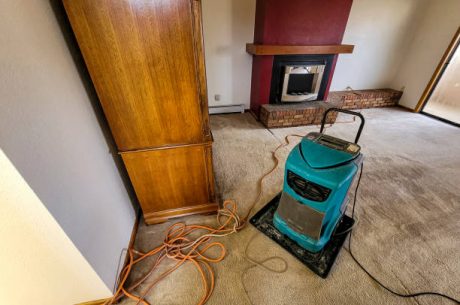
Water Remediation: Before touching the iron, professionals extract standing water, establish containment zones, deploy industrial dehumidifiers, and dry all surrounding materials to appropriate moisture levels. This might take several days but it’s essential for lasting results.
Structural Stabilization: Once dried, damaged wood substrates are repaired or replaced. Compromised masonry is repointed. The foundation supporting your ironwork must be sound and dry before restoration begins.
Iron Restoration: Only after water issues are resolved can authentic restoration commence. This includes rust removal using appropriate methods for historic metal, surface preparation that preserves original details, and application of heritage-appropriate protective coatings.
Prevention Measures: Final work includes improving drainage, enhancing ventilation, sealing penetrations, and installing monitoring systems to prevent future moisture problems.
The Real Cost of Ignoring Water Damage Behind Rusting Iron
Let’s talk numbers. Basic antique iron restoration in Issaquah for a single decorative element might run $200-$500. Comprehensive water damage restoration typically costs $2,000-$7,000 depending on severity and square footage affected.
Ignore the water damage and proceed with iron restoration alone? You’ll pay for that restoration work twice when rust returns. Plus, you’ll eventually face:
- Mold remediation: $2,000-$10,000
- Structural wood repair: $5,000-$15,000
- Drywall replacement: $1,500-$5,000
- Potential health issues from mold exposure: priceless
The math is simple. Addressing both issues together costs less than ignoring the root cause.
Sammamish’s Unique Challenges for Historic Ironwork
Sammamish has documented 155 historic properties built between 1888 and 1941, representing diverse architectural styles from mill worker cottages to resort structures. Each era of construction presents unique challenges for antique iron restoration in Issaquah services:
Early homestead era (1880s-1900s): Hand-forged iron elements, often mounted in log or rough-sawn lumber that’s particularly susceptible to moisture retention.
Mill town period (1900s-1920s): Company housing featured cast iron hardware and plumbing fixtures. These structures often have poor ventilation and aging foundations that allow moisture intrusion.
Resort era (1920s-1940s): Properties built for summer recreation weren’t designed for year-round occupancy. Inadequate waterproofing and seasonal ventilation issues create ideal conditions for iron corrosion.
Understanding your home’s vintage helps specialists approach antique iron restoration in Issaquah with period-appropriate methods and materials.
What Professional Water Damage Assessment Looks Like
When you contact restoration professionals about corroded ironwork, they should immediately expand the scope beyond the visible rust. A thorough inspection includes:
Visual Inspection: Examination of all ironwork and surrounding materials for signs of water damage, including staining, warping, mold growth, and structural deterioration.
Moisture Mapping: Use of infrared thermography to identify temperature differentials indicating hidden moisture behind walls and ceilings.
Humidity Measurement: Assessment of ambient and material moisture content using pin-type and pinless moisture meters.
Source Identification: Investigation to determine the origin of water intrusion—whether from roof leaks, plumbing failures, condensation, or inadequate drainage.
Microbial Testing: Sampling for mold and bacteria when conditions suggest biological growth, as these organisms accelerate iron corrosion and pose health risks.
This comprehensive approach ensures that antique iron restoration in Issaquah addresses symptoms and causes simultaneously.
DIY vs. Professional Restoration: What Every Sammamish Homeowner Should Know
There’s a temptation to treat surface rust on antique iron as a weekend project. I get it. But here’s why professional antique iron restoration in Issaquah paired with water damage remediation is worth the investment:
Proper Diagnosis: You might see rust. Professionals see moisture patterns, structural vulnerabilities, and hidden damage that predicts future failures.
Heritage-Appropriate Methods: Historic iron requires specific restoration techniques. The National Park Service provides detailed guidelines on preservation methods that honor original craftsmanship while ensuring durability.
Safety Considerations: Water damage often involves mold, asbestos (in older homes), and structural instability. Professionals have training, protective equipment, and insurance to handle these hazards safely.
Long-Term Results: Quick fixes fail. Professional restoration includes protective coatings, moisture barriers, and prevention strategies that keep your ironwork beautiful for decades.
Insurance Navigation: Most water damage is covered by homeowners insurance if documented and remediated properly. Professionals know how to document damage for insurance claims and work directly with adjusters.
Prevention: Protecting Your Historic Ironwork from Future Water Damage
After investing in proper antique iron restoration in Issaquah and water remediation, prevention becomes crucial:
Monthly Inspections: Check all antique iron elements for new signs of corrosion. Early detection means easier remediation.
Seasonal Maintenance: Before Pacific Northwest winter rains, inspect roofing, gutters, downspouts, and exterior sealing around windows and doors.
Ventilation Improvements: Ensure adequate airflow in attics, crawlspaces, and basements. Consider installing additional vents or fans in moisture-prone areas.
Humidity Monitoring: Use hygrometers to track indoor humidity levels. Ideal range is 30-50% relative humidity. Deploy dehumidifiers when levels climb higher.
Annual Professional Inspections: Schedule yearly assessments with certified restoration specialists who can detect problems before they become expensive emergencies.
The Sammamish Heritage Preservation Perspective
The Sammamish Heritage Society works diligently to preserve historic properties facing tremendous development pressures. When you invest in proper antique iron restoration in Issaquah combined with water damage remediation, you’re not just protecting your property value—you’re preserving a tangible connection to the Sammamish Plateau’s fascinating history.
Those hand-forged hinges on your 1920s cottage? They might have been crafted by local blacksmiths who also served the lumber mills. That decorative iron railing? It could date to the resort era when Sammamish was a vacation destination for Seattle families.
Proper restoration honors this heritage while ensuring these elements survive for future generations.
Frequently Asked Questions
Q: How quickly should I address rust on my antique ironwork?
A: Immediately. The rust indicates active moisture problems that worsen with every passing day. Even a few weeks of delay can mean the difference between surface-level damage and costly structural repairs.
Q: Can I just paint over the rust to stop it?
A: No. Painting over rust without addressing the underlying moisture problem and properly preparing the surface traps the corrosion and often makes it worse. The paint will fail, and you’ll have compounded the damage.
Q: How long does professional antique iron restoration in Issaquah typically take?
A: It depends on the extent of water damage. Assessment typically takes a few hours. Water remediation might require 3-5 days for drying. Iron restoration work can take 1-3 weeks depending on the complexity and number of elements being restored.
Q: Will my homeowners insurance cover this work?
A: Water damage from sudden and accidental incidents (like burst pipes) is typically covered. Gradual damage from long-term leaks may not be. Insurance usually won’t cover restoration of the ironwork itself, but will cover structural repairs. Document everything and consult your agent early in the process.
Q: What’s the difference between restoration and reproduction for antique iron?
A: Restoration preserves original material through cleaning, stabilization, and protective treatment. Reproduction creates new pieces matching historical designs. Heritage conservation standards generally favor restoration over replacement whenever feasible.
Q: How do I find qualified professionals for antique iron restoration in Issaquah?
A: Look for restoration companies with IICRC (Institute of Inspection, Cleaning and Restoration Certification) credentials for water damage work, combined with experience in historic preservation. Ask for references from heritage properties they’ve worked on.
Q: Can modern dehumidifiers damage antique ironwork?
A: When used properly, no. In fact, maintaining appropriate humidity levels protects iron from corrosion. However, rapid drying can stress some materials. Professionals calibrate equipment to dry spaces safely without shocking historic materials.
Q: Should I worry about rust on exterior ironwork?
A: Exterior iron is expected to show some weathering, but active corrosion still signals drainage or sealing problems that could lead to interior water damage. Don’t assume rust outside is harmless—it often indicates issues that will eventually move indoors.
When to Call for Emergency Water Damage Services
Some situations demand immediate professional intervention, even before you fully research antique iron restoration in Issaquah options:
- Active water leaking or flooding near antique ironwork
- Visible mold growth exceeding 10 square feet
- Sagging ceilings or floors near historic iron elements
- Strong musty odors that suggest hidden mold colonies
- Recent flooding or major plumbing failure
- Electrical fixtures showing water intrusion near iron components
In these scenarios, every hour of delay increases damage exponentially and risks creating health hazards.
Trust the Experts Who Understand Both Heritage and Science
Your Sammamish home deserves restoration services that honor its history while applying cutting-edge science to solve water damage problems permanently. That rusted iron curtain rod, that corroded railing, that deteriorating decorative grille—they’re all worth saving. They’re part of your home’s character and the Sammamish Plateau’s architectural heritage.
But saving them requires more than surface treatment. It demands comprehensive antique iron restoration in Issaquah that addresses the root cause: water damage.
Protect Your Heritage Home with Professional Emergency Restoration
When you spot rust on your historic ironwork, you’re facing a decision point. Address both the symptom and the cause now, or pay exponentially more later when structural damage becomes unavoidable.
PuroClean of Sammamish specializes in emergency water damage restoration that protects your property’s integrity and preserves its historic character. Our certified technicians understand the unique challenges facing Sammamish’s heritage homes. We use advanced moisture detection technology, follow IICRC S500 standards for water damage restoration, and work with your insurance company to streamline the claims process.
We’re available 24/7 because water damage doesn’t wait for business hours. When you discover signs of moisture problems around your antique ironwork, immediate response prevents escalating damage and reduces overall restoration costs.
Don’t let water damage erase your home’s history. Call PuroClean of Sammamish at (425) 947-1001 for immediate assistance.
Our rapid response team will assess your property, identify all moisture sources, implement professional water remediation protocols, and coordinate with qualified specialists for antique iron restoration in Issaquah and Sammamish. We treat your home with the respect it deserves—both as your personal sanctuary and as a piece of Sammamish’s architectural legacy.
Because historic ironwork tells stories worth preserving. And those stories shouldn’t end with water damage you could have prevented.
PuroClean of Sammamish serves Sammamish, Issaquah, and surrounding Eastside communities with 24/7 emergency water damage restoration, mold remediation, and property restoration services. Our certified technicians have the expertise to protect your home’s heritage while solving modern moisture problem
Available 24/7/365 | (425) 947-1001 | Contact Us Online | Google Business Profile | IICRC Certified | True Emergency Response | Complete Damage Restoration Solutions

 PuroClean of Sammamish