 PuroClean of Sammamish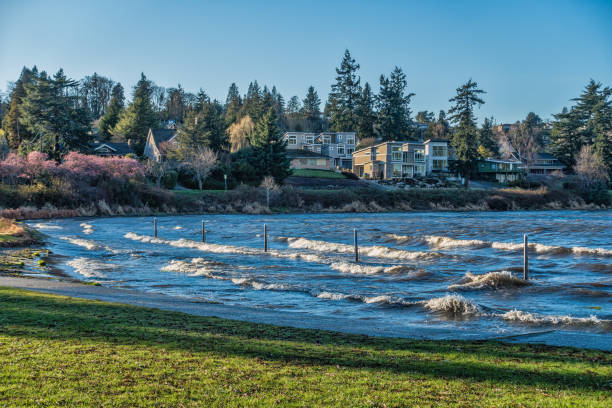
Your Lake Sammamish lakefront dream just became a nightmare.
The water came slowly—not like a burst pipe or sudden storm surge, but insidiously rising from the lake until it crept into your home. Maybe it entered through your basement. Maybe it seeped under doors. Maybe it bubbled up through floor drains you didn’t even know existed.
Now the water has receded, leaving behind mud, debris, and a sick feeling in your stomach about what comes next.
Here’s the truth about Lake Sammamish flooding that most homeowners discover too late: the real damage doesn’t happen during the flood. It happens in the 24-72 hours after the water recedes.
In that critical window, mold begins colonizing. Wood starts warping. Electrical systems corrode. Materials absorb contaminated water deep into their cores. And every hour you delay addressing these problems multiplies your restoration costs exponentially.
But if you act decisively today—right now—you can prevent most of this catastrophic damage.
Why Lake Sammamish Flooding Is Different (And More Dangerous)
Before we dive into what you must do, understand why Lake Sammamish flooding creates unique challenges that require specific responses.
Lake Sammamish’s water level during storm events is determined by high inflows from Issaquah Creek and other creeks around the lake, combined with backwater effects from Bear Creek that slow drainage. During December 2025’s atmospheric rivers, these factors aligned perfectly for catastrophic lakeshore flooding.
Here’s the critical difference: while Issaquah Creek floods rapidly and recedes quickly, Lake Sammamish flooding happens slowly and lingers. The lake doesn’t drain quickly because there’s no ability to actively control Lake Sammamish’s water level at the Sammamish River weir—it’s a fixed concrete structure that doesn’t move.
This means your home sat in water longer than properties affected by creek flooding. Extended water exposure allows deeper penetration into materials, more severe contamination, and greater structural damage.
The 1965 Sammamish River Flood Project was designed to provide flood protection for farm fields from springtime flooding. The standards used for design did not address 100% of lakeshore flooding in winter—which explains why December 2025’s event damaged so many properties despite flood control infrastructure.
Additionally, Lake Sammamish flooding often affects properties that haven’t flooded before. Homeowners near Issaquah Creek know flood risk. But many lakeshore residents purchased homes believing they were safe from flooding, making December 2025’s inundation completely unexpected.
Action #1: Document Everything Before You Touch Anything (Next 2 Hours)
I know you want to start cleaning immediately. Every instinct screams to grab a mop and start fixing this mess.
Stop.
The single most important action following Lake Sammamish flooding is comprehensive documentation before any cleanup begins. This protects your insurance claim and ensures full compensation for all damage.
Photo and video requirements:
Walk through every affected area with your phone camera filming continuously. Narrate what you’re seeing—”This is the living room, water line reaches 8 inches up the wall, carpet is completely saturated, furniture shows water staining.”
Take both wide shots showing overall damage and close-ups of specific items and materials. Capture water lines on walls, stained carpets and baseboards, damaged furniture and belongings, saturated drywall and insulation (if visible), and mechanical systems that contacted water.
Don’t just photograph obvious damage. Document areas that look fine but were submerged. Hidden moisture in walls and under flooring causes the most expensive problems.
Create detailed written inventories:
List every damaged item including descriptions, approximate age and purchase price if known, current condition, and whether it contacted floodwater directly or just moisture.
For valuable items, locate receipts if possible. For electronics and appliances, photograph serial numbers and model information.
Many homeowners affected by the February 2020 Lake Sammamish flood discovered that inadequate documentation complicated claims significantly. Insurance adjusters need proof of damage extent and pre-loss condition. Without documentation, they can dispute claims or offer inadequate settlements.
Upload everything immediately:
Don’t store documentation only on devices that might fail. Upload all photos, videos, and written inventories to cloud storage—Google Drive, Dropbox, iCloud—immediately.
Email copies to yourself and trusted family members. Create redundancy because losing this documentation can cost tens of thousands in disputed claims.
Why this matters specifically for Lake Sammamish flooding:
Because lake flooding happens gradually, some insurance adjusters might argue damage resulted from “seepage” rather than flooding—a distinction that affects coverage. Your documentation proves sudden inundation from rising lake levels caused damage, not gradual seepage from poor drainage.
Time-stamped photos showing water lines, floodwater presence, and damage extent counter any attempts to minimize your claim.
Action #2: Call Professional Restoration Services RIGHT NOW (Don’t Wait Another Hour)
Here’s where most homeowners make their costliest mistake: waiting to “see how bad it really is” before calling professionals.
I’ll be blunt: by the time you know “how bad it really is,” you’re already facing catastrophic mold contamination and structural damage that professional intervention within hours could have prevented.
Why immediate professional response is non-negotiable:
Mold colonization begins within 24-48 hours of water exposure in optimal conditions. Lake Sammamish flooding creates perfect conditions—contaminated water, porous materials, and Pacific Northwest humidity that never drops below 69%.
Consumer equipment cannot prevent mold. Shop-bought dehumidifiers remove 30-50 pints of moisture daily. Industrial units remove 150-200 pints daily. That’s not a minor difference—it’s the difference between adequate drying and guaranteed mold growth.
Hidden moisture detection requires thermal imaging cameras and professional moisture meters. You can’t see water trapped in wall cavities, beneath flooring, or in insulation. This hidden moisture causes the most expensive problems when left unaddressed.
What professional restoration provides immediately:
Industrial water extraction removes thousands of gallons per hour using truck-mounted equipment. If standing water remains in basements or crawl spaces, professional extraction in hours accomplishes what takes days with consumer equipment.
Moisture mapping identifies every area affected by Lake Sammamish flooding including hidden spaces. Technicians use thermal imaging showing temperature differentials that indicate trapped moisture behind walls and under floors.
Strategic drying equipment placement creates optimal airflow patterns and dehumidification. IICRC-certified professionals understand drying science—where to place equipment for maximum efficiency and how to monitor progress toward complete drying.
Antimicrobial treatment prevents mold colonization during the drying period. EPA-registered solutions applied to all surfaces that contacted floodwater kill existing spores and inhibit growth.
The cost argument (that keeps homeowners from calling):
“Professional restoration costs thousands! I can’t afford that!”
Here’s the reality: professional intervention immediately after Lake Sammamish flooding costs $8,000-$15,000 for typical residential damage, with most covered by insurance.
DIY attempts that fail—which they almost always do in Pacific Northwest humidity—result in mold remediation costs of $15,000-$35,000, structural repairs from water-damaged framing costing $10,000-$25,000, and complete material replacement rather than restoration adding $20,000-$50,000.
You’re not saving money with DIY. You’re guaranteeing exponentially higher costs while risking your family’s health.
Action #3: Remove Standing Water and Begin Emergency Drying (Next 6 Hours)
While professionals are en route—or if you’re still deciding whether to call them (you should)—begin emergency water removal and drying immediately.
Extract standing water:
Use whatever tools you have including wet-dry vacuums, mops and buckets, towels for absorption (wring outside, not into drains), and pumps if water depth exceeds a few inches.
Focus on areas where water pools. Basements, crawl spaces, and low spots in flooring hold water that continues damaging materials every minute it remains.
Establish air circulation:
Open all windows and doors if weather permits. Fresh air circulation helps with drying and reduces airborne mold spore concentration.
Position fans to create cross-ventilation. Point them across wet surfaces rather than directly at walls to avoid driving moisture deeper into materials.
Remove furniture from walls and open closet doors to allow airflow into enclosed spaces where mold thrives.
Deploy dehumidifiers if you own them:
Run consumer dehumidifiers continuously in affected areas. Empty collection tanks frequently—every few hours if necessary.
However, understand these are emergency measures buying time until professional equipment arrives. Consumer units cannot achieve complete drying in the timeframes necessary to prevent mold following Lake Sammamish flooding.
What NOT to do:
Don’t use heat to accelerate drying. High heat can set smoke stains if any occurred, warp wood faster, and stress materials in ways that cause cracking and failure.
Don’t close up the house “to contain the problem.” Stagnant air creates ideal mold conditions. Ventilation is your friend.
Don’t dispose of damaged items yet. Insurance requires verification of losses. Photograph everything before disposal even if items seem obviously ruined.
The 24-hour rule:
Every hour water remains increases restoration costs by hundreds of dollars. Every 24-hour period that passes without professional drying equipment multiplies mold risk exponentially.
You’re racing against biological processes that don’t pause, slow down, or wait for you to feel ready to deal with them.
Action #4: Understand Your Specific Lake Sammamish Flood Risks (Today)
Lake Sammamish flooding creates damage patterns different from other flood types, and understanding these patterns helps you address the right problems.
Why your flooding lasted so long:
During the February 2020 flood event, sustained rainfall created relatively high starting water levels on Lake Sammamish. Then the highest recorded inflows from Issaquah Creek since 1996 raised levels further. Finally, persistent high flows in Bear Creek (greater than 300 cfs) caused backwater that reduced the amount of water that could flow out of the lake for about ten days.
December 2025 followed similar patterns. Your home didn’t just flood—it sat in water for an extended period because the lake couldn’t drain.
Extended exposure consequences:
Water sitting against your foundation for days rather than hours allows deeper penetration into concrete and masonry. This moisture wicks up walls through capillary action, sometimes reaching 3-4 feet above visible water lines.
Wood framing absorbs water continuously during extended exposure. By the time water receded, your wood studs, joists, and plates may have reached saturation levels requiring weeks of drying to prevent rot.
Insulation becomes waterlogged sponges. Fiberglass and cellulose insulation cannot be dried adequately after extended submersion and usually requires complete replacement.
Contamination levels:
Lake water contains different contamination than river flooding. Organic matter from vegetation and fish, nutrient pollution from stormwater runoff, bacteria including e-coli and other pathogens, and septic system overflow from overwhelmed shoreline systems.
This Category 3 contamination requires professional decontamination. It’s not safe to clean with household products or consider materials “clean enough” after basic wiping.
Foundation and structural concerns unique to lakeshore properties:
Many Lake Sammamish homes have basements or crawl spaces that flooded completely. Water sat against foundations under hydrostatic pressure for days, potentially creating cracks or shifting that wasn’t present before.
Shoreline erosion during flooding may have compromised foundation support. Have structural engineers inspect foundations if you’re within 50 feet of the lake.
Septic systems near the lake may have been inundated, requiring inspection and potentially pumping before safe use.
Your specific vulnerability going forward:
The 1965 Sammamish River Flood Project consistently meets outflow expectations after March 1 when it was designed to protect agricultural fields. But it doesn’t address 100% of lakeshore flooding in winter.
Climate change is increasing atmospheric river frequency and intensity. December 2025 may have been unprecedented, but it likely won’t be the last major lakeshore flood event you experience.
Consider this flood a warning to implement protective measures before the next event.
Action #5: Protect Your Insurance Claim From Common Pitfalls (This Week)
Most homeowners have never filed major insurance claims. Lake Sammamish flooding victims make predictable mistakes that cost thousands in reduced settlements.
Report your claim immediately:
Contact your insurance company within 24 hours even if you haven’t fully assessed damage. Most policies require prompt notification, and delays can jeopardize coverage.
Get your claim number and adjuster contact information. Document all communications including dates, times, names, and summaries of conversations.
Understand coverage specifics for Lake Sammamish flooding:
Standard homeowners insurance typically covers sudden flood damage from overflowing lakes. December 2025’s atmospheric river event clearly qualifies as covered peril.
However, some policies have exclusions or limitations. Review your policy carefully and ask specific questions about coverage for the damage you’re experiencing.
Many Lake Sammamish residents lack separate flood insurance through the National Flood Insurance Program because they didn’t believe they were in flood zones. Standard policies may provide coverage but with lower limits than dedicated flood policies.
Your duty to mitigate:
Insurance policies require homeowners to take reasonable steps preventing additional damage. This means you cannot leave standing water and wet materials unaddressed claiming “I was waiting for the adjuster.”
Calling professional restoration services fulfills this duty. Extracting water, beginning drying, and protecting property from weather exposure are all reasonable mitigation steps that insurance companies expect and cover.
Common adjuster tactics to watch for:
Initial settlement offers often reflect only immediately obvious damage. Don’t accept first offers without professional assessment of hidden damage behind walls, under floors, and in mechanical systems.
Adjusters sometimes suggest damage existed before flooding or resulted from “lack of maintenance.” Your pre-flood documentation counters these arguments.
Some adjusters try separating flood damage from water damage claiming different coverage applies. For Lake Sammamish flooding, the flood event and resulting water damage are inseparable parts of the same covered loss.
When to consider a public adjuster:
For extensive damage exceeding $75,000, consider hiring a public adjuster who works exclusively for you rather than the insurance company. Public adjusters typically charge 10-15% of settlements but often increase total payouts by $50,000-$150,000 for complex claims.
For simpler residential flooding under $50,000, working directly with your insurance company and professional restoration contractors usually suffices.
Document everything about the claim process:
Keep copies of all paperwork including claim forms, estimates, correspondence, and settlement offers.
Save all receipts related to flooding including temporary housing, emergency supplies, protective equipment, and professional services.
Create a timeline showing when you reported the claim, when adjusters visited, when you received estimates, and when settlement offers arrived.
This documentation protects you if claims become contentious or if you need to escalate issues to Washington’s Office of the Insurance Commissioner.
The Mold Timeline: Why Today Matters More Than Tomorrow
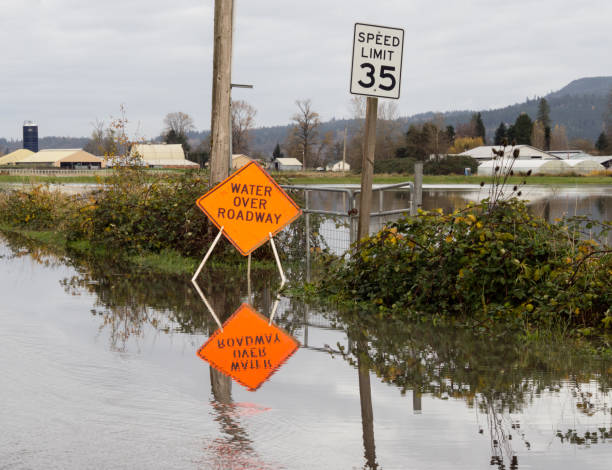
Let me explain exactly why immediate action following Lake Sammamish flooding is so critical by walking through what’s happening in your home right now.
Hour 0-24 (Today):
Mold spores are always present in air—you can’t eliminate them. But they need moisture to colonize. Right now, every surface that contacted floodwater provides that moisture.
Spores are beginning to settle on damp materials. In optimal conditions—which your post-flood home provides perfectly—germination begins within hours.
Hour 24-48 (Tomorrow):
Visible mold colonies start appearing on highly porous materials like drywall, ceiling tiles, and paper products. These appear as black, green, or white spots or fuzzy patches.
Musty odors develop as mold releases volatile organic compounds. This distinctive smell indicates established colonies actively growing.
Materials that could have been cleaned with antimicrobial treatment yesterday now require replacement because colonization has penetrated too deeply.
Hour 48-72 (Day 3):
Mold spreads throughout HVAC systems if your heating/cooling operated during or after flooding. Ductwork distributes spores to every room, including areas that didn’t flood directly.
Colonies behind walls and in insulation become established. You can’t see this growth but it’s there, releasing spores continuously and creating health hazards.
Day 4-7 (End of Week 1):
What began as surface contamination has become structural infestation. Mold penetrates drywall completely, grows throughout insulation, colonizes wood framing, and spreads into crawl spaces and attics through air currents.
At this point, mold remediation following IICRC S520 standards becomes necessary. This involves containment to prevent cross-contamination, HEPA air filtration, complete removal of colonized materials, and antimicrobial treatment of all surfaces.
Week 2-4:
Mold remediation costs escalate from hundreds to tens of thousands of dollars. Some materials become permanently damaged beyond restoration.
Health effects begin affecting sensitive individuals including respiratory irritation, allergic reactions, asthma exacerbation, and chronic fatigue.
The Pacific Northwest Factor:
In arid climates, you might have more time before mold becomes catastrophic. In our region’s 69-85% humidity, the timeline compresses dramatically.
Ambient moisture never drops low enough for natural drying. Even after you remove standing water, humidity keeps materials damp enough for mold colonization.
This is why consumer dehumidifiers are inadequate and why immediate professional intervention is essential for Lake Sammamish flooding recovery.
What Professional Restoration Actually Looks Like
If you’ve never experienced flood damage before, you might not understand what comprehensive professional restoration involves or why it costs what it costs.
Day 1-2: Emergency response and assessment
IICRC-certified technicians arrive with industrial equipment including truck-mounted water extractors, commercial dehumidifiers rated for 150-200 pints daily capacity, high-velocity air movers, thermal imaging cameras, and professional moisture meters.
They conduct complete property assessment documenting all damage, map moisture distribution including hidden areas, take baseline moisture readings in all materials, photograph everything for insurance documentation, and develop comprehensive restoration plans.
Industrial extraction removes standing water exponentially faster than consumer equipment—thousands of gallons per hour.
Day 2-7: Aggressive structural drying
Equipment runs 24/7 creating optimal drying conditions. In Lake Sammamish’s humid climate, expect drying to take 7-14 days minimum—significantly longer than drier regions.
Technicians monitor progress daily using calibrated moisture meters, measure specific moisture content percentages in various materials (wood, drywall, concrete), adjust equipment placement as materials dry and conditions change, and document daily progress for insurance and quality assurance.
Materials must reach specific moisture thresholds before proceeding: wood framing below 19% moisture content, drywall below 1% on surface readings, and concrete below 4-5% on depth readings.
Day 3-10: Material removal and decontamination
Once drying assessment determines what’s salvageable versus unsalvageable, removal begins. Carpet and padding exposed to Lake Sammamish flooding always require disposal due to contamination.
Drywall with water wicking above 12-18 inches typically needs replacement because paper facing provides mold nutrients that cleaning cannot adequately address.
Waterlogged insulation requires removal as it cannot be dried or decontaminated effectively.
All surfaces that contacted floodwater receive antimicrobial treatment using EPA-registered solutions.
Week 2+: Reconstruction and restoration
Only after complete drying verification does reconstruction begin including replacing removed drywall, installing new flooring, repairing or replacing cabinetry, restoring finishes, cleaning HVAC systems, and final antimicrobial treatment.
Attempting reconstruction before materials reach appropriate moisture levels traps moisture behind new materials, guaranteeing mold growth that appears months later when it’s far more expensive to address.
Frequently Asked Questions
Q: How long does complete Lake Sammamish flooding recovery take?
A: Minimum 4-8 weeks from flooding to complete restoration. Structural drying alone requires 7-14 days in our humid climate, followed by material removal, reconstruction, and finishing work. Extensive damage can extend timelines to 3-6 months.
Q: Can I live in my home during restoration?
A: Usually no. Industrial drying equipment runs 24/7 creating significant noise, reconstruction generates dust and disruption, and contamination risks make homes unsafe for occupancy. Most insurance policies cover additional living expenses during restoration.
Q: Will my homeowners insurance cover Lake Sammamish flood damage?
A: Most standard policies cover sudden flood damage from overflowing lakes. December 2025’s atmospheric river event clearly qualifies. However, coverage limits and exclusions vary by policy. Report your claim immediately and review your specific coverage with your agent.
Q: What if mold appears weeks after the flooding?
A: Delayed mold indicates inadequate initial drying or new moisture intrusion. Contact restoration professionals immediately for assessment. If original restoration was professionally performed by reputable companies, they often warranty work and address mold issues discovered later.
Q: Do I need separate flood insurance for future Lake Sammamish flooding?
A: Consider it seriously. While standard homeowners policies may cover sudden flooding, National Flood Insurance Program policies provide more comprehensive coverage specifically designed for flood events. Given December 2025’s precedent, future lakeshore flooding is likely.
Q: How do I know if professionals completely dried my home?
A: Legitimate restoration companies provide daily moisture readings documented in writing, use calibrated meters showing specific percentage readings in various materials, and don’t proceed with reconstruction until materials reach industry-standard moisture thresholds. Request copies of all moisture documentation.
Q: Can I remove damaged materials myself to save money?
A: Not recommended. Disturbing mold-colonized materials releases spores throughout your home creating health hazards, improper removal prevents insurance verification of damage, and disposal of contaminated materials has specific requirements. Professional removal is safer and protects your claim.
Q: What makes Lake Sammamish flooding different from other floods?
A: Lake flooding happens gradually and lingers due to slow drainage, extended water exposure allows deeper material penetration, backwater effects from Bear Creek slow lake drainage, and many lakeshore properties flooded unexpectedly because they’re outside traditional flood zones. These factors create unique restoration challenges.
Don’t Let Today’s Inaction Become Tomorrow’s Catastrophe
Here’s what I want you to understand: every hour you spend reading articles, researching options, or hoping the problem isn’t as bad as it seems is an hour of accelerating damage.
Mold doesn’t wait for you to feel ready. Water doesn’t stop penetrating materials while you make decisions. Contamination doesn’t pause while you figure out insurance coverage.
The biological and chemical processes destroying your home right now don’t care about your stress, confusion, or financial concerns. They just continue, relentlessly, making everything worse.
The five actions this article outlines aren’t suggestions. They’re requirements for preventing catastrophic losses:
- Document everything immediately
- Call professional restoration services now
- Begin emergency water removal and drying
- Understand your specific Lake Sammamish flood risks
- Protect your insurance claim from common pitfalls
These five actions, taken today, prevent problems costing $30,000-$70,000 to fix next month.
Get Emergency Help Right Now
PuroClean of Sammamish specializes in Lake Sammamish flooding recovery with deep expertise in lakeshore property challenges.
We understand why Lake Sammamish floods differently, the backwater effects and slow drainage that extend water exposure, Pacific Northwest humidity that accelerates mold growth, and the insurance claim nuances specific to lakeshore flooding.
Our certified technicians have restored dozens of Lake Sammamish properties following the February 2020 event and are responding to December 2025’s unprecedented flooding.
Our comprehensive Lake Sammamish flooding recovery services include:
- 24/7 emergency response within 60 minutes of contact
- Industrial water extraction removing thousands of gallons per hour
- Thermal imaging moisture mapping finding hidden damage
- Commercial structural drying sized for Pacific Northwest humidity
- Antimicrobial treatment preventing mold colonization
- Daily moisture monitoring ensuring complete drying
- Content pack-out and restoration saving salvageable belongings
- Direct insurance coordination maximizing your settlement
- Complete reconstruction restoring your home completely
Call PuroClean of Sammamish immediately at (425) 947-1001 for emergency Lake Sammamish flooding restoration.
We’re available right now. Crews are standing by. Equipment is ready to deploy.
Every hour you wait allows mold to colonize, moisture to penetrate deeper, and restoration costs to multiply. The difference between calling now versus calling tomorrow could mean $15,000-$35,000 in additional costs.
Your home needs help today. Not tomorrow. Today. Call now.
PuroClean of Sammamish provides 24/7 emergency water damage restoration and flood recovery services throughout Lake Sammamish lakeshore communities, Sammamish, Issaquah, Bellevue, and all Eastside areas affected by December 2025 atmospheric river flooding. Our IICRC-certified technicians specialize in Pacific Northwest climate challenges and lakeshore property restoration.

 PuroClean of Sammamish