 PuroClean of Sammamish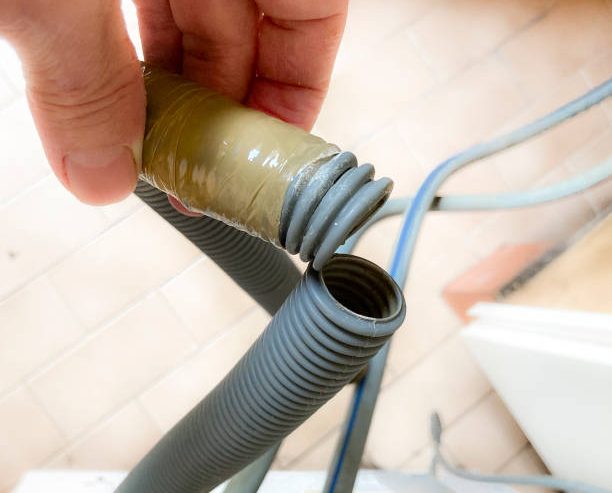
Last April, a Trossachs homeowner completed a $48,000 kitchen remodel. New cabinets, quartz countertops, a professional-grade range, and a brand new dishwasher installed by the remodeling contractor’s plumber. The kitchen looked perfect on completion day.
Eleven days later, they ran the dishwasher before leaving for a weekend trip.
When they returned Sunday evening, the kitchen subfloor had absorbed 4 days of slow drain hose discharge. The new cabinet bases were saturated. Water had migrated under the flooring and into the crawl space below.
Total damage: $25,000. On an 11-day-old kitchen.
The tragedy? A 20-minute post-installation inspection by PuroClean of Sammamish kitchen water damage specialists would have identified the improperly secured drain hose connection before the first wash cycle ever ran.
This scenario is far more common than Sammamish homeowners realize. PuroClean of Sammamish kitchen water damage response data shows that remodel-related water damage calls spike significantly in the weeks immediately following kitchen project completions. According to the Insurance Information Institute, water damage accounts for nearly 24% of all homeowner insurance claims, and kitchen appliance failures represent one of the fastest-growing subcategories within that number. The reason is consistent across nearly every case: installation errors made during remodels that no one catches until water is already flowing where it should not be.
What makes PuroClean of Sammamish kitchen water damage from remodels so destructive? The combination of brand new cabinetry with zero moisture resistance, freshly installed flooring with no history of water exposure, active remodel disruption masking early warning signs, and the natural homeowner assumption that new installations are safe installations. That assumption is the most expensive mistake a Sammamish homeowner can make after a kitchen remodel.
The Dishwasher Drain Hose: The Most Dangerous Two Feet in Your Remodeled Kitchen
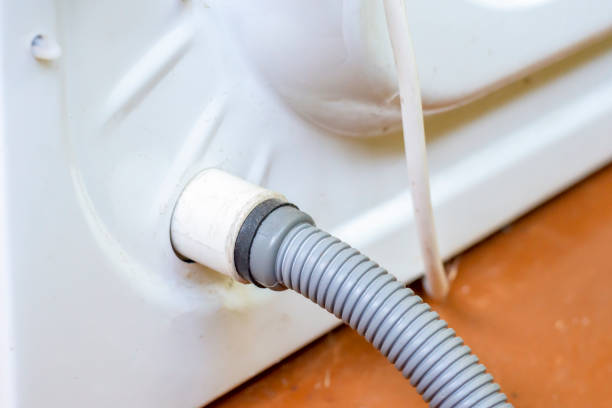
The dishwasher drain hose is a corrugated plastic tube, typically 5 to 7 feet long, that carries wastewater from the dishwasher pump to either the garbage disposal or the sink drain tailpiece. It costs approximately $12 to replace. When installed correctly, it functions invisibly for 10 to 15 years. When installed incorrectly, it initiates water damage that averages $18,000 to $25,000 in Sammamish restoration costs.
According to the International Association of Certified Home Inspectors, the three most common dishwasher drain hose installation errors are: failure to create a high loop or air gap at the hose’s highest point, improper connection at the disposal or drain tailpiece, and inadequate hose clamp security at both connection ends. All three errors are invisible once cabinets are installed. All three allow water discharge into the cabinet interior rather than into the drain system.
The high loop requirement is the most frequently missed element during remodel installations. Without a high loop securing the drain hose above the flood level of the sink, dirty water from the disposal or drain can back-siphon directly into the dishwasher. More critically for water damage purposes, a hose without a proper high loop sits in a position where vibration from dishwasher operation gradually loosens connection points. Over 8 to 15 wash cycles, that vibration works connections loose enough to discharge water inside the cabinet with every wash.
Remodel contractors compound this risk by compressing project timelines. A plumber finishing dishwasher connections on the last day of a multi-week kitchen remodel is focused on completion, not on the 3-inch high loop code requirement that takes 4 minutes to execute correctly. That 4-minute omission creates the conditions for a $25,000 loss.
Case Study: Trossachs Kitchen Remodel — $25,000 Drain Hose Discharge
The Trossachs family’s experience detailed above is representative of what PuroClean of Sammamish kitchen water damage teams encounter repeatedly. The drain hose had been connected to the garbage disposal inlet without a high loop and with a single-tension clamp rather than the dual-clamp installation the connection required. Eleven wash cycles worked the clamp loose enough to discharge approximately 1 gallon of water per cycle directly onto the cabinet floor. Over a 4-day weekend, that discharge saturated the cabinet base, migrated under the new LVP flooring, and entered the crawl space through a gap at the base plate. Complete restoration including cabinet base replacement, flooring removal and replacement, and crawl space drying cost $25,000.
Air Gap Failures: The Code Requirement Most Remodel Plumbers Skip
The air gap is a small cylindrical fitting mounted on the countertop or sink deck next to the faucet. It creates a physical break between the dishwasher drain hose and the household drain system, preventing backflow contamination. According to the Uniform Plumbing Code as referenced by the Washington State Department of Labor and Industries, air gaps are required by code in Washington State for dishwasher installations where a high loop alternative is not properly implemented.
Many Sammamish remodel contractors skip air gap installation entirely, substituting a high loop as the alternative and then not executing the high loop correctly either. The result is a dishwasher connection that meets neither requirement. When the air gap is absent and the high loop is inadequate, drain backflow enters the dishwasher during garbage disposal operation, and hose vibration creates progressive connection failures that discharge inside cabinetry.
Air gap failures create a secondary damage mechanism beyond the dishwasher connection itself. When drain backflow enters through an improperly installed air gap fitting, it discharges through the air gap cap onto the countertop or into the sink deck cavity. In countertops with undermount sinks, this discharge enters the cabinet directly through the sink cutout, saturating cabinet interiors repeatedly with every dishwasher cycle and every garbage disposal use.
Case Study: Klahanie Kitchen — $18,000 Air Gap and Countertop Cavity Damage
A Klahanie homeowner completed a kitchen remodel featuring a new undermount sink and quartz countertop. The remodel plumber installed the dishwasher without an air gap and without a proper high loop. Within 3 weeks of project completion, the homeowner noticed a musty odor from under the sink. Inspection revealed the air gap omission had allowed backflow discharge into the sink cutout cavity with every dishwasher cycle. The quartz countertop substrate, cabinet interior, and the wall behind the cabinet had sustained repeated moisture exposure for approximately 18 days. Mold colonies had established in the cabinet wall cavity. Restoration including cabinet replacement, mold remediation, and partial wall reconstruction cost $18,000.
Garbage Disposal Backflow: When New Appliances Create Immediate Flooding
New garbage disposal installations during kitchen remodels create a specific and immediate water damage risk that catches homeowners entirely off guard: the knockout plug.
Every new garbage disposal ships with a plastic knockout plug sealing the dishwasher inlet port on the disposal body. This plug exists for disposals installed without a dishwasher connection. When a dishwasher is being connected to the disposal, the installer must remove this plug before connecting the drain hose. According to This Old House plumbing guidelines, failure to remove the knockout plug is one of the most common garbage disposal installation errors, and it creates immediate consequences.
When the knockout plug is left in place and the dishwasher drain hose is connected to the disposal inlet, the first dishwasher drain cycle has nowhere to discharge. The pump builds pressure against the sealed inlet. One of three outcomes follows: the hose connection blows off the inlet fitting, the hose itself splits at a stress point, or the dishwasher pump sustains damage. All three outcomes result in water discharge inside the cabinet. In cases where the hose connection blows off under pump pressure, the full drain cycle discharges at once, typically 2 to 4 gallons in 60 seconds.
Case Study: Issaquah Highlands Kitchen — $22,000 Knockout Plug Flooding
An Issaquah Highlands homeowner had a new garbage disposal installed as part of a partial kitchen update. The installer left the dishwasher inlet knockout plug in place. The first dishwasher cycle after installation blew the drain hose off the disposal inlet completely, discharging the full drain cycle under the sink. The homeowner was not present during the cycle. Water ran until the dishwasher cycle completed, approximately 90 seconds of full discharge, then continued to seep from the saturated cabinet base for several hours before discovery. The cabinet base, flooring, and adjacent toe kick framing required complete replacement. Total restoration cost: $22,000.
Cabinet Water Damage: Why New Cabinetry Makes Remodel Water Damage Worse
This is the detail most Sammamish homeowners do not learn until after a claim: brand new kitchen cabinetry is more vulnerable to water damage than older cabinetry, not less.
Older solid wood cabinetry absorbs moisture slowly and often dries without permanent damage if caught quickly. Modern kitchen cabinetry is constructed primarily from medium-density fiberboard, particleboard, and plywood composites with thermofoil or laminate surfaces. According to the National Kitchen and Bath Association, these materials are standard across virtually all mid-range and upper-mid-range kitchen remodels. They are dimensionally precise, finish beautifully, and hold up well under normal conditions. Under water exposure, they swell, delaminate, and lose structural integrity within 24 to 48 hours, with no possibility of drying and restoring.
This means a $15,000 cabinet installation exposed to 48 hours of drain hose discharge is a $15,000 replacement, not a $15,000 drying project. The new cabinetry that made the kitchen beautiful is the same material that makes remodel water damage so financially devastating.
Contractor Liability: What Sammamish Homeowners Need to Know After Remodel Water Damage
When water damage occurs within weeks of a kitchen remodel completion, the question of contractor liability surfaces immediately. Washington State’s contractor liability framework, as outlined by the Washington State Department of Labor and Industries contractor licensing requirements, requires licensed contractors to carry general liability insurance covering property damage resulting from their work.
In practice, pursuing contractor liability claims is rarely straightforward. Contractors dispute causation, insurance adjusters for both the homeowner and the contractor conduct separate investigations, and restoration cannot wait for liability determinations to be finalized. PuroClean of Sammamish kitchen water damage teams document all evidence of installation errors during restoration, providing homeowners with the photographic and moisture data record needed to support contractor liability claims after restoration is complete.
The practical guidance: call your homeowner’s insurance first, begin restoration immediately to prevent mold growth, and preserve all photographic evidence of the installation condition before any repairs are made.
Prevention Checklist: What to Verify After Every Kitchen Remodel
Before the contractor leaves:
Confirm the dishwasher drain hose has a proper high loop secured at least 2 inches above the flood level of the sink. Verify dual clamps are installed at both ends of the drain hose connection. Confirm the air gap is installed and functioning or that a code-compliant high loop alternative is properly documented. Run the dishwasher through a complete cycle while watching under the sink for any moisture. Confirm the garbage disposal knockout plug has been removed if a dishwasher is connected.
Within the first 30 days:
Check under the sink after every 5 dishwasher cycles for the first month. Place a water sensor inside the sink base cabinet immediately after remodel completion. Run the garbage disposal simultaneously with a dishwasher drain cycle and check for backflow through the air gap. Check cabinet base corners for any soft spots or discoloration indicating moisture migration.
Annual maintenance:
Replace dishwasher drain hoses at the 10-year mark regardless of visible condition. Inspect all hose clamps annually for corrosion or loosening. Test the air gap by pouring water into the dishwasher inlet fitting and confirming discharge exits at the air gap cap rather than back-siphoning.
Frequently Asked Questions About Kitchen Water Damage in Sammamish
What causes dishwasher drain hose failures during kitchen remodels?
The most common causes are missing high loops, inadequate hose clamp installation, improper connection to garbage disposal inlets, and omitted air gaps. These errors are made during installation and remain invisible inside cabinetry until water damage appears. Most failures occur within the first 30 to 90 days of a new installation when vibration from regular use works improperly secured connections loose.
How much does kitchen water damage cost to restore in Sammamish?
PuroClean of Sammamish kitchen water damage restoration from remodel-related appliance failures averages $18,000 to $25,000 when new cabinetry is involved. The cost reflects the material reality of modern cabinet construction: MDF and particleboard composites cannot be dried and restored after saturation and require full replacement. Flooring replacement, mold remediation if detection is delayed, and structural drying of subfloor assemblies add to cabinet replacement costs.
Does homeowners insurance cover dishwasher water damage from a remodel?
Most homeowner policies cover sudden and accidental water damage from appliance failures, including dishwasher drain hose failures. According to the Washington State Office of the Insurance Commissioner, gradual leaks that the homeowner could reasonably have detected are frequently excluded. This distinction makes early detection critical: a drain hose failure caught after 2 cycles is a covered sudden event. The same failure running 4 days while a family travels may be classified as gradual and disputed.
Can I pursue the remodeling contractor for dishwasher installation water damage?
Yes, if the damage results from a documented installation error by a licensed contractor. Washington State requires licensed contractors to carry general liability insurance covering property damage from their work. Document all installation conditions photographically before any repairs are made. PuroClean of Sammamish kitchen water damage documentation during restoration provides the evidence record most useful for contractor liability claims.
How quickly does mold grow after dishwasher water damage inside cabinets?
According to IICRC S500 standards, mold growth begins within 24 to 48 hours on wet organic materials in Sammamish’s climate. Cabinet interiors, particularly MDF and particleboard components, provide ideal mold growth conditions because they retain moisture while offering organic material for spore colonization. Detection within 24 hours typically prevents mold involvement. Detection after 48 to 72 hours almost always requires mold remediation in addition to water damage restoration.
What should I do immediately after discovering kitchen water damage from a dishwasher?
Stop the dishwasher immediately and locate the water shut-off valve under the sink. Do not run the dishwasher again until the installation has been professionally inspected. Photograph everything under the sink before touching or moving anything. Open cabinet doors to begin air circulation. Call PuroClean of Sammamish kitchen water damage emergency line at (425) 947-1001 immediately. Do not wait to see if materials dry on their own. MDF cabinet components that appear surface-dry retain internal moisture that continues causing damage and mold growth.
When Kitchen Water Damage Strikes Your Sammamish Home, PuroClean Responds 24/7
PuroClean of Sammamish kitchen water damage teams respond within 60 to 90 minutes to remodel-related appliance failures across Sahalee, Klahanie, Trossachs, Issaquah Highlands, and Pine Lake. We bring thermal imaging to detect moisture inside cabinet assemblies invisible to the eye, moisture meters calibrated for MDF and composite cabinet materials, industrial drying equipment scaled for kitchen cavity configurations, comprehensive photographic documentation supporting both insurance claims and contractor liability cases, and IICRC-certified technicians who understand the specific damage patterns created by remodel installation errors.
A $48,000 kitchen remodel deserves more than an 11-day lifespan. Call PuroClean of Sammamish at (425) 947-1001 the moment you suspect kitchen water damage. The 24-hour window between early detection and mold growth is the difference between a restoration and a reconstruction.
Available 24/7/365 | (425) 947-1001 | Contact Us Online | Google Business Profile | IICRC Certified | True Emergency Response | Complete Damage Restoration Solutions

 PuroClean of Sammamish