 PuroClean of Sammamish
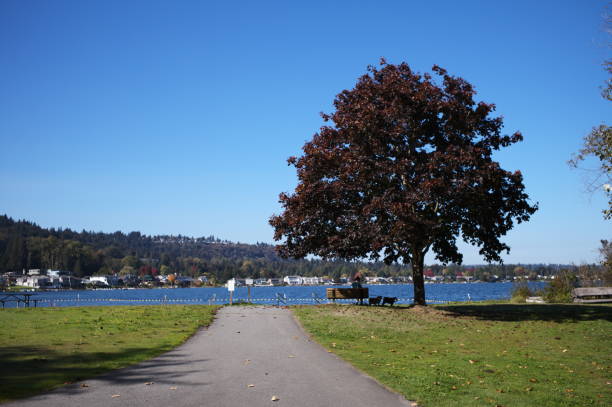
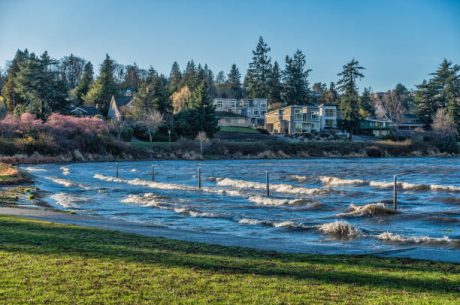
Your Sammamish Plateau home sits approximately 500 feet above Lake Sammamish’s shoreline. This elevation creates breathtaking views of the Cascades, privacy from busy lowland areas, and property values reflecting the desirable Plateau lifestyle.
It also creates water damage patterns that PuroClean of Sammamish water damage disasters specialists see nowhere else in King County.
Last February, a homeowner in the Timberlane neighborhood called our emergency line at 6 AM. Her second-floor bathroom pipe had burst overnight, flooding through two levels before she discovered it. By the time PuroClean of Sammamish water damage disasters technicians arrived, water had cascaded downhill through the home’s interior,human accumulating in the lowest point—her finished basement—where four inches of standing water destroyed flooring, drywall, and furnishings.
Total damage: $28,000.
The cause? Water pressure variations from the Plateau’s elevation created stress on aging pipe connections, leading to catastrophic failure that wouldn’t have occurred in lower-elevation properties.
According to local plumbing experts, 85% of Sammamish homes experience unique challenges due to varying elevation levels and higher-than-average water pressure. The Sammamish Plateau Water and Sewer District manages pressure variations across an elevation range exceeding 500 vertical feet—creating plumbing system stress that translates directly into the PuroClean of Sammamish water damage disasters our restoration teams respond to weekly.
Understanding how elevation creates these unique water damage patterns helps Plateau homeowners prevent disasters and respond effectively when failures occur.
The Water Pressure Problem: Why Elevation Means Higher Pressure and More Failures
Water pressure increases with elevation difference. For every 2.31 feet of elevation drop, water pressure increases by 1 PSI (pound per square inch). The Sammamish Plateau’s 500-foot elevation above Lake Sammamish creates pressure variations exceeding 200 PSI in the most extreme scenarios.
Standard residential plumbing systems are designed for 40-80 PSI. When pressure exceeds 80 PSI, building codes require pressure-reducing valves (PRVs) to protect plumbing fixtures, appliances, and pipe connections from excessive stress.
Yet PuroClean of Sammamish water damage disasters assessments frequently reveal Plateau homes without proper pressure regulation, leading to:
Burst pipes and failed connections when pressure spikes overwhelm weak points in plumbing systems. Older homes with original galvanized pipes are particularly vulnerable—corrosion weakens pipes over decades, then elevated pressure causes catastrophic failures.
Water heater failures from excessive pressure stressing tank seams and relief valves. Water heaters operating above rated pressure develop leaks and eventually rupture, flooding homes with 40-80 gallons of scalding water.
Fixture damage and leaks as elevated pressure destroys washers, seals, and valve seats. Toilets that run continuously, faucets that drip persistently, and appliances that leak around connections often indicate pressure-related damage.
Supply line failures connecting fixtures to plumbing systems. The flexible braided lines behind toilets and under sinks aren’t designed for sustained high pressure—they deteriorate faster and fail suddenly, often when homeowners are away.
According to City of Bellevue utilities data, properties below 90-foot elevation without proper pressure-reducing valve protection risk home damage from excessive pressure. The proposed increase in pressure could cause damage if homes lack required protection, emphasizing that pressure management isn’t optional for Plateau properties.
One Sahalee homeowner experienced this firsthand. Their home, built in 1987 without a PRV, operated at 110 PSI for decades. When a second-floor bathroom supply line finally failed, water flooded through walls and ceilings for six hours before discovery. PuroClean of Sammamish water damage disasters remediation cost $34,000 including mold removal, structural drying, and reconstruction.
A $400 PRV installation would have prevented the entire disaster.
Gravity’s Role: How 500 Feet of Drop Accelerates Water Damage
Elevation creates a second PuroClean of Sammamish water damage disasters factor that lowland properties don’t experience: gravity-accelerated water flow that turns minor leaks into major floods within minutes.
When water enters a Plateau home—whether from pipe bursts, appliance failures, or storm intrusion—it doesn’t pool evenly like in flat-lot properties. Instead, it flows rapidly downhill through the structure, accumulating in lowest points and spreading across larger areas before homeowners discover the problem.
Vertical water travel through multi-level homes happens faster on sloped lots. Water finding paths through floors and walls accelerates as it moves downhill through the structure, creating extensive damage in multiple rooms by the time visible signs appear.
Basement and crawl space accumulation concentrates water damage in the lowest structural points. Plateau homes built into hillsides often feature finished basements at the downhill side—precisely where gravity-driven water flow concentrates, creating standing water conditions requiring immediate professional extraction.
Hidden damage in wall cavities develops as water travels through structural voids. Gravity pulls water downward through the path of least resistance—typically inside walls where it saturates insulation, promotes mold growth, and rots framing members completely hidden from view until extensive damage occurs.
Exterior drainage complications from elevation changes. Plateau properties often feature retaining walls, terraced landscaping, and complex drainage patterns required to manage slope. When these systems fail or clog, water that should drain away instead flows toward foundations, overwhelming waterproofing and entering homes.
PuroClean of Sammamish water damage disasters specialists responding to Plateau properties routinely discover water has traveled 40-50 feet horizontally while descending through structures—far greater spread than flat-lot homes experience. This increased damage area directly translates to higher restoration costs.
A Trossachs neighborhood family learned this lesson expensively. Their main-floor washing machine supply line failed while they were at work. Water flowed downhill through their split-level home for eight hours, eventually finding every low point including finished basement, under-stair closets, and attached garage at the property’s lowest elevation. Despite the leak originating in a single location, water damage affected 12 distinct areas requiring professional restoration totaling $31,000.
Foundation and Structural Challenges From Building on Slopes
The Sammamish Plateau’s topography requires building homes on sloped lots—creating foundation and structural challenges that contribute to PuroClean of Sammamish water damage disasters patterns not seen in flat-terrain construction.
According to construction defect experts, foundation problems often stem from inadequate soil analysis, poor engineering, or substandard construction materials. Plateau construction amplifies these risks because slope engineering requires expertise many contractors lack.
Daylight basements and walkout foundations common in Plateau homes create increased water intrusion risk. The exposed foundation wall on the downhill side receives direct precipitation, ground moisture, and runoff from uphill portions of the property—requiring robust waterproofing that some builders skimp on to cut costs.
Retaining wall failures redirecting water toward homes instead of away. Plateau properties frequently require retaining walls to create level building sites. When these walls fail—from inadequate drainage, poor construction, or natural settling—water previously controlled by the wall flows directly toward home foundations.
Soil movement and settling stressing foundation waterproofing. Slope properties experience more foundation movement than flat-lot homes as soil shifts seasonally with moisture changes. This movement can crack waterproofing membranes and create gaps where water enters.
Complex drainage requirements that must function perfectly. Plateau properties need French drains, curtain drains, and surface drainage systems working in coordination to manage water on sloped terrain. A single failure point in these interconnected systems can redirect massive water volumes toward foundations.
One Inglewood Hills resident discovered their home’s uphill retaining wall had slowly failed over five years. During heavy rainfall, water that should have drained around the property instead pooled behind the failing wall, then found paths through foundation cracks into their basement. PuroClean of Sammamish water damage disasters assessment revealed chronic water intrusion had created extensive mold growth and structural damage totaling $43,000 in necessary repairs.
Why Plateau Homes Need Different Plumbing Protection Than Lowland Properties
The elevation-related pressure and gravity factors create plumbing system stresses that demand protective measures beyond standard residential practices—yet PuroClean of Sammamish water damage disasters teams regularly respond to Plateau homes lacking these essential protections.
Pressure-reducing valves (PRVs) should be standard equipment on every Plateau home, yet many older properties lack them entirely. According to municipal water utilities, properties where system pressure exceeds 80 PSI require PRVs to prevent damage. The Sammamish Plateau’s elevation variations mean many homes operate well above this threshold without protection.
Expansion tanks prevent pressure spikes when water heaters operate. As water heats, it expands—creating pressure increases that can stress plumbing systems. Homes without expansion tanks experience higher failure rates for pipes, fixtures, and appliances.
Water hammer arrestors prevent shock waves when fixtures close quickly. The momentum of water flowing through pressurized systems creates hydraulic shock when valves close suddenly—imagine the bang when you shut off a faucet quickly. This repeated shock stresses pipe connections and leads to eventual failures.
Regular pressure monitoring to detect system changes. Water pressure can change as municipal systems adjust, nearby developments alter distribution patterns, or home plumbing components age. Annual pressure testing identifies problems before catastrophic failures occur.
Local plumbing specialists report that Sammamish Plateau homes require special consideration for elevation changes and water pressure variations affecting installation methods. Ignoring these requirements leads to the PuroClean of Sammamish water damage disasters our teams respond to consistently.
Storm Water Management: How Elevation Amplifies Drainage Problems
The Sammamish Plateau receives the same rainfall as lowland areas, but elevation amplifies how that rain affects properties and creates PuroClean of Sammamish water damage disasters from drainage system failures.
Runoff velocity increases with slope. Water flowing downhill accelerates, carrying more debris and concentrating force at low points. Plateau properties experience higher-velocity runoff that overwhelms drainage systems designed for flat-lot conditions.
Uphill water contribution. Plateau homes receive not just rainfall on their own lots but also runoff from all uphill properties and natural terrain. A single home might need to manage drainage from half an acre of uphill watershed—far exceeding what its lot size suggests.
Seasonal variations in soil saturation. Plateau soils saturate during wet months, reducing absorption capacity and forcing more water into surface runoff that must be managed through engineered drainage systems. When these systems clog or fail, water intrudes into homes.
Winter freeze-thaw cycles affecting drainage function. Plateau elevations experience colder temperatures than shoreline properties. Repeated freezing and thawing can crack drainage pipes, shift soil, and compromise system effectiveness.
According to Washington State storm damage research, prolonged rainfall can expose weaknesses in roofing and drainage systems, leading to leaks, rot, and mold if water penetrates structures. Plateau properties face these risks with the added challenge of managing downslope water movement.
A Thompson neighborhood family experienced catastrophic PuroClean of Sammamish water damage disasters when their French drain system—responsible for managing uphill runoff—clogged during heavy December rainfall. Water that should have drained around their property instead flowed directly against their foundation, overwhelming waterproofing and flooding their basement with six inches of standing water. Emergency response and restoration cost $19,000, plus $8,000 to repair the failed drainage system.
The Real Cost of Elevation-Related Water Damage
PuroClean of Sammamish water damage disasters from elevation-related causes carry higher average costs than lowland water damage for several reasons:
Greater damage spread as gravity distributes water across larger areas. The average Plateau water damage claim affects 40% more square footage than comparable flat-lot damage, directly increasing restoration costs.
Structural complications from slope construction. Daylight basements, complex foundation systems, and hillside building techniques all increase the complexity and cost of proper restoration.
Hidden damage discovery requiring extensive investigation. Water traveling through sloped structures creates concealed damage in wall cavities, beneath floors, and in crawl spaces that standard inspections miss—requiring thermal imaging, moisture meters, and invasive investigation adding to total costs.
Mold growth acceleration in humid Pacific Northwest climate. Moisture trapped in Plateau home structures provides perfect conditions for mold colonization beginning within 24-48 hours of water intrusion.
According to restoration industry data, the average water damage restoration costs $4,000 nationally. However, PuroClean of Sammamish water damage disasters on Plateau properties average $18,000-25,000 due to elevation-related complication factors.
The most expensive disaster our team has handled: a Plateau home where a main water line failed in an exterior wall during a winter freeze. The pressurized water (over 100 PSI due to elevation) flooded through walls and floors for 72 hours before discovery during the homeowner’s vacation. Total damage exceeded $94,000 including complete first-floor reconstruction, mold remediation throughout, and structural repairs to water-damaged framing.
Prevention Strategies for Plateau Homeowners
Understanding PuroClean of Sammamish water damage disasters patterns helps Plateau homeowners implement targeted prevention:
Install and maintain pressure-reducing valves. If your home lacks a PRV and you’re in an elevated area, this should be your first priority. Professional installation costs $400-800—trivial compared to potential water damage.
Test water pressure annually. Hardware stores sell pressure gauges for under $20. Test your pressure at an outdoor hose connection. If it exceeds 80 PSI, you need professional evaluation and likely a PRV.
Inspect and maintain drainage systems twice yearly. Clean gutters, check French drains for clogs, inspect retaining wall drainage, and ensure all water flows away from your foundation. The $200-300 annual cost prevents $20,000+ disasters.
Monitor for warning signs of pressure problems. Loud banging when fixtures close (water hammer), toilets running frequently, or persistent drips from fixtures all suggest pressure issues requiring attention.
Schedule professional plumbing inspections every 3-5 years. Pressure systems, expansion tanks, PRVs, and pipe connections all age and require periodic replacement. Professional inspection identifies problems before catastrophic failures occur.
FAQ: Sammamish Plateau Elevation Water Damage
Q: Does every Plateau home need a pressure-reducing valve?
Not every home, but many do. If your water pressure exceeds 80 PSI (test with a pressure gauge), building codes require a PRV. Most Plateau homes in higher elevations benefit from PRV installation even if not legally required.
Q: Will homeowners insurance cover damage from pressure-related pipe failures?
Typically yes, if the failure is sudden and accidental. However, insurance may deny claims if they determine you failed to maintain your home properly. Installing required PRVs and maintaining plumbing systems protects both your property and insurance coverage.
Q: How do I know if my home has adequate pressure protection?
Look for a pressure-reducing valve near where your main water line enters your home—it’s a bell-shaped device usually found in basements, crawl spaces, or utility rooms. If you can’t find one and your home is on the Plateau, have a plumber evaluate your system.
Q: What elevation on the Plateau requires pressure protection?
Any property where water pressure exceeds 80 PSI requires protection. This varies based on your specific elevation relative to water system pressure zones. Professional testing determines your actual pressure and whether protection is needed.
Q: Can I install a PRV myself?
Installation requires plumbing expertise and permits. Improper installation can create worse problems than it solves. Professional installation ensures correct sizing, proper placement, and compliance with building codes.
Q: How often should I maintain elevation-related drainage systems?
Inspect and clean gutters, downspouts, and visible drainage components every 6 months. Schedule professional inspection of French drains, curtain drains, and subsurface systems every 2-3 years, or immediately if you notice drainage problems.
Q: Does elevation affect mold growth after water damage?
Not directly, but the increased damage spread from gravity-driven water flow creates more areas where mold can colonize. Professional restoration within 24-48 hours prevents mold regardless of elevation.
When Elevation Creates Water Disasters: PuroClean of Sammamish Responds 24/7
Understanding how the Plateau’s 500-foot elevation creates unique PuroClean of Sammamish water damage disasters helps you prevent problems. But when elevation-related water damage strikes your home, you need immediate professional response that understands these unique challenges.
PuroClean of Sammamish provides 24/7 emergency water damage restoration with specific expertise in elevation-related disasters affecting Plateau properties. Our certified technicians understand pressure variation failures, gravity-driven water spread, slope construction complications, and drainage system challenges that distinguish Plateau water damage from lowland scenarios.
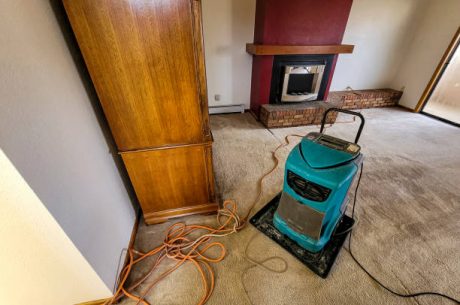
We respond within 60-90 minutes equipped with industrial water extraction pumps powerful enough to handle the water volumes gravity concentrates in Plateau home low points, commercial dehumidifiers calibrated for Pacific Northwest humidity that accelerates mold growth, thermal imaging cameras that detect hidden water damage in complex slope-built structures, and moisture meters providing objective data about saturation levels throughout affected areas.
Our team has restored hundreds of Plateau properties from elevation-related water disasters including burst pipes from pressure variations, gravity-driven multi-level flooding, foundation intrusion from failed drainage systems, and storm water intrusion overwhelming slope properties.
Whether your home is in Sahalee estates, Trossachs neighborhoods, Inglewood Hills, Thompson, Timberlane, or anywhere across the 500-foot elevation range of the Sammamish Plateau, our local expertise ensures we understand your property’s unique elevation-related vulnerabilities.
Don’t let the Plateau’s elevation turn minor plumbing failures into $25,000+ disasters. Call PuroClean of Sammamish at (425) 947-1001 for 24/7 emergency water damage response. Our elevation-aware restoration specialists provide immediate assessment, water extraction, structural drying, and complete restoration services protecting your Plateau property investment. Living at 500 feet above the lake provides amazing views—it also requires elevation-specific water damage expertise available 24/7 when disasters strike.
Available 24/7/365 | (425) 947-1001 | Contact Us Online | Google Business Profile | IICRC Certified | True Emergency Response | Complete Damage Restoration Solutions
 PuroClean of Sammamish