 PuroClean of Sammamish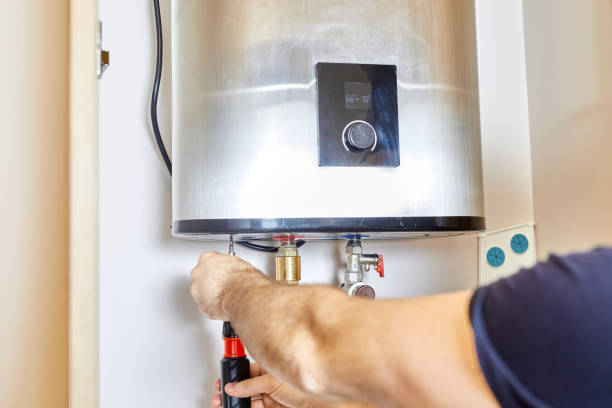
Last November, a Klahanie homeowner heard what they described as a cannon shot from their garage at 6:43 AM. They found their 9-year-old water heater had catastrophically failed. The temperature and pressure relief valve, the last line of defense against tank overpressure, had seized from years of mineral deposits and never opened. The tank had built pressure until the bottom seam gave way.
Forty-two gallons of scalding water released in under 90 seconds.
The water heater itself became a projectile. It displaced 4 feet from its original position. Scalding water flooded the garage floor, found the gap under the interior door, and entered the finished laundry room and adjacent hallway. The thermal shock from 140-degree water on finished flooring created damage beyond simple saturation.
Total damage: $58,000. From a tank that showed no external warning signs the previous week.
The tragedy? A $350 expansion tank installation and an annual T&P valve test by PuroClean of Sammamish water heater damage specialists would have identified the pressure buildup risk before physics made the decision for them. This is not a standard water heater failure story. This is a Sammamish Plateau story, and the elevation of your property is the variable that makes it yours too.
PuroClean of Sammamish water heater damage response data shows Plateau properties experience catastrophic water heater failures at approximately twice the rate of equivalent lowland properties in Bellevue and Redmond. The reason is not appliance quality. It is not homeowner negligence. It is elevation, and the physics of water pressure that elevation creates in ways most Sammamish homeowners have never been told about.
The Elevation Factor: Why Living at 500 Feet Changes Your Water Heater’s Risk Profile Completely
The Sammamish Plateau sits at approximately 500 feet above sea level. Water is delivered to Plateau homes by the Sammamish Plateau Water and Sewer District through a pressurized municipal system that must overcome that elevation to deliver water at usable pressure throughout the service area. According to the Sammamish Plateau Water and Sewer District, the district serves approximately 32,000 residents across the Plateau with a system engineered to maintain consistent pressure across significant elevation variation.
The engineering reality of delivering water uphill creates supply pressure at Plateau properties that consistently runs at the upper range of residential design parameters. According to the International Plumbing Code as referenced by the Washington State Department of Labor and Industries, residential water supply pressure should not exceed 80 PSI at the point of use. Many Sammamish Plateau homes receive supply pressure between 65 and 90 PSI, with properties at lower Plateau elevations receiving the highest incoming pressure as the distribution system compensates for uphill delivery demands.
That pressure differential matters for every plumbing component in your home. But it matters most for your water heater, because the water heater is the one appliance in your home that takes cold supply pressure and adds thermal expansion pressure on top of it.
Here is the physics most homeowners have never heard explained: when cold water at 50 degrees Fahrenheit enters your water heater and heats to 120 to 140 degrees, it expands. Cold water is denser than hot water. The same volume of water at 120 degrees occupies approximately 2% more space than it did at 50 degrees. In an open plumbing system — the configuration most Sammamish homes had before pressure-reducing valves and backflow preventers became standard — that expanded volume simply pushed back into the municipal supply line. No pressure buildup occurred.
Modern closed plumbing systems, which virtually every Sammamish home now operates, prevent that backflow. Pressure-reducing valves and backflow preventers installed at the meter create a sealed system. When water expands inside the water heater, it has nowhere to go. Pressure builds inside the tank with every heating cycle. On a high-pressure Plateau supply, starting pressure of 75 to 90 PSI plus thermal expansion pressure creates combined tank pressure that aging T&P valves, corroded tank seams, and degraded components were never designed to sustain cycle after cycle.
Expansion Tanks: The $350 Component That Makes Plateau Water Heaters Safe
The expansion tank is a small pressurized vessel, typically 2 gallons in capacity, installed on the cold water supply line entering the water heater. It contains a rubber diaphragm separating a water side from an air side pre-charged to match supply pressure. When thermal expansion increases water volume inside the heater, the expanded volume compresses into the expansion tank’s water side rather than building pressure inside the closed system.
According to the Washington State Department of Labor and Industries plumbing code requirements, expansion tanks are required on all new water heater installations in closed plumbing systems throughout Washington State. The requirement exists precisely because closed systems without expansion tanks build thermal expansion pressure that accelerates component failure.
The challenge in Sammamish is the age of existing installations. Water heaters installed before the expansion tank code requirement became universally enforced, and replacement heaters installed by contractors who skipped the expansion tank to reduce project cost, sit in Plateau homes right now operating in closed systems without pressure relief for thermal expansion. Every heating cycle builds pressure. Every pressure cycle stresses the tank lining, the anode rod connections, the T&P valve seat, and the bottom seam welds.
Expansion tank installation costs $250 to $400 including parts and labor. It is a 2-hour installation requiring no major plumbing modifications. On a Plateau property receiving 75 to 90 PSI supply pressure, it is not optional equipment. It is the component that keeps thermal expansion pressure from compounding onto already elevated supply pressure with every heating cycle your water heater runs.
Case Study: Klahanie Home — $58,000 Catastrophic Tank Failure
The November Klahanie failure described above involved a 9-year-old 40-gallon natural gas water heater installed without an expansion tank. Supply pressure at the property measured 82 PSI at the cold water inlet. Without an expansion tank, each heating cycle built thermal expansion pressure directly against the closed system. Over 9 years of daily operation, approximately 3,285 heating cycles, the cumulative pressure stress had corroded the T&P valve seat from mineral deposits and fatigued the bottom seam welds. When the final failure occurred, the T&P valve that should have released pressure at 150 PSI did not open. The bottom seam failed instead. PuroClean of Sammamish water heater damage restoration included garage structural assessment, scalding water damage remediation to finished interior spaces, flooring replacement, and wall cavity drying. Total cost: $58,000.
T&P Valve Failures: Why Your Last Line of Defense Is Probably Not Working
The temperature and pressure relief valve is a spring-loaded safety device threaded into the side or top of every residential water heater. It is designed to open automatically when tank temperature exceeds 210 degrees Fahrenheit or tank pressure exceeds 150 PSI, releasing water through a discharge pipe to prevent catastrophic tank failure. It is the last mechanical defense between a pressurized water heater and a structural disaster.
According to the Water Quality Association, T&P valves in areas with hard water, which describes Sammamish’s water supply drawing from Cascade snowmelt, accumulate mineral deposits on the valve seat and spring mechanism over time. These deposits progressively restrict valve operation. A T&P valve that has never been manually tested may be partially or completely seized from mineral accumulation despite appearing externally intact.
The manual test procedure takes 30 seconds: lift the test lever briefly and confirm water discharges through the relief pipe, then release. If water does not discharge freely, or if the valve drips continuously after testing, replacement is required immediately. According to the IICRC S500 standards, water heater components showing functional impairment represent active safety risks requiring immediate remediation rather than monitored maintenance.
Most Sammamish homeowners have never performed this test. Many do not know it exists. The T&P valve on their water heater was last tested at the factory before installation and has accumulated 5, 10, or 15 years of Sammamish mineral deposits on its seat since that moment.
On a Plateau property with elevated supply pressure and no expansion tank, a seized T&P valve removes the only remaining protection against catastrophic tank failure. The Klahanie homeowner’s cannon shot was the sound of that protection’s absence.
Case Study: Sahalee Property — $44,000 T&P Valve Seizure Event
A Sahalee homeowner’s 11-year-old water heater had a T&P valve that had never been tested or replaced. Supply pressure at the property ran 78 PSI. No expansion tank was installed. During a January cold snap when incoming water temperature dropped significantly, the thermal differential between incoming cold water and tank temperature created a larger than normal expansion pressure spike. The seized T&P valve did not open. The tank released through a corroded fitting at the cold water inlet rather than through catastrophic seam failure, discharging hot water into the utility closet interior over approximately 25 minutes before the homeowner noticed water under the closet door. Utility closet structural components, adjacent wall cavities, and flooring across three rooms required complete restoration. Total PuroClean of Sammamish water heater damage restoration cost: $44,000.
Pressure-Reducing Valves: The First Line of Defense Most Plateau Homes Are Missing
A pressure-reducing valve, installed at the main water supply entry point where the municipal line enters the home, mechanically limits incoming supply pressure to a set point, typically 50 to 60 PSI regardless of municipal supply variation. According to the Plumbing Manufacturers International, pressure-reducing valves protect all plumbing components from overpressure conditions, extending the functional lifespan of water heaters, supply hoses, fixture connections, and appliance inlet valves.
On Sammamish Plateau properties receiving 75 to 90 PSI supply pressure, a pressure-reducing valve reduces that incoming pressure to the 50 to 60 PSI range for which residential plumbing components are designed. This single device reduces thermal expansion pressure buildup in closed systems, extends water heater tank lifespan by reducing pressure cycling stress, and protects every supply hose, appliance connection, and fixture in the home from the accelerated fatigue that elevated supply pressure creates.
Pressure-reducing valve installation costs $300 to $500 including parts and labor. On a Plateau property, it works in combination with the expansion tank: the PRV limits incoming pressure, the expansion tank absorbs thermal expansion, and the T&P valve serves as the final safety backup for the rare pressure event that exceeds both upstream protections. All three components working together create a system that functions within design parameters regardless of Plateau elevation pressure characteristics.
Properties without pressure-reducing valves that have never experienced a water heater failure are not safe. They are operating on the portion of their component fatigue curve that precedes failure, at an accelerated rate created by elevated supply pressure, with a timeline determined by how long their tank lining, T&P valve seat, and seam welds can sustain pressure cycling they were not designed for.
The 40 to 80 Gallon Catastrophic Release: What Happens to Your Home in 90 Seconds
Sammamish water heaters range from 40-gallon standard tank units to 80-gallon high-capacity models common in larger Plateau homes. When catastrophic failure occurs, that full volume releases at the temperature inside the tank at the moment of failure, typically 120 to 140 degrees Fahrenheit, in a timeframe of 60 to 120 seconds.
Scalding water at 140 degrees causes third-degree burns in under 5 seconds of skin contact. It causes immediate thermal shock to flooring adhesives, causing delamination before saturation damage even registers. It warps engineered wood flooring and LVP products beyond any restoration threshold. It creates steam in enclosed spaces that drives moisture into wall assemblies far beyond the water’s physical reach. And it carries the tank itself, now a pressure vessel releasing stored energy, in whatever direction physics dictates.
According to the Consumer Product Safety Commission’s water heater safety data, catastrophic water heater failures involving pressure buildup can propel tanks significant distances. The Klahanie tank’s 4-foot displacement was a moderate event. Tank projectile events in closed-system overpressure failures have been documented at distances exceeding 10 feet, passing through drywall assemblies and creating structural damage beyond any water intrusion.
PuroClean of Sammamish water heater damage teams assess both the water intrusion damage and the structural impact damage in catastrophic release events. The two damage categories require different remediation approaches and must be documented separately for insurance purposes.
Warning Signs Every Plateau Homeowner Should Check This Week
At the T&P valve: Any visible corrosion, mineral deposits at the valve body, or continuous dripping from the discharge pipe indicates immediate replacement is required. Perform the 30-second manual test. If the valve does not release freely and reseat completely, replace it before the next heating cycle runs.
At the tank base: Rust-colored water staining, mineral deposit rings, or any moisture at the base of the tank indicates corrosion of the tank lining or bottom seam. These are not cosmetic issues. They are structural failure precursors on a pressurized vessel.
At the cold water inlet: Any evidence of previous dripping, mineral buildup at the inlet fitting, or corrosion at the connection point indicates pressure stress at the highest-stress connection on the tank.
At the expansion tank: If you cannot locate an expansion tank on the cold water supply line entering your water heater, assume you do not have one. Call a licensed plumber this week. On a Plateau property with elevated supply pressure, every heating cycle without an expansion tank is a pressure event your tank was not designed to sustain.
At your pressure gauge: A $15 water pressure gauge threaded onto any hose bib confirms your supply pressure in 30 seconds. Readings above 80 PSI require immediate pressure-reducing valve installation. Readings between 60 and 80 PSI on a closed system without an expansion tank require expansion tank installation.
Prevention Framework: The Three-Component System That Protects Plateau Water Heaters
Component one — Pressure-reducing valve: Install at the main supply entry if incoming pressure exceeds 60 PSI. Cost: $300 to $500 installed. Protects every plumbing component in the home from elevated Plateau supply pressure.
Component two — Expansion tank: Install on the cold water supply line entering the water heater if not already present. Cost: $250 to $400 installed. Absorbs thermal expansion pressure in closed systems, eliminating the primary pressure buildup mechanism responsible for accelerated component fatigue.
Component three — Annual T&P valve testing and replacement: Test the valve manually once annually. Replace at the 5-year mark regardless of test results in hard water areas. Replacement cost: $20 to $45 parts plus one hour of labor. Maintains functional last-line-of-defense protection against overpressure events that bypass upstream protections.
All three components together cost $600 to $950 installed. The average PuroClean of Sammamish water heater damage restoration costs $44,000 to $58,000. The three-component system is not optional maintenance on a Sammamish Plateau property. It is the engineering baseline that brings your water heater’s operating conditions into alignment with what the tank, valves, and connections were actually designed to handle.
Frequently Asked Questions About Water Heater Damage in Sammamish
Why do Sammamish Plateau homes have higher water heater failure rates?
Plateau elevation creates municipal supply pressure between 65 and 90 PSI at many properties, above the 50 to 60 PSI range residential plumbing components are designed for. In closed plumbing systems without expansion tanks, this elevated supply pressure combines with thermal expansion pressure from every heating cycle, creating cumulative stress on tank linings, seam welds, and T&P valve seats that accelerates failure timelines compared to lower-pressure lowland properties.
What is an expansion tank and do I need one?
An expansion tank is a small pressurized vessel installed on the cold water supply line entering your water heater. It absorbs thermal expansion pressure in closed plumbing systems, preventing pressure buildup inside the tank with every heating cycle. Washington State plumbing code requires expansion tanks on all new water heater installations in closed systems. If your water heater was installed before this requirement was enforced, or by a contractor who skipped the component, you likely do not have one. On a Plateau property, this is an immediate installation priority.
How do I test my T&P valve?
Locate the temperature and pressure relief valve on the side or top of your water heater. Position a bucket under the discharge pipe. Briefly lift the test lever for 2 to 3 seconds and confirm water discharges through the pipe. Release the lever and confirm it reseats completely with no continuous dripping. If water does not discharge freely or the valve drips after testing, replace it immediately. Do not operate the water heater with a non-functional T&P valve.
Does homeowners insurance cover catastrophic water heater failures?
Most homeowner policies cover sudden and accidental water heater failures including catastrophic tank releases. According to the Washington State Office of the Insurance Commissioner, gradual deterioration and maintenance failures may be excluded. Document the failed components immediately and contact PuroClean of Sammamish water heater damage specialists before any cleanup begins. Our teams document failure mechanisms, pressure conditions, and component states from the first hour of response, providing the evidence record most useful for coverage claims.
How old is too old for a Sammamish Plateau water heater?
According to the International Association of Certified Home Inspectors, standard tank water heaters have a functional lifespan of 8 to 12 years under normal operating conditions. On Sammamish Plateau properties with elevated supply pressure and no expansion tank, that lifespan compresses to 6 to 9 years from accelerated pressure cycling stress. Any Plateau water heater over 8 years old without a confirmed expansion tank and recent T&P valve test represents an active risk requiring immediate professional assessment.
What should I do immediately after a water heater failure?
Locate the cold water shut-off valve on the supply line entering the water heater and close it immediately. If the valve is inaccessible or non-functional, shut off the main household water supply. Do not enter standing water if the water heater is gas-fired until the gas supply is confirmed off. Photograph everything before touching or moving anything. Call PuroClean of Sammamish water heater damage emergency line at (425) 947-1001 immediately. Scalding water events require specialized documentation for both insurance claims and safety assessment before restoration begins.
When Water Heater Damage Strikes Your Sammamish Plateau Home, PuroClean Responds 24/7
PuroClean of Sammamish water heater damage teams respond within 60 to 90 minutes to catastrophic tank failures and pressure release events across Sahalee, Klahanie, Trossachs, Issaquah Highlands, and Pine Lake. We bring thermal imaging to map scalding water migration through wall assemblies and subfloor cavities, moisture meters calibrated for the specific damage patterns created by high-temperature water release, structural assessment protocols for tank displacement and impact damage, comprehensive documentation of failure mechanisms and pressure conditions supporting insurance claims, and IICRC-certified technicians who understand the unique damage profile of Plateau overpressure events.
Three components costing $600 to $950 prevent restorations averaging $44,000 to $58,000. Call PuroClean of Sammamish at (425) 947-1001 now to schedule a water heater pressure assessment before Plateau physics writes the next chapter of this story on your property.
Available 24/7/365 | (425) 947-1001 | Contact Us Online | Google Business Profile | IICRC Certified | True Emergency Response | Complete Damage Restoration Solutions


 PuroClean of Sammamish