 PuroClean of Sammamish
Table of Contents
The waters are receding. The rain has stopped. The National Weather Service has downgraded flood warnings. For Sammamish residents who’ve spent the past week watching Issaquah Creek rage and Lake Sammamish creep toward their homes, there’s a temptation to breathe a sigh of relief and start picking up the pieces.
But here’s what most homeowners don’t realize: the most critical phase of flood recovery is just beginning.
What you do in the next 7-14 days will determine whether your home recovers completely or suffers lingering problems costing tens of thousands of dollars over the coming months and years. The December 2025 atmospheric river event may be over, but its impacts are far from finished.
This is your comprehensive guide to navigating post-flood recovery in Sammamish—from the moment waters recede through complete restoration. Let’s make sure you do this right.
The First 24 Hours After Flooding: Safety Before Everything
Before you touch anything, before you start cleanup, before you even fully enter your home, understand this: flood-damaged properties harbor serious safety hazards.
Critical safety assessments before reentry:
Do not enter your home if you smell gas or suspect gas leaks. Contact your utility company immediately and stay away until they declare it safe. Natural gas leaks can cause explosions without warning.
Never enter buildings with standing water while electricity remains connected. Water conducts electricity, creating electrocution risks. Ensure electrical service is shut off or verified safe by professionals before entering flooded areas.
Check for structural damage that could cause the building to collapse before entering. Look for sagging ceilings, buckled walls, shifted foundations, or visible cracks in load-bearing elements. If you have any concerns, wait for professional structural inspection.
Be cautious of contaminated floodwater. The December 2025 flooding mixed stormwater with sewage, chemicals, fuel, and agricultural runoff. Direct contact causes illness. Wear protective gloves, boots, and eye protection when handling anything touched by floodwater.
When to call professionals before entering:
If your home experienced more than six inches of standing water on any level, professional assessment should precede attempted entry. Structural engineers, licensed electricians, and certified restoration specialists can verify safety before you risk harm.
The Sammamish community has seen multiple flooding events, but December 2025’s magnitude means damage patterns may differ from past experiences. Don’t assume your previous flood knowledge applies to current conditions.
Document Everything Before Touching Anything
This is the single most important step for insurance claim success, yet it’s the step most homeowners skip in their eagerness to start cleanup.
Comprehensive documentation requirements:
Photograph and video everything affected by flooding before you move, clean, or dispose of anything. Insurance adjusters need to see damage in its immediate post-flood condition. Walk through every room, filming continuously while describing what you’re seeing aloud.
Capture wide shots showing overall damage patterns, then close-ups of specific items and materials. Document water lines on walls showing flood height, stained carpets and flooring, damaged furniture and appliances, and saturated belongings still in their flooded locations.
Don’t just photograph obvious damage. Document areas that look fine but were submerged. Hidden moisture causes the most expensive problems, and your photos establish baseline conditions for later comparison.
Creating damage inventories:
List every damaged item with descriptions, approximate age, purchase information if available, and current condition. Homeowners insurance typically covers flood damage from sudden events, and detailed inventories support comprehensive settlements.
Take serial numbers from damaged electronics and appliances. Photograph manufacturer labels. This information proves ownership and establishes replacement values.
Upload all documentation to cloud storage immediately. Don’t rely solely on devices that might fail or get damaged during cleanup. King County’s emergency management resources provide additional documentation guidance specific to local flooding.
Understanding Your Insurance Coverage and Immediate Obligations
Time-sensitive insurance requirements kick in the moment flooding occurs, and missing deadlines jeopardizes coverage.
Immediate insurance notifications:
Contact your insurance company within 24-48 hours of flooding, even if you’re still displaced and haven’t fully assessed damage. Most policies require prompt notification, and delays can void coverage for preventable secondary damage.
Standard homeowners insurance covers sudden water damage from storm events, but flood insurance through the National Flood Insurance Program provides additional protection. Many Sammamish residents discovered during previous floods that they lacked adequate coverage—review your policies now.
Your duty to mitigate further damage:
Insurance policies require homeowners to take reasonable steps preventing additional damage after initial loss. This means you cannot simply abandon flood-damaged property and expect full coverage.
Reasonable mitigation includes extracting standing water promptly, removing saturated materials that will mold, establishing ventilation and dehumidification, and protecting property from weather exposure. However, you’re not expected to perform professional-level restoration, just reasonable emergency measures.
Most policies cover costs of professional emergency mitigation. Don’t delay calling certified restoration companies fearing insurance won’t pay. Emergency water extraction, structural drying, and mold prevention typically receive full coverage when performed promptly after flooding.
What insurance adjusters look for:
Adjusters evaluate whether damage resulted from the covered event (December 2025 flooding) versus pre-existing conditions or delayed mitigation. Your documentation proves causation and timing.
They distinguish between salvageable items requiring cleaning versus total losses needing replacement. Professional restoration companies help make these determinations using industry standards adjusters recognize.
They verify that repair estimates reflect actual necessary work rather than unnecessary upgrades. Working with IICRC-certified restoration professionals ensures estimates match insurance industry expectations.
The Hidden Danger: Mold Growth Timeline in Sammamish’s Climate
Here’s the timeline most homeowners don’t understand, and it’s the reason immediate professional intervention matters so much:
Hour 0-24: Floodwaters recede. Visible water disappears. Homeowners feel relieved. But moisture has penetrated drywall, insulation, wood framing, and every porous material in affected areas. In Sammamish’s humid Pacific Northwest climate, this moisture has nowhere to evaporate to naturally.
Hour 24-48: Mold spores, always present in air, begin colonizing on damp surfaces. This happens invisibly. You won’t see or smell anything yet, but biological processes have started that will cost thousands to remediate if not stopped immediately.
Hour 48-72: Visible mold appears on highly porous materials like drywall and ceiling tiles. Black, green, or white spots indicate established colonies. At this point, affected materials often require complete replacement rather than cleaning.
Day 4-7: Mold spreads throughout ventilation systems, behind walls, and into insulation. The distinctive musty odor becomes noticeable. Health effects begin affecting sensitive individuals—respiratory irritation, allergic reactions, and asthma exacerbation.
Week 2-4: Extensive mold contamination requires professional remediation following IICRC S520 standards. Costs escalate from hundreds to tens of thousands of dollars. Some materials become permanently damaged, requiring replacement rather than cleaning.
The Sammamish climate factor:
Our region’s persistent humidity—averaging 69-85% throughout the year with approximately 62 inches of annual rainfall—creates ideal mold conditions. Unlike arid climates where flood-damaged structures can dry naturally, Sammamish homes require aggressive mechanical drying to prevent mold.
This is why waiting even a few days to “see how things dry out” guarantees expensive problems. In our climate, things don’t dry out—they mold.
What Professional Flood Restoration Actually Involves
Let’s demystify the restoration process so you understand what should happen and can recognize if contractors are cutting corners.
Phase 1: Emergency Water Removal (Day 1-2)
Certified technicians arrive with truck-mounted and portable extraction equipment capable of removing thousands of gallons of standing water quickly. Speed matters because every hour water remains accelerates material damage.
They use thermal imaging cameras to map moisture distribution, including water trapped in wall cavities and beneath flooring. Consumer-grade equipment can’t detect this hidden moisture that causes the worst long-term damage.
Technicians document everything with photos, moisture readings, and detailed reports. This documentation protects your insurance claim and establishes baseline conditions for monitoring drying progress.
Phase 2: Structural Drying (Day 2-14)
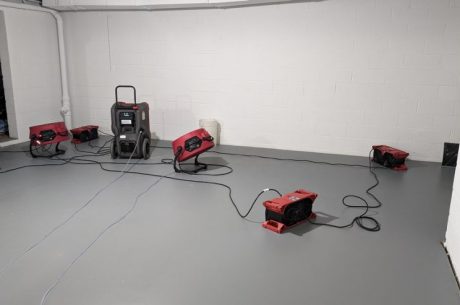
Industrial dehumidifiers—far more powerful than consumer units, run continuously, extracting moisture from air and materials. In Sammamish’s climate, expect drying to take 10-15 days minimum, significantly longer than drier regions.
Air movers create circulation patterns that accelerate evaporation while preventing stagnant air pockets where mold thrives. Proper air movement placement requires training and experience, random fan placement is ineffective.
Technicians monitor moisture levels daily using pin-type and pinless meters, adjusting equipment as needed. They measure specific moisture content percentages in various materials, ensuring everything reaches levels incompatible with mold growth before proceeding.
Phase 3: Cleaning and Sanitization (Day 5-10)
Floodwater contamination requires thorough cleaning of all affected surfaces with EPA-registered antimicrobial solutions. Remember, December 2025 floodwaters mixed stormwater with sewage, creating serious contamination.
HVAC systems receive specialized cleaning because they distribute air throughout homes. Contaminated ducts spread pollutants to every room, creating health hazards even in areas that didn’t flood directly.
Salvageable contents undergo professional cleaning using specialized techniques, from ultrasonic cleaning for delicate items to ozone treatment for odor removal. Professional content restoration often saves thousands in replacement costs.
Phase 4: Restoration and Reconstruction (Week 2+)
Only after complete drying and cleaning does reconstruction begin. This might include replacing drywall, installing new flooring, repairing damaged framing, upgrading electrical systems, and restoring finishes to pre-loss condition.
Proper sequencing prevents trapping moisture or contamination behind new materials—a common mistake when homeowners or inexperienced contractors rush reconstruction before thorough drying.
Common Mistakes That Cost Sammamish Homeowners Thousands
Based on decades of flood recovery work in our region, these are the most expensive mistakes we see repeatedly:
Mistake #1: Waiting to “see if things dry out” before calling professionals.
In Sammamish’s humidity, natural drying doesn’t happen. Every day of delay allows deeper moisture penetration, increases mold risk, and converts salvageable materials into total losses. The cost difference between day-one intervention and day-seven intervention often exceeds $20,000.
Mistake #2: Attempting DIY restoration beyond simple cleanup.
Household fans and store-bought dehumidifiers cannot match industrial equipment’s capacity. You’re not saving money, you’re ensuring inadequate drying that guarantees future problems. Professional equipment doesn’t cost more—it prevents exponentially expensive problems.
Mistake #3: Assuming materials that look dry are actually dry.
Surface dryness is deceptive. Drywall, insulation, and framing hold moisture internally even when surfaces feel dry. Only moisture meters provide accurate readings, and only trained professionals interpret those readings correctly within the context of material type and environmental conditions.
Mistake #4: Removing damaged materials before proper documentation.
Disposing of flood-damaged items before insurance inspection can void claims for those items. Yes, waterlogged carpets smell terrible. Yes, you want them gone. But photograph everything first, create detailed inventories, and consult your adjuster before disposal.
Mistake #5: Accepting surface-level cleanup when structural damage occurred.
Some contractors offer quick, cheap cleanup focusing only on visible damage. This works great—until mold appears behind walls three months later, or floors buckle from moisture-damaged subflooring, or electrical systems fail from corrosion.
Comprehensive restoration costs more initially but prevents problems that cost many times more to fix later. Washington’s Office of the Insurance Commissioner provides consumer guidance on contractor selection and insurance claim navigation.
Long-Term Health Monitoring After Flooding
Floodwater exposure creates health risks that persist long after visible water disappears.
Immediate health concerns:
Direct contact with floodwater causes skin infections, gastrointestinal illness from contamination, and respiratory problems from mold and bacteria. Anyone who contacted floodwater should monitor for symptoms including rashes, fever, nausea, and breathing difficulties.
Children, elderly individuals, and people with compromised immune systems face heightened risks. If anyone in your household develops unexplained illness following flood exposure, inform healthcare providers about the flooding so they can consider water-related diseases in their diagnosis.
Long-term indoor air quality:
Mold produces mycotoxins affecting respiratory health, cognitive function, and overall well-being. Symptoms include persistent coughing, wheezing, headaches, fatigue, and difficulty concentrating.
If your home smells musty even after cleanup, or if family members experience new or worsening respiratory symptoms, professional air quality testing identifies contamination that might require additional remediation.
HVAC system contamination spreads pollutants throughout homes. If your system operated during or immediately after flooding before professional cleaning, consider having it inspected and cleaned even if flood damage didn’t directly affect mechanical spaces.
Sammamish-Specific Recovery Challenges and Resources
Sammamish’s unique geography and hydrology create recovery challenges different from other communities.
Lake Sammamish lakeshore considerations:
Properties along Lake Sammamish experience slower flooding than creek-adjacent homes, but water remains longer because lake levels drop gradually as the Sammamish River Transition Zone drains excess volume. Extended water exposure causes more severe material damage.
Lakeshore flooding often affects landscaping, septic systems, and wells in ways that create ongoing problems even after structures are restored. Consult with specialists familiar with lakefront property recovery.
Issaquah Creek urban flooding patterns:
The creek creates an urban flood hazard area through Issaquah before entering Lake Sammamish, meaning downstream Sammamish neighborhoods experience backwater flooding even when direct creek overflow doesn’t reach them. This creates complex damage patterns requiring careful assessment.
Community resources:
The King County Flood Control District funds projects improving flood resilience and provides resources for property owners. Their Sammamish watershed initiatives address long-term flooding solutions that benefit the entire community.
Local emergency management has activated recovery resources including temporary housing assistance, mental health support, and financial aid programs for qualifying residents. Don’t hesitate to access available support, disaster recovery is a community effort.
Financial Recovery: Beyond Insurance Claims
Flood recovery creates financial strain even with insurance coverage. Understanding available resources helps homeowners manage costs.
Insurance claim optimization:
Work with your restoration company to document all damage comprehensively. Adjusters sometimes initially approve only obvious damage, requiring supplemental claims for issues discovered during restoration. Professional documentation ensures all legitimate damage receives coverage.
Consider hiring a public adjuster for complex claims exceeding $100,000 or when you’re struggling to negotiate fair settlements. Public adjusters work exclusively for policyholders and often increase final settlements substantially despite their 10-15% fees.
Federal disaster assistance:
If Governor Ferguson’s emergency proclamation leads to federal disaster declaration, Sammamish residents may qualify for FEMA assistance including temporary housing, home repairs, and low-interest disaster loans through the Small Business Administration.
Monitor FEMA’s website and local news for disaster declaration announcements and application procedures. Assistance isn’t automatic—affected homeowners must apply and document losses.
Tax implications:
Casualty losses from federally declared disasters may qualify for tax deductions, though recent tax law changes have limited this benefit. Consult tax professionals about claiming losses and deducting unreimbursed restoration costs.
Keep meticulous records of all flood-related expenses including restoration costs, temporary housing, replacement purchases, and professional services. These records support tax deductions and potential legal claims.
Rebuilding Smarter: Flood-Resistant Improvements
Use recovery as an opportunity to improve flood resilience and reduce future risks.
Structural improvements:
Elevate critical systems including furnaces, water heaters, electrical panels, and HVAC equipment above likely flood levels. The relatively small cost during reconstruction prevents total system loss in future floods.
Install backwater valves on sewer lines to prevent sewage backup during flood events. Sammamish’s stormwater systems can overwhelm during major events, causing sewage to back up into homes through floor drains and toilets.
Consider flood-resistant materials in areas prone to water exposure; tile instead of carpet in basements, cement board instead of drywall in flood-prone zones, and sealed concrete floors instead of wood.
Property improvements:
Improve drainage around your home by regrading to direct water away from foundations, installing French drains in problem areas, and ensuring downspouts discharge at least 10 feet from structures.
Remove vegetation blocking natural drainage paths. While trees and shrubs provide beauty and habitat, strategically placed vegetation can impede water flow during floods, causing pooling near structures.
Emergency preparedness:
Install sump pumps with battery backup in basements and crawl spaces. Primary pumps fail during power outages that frequently accompany flooding, battery backup prevents flooding even when electricity fails.
Create an emergency action plan including evacuation routes, emergency contacts, important document locations, and utility shutoff procedures. Update flood procedures every year for your family or business, ensuring everyone knows emergency phone numbers and when to call them.
Frequently Asked Questions
Q: How long does complete flood recovery take in Sammamish?
A: Timeline varies by damage severity, but expect minimum 4-8 weeks from initial flooding to complete restoration. Structural drying alone requires 10-15 days in Sammamish’s humid climate, followed by cleaning, repairs, and reconstruction. Complex cases involving extensive damage can take 3-6 months.
Q: Can I live in my home during flood restoration?
A: Usually no, especially during active drying phases. Industrial dehumidifiers and air movers create noise, require constant operation, and make living conditions uncomfortable. More importantly, contamination risks and construction activities make homes unsafe for occupancy. Most insurance policies cover temporary housing during restoration.
Q: What if I can’t afford to pay restoration costs upfront before insurance reimburses me?
A: Many restoration companies work directly with insurance carriers, billing them directly or accepting assignment of benefits. Discuss payment arrangements with restoration companies and your insurance agent. Some companies offer financing options for out-of-pocket expenses like deductibles.
Q: How can I tell if contractors are doing thorough restoration versus cosmetic cleanup?
A: Request daily moisture readings documented in writing, observe whether they’re using industrial-grade equipment, verify they’re addressing hidden areas like wall cavities and insulation, and confirm they’re following IICRC standards. Legitimate companies welcome questions and provide transparent reporting.
Q: Should I replace everything that got wet or can some items be salvaged?
A: Professional restoration can salvage many items homeowners assume are total losses. Furniture, electronics, documents, and belongings often respond to specialized cleaning techniques. However, porous materials like carpet, padding, and insulation usually require replacement after sewage-contaminated flooding.
Q: What if mold appears months after I thought restoration was complete?
A: Delayed mold growth indicates inadequate initial drying or new moisture intrusion. Contact restoration professionals immediately for assessment. If original restoration was professionally performed, reputable companies often warranty their work and will address mold issues discovered later.
Q: How do I know if my home’s structure is safe after flooding?
A: Hire licensed structural engineers to inspect foundations, framing, and load-bearing elements. Warning signs include cracks in foundations, sagging floors or ceilings, doors and windows that no longer close properly, and visible shifting or separation in framing members.
Q: Will my property value decrease after flooding?
A: Disclosure laws require sellers to inform buyers about material defects including past flooding. However, properly restored homes with flood mitigation improvements can maintain value. Documentation proving professional restoration and mitigation helps reassure future buyers.
Moving Forward: The Path to Complete Recovery
Flood recovery is exhausting physically, emotionally, and financially. But Sammamish is a resilient community with strong support networks and professional resources.
The December 2025 atmospheric river event tested us in unprecedented ways. How we respond—individually and collectively, will determine not just how quickly we recover, but how prepared we are for future challenges.
Key principles for successful recovery:
Act quickly but deliberately. Speed matters for preventing secondary damage, but rushing reconstruction before thorough drying creates lasting problems.
Trust professionals but stay informed. You don’t need to become a restoration expert, but understanding the process helps you recognize quality work and advocate for proper treatment.
Document everything obsessively. In flood recovery, excessive documentation is impossible. Every photo, receipt, and written record protects your financial recovery.
Access available resources. Insurance coverage, federal assistance, community support—use every resource available rather than shouldering burdens alone.
Plan for the future while addressing the present. Use recovery as an opportunity to build resilience against future floods that climate data suggests will become more frequent.
Professional Support Through Every Phase of Recovery
PuroClean of Sammamish specializes in comprehensive flood recovery services addressing every phase from emergency response through complete restoration.
We understand Sammamish’s unique challenges, from Lake Sammamish lakeshore flooding to Issaquah Creek urban flood hazards to Pacific Northwest humidity that accelerates damage progression. Our certified technicians have guided hundreds of Eastside families through flood recovery, and we bring that expertise to your restoration.
Our complete flood recovery services include:
- 24/7 emergency response within 60 minutes of contact
- Industrial water extraction using truck-mounted and portable equipment
- Structural drying with commercial dehumidifiers sized for Sammamish’s climate
- Moisture monitoring with daily readings and documentation
- Antimicrobial treatment preventing mold colonization
- HVAC cleaning eliminating contamination distribution
- Content pack-out and specialized cleaning for salvageable belongings
- Complete reconstruction restoring homes to pre-loss condition
- Insurance coordination including direct billing and detailed documentation
- Project management overseeing every phase through completion
We work with all major insurance carriers and understand regional claim requirements specific to Washington state flooding. Our goal is removing stress from your recovery while ensuring thorough, professional restoration that prevents future problems.
Call PuroClean of Sammamish at (425) 947-1001 for comprehensive flood recovery services.
Whether you’re dealing with immediate post-flood emergency needs or discovering problems weeks after the December 2025 event, we provide the expertise and equipment for complete recovery.
Don’t let flood damage define your home’s future. With proper professional restoration, your property can emerge from December 2025’s catastrophic flooding fully recovered and better prepared for whatever challenges lie ahead.
We’re here to help. Call now.
PuroClean of Sammamish provides comprehensive flood damage restoration, water removal, structural drying, mold prevention, and complete reconstruction services throughout Sammamish, Issaquah, Bellevue, Redmond, and all King County Eastside communities. Our IICRC-certified technicians specialize in Pacific Northwest climate challenges and disaster recovery following major weather events.
Available 24/7/365 | (425) 947-1001 | Contact Us Online | Google Business Profile | IICRC Certified | True Emergency Response | Complete Damage Restoration Solutions

 PuroClean of Sammamish