 PuroClean of Sammamish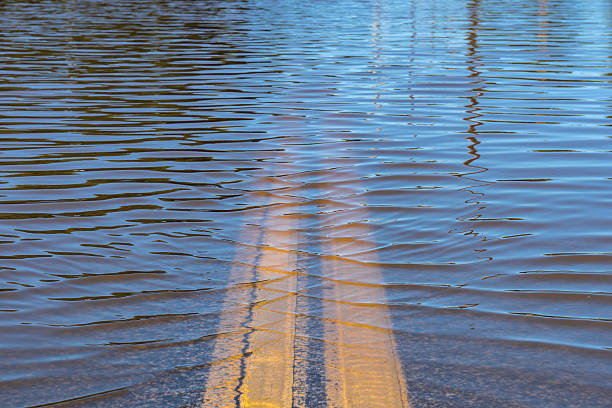
If you’re reading this from your Sammamish home while watching Issaquah Creek rise or seeing Lake Sammamish waters creep toward your property, you’re facing something unprecedented.
December 2025 has brought catastrophic flooding across Western Washington, with the state’s emergency center operating at its highest activation level as more than 24 rivers reached flood stage. Governor Bob Ferguson signed emergency proclamations as atmospheric rivers dumped relentless rain on already-saturated ground.
For Sammamish residents, this isn’t just another rainy winter. This is a defining moment that will determine whether your home suffers minor inconvenience or catastrophic damage costing tens of thousands of dollars.
The next 48-72 hours are critical. What you do right now—today, this hour—will make all the difference.
Understanding What’s Happening to Sammamish Right Now
Let’s be clear about what we’re facing: the Snoqualmie River is causing major flooding with dangerously high water velocities, while Issaquah Creek and the Tolt River have entered flood stages, directly impacting Sammamish neighborhoods.
Lake Sammamish’s water level during storm events is determined by high inflows from Issaquah and other creeks, combined with backwater effects that limit lake drainage. When these conditions align—as they have this week—lakeshore flooding becomes inevitable.
For context, the February 2020 flood event saw unusually high water levels on Lake Sammamish due to sustained rainfall creating relatively high starting levels, combined with the highest recorded inflows from Issaquah Creek since 1996. December 2025 is matching or exceeding those conditions.
Flooding of recreational infrastructure and landscaping occurs regularly around Lake Sammamish, while Issaquah Creek flooding can have severe impact on stormwater and water quality infrastructure. But what’s happening now goes far beyond “regular” flooding.
This is why immediate action matters.
Step 1: Assess Your Flood Risk Zone Immediately
First things first: determine if your property is in immediate danger.
King County’s flood control system provides resources for homeowners to check if properties are in flood risk areas through FEMA Flood Insurance Studies and companion Flood Insurance Rate Maps. But during active flooding, you need real-time information.
Check these resources right now:
- King County Flood Warning Center – Real-time river levels
- USGS Water Alert for the Sammamish Lake near Redmond gage for current lake levels
- King County road closure map showing flooded areas
- City of Issaquah flood phase status
Issaquah Creek flows through the City of Issaquah and creates an urban flood hazard area, while flooding of recreational infrastructure and landscaping occurs regularly around Lake Sammamish. If you live near either water body, you’re in a potential impact zone.
Don’t wait for official evacuation orders if you’re in a known flood-prone area. When flood warnings occur from the National Weather Service, residents should monitor the City’s Flood Warning System for current local conditions.
Signs your home faces immediate risk:
- You’re within 1/4 mile of Issaquah Creek, Lake Sammamish, or Bear Creek
- Your property has flooded before, even minimally
- You notice water pooling in your yard or street
- Storm drains near your home are backing up
- Your basement or crawl space shows moisture
If any of these apply, every minute counts. Move to the remaining steps immediately.
Step 2: Stop Water Intrusion Before It Starts
The single most effective action you can take right now is preventing water from entering your home in the first place.
Exterior perimeter defense:
Clear all storm drains within 100 feet of your property. Leaves, debris, and sediment block drainage, causing water to pool and find entry points into homes. Walk your property perimeter and clear every drain you see.
Sandbags can be effective at preventing or reducing flood damage in some situations, with free sandbag materials available at Marymoor Park in Redmond and other distribution locations throughout the area. But here’s the reality: during active flooding, sandbag supplies run out quickly.
If you don’t have sandbags, create barriers using:
- Plastic sheeting weighed down with soil or rocks
- Large garbage bags filled with dirt from your yard
- Rolled towels stuffed in door thresholds
- Plywood boards braced against doorways
Critical sealing points:
Focus on basement window wells, garage doors, crawl space vents, and any ground-level entry points. Water finds the path of least resistance—you need to eliminate easy access.
Check sump pumps if you have them. Ensure they’re operating and have battery backup. During power outages, which frequently accompany flooding, non-functional sump pumps allow rapid basement flooding.
Step 3: Document Everything Before Conditions Worsen
This step takes 15 minutes but could save you $30,000 in insurance complications.
Before water reaches your property—ideally right now—document your home’s current condition comprehensively:
Photo and video documentation:
- Exterior shots showing property elevations, drainage patterns, and proximity to water sources
- All rooms, paying special attention to basements, crawl spaces, and ground floors
- Valuables, electronics, furniture, and belongings that could be damaged
- Your home’s mechanical systems: furnace, water heater, electrical panel
- Any existing water stains or damage (to prove what’s new versus pre-existing)
Take wide shots and close-ups. Capture serial numbers on appliances and electronics. Film a walkthrough while verbally describing what you’re showing. Upload everything to cloud storage immediately—don’t rely on devices that might get water damaged.
Why this matters for insurance:
Homeowners insurance typically covers flood damage from sudden events like overflowing rivers and storm surges, though standard policies often exclude gradual seepage. Comprehensive documentation establishes exactly what damage the December 2025 flood caused versus any pre-existing issues.
Many Sammamish residents discovered after the February 2020 flooding that inadequate documentation complicated claims. Insurance adjusters need to see “before” conditions to properly assess “after” damage. Don’t make that mistake.
Step 4: Elevate and Relocate Vulnerable Items
You have a brief window to move irreplaceable items and expensive belongings to safety.
Priority evacuation list:
Electronics first: Computers, televisions, gaming systems, routers, modems, smart home hubs. Water damage to electronics is immediate and permanent. Move everything to upper floors or—better yet—to friends’ homes on higher ground.
Important documents: Insurance policies, mortgage documents, passports, birth certificates, medical records, financial paperwork. Place in waterproof containers and elevate above potential flood levels.
Furniture and belongings: Move what you can to upper floors. For heavy furniture you can’t move, place plastic sheeting underneath and wrap legs with garbage bags to minimize water absorption.
Medications and medical equipment: Gather prescription medications, medical devices, first aid supplies, and anything health-critical. These become difficult to replace during disaster conditions.
Sentimental items: Family photos, heirlooms, children’s artwork, irreplaceable memorabilia. These have no insurance value but immeasurable personal worth.
In basements and ground floors:
If you have time and help, move stored items from basements immediately. Cardboard boxes absorb water like sponges, destroying contents. Even items on shelves get damaged when humidity reaches 100% during flooding.
Place remaining items on plastic pallets or concrete blocks to keep them off the floor. Every inch of elevation helps.
Step 5: Shut Off Utilities Safely—But Only When Appropriate
This step requires judgment based on your specific situation.
When flooding is imminent or already occurring:
Shut off electricity at your main breaker panel if you can do so safely—meaning the panel isn’t already in standing water. Never touch electrical equipment while standing in water. If you have any doubt, leave electricity on and evacuate.
Know where your main water shutoff valve is located. If flooding threatens to contaminate your water supply or damage plumbing, shutting off water prevents additional complications.
Natural gas should only be shut off if you smell gas or suspect a leak. Once shut off, only licensed professionals can safely restart gas service—a process that could take days or weeks after flooding.
When to leave utilities ON:
If you’re evacuating and flooding isn’t certain, leave electricity on to power sump pumps, dehumidifiers, and security systems. A working sump pump might prevent flooding entirely.
Similarly, heating systems prevent pipes from freezing, which can cause worse damage than flooding. During December’s cold temperatures, frozen pipes create secondary disasters.
The safe approach:
Take photos of your utility meters and panel settings. Note which breakers control what. This information helps restoration professionals and insurance adjusters later.
If you’re unsure about utility safety, call your utility providers’ emergency lines for guidance. Better to ask than risk electrocution or gas leaks.
Step 6: Prepare for Displacement (Even If You Hope to Stay)
Hope for the best but plan for reality.
Residents should make arrangements for housing in case they need to evacuate, identify a meeting place, and share phone numbers in case families are separated by rising floodwaters.
Emergency “go bag” essentials:
- 3-7 days of clothing for all family members
- Medications and medical supplies
- Phone chargers and portable batteries
- Cash (ATMs may be inaccessible)
- Pet supplies and carriers
- Toiletries and personal hygiene items
- Copies of important documents
- List of emergency contacts
Pack bags now and place them by exits. During rapid flooding, you may have minutes—not hours—to evacuate safely.
Evacuation routes:
Residents should learn the safest route from their home or business to high ground. Primary routes may flood or become blocked by debris. Plan at least two evacuation paths from your property.
Never drive where water is over the road or past barricaded road signs, and if your car stalls in a flooded area, abandon it immediately. More people die in vehicles during floods than in any other circumstance.
Where to go:
Contact friends or family on higher ground who can house you temporarily. Research hotel availability outside flood zones. Check with the Red Cross for emergency shelter locations.
Many Sammamish residents have generously opened their homes to neighbors during past flooding. Community Facebook groups and Nextdoor are coordinating assistance—reach out if you need help or can offer it.
Step 7: Call Professional Water Damage Specialists NOW
Here’s the hard truth: by the time you see standing water in your home, you’re already hours behind in preventing catastrophic damage.
Professional water damage restoration companies provide emergency services that far exceed what homeowners can accomplish alone:
Immediate benefits of professional response:
Advanced water extraction: Industrial pumps remove standing water exponentially faster than consumer-grade equipment. In Sammamish’s humid climate, every hour water remains accelerates mold colonization and structural damage.
Moisture detection technology: Thermal imaging cameras and moisture meters find hidden water behind walls, under flooring, and in insulation—places where untreated moisture causes the most expensive long-term damage.
Structural drying: Commercial-grade dehumidifiers and air movers create conditions that stop mold growth and prevent wood rot. Consumer equipment simply cannot match this capability.
Documentation for insurance: Professional restoration companies photograph damage, measure moisture levels, and create detailed reports that insurance companies require for claim processing.
Coordination with contractors: When flooding causes structural damage requiring repair beyond water extraction—damaged drywall, compromised framing, electrical issues—restoration companies coordinate these repairs as part of comprehensive recovery.
Why the 48-hour window matters:
Mold begins growing within 24-48 hours of water exposure. Once established, mold remediation adds $10,000-$30,000 to restoration costs. Professional intervention within the first 24 hours often prevents mold entirely.
In Sammamish’s climate—where even after flooding ends, ambient humidity remains high—the mold risk is dramatically elevated compared to drier regions. This isn’t theoretical; it’s biological certainty.

What NOT to Do During Sammamish Flooding
Just as important as knowing what to do is understanding what to avoid:
Don’t wait for insurance approval before calling professionals. Most policies cover emergency mitigation to prevent additional damage. Waiting for adjuster approval while water destroys your home violates your policy’s requirement to mitigate losses.
Don’t attempt major cleanup while water is still rising. Personal safety supersedes property protection. If flooding is active and worsening, evacuate. Your life is worth infinitely more than any possession.
Don’t use electrical equipment in wet areas. Electrocution risk during flooding is real and deadly. If you need to pump water, only use equipment specifically rated for wet conditions, operated from dry areas.
Don’t drink or cook with tap water if flooding might have contaminated supply lines. Floodwater contains sewage, chemicals, and bacteria. Follow Seattle-King County Public Health emergency preparedness procedures regarding safe food and water after floods.
Don’t dispose of damaged items before documentation. Insurance companies need to verify what was damaged. Photograph everything before disposal, even if items seem obviously ruined.
Don’t assume your home is safe to reenter after water recedes. Structural damage, gas leaks, electrical hazards, and contamination require professional assessment before occupancy.
Understanding Sammamish’s Unique Flood Challenges
Sammamish faces flood risks different from other communities because of our specific geography and hydrology.
The 1965 Sammamish River Flood Project was designed to provide flood protection for farm fields from springtime flooding, and the standards used for design did not address 100% of lakeshore flooding in winter. This historical context explains why winter flooding like December 2025’s event impacts lakeshore properties despite the flood control infrastructure.
Issaquah Creek creates an urban flood hazard area through the City of Issaquah before flowing into Lake Sammamish, meaning neighborhoods near the creek experience both rapid flooding from direct creek overflow and slower flooding from lake backwater effects.
Lake water levels during storm events are determined by water levels prior to the storm, the amount and timing of high inflows from Issaquah and other creeks around the lake, and high inflows to the Sammamish River from creeks below the Transition Zone that can slow drainage. December 2025 has seen perfect storm conditions where all these factors aligned negatively.
Climate data suggests these events will increase in frequency. December 2025 may be unprecedented, but it won’t be the last atmospheric river to test Sammamish’s flood resilience.
Frequently Asked Questions
Q: How long will Sammamish flooding last in December 2025?
A: River and creek levels are forecast to crest and begin receding by Friday, December 13, 2025, though lake levels may remain elevated for several additional days. However, even after visible flooding recedes, moisture-related damage continues worsening without professional intervention.
Q: Does my homeowners insurance cover December 2025 flood damage?
A: Standard homeowners insurance typically covers water damage from sudden storm events, including overflowing rivers and surface water intrusion. However, flood insurance through the National Flood Insurance Program provides more comprehensive coverage. Review your specific policy and contact your agent immediately to report damage.
Q: When can I safely return home after evacuating for flooding?
A: Only return when local authorities declare it safe. Even then, have professionals inspect for structural damage, gas leaks, electrical hazards, and contamination before extended occupancy. Never enter buildings with standing water without confirming utilities are safely shut off.
Q: How quickly does mold grow after Sammamish flooding?
A: Mold begins colonizing within 24-48 hours of water exposure in optimal conditions—and Sammamish’s humidity creates those optimal conditions. Professional intervention within the first 48 hours dramatically reduces mold risk and associated remediation costs.
Q: Can I clean up flood damage myself or do I need professionals?
A: Minor water intrusion affecting small areas might be manageable with consumer equipment. However, flooding affecting multiple rooms, basements, or structural elements requires professional restoration. Hidden moisture, contamination, and the risk of mold make DIY attempts both ineffective and potentially dangerous.
Q: What’s the difference between flood insurance and homeowners insurance?
A: Standard homeowners policies cover sudden water damage from storms and plumbing failures but often exclude rising water from rivers or lakes. Flood insurance specifically covers losses from flooding events and is purchased through the National Flood Insurance Program. Many Sammamish residents discovered this distinction too late during previous floods.
Q: Should I file an insurance claim even if damage seems minor?
A: Yes. Water damage that appears minor often conceals extensive problems. Hidden moisture causes structural damage, mold growth, and material deterioration that manifest weeks or months after flooding. Professional assessment documents the full damage scope for proper insurance claims.
Q: Where can I get emergency supplies during active flooding?
A: The King County Emergency Management website lists resource distribution locations. Free sandbag materials are available at Marymoor Park in Redmond and other sites, though availability becomes limited during active flooding. Stock emergency supplies before disasters strike rather than scrambling during events.
Long-Term Recovery Planning
Once immediate danger passes, focus shifts to comprehensive recovery and future resilience:
Professional damage assessment: Certified restoration specialists inspect all affected areas, including hidden spaces like wall cavities and insulation, to document complete damage scope.
Insurance claim filing: Report damage immediately even if you’re still evacuated. Delays can complicate claims. Provide all documentation you gathered, professional assessments, and detailed descriptions of circumstances.
Structural repairs: Water-damaged building materials often require replacement rather than cleaning. This includes drywall, insulation, flooring, and sometimes framing. Don’t accept surface-level cleanup when structural repair is needed.
Mold prevention and remediation: Professionals apply antimicrobial treatments to affected materials and use industrial dehumidifiers to achieve moisture levels incompatible with mold growth. This process typically takes 5-10 days in Sammamish’s humid climate.
System restoration: HVAC systems, electrical panels, and appliances exposed to floodwater require professional cleaning or replacement. Contaminated systems distribute pollutants throughout homes and create health hazards.
Future mitigation: Consider installing sump pumps with battery backup, improving property drainage, elevating critical systems, and implementing flood-resistant landscaping. The King County Flood Control District offers resources and potentially funding for flood mitigation projects.
Community Resources During December 2025 Flooding
Sammamish and surrounding communities have activated emergency resources:
- King County Flood Warning Center: 206-296-8200 or 800-945-9263
- Emergency situations: Call 911
- King County road closure information: Access online maps showing real-time closures
- Red Cross shelters: Check locations for emergency housing
- Sammamish Community Services: Updates on local resources and assistance programs
Don’t hesitate to reach out for help. Disasters bring communities together, and Sammamish has strong networks ready to assist neighbors in need.
Act Now, Not Later
Every hour you delay implementing these seven steps increases damage severity and restoration costs exponentially.
By the time you’re certain you need professional help, you’re already behind schedule. By the time you see mold growing, you’ve missed the prevention window. By the time structural damage becomes obvious, you’re facing repairs costing tens of thousands more than early intervention would have required.
December 2025’s flooding is testing Sammamish in unprecedented ways. How your home fares depends entirely on actions you take right now.
Emergency Water Damage Restoration When You Need It Most
PuroClean of Sammamish is responding to the December 2025 flooding crisis with emergency services for Sammamish, Issaquah, and Eastside communities.
Our certified technicians understand the unique challenges Sammamish residents face: Issaquah Creek flooding, Lake Sammamish backwater effects, and Pacific Northwest humidity that accelerates damage progression. We’re equipped with industrial-grade equipment and trained in rapid response protocols that prevent minor water intrusion from becoming catastrophic loss.
Our emergency flood response services include:
- Immediate 24/7 emergency response (typically within 60 minutes)
- Rapid water extraction using truck-mounted and portable industrial pumps
- Advanced moisture detection with thermal imaging and professional meters
- Structural drying using commercial dehumidifiers and air movers
- Mold prevention protocols critical in Sammamish’s humid climate
- Complete documentation for insurance claims
- Direct insurance coordination to streamline claim processing
- Comprehensive restoration including repairs and reconstruction
- Content pack-out and cleaning services for salvageable belongings
We work directly with all major insurance carriers and understand regional claim requirements. Many homeowners insurance policies cover our emergency services, and we help navigate the claims process while you focus on family safety.
Call PuroClean of Sammamish immediately at (425) 947-1001 for emergency flood restoration services.
Every hour matters. While you’re reading this, moisture is penetrating deeper into your home’s structure. Mold spores are activating. Materials are swelling and deteriorating. The difference between $5,000 in restoration costs and $50,000 in replacement costs often comes down to response time measured in hours.
We’re here, we’re ready, and we’re answering calls right now. Don’t wait until tomorrow. Don’t wait until the water recedes. Don’t wait until you’re certain you need help.
Call now. Protect your home. Protect your investment. Protect your family.
PuroClean of Sammamish provides 24/7 emergency water damage restoration, flood recovery, and disaster response services throughout Sammamish, Issaquah, Bellevue, Redmond, and all Eastside communities. Our IICRC-certified technicians specialize in Pacific Northwest climate challenges and rapid response during weather emergencies like the December 2025 atmospheric river flooding.
Available 24/7/365 | (425) 947-1001 | Contact Us Online | Google Business Profile | IICRC Certified | True Emergency Response | Complete Damage Restoration Solutions


 PuroClean of Sammamish