 PuroClean of Sammamish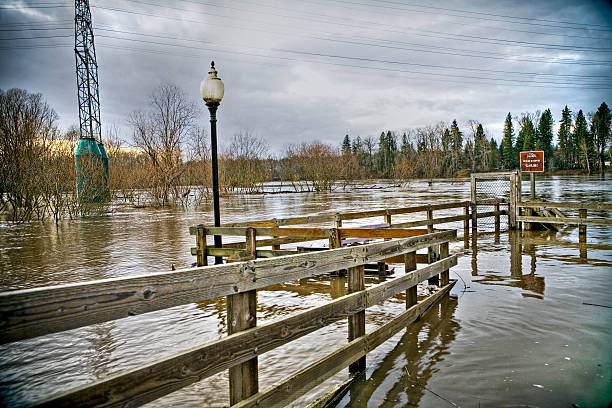
The Sammamish River just flooded your home. Your heart is racing. You’re standing in water—or looking at the muddy residue it left behind. Maybe you evacuated and just returned. Maybe you rode it out and watched helplessly as water invaded spaces that have always been dry.
Right now, you’re probably feeling overwhelmed, exhausted, and unsure where to even begin.
Here’s what you need to know: the next 72 hours will determine whether your Sammamish River flooding experience results in minor, manageable damage or catastrophic losses requiring complete reconstruction.
This isn’t meant to scare you, it’s meant to save you. Because in the 72 hours following Sammamish River flooding, biological and chemical processes are actively destroying your home in ways you can’t see. Mold spores are colonizing. Wood is swelling and warping. Electrical systems are corroding. Materials are absorbing contaminated floodwater deep into their cores.
But if you act quickly and strategically, you can stop most of this damage before it becomes permanent.
Understanding What Just Happened to Your Home
Let’s talk about what Sammamish River flooding actually means for your property.
The Sammamish River flows 14 miles from Lake Washington to Lake Sammamish, passing through Kenmore, Bothell, Woodinville, and Redmond. When the river floods—as it has catastrophically in December 2025—it doesn’t just bring water. It brings contamination.
Floodwater from the Sammamish River contains sewage from overwhelmed treatment systems, agricultural runoff from the preserved farmlands between Redmond and Woodinville, chemicals from urban areas, bacteria and pathogens, fuel and oil from vehicles and equipment, and debris including organic matter that feeds mold growth.
This isn’t like a burst pipe that floods your home with clean water. Sammamish River flooding introduces Category 3 “black water” contamination requiring specialized handling and decontamination.
The entire Sammamish River is part of a flood control project completed by the U.S. Army Corps of Engineers in 1966, designed to provide agricultural crop protection after March 1. But here’s the problem: it was never designed to prevent residential flooding during winter atmospheric river events like December 2025.
In Redmond, Sammamish River flooding can impact Northeast 95th Street accessibility and low areas on the Sammamish River Trail, while in the Agricultural Production District between Redmond and Woodinville, farmland flooding occurs when river elevation is high and upland stormwater cannot drain effectively.
Your home sits in or near this system. The water that just invaded your property carried all these contaminants with it.
Hour 0-4: Immediate Safety and Stabilization
The moment you can safely reenter your property following Sammamish River flooding, start this protocol.
Safety first—every single time:
Do not enter your home if you smell gas. Call your utility company and wait for clearance. Gas leaks can cause explosions without warning, and floodwater may have compromised gas lines you can’t see.
Never enter buildings with standing water while electricity is on. Water conducts electricity. If you can’t safely shut off power at an exterior breaker, call a licensed electrician before entering.
Wear protective equipment including rubber boots, waterproof gloves, and N95 masks. Sammamish River flooding water is contaminated with sewage and bacteria that cause serious illness through skin contact or inhalation.
Watch for structural instability including sagging ceilings, buckled floors, or visible cracks in walls and foundations. If you have any doubt about structural safety, evacuate and call professionals.
Document everything immediately:
Before you touch anything, photograph and video all damage. Walk through every affected area filming continuously. Capture water lines on walls, soaked carpets, damaged furniture, and saturated belongings exactly where they sit.
Take both wide shots showing overall damage patterns and close-ups of specific items. This documentation is absolutely critical for insurance claims and proves the extent of Sammamish River flooding damage before any cleanup begins.
Upload photos and videos to cloud storage immediately. Don’t rely on devices that might get damaged during cleanup.
Begin emergency water removal:
If you have standing water, start extracting it immediately using whatever tools you have—buckets, mops, wet-dry vacuums. Every gallon you remove now is a gallon that won’t penetrate deeper into materials.
However, understand that consumer equipment cannot match professional extraction capability. You’re doing triage, not complete remediation.
Open windows and doors if weather permits to establish air circulation. Stagnant air accelerates mold growth.
Call professional restoration services NOW:
Don’t wait to see “how bad it is” or to get insurance approval. Call certified restoration companies immediately. Most insurance policies cover emergency mitigation to prevent additional damage, and delays will cost you far more than professional services.
Professional restoration companies responding to Sammamish River flooding bring industrial water extraction equipment, commercial dehumidifiers, thermal imaging cameras for hidden moisture detection, and antimicrobial treatments that prevent mold colonization.
Every hour you wait allows moisture to penetrate deeper and mold to establish stronger colonies.

Hour 4-12: Assessment and Emergency Mitigation
Once immediate safety is established and professionals are contacted, focus shifts to damage assessment and emergency mitigation.
Detailed damage assessment:
Walk through your property systematically, noting all affected areas. Sammamish River flooding often creates damage patterns homeowners don’t expect—water wicks up walls through capillary action, saturates insulation hidden behind drywall, and pools in crawl spaces you rarely access.
Check basements and crawl spaces. These areas often retain water long after ground floors appear dry and are prime locations for mold colonization.
Inspect HVAC systems. If mechanical equipment contacted floodwater, it requires professional cleaning or replacement. Operating contaminated HVAC systems distributes pollutants throughout your home.
Examine electrical systems. Outlets, panels, and wiring exposed to Sammamish River flooding need professional inspection before re-energizing to prevent fire hazards.
Prioritize content removal:
Electronics that contacted floodwater are typically total losses. Water damage to circuit boards is permanent. Move these items to a garage or covered outdoor area for insurance documentation and eventual disposal.
Furniture can often be salvaged with professional cleaning but must be moved to dry areas immediately. Wood furniture absorbs water quickly, causing swelling, warping, and finish damage.
Porous materials like mattresses, pillows, and upholstered furniture that contacted contaminated floodwater usually require disposal. Decontamination costs exceed replacement costs, and health risks remain.
Documents and photos should be carefully moved to dry locations. Professional document restoration services can salvage many paper items that seem ruined—don’t throw away irreplaceable items without consulting specialists.
Remove standing water completely:
If professional restoration hasn’t arrived yet, continue removing standing water aggressively. The sooner water is extracted, the less damage occurs and the lower your restoration costs will be.
Use towels and mops to absorb water from carpets and hard surfaces. Wring towels outside rather than into drains to avoid overloading plumbing systems that might already be stressed from flooding.
Begin preliminary drying:
Position fans to create air circulation if you have them. Open closet doors, pull furniture away from walls, and remove drawers from dressers to allow airflow into enclosed spaces where mold loves to grow.
If you own dehumidifiers, run them continuously in affected areas. Empty collection tanks frequently. However, consumer dehumidifiers are inadequate for Sammamish River flooding recovery—you’re just buying time until professional equipment arrives.
Hour 12-24: Professional Intervention and Strategic Planning
By this point, professional restoration services should be establishing comprehensive mitigation protocols.
What professional restoration involves:
Industrial water extraction using truck-mounted or trailer-mounted equipment removes thousands of gallons per hour—exponentially faster than consumer equipment.
Moisture mapping with thermal imaging cameras and pin-type moisture meters identifies hidden water behind walls, under flooring, and in insulation. This hidden moisture causes the most expensive long-term damage.
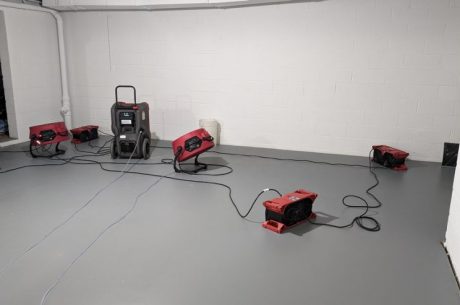
Strategic equipment placement positions commercial dehumidifiers and air movers to create optimal drying conditions. IICRC-certified technicians understand airflow patterns and drying science that maximize efficiency.
Antimicrobial application prevents mold colonization on surfaces that contacted floodwater. In Redmond’s humid climate—where ambient moisture remains high even after Sammamish River flooding recedes—mold prevention is critical.
Insurance coordination begins:
Professional restoration companies document damage comprehensively for insurance claims including detailed photos, moisture readings, and itemized damage assessments.
They communicate directly with adjusters, providing technical documentation in formats insurance companies recognize and accept. This advocacy often increases settlement amounts significantly.
Many restoration companies work on insurance assignment, billing carriers directly so homeowners aren’t paying out-of-pocket during crisis periods.
Developing the complete restoration plan:
Based on assessment findings, professionals develop comprehensive plans addressing water extraction and drying, contaminated material removal, structural repairs, HVAC cleaning, content restoration, and mold prevention protocols.
This plan establishes timelines, cost estimates, and work sequences ensuring systematic recovery rather than chaotic scrambling.
Make critical decisions:
Should you stay or relocate during restoration? Most Sammamish River flooding recoveries require homeowners to temporarily relocate. Industrial equipment runs 24/7 creating noise, reconstruction creates dust and disruption, and contamination risks make homes unsafe for occupancy.
Most insurance policies cover additional living expenses during restoration. Document all costs including hotels, meals, and temporary housing.
What can be salvaged versus what requires replacement? Professional assessment determines this using industry standards. Carpet and padding typically require disposal after contaminated flooding. Hardwood floors can often be dried and refinished if addressed within 48 hours. Drywall that wicked water above one foot usually requires replacement.
Hour 24-48: The Critical Mold Prevention Window
This is where most homeowners who attempt DIY recovery fail catastrophically.
The mold colonization timeline:
Mold spores are always present in air—that’s unavoidable. But they need moisture to colonize and grow. In optimal conditions—which Sammamish River flooding creates perfectly—visible mold growth begins within 24-48 hours.
Once established, mold spreads rapidly. It releases additional spores that colonize new areas, penetrates porous materials deeply, and creates health hazards requiring professional remediation costing $10,000-$30,000 beyond standard flood restoration.
Preventing mold is exponentially cheaper than remediating it. This 24-48 hour window is your only opportunity to prevent colonization.
Why Redmond and Woodinville are particularly vulnerable:
The Pacific Northwest’s persistent humidity—averaging 69-85% throughout the year—creates ideal mold conditions. Even after visible floodwater recedes, ambient humidity remains high.
Unlike arid climates where flood-damaged structures can dry naturally, homes affected by Sammamish River flooding require aggressive mechanical drying to achieve moisture levels incompatible with mold growth.
Consumer equipment cannot achieve these conditions. Industrial dehumidifiers extract 150-200 pints of moisture per day compared to 30-50 pints for consumer units. Air movers create circulation patterns consumer fans can’t match.
Professional mold prevention protocols:
Moisture monitoring occurs daily using calibrated meters. Technicians track specific moisture content percentages in various materials, adjusting equipment as materials dry to maintain optimal conditions.
Materials are dried to specific standards—wood framing below 19% moisture content, drywall below 1% on surface moisture readings, concrete below 4-5% on depth readings. These aren’t arbitrary numbers—they’re thresholds below which mold cannot colonize.
Antimicrobial treatments are applied to all surfaces that contacted floodwater. These EPA-registered solutions kill existing mold spores and inhibit colonization during the drying period.
HVAC cleaning prevents mold distribution. If your heating/cooling system operated during or after Sammamish River flooding, it requires professional duct cleaning to remove spores that would otherwise circulate through your home for years.
Hour 48-72: Transition from Emergency to Restoration
By 72 hours post-flooding, the emergency phase should be transitioning to systematic restoration.
Verification of adequate drying:
Professional restoration doesn’t move forward until moisture readings confirm complete drying. This typically takes 7-14 days in Redmond’s climate—much longer than the 3-5 days adequate in arid regions.
Attempting reconstruction before complete drying traps moisture behind new materials, guaranteeing mold growth that manifests months later when it’s far more expensive to address.
Material removal decisions finalize:
What must go? Carpet and padding exposed to Sammamish River flooding always require disposal. Contamination and impossibility of adequate cleaning make these materials unsalvageable.
Drywall with water wicking above 12-18 inches typically requires replacement. Paper facing on drywall provides nutrients for mold, and removing surface contamination while leaving paper creates ongoing problems.
Insulation that contacted floodwater requires removal. Cellulose and fiberglass insulation cannot be adequately dried or decontaminated.
**What can be saved? **
Hardwood flooring dried within 48 hours often survives. Boards may cup initially but often flatten as they dry if proper drying protocols are followed.
Solid wood furniture responds well to professional restoration. Veneer furniture has a mixed prognosis depending on construction quality and exposure duration.
Tile and stone surfaces clean successfully in most cases. Grout may require sealing after cleaning to prevent staining and odor persistence.
Planning reconstruction:
Once materials are removed and structures completely dried, reconstruction planning begins. This includes replacing removed drywall, installing new flooring, repairing or replacing damaged cabinetry, and restoring finishes to pre-loss condition.
King County building codes may require permits for extensive reconstruction. Professional restoration companies handle permitting and ensure code compliance.
Why DIY Recovery Fails for Sammamish River Flooding
Let’s be honest about a tempting but dangerous path: attempting to handle Sammamish River flooding recovery without professional help.
I understand the appeal. Professional restoration costs thousands of dollars. You’re already stressed about finances. Maybe insurance coverage is unclear. DIY seems like a money-saver.
But here’s what happens with DIY flood recovery in our climate:
Week 1: You extract visible water with rental equipment. Surfaces appear dry. You think you’ve succeeded.
Week 2-3: Musty odors develop. You attribute them to “normal” post-flood smell that will fade.
Week 4-8: Mold appears behind baseboards, on lower walls, and in closets. The smell intensifies.
Month 3: Health problems emerge—respiratory issues, allergic reactions, persistent coughing. You realize mold is growing behind walls where you can’t see it.
Month 4-6: You hire mold remediation specialists. They remove drywall and discover extensive colonization requiring complete removal of affected materials. Final cost: $25,000-$45,000.
Compare that to professional restoration immediately after Sammamish River flooding: $10,000-$18,000 total, covered largely or entirely by insurance, with guaranteed mold prevention.
The DIY approach doesn’t save money. It multiplies costs while creating health hazards and insurance complications.
Understanding Your Insurance Coverage
Most homeowners insurance policies cover sudden flood damage from overflowing rivers including the Sammamish River. However, understanding coverage nuances is critical.
Standard coverage typically includes:
Emergency water extraction and mitigation to prevent additional damage. This is why calling professionals immediately doesn’t jeopardize coverage—it fulfills your policy requirement to mitigate losses.
Structural repairs including drywall replacement, flooring restoration, and necessary reconstruction to return your home to pre-loss condition.
Contents coverage for damaged belongings based on your policy limits. Replacement cost coverage pays current replacement values while actual cash value coverage pays depreciated values.
Additional living expenses including hotel costs, meals, and temporary housing while your home is uninhabitable. Keep detailed records and receipts for all expenses.
What policies typically exclude:
Gradual damage from long-term issues like chronic seepage or maintenance neglect. However, Sammamish River flooding from December 2025 atmospheric rivers is clearly a sudden, covered event.
Landscaping and outdoor property damage often has limited coverage. Check your specific policy for outdoor structure and landscaping limits.
Critical insurance requirements:
Prompt notification is mandatory. Most policies require reporting within 24-48 hours. Document your notification with claim numbers and adjuster contact information.
Duty to mitigate requires taking reasonable steps to prevent additional damage. Calling professional restoration services fulfills this duty. Doing nothing and letting damage worsen can void coverage.
Complete documentation proves the extent of damage caused by the covered event versus any pre-existing conditions. Your photos and videos from Hour 0-4 are invaluable for this.
Frequently Asked Questions
Q: How long until my home is fully restored after Sammamish River flooding?
A: Timeline varies by damage severity, but expect minimum 4-8 weeks. Structural drying alone requires 7-14 days in Redmond’s humid climate, followed by material removal, repairs, and reconstruction. Extensive damage can extend timelines to 3-6 months.
Q: Can I stay in my home during restoration?
A: Usually no. Industrial equipment runs 24/7 creating significant noise, reconstruction generates dust and disruption, and contamination risks make homes unsafe. Most insurance policies cover additional living expenses during necessary displacement.
Q: What if professional restoration costs exceed my insurance coverage?
A: Legitimate restoration companies provide detailed estimates that insurance companies can evaluate. If costs exceed coverage, public adjusters can help negotiate increased settlements. However, most standard policies provide adequate coverage for typical Sammamish River flooding damage.
Q: How can I tell if mold is growing behind my walls?
A: Musty odors, visible staining on wall surfaces, and health symptoms like respiratory irritation suggest hidden mold. Thermal imaging and moisture meters detect hidden moisture indicating likely mold growth. Professional inspection provides definitive assessment.
Q: Should I file an insurance claim even if damage seems manageable?
A: Yes. Sammamish River flooding creates hidden damage that manifests over time. Filing claims immediately protects your coverage if problems emerge later. You’re not obligated to accept settlements if you decide damage is minor.
Q: What’s the difference between water extraction and structural drying?
A: Water extraction removes standing water from surfaces—the visible water you can see. Structural drying removes moisture absorbed into materials—the hidden water in drywall, wood, and insulation. Both are essential for complete Sammamish River flooding recovery.
Q: Can I remove damaged materials myself to save money?
A: Removal seems simple but creates problems. Disturbing mold-colonized materials releases spores throughout your home. Improper removal prevents insurance verification of damage. Disposal of contaminated materials has specific requirements. Leave removal to professionals.
Q: How do I know if my HVAC system is contaminated?
A: If your system operated during or immediately after flooding, or if visible mold appears on supply vents, assume contamination. Professional duct cleaning following EPA guidelines is necessary before operating the system.
The 72-Hour Reality: Success or Failure Is Determined Now
Let me be absolutely clear: what happens in the next 72 hours determines whether your Sammamish River flooding experience is a manageable inconvenience or a financial catastrophe.
This isn’t exaggeration. This is biological and physical reality confirmed by thousands of flood recovery cases.
Mold colonization begins within 24-48 hours. Wood swelling and warping accelerates with each passing hour. Electrical corrosion progresses continuously. Contamination penetrates deeper into porous materials.
Every hour you wait thinking “I’ll deal with this tomorrow” is an hour of accelerating damage that increases restoration costs exponentially.
The difference between calling professionals within 4 hours versus waiting 72 hours often means $20,000-$40,000 in additional costs. That’s not a scare tactic—that’s documented reality from Sammamish River flooding responses.
When You Need Professional Help Most
PuroClean of Sammamish specializes in emergency response to Sammamish River flooding throughout Redmond, Woodinville, Bothell, Kenmore, and all areas affected by Sammamish River overflow.
We understand the unique challenges of Sammamish River flooding—the contamination levels, the Pacific Northwest humidity that accelerates mold growth, and the specific damage patterns created by this particular waterway’s floods.
Our certified technicians have responded to hundreds of Sammamish River flooding emergencies and bring that specialized experience to your recovery.
Our comprehensive 72-hour response protocol includes:
- Immediate emergency response 24/7/365, typically within 60 minutes
- Industrial water extraction using truck-mounted equipment removing thousands of gallons per hour
- Complete moisture mapping with thermal imaging identifying hidden water damage
- Commercial-grade structural drying with dehumidifiers and air movers sized for our climate
- Antimicrobial treatment preventing mold colonization during drying
- Daily moisture monitoring ensuring complete drying before reconstruction
- Content pack-out services with specialized cleaning for salvageable belongings
- Direct insurance coordination including detailed documentation and direct billing
- Complete reconstruction restoring your home to pre-loss condition
We work directly with all major insurance carriers and understand King County-specific claim requirements. Our goal is removing stress from your recovery while ensuring thorough professional restoration that prevents problems months and years down the road.
Call PuroClean of Sammamish immediately at (425) 947-1001 for emergency Sammamish River flooding restoration.
Every hour matters. While you’re reading this, moisture is penetrating deeper, mold spores are colonizing, and materials are deteriorating. The difference between calling now versus calling tomorrow could mean $10,000-$30,000 in additional restoration costs.
We’re available right now. We’re answering calls right now. We have crews standing by right now.
Your next 72 hours determine everything. Make them count. Call now.
PuroClean of Sammamish provides 24/7 emergency water damage restoration, flood recovery, and disaster response services throughout Redmond, Woodinville, Bothell, Kenmore, and all communities affected by Sammamish River flooding. Our IICRC-certified technicians specialize in Pacific Northwest climate challenges and rapid response during atmospheric river events and river overflow emergencies.

 PuroClean of Sammamish