 PuroClean of Sammamish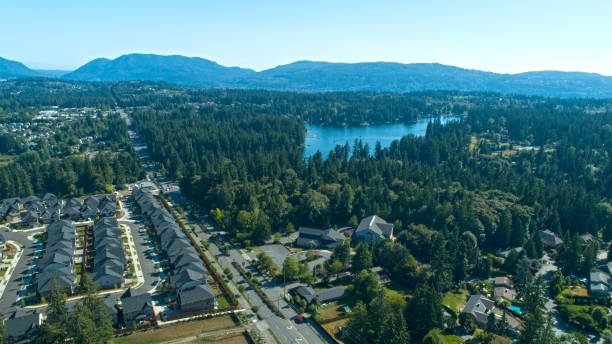
When PuroClean of Sammamish arrives at a fire-damaged home, homeowners often point to the kitchen where the small grease fire started. “It was just the stove,” they explain. “We got it out pretty quickly with the extinguisher.”
Then they watch in confusion as our certified technicians head straight for the HVAC system—sometimes located in the basement or garage, nowhere near the visible fire damage.
“Why are you inspecting the furnace?” they ask. “The fire never reached that part of the house.”
This is the moment we explain a truth that saves families from $35,000 in hidden damage and years of health problems: even a small kitchen fire contaminates your entire HVAC system with toxic smoke particles that recirculate through every room in your home for months after the flames are extinguished.
As the leading fire damage restoration company serving Sammamish, Pine Lake, Beaver Lake, Klahanie, and the entire Sammamish Plateau, PuroClean of Sammamish has witnessed firsthand what happens when HVAC contamination goes unaddressed. We’ve watched families develop chronic respiratory problems three months after a “minor” fire. We’ve seen $8,000 furnaces fail prematurely from corrosive soot deposits. We’ve documented mold growth inside ductwork from firefighting water that homeowners never knew was there.
That’s why PuroClean of Sammamish follows the IICRC S700 Standard for Professional Fire and Smoke Damage Restoration, which mandates comprehensive HVAC inspection and assessment after every fire event; regardless of size.
Let us show you the five critical hidden dangers lurking in your HVAC system right now if you’ve experienced any fire in your Sammamish home.
Hidden Danger #1: Smoke Particles Traveling Through Ductwork to Every Room
Here’s what happens during even a small kitchen fire that most Sammamish homeowners don’t realize:
Your HVAC system is designed to pull air from throughout your home through return vents, filter it, heat or cool it, and redistribute it through supply vents. It’s constantly circulating air—typically cycling the entire volume of air in your home several times per hour.
The moment smoke enters your home from a fire, your HVAC system begins pulling those smoke particles into the ductwork. According to research from the Cooperative Institute for Research in Environmental Sciences (CIRES) at CU Boulder, smoke and soot particles are drawn into HVAC systems where they settle inside ducts, onto coils, and inside filter compartments.
This means a grease fire confined to your kitchen sends smoke particles into every bedroom, every bathroom, every closet through your HVAC distribution system. PuroClean of Sammamish technicians routinely find heavy soot deposits in ductwork serving rooms that homeowners insist were “untouched by the fire.”
The ANSI/IICRC S700 Standard for Professional Fire and Smoke Damage Restoration specifically addresses this issue, describing procedures for assessing the presence, intensity of impact, and boundaries of fire residues affecting building systems including Heating, Ventilating and Air-Conditioning (HVAC).
PuroClean of Sammamish follows these industry standards by performing visual inspections of accessible ductwork, testing for odor retention in HVAC components, and creating detailed Restoration Work Plans that address the full scope of smoke infiltration, not just the visible damage homeowners can see.
When we inspect HVAC systems in Sammamish homes after fires, we frequently discover:
- Heavy soot accumulation on supply and return vent covers
- Black streaks inside ductwork extending 15-20 feet from the fire location
- Smoke residue coating evaporator coils and heat exchangers
- Filter media completely clogged with soot particles
- Lingering smoke odor strongest near HVAC registers
One Sammamish Highlands family called PuroClean of Sammamish three months after extinguishing a small oven fire themselves. They couldn’t understand why the smoke smell persisted despite thorough cleaning. Our HVAC inspection revealed the problem: their forced-air system had distributed smoke particles to every corner of their 4,200-square-foot home, and those particles were being recirculated every time the heat ran during Pacific Northwest winters.
Professional HVAC cleaning and sanitization finally eliminated the odor—but three months of breathing contaminated air could have been prevented with immediate post-fire inspection.
Hidden Danger #2: Toxic VOCs Continuing to Off-Gas for Months
The smoke smell that lingers after fires isn’t just unpleasant, it’s toxic.
According to CIRES research on post-fire indoor air quality, the smell comes from Volatile Organic Compounds (VOCs) that deposit on walls and other surfaces and continue off-gassing for weeks to months following fires. Some VOCs bind to particles and can be trapped by filters, but many remain airborne and circulate through your HVAC system indefinitely.
The Colorado Department of Public Health and Environment documents that smoke, ash, and soot after fires deposit particulate matter and volatile organic compounds such as benzene on furniture, walls, floors, and other surfaces, with chemicals continuing to be released into the air over weeks following the fire.
PuroClean of Sammamish understands the specific health implications because we’ve seen them develop in Sammamish families who delayed professional restoration:
Respiratory irritation manifesting as persistent coughing, wheezing, and shortness of breath—especially severe in children and elderly family members whose developing or aging respiratory systems are most vulnerable.
Chronic sinus problems that doctors initially misdiagnose as seasonal allergies until families realize symptoms began after the fire and worsen when the HVAC system runs.
Headaches and dizziness from prolonged exposure to benzene and other VOCs circulating through contaminated ductwork.
According to restoration professionals specializing in smoke damage, certain components such as polycyclic aromatic hydrocarbons (PAHs) and heavy metals are considered carcinogenic by the National Cancer Institute, making long-term exposure especially dangerous for children whose lungs and immune systems are still developing.
The IICRC S590 Standard for Assessing HVAC Systems Following a Water, Fire, or Mold Damage Event provides specific procedures to determine visual deposition and odor retention, establishing methods to identify restorable versus non-restorable HVAC components.
PuroClean of Sammamish applies these assessment procedures to every fire restoration project in the Sammamish area. We don’t guess whether your HVAC system can be cleaned or needs replacement—we test, measure, and document according to industry standards that protect your family’s health and your insurance claim.
Our typical HVAC assessment after Sammamish area fires includes:
- Air quality testing for VOC levels in supply and return air
- Thermal imaging to identify hot spots indicating contamination
- Odor assessment using calibrated detection equipment
- Surface sampling from ductwork and HVAC components
- Documentation photography for insurance claims
One Pine Lake homeowner contacted PuroClean of Sammamish after her infant developed persistent respiratory problems following a small electrical fire. Her pediatrician asked if there had been any environmental changes in the home. Our HVAC testing revealed VOC levels 12 times higher than safe thresholds—all circulating from contaminated ductwork the family didn’t know needed cleaning.
Professional HVAC restoration eliminated the contamination, and her baby’s symptoms resolved within weeks.
Hidden Danger #3: Corrosive Soot Destroying HVAC Components Over Time
Smoke damage doesn’t stop when flames are extinguished. It’s an ongoing chemical process that continues destroying your HVAC system for months after fires.
Restoration experts document that smoke residue’s acidic chemicals can corrode surfaces and materials throughout properties, with fine particles seeping into electrical wiring and HVAC systems, aggravating structural problems and expediting erosion of building materials.
PuroClean of Sammamish routinely encounters this delayed destruction in our service area:
Heat exchanger corrosion that develops 6-12 months after fires, eventually causing furnace failure requiring complete system replacement costing $4,000-$8,000.
Evaporator coil deterioration from acidic soot deposits that reduce cooling efficiency by 40% within the first year post-fire, dramatically increasing energy bills before homeowners realize the cause.
Blower motor failure when smoke particles create resistance in bearings and electrical connections, leading to premature burnout that could have been prevented with immediate post-fire cleaning.
HVAC technicians note that even if air conditioning systems seem to run normally after smoke exposure, fire dust and debris damage system components over time, with strained blower motors or restricted coils burning out faster than normal and leading to premature failure.
The newly published IICRC guidelines establish comprehensive standards for property restoration, including an entire section devoted to careful inspection of HVAC and air conveyance systems which can often house soot and other lingering effects from fire events.
PuroClean of Sammamish follows these IICRC S700 standards by:
- Inspecting all accessible HVAC components for soot deposits
- Testing metal surfaces for acidic residue using pH indicators
- Cleaning components with specialized neutralizing agents
- Applying corrosion inhibitors to protect against future damage
- Replacing components too heavily contaminated to restore
One Klahanie family learned this lesson the expensive way. After a fireplace malfunction created smoke damage throughout their home, they cleaned visible soot themselves but ignored PuroClean of Sammamish‘s recommendation for professional HVAC restoration.
Fourteen months later, their $6,200 furnace failed catastrophically. The HVAC technician who diagnosed the problem found heavy corrosive soot throughout the heat exchanger—damage that began the day of the original fire and progressed silently until total failure.
Their insurance company denied the claim, citing inadequate post-fire mitigation. They paid $6,200 out-of-pocket for a replacement that could have been prevented with $1,800 in professional HVAC cleaning immediately after the fire.
Hidden Danger #4: Mold Growth From Firefighting Water Trapped in Ductwork
Pacific Northwest homeowners often forget that firefighters use water to extinguish fires—and that water doesn’t magically disappear when firefighters leave.
PuroClean of Sammamish encounters this compounding problem regularly in Sammamish’s humid climate: families address fire and smoke damage but miss water damage that creates secondary mold contamination in HVAC systems.
Fire restoration specialists note that a contaminated HVAC system poses significant health risks, with prolonged exposure to soot, smoke, and fire-related residues leading to respiratory issues such as asthma or bronchitis, headaches, dizziness, and increased risk of long-term health conditions.
When firefighting water enters your HVAC system through:
- Return vents near floor level where water accumulates
- Ductwork penetrations in walls affected by firefighting efforts
- Attic-mounted air handlers in homes with roof penetrations from fire
- Basement HVAC equipment in homes where water pools during firefighting
That moisture combines with soot deposits to create perfect mold growth conditions. Pacific Northwest humidity—averaging 75-85% in Sammamish during fall and winter—accelerates colonization.
Research on wildfire smoke contamination shows that as smoke particles settle within air ducts, they can become trapped, creating breeding grounds for bacteria, mold, and harmful microorganisms that circulate throughout homes when HVAC systems activate.
PuroClean of Sammamish prevents this secondary contamination by:
- Using moisture meters to detect hidden water in ductwork
- Deploying thermal imaging to identify wet insulation around ducts
- Installing commercial dehumidifiers to eliminate moisture before mold develops
- Treating HVAC components with EPA-approved antimicrobial agents
- Documenting the complete drying process for insurance purposes
The IICRC S590 Standard specifically addresses HVAC assessment following water, fire, or mold damage events, providing procedures to identify impacted internal surfaces and create comprehensive Restoration Work Plans.
One Beaver Lake homeowner called PuroClean of Sammamish complaining of musty odors six weeks after a kitchen fire. She had hired a different company for fire cleanup, and they assured her everything was addressed.
Our inspection revealed extensive mold growth inside basement ductwork where firefighting water had pooled undetected. The previous company never checked the HVAC system. Mold remediation cost an additional $8,400—entirely preventable with proper post-fire HVAC assessment.
Hidden Danger #5: Insurance Coverage Denial for Undocumented HVAC Damage
Here’s the insurance claim nightmare PuroClean of Sammamish helps families avoid:
You experience a fire. You clean up visible damage. Weeks or months later, your HVAC system fails or you develop persistent health problems. You file an insurance claim for the HVAC repairs or medical expenses.
Your insurance company denies the claim, stating you failed to properly mitigate fire damage immediately after the event, making it impossible to prove the HVAC problems resulted from the fire rather than normal wear and tear.
Both homeowners and insurance adjusters may not immediately think of HVAC systems when assessing fire damage, focusing on visible damage while overlooking hidden contamination within ducts and components—leading to problems months or years down the line when systems begin recirculating harmful particles.
PuroClean of Sammamish protects your insurance claim by:
- Documenting HVAC contamination with detailed photography
- Creating written assessment reports insurance companies accept
- Providing before-and-after air quality testing results
- Establishing clear causation between fire events and HVAC damage
- Coordinating with insurance adjusters during inspection process
The IICRC S700 Standard addresses documentation of project-related events and compliance with Authorities Having Jurisdiction, ensuring restoration work meets insurance requirements and building codes.
PuroClean of Sammamish has worked with every major insurance provider in Washington State. We understand exactly what documentation they require, what restoration standards they expect, and how to present claims that maximize your coverage while protecting you from denial.
One Sammamish Plateau family experienced a significant electrical fire that damaged their kitchen and created smoke throughout their 3,800-square-foot home. Their insurance adjuster approved kitchen reconstruction but initially questioned $4,200 in HVAC cleaning costs.
PuroClean of Sammamish provided:
- Detailed documentation of soot contamination in ductwork throughout the home
- Air quality test results showing VOC levels exceeding safe thresholds
- Photographic evidence of smoke residue on HVAC components
- Written assessment following IICRC S590 and S700 standards
- Itemized estimate based on industry-standard restoration procedures
The insurance company approved the full HVAC restoration claim within 48 hours. Without proper documentation, that family would have paid $4,200 out-of-pocket for essential health and safety work.
Why PuroClean of Sammamish’s IICRC-Certified Approach Matters
PuroClean of Sammamish doesn’t just clean homes after fires—we follow scientifically-validated restoration standards developed by industry experts and approved by the American National Standards Institute (ANSI).
The newly published ANSI/IICRC S700 Standard for Professional Fire and Smoke Damage Restoration represents over a decade in development and establishes comprehensive protocols for assessing fire residues and odors affecting buildings, building systems including HVAC, and contents after fire events.
Our lead technicians maintain IICRC certification in:
- Fire and Smoke Restoration (FSRT)
- Applied Structural Drying (ASD)
- Odor Control (OCT)
- Commercial Drying Specialist (CDS)
PuroClean of Sammamish invests in ongoing training because restoration science evolves. The techniques that worked five years ago don’t meet current standards for protecting your family’s health and your property’s value.
When you call PuroClean of Sammamish at (425) 947-1001 after any fire—even a small kitchen incident—you receive:
Immediate 24/7 emergency response typically arriving within 60-90 minutes anywhere in Sammamish, Pine Lake, Beaver Lake, Klahanie, Issaquah Highlands, or surrounding areas.
Comprehensive HVAC assessment using thermal imaging, air quality testing, moisture detection, and visual inspection of all accessible components.
Detailed documentation for insurance claims including photography, written reports, and itemized estimates based on industry standards.
Professional restoration using commercial-grade equipment, EPA-approved cleaning agents, and IICRC-certified techniques.
Health-focused approach prioritizing your family’s respiratory health and long-term wellbeing over quick cosmetic fixes.
Frequently Asked Questions: HVAC Inspection After Fires
Q: Do I really need HVAC inspection for a small kitchen fire that was quickly extinguished?
Yes. Even small fires contaminate entire HVAC systems because smoke moves quickly through vents and soot settles deep into ductwork and machinery, with odors settling into ducts and returning even after surface cleaning. PuroClean of Sammamish inspects HVAC systems after every fire regardless of size because smoke distribution doesn’t correlate with fire size—it correlates with how long your HVAC system was running during and after the fire.
Q: How long does professional HVAC cleaning take after fire damage?
Typical HVAC restoration by PuroClean of Sammamish takes 4-8 hours for residential systems, depending on ductwork accessibility and contamination extent. We work efficiently while maintaining IICRC standards, and most families can remain in their homes during the process.
Q: Will my insurance cover HVAC cleaning after a fire?
Most homeowners insurance policies cover necessary fire damage mitigation including HVAC cleaning when properly documented. PuroClean of Sammamish works directly with insurance companies, providing documentation they require to approve claims. We handle the paperwork so you can focus on your family.
Q: Can I just replace my HVAC filters myself instead of professional cleaning?
No. Standard household vacuums cannot reach particles embedded in ductwork, inside wall cavities, or inside layers of soft furnishings; professional teams must use specialized HEPA filtration and advanced cleaners to restore indoor air quality after smoke and soot incidents. Filter replacement addresses symptoms but doesn’t eliminate the contamination source.
Q: What happens if I don’t clean my HVAC system after a fire?
You face three serious consequences: (1) Ongoing health problems from toxic VOC exposure, (2) Premature HVAC system failure from corrosive soot deposits costing thousands in replacement equipment, and (3) Potential insurance claim denial if problems develop months later without documentation of proper initial mitigation.
Q: How do I know if my HVAC system needs cleaning or complete replacement after fire damage?
PuroClean of Sammamish follows IICRC S590 assessment procedures to determine restorable versus non-restorable HVAC components. Most systems can be professionally cleaned and restored. Complete replacement is typically necessary only when heat directly damages components or corrosive contamination is too severe to remediate safely.
Q: Does PuroClean of Sammamish service areas outside Sammamish?
Yes. While PuroClean of Sammamish is based in Sammamish, we provide 24/7 emergency fire and smoke damage restoration throughout the Eastside including Issaquah, Bellevue, Redmond, Kirkland, Pine Lake, Beaver Lake, Klahanie, and surrounding communities. Call (425) 947-1001 for immediate response.
Call PuroClean of Sammamish Immediately After Any Fire—Even Small Ones
Every hour you wait after a fire is another hour of:
- Toxic VOCs circulating through your home
- Corrosive soot destroying HVAC components
- Smoke particles settling deeper into ductwork
- Moisture creating mold growth conditions
- Insurance documentation windows closing
PuroClean of Sammamish responds 24 hours a day, 7 days a week, 365 days a year because fires don’t wait for convenient timing. Whether it’s 2 AM on a Sunday or during a holiday week, our IICRC-certified technicians are ready with industrial-grade equipment and proven restoration protocols.
We serve Sammamish families who value their health, their homes, and their peace of mind. We understand that fire damage extends far beyond visible destruction—it hides in your HVAC system, threatening your family’s respiratory health and your property’s long-term value.
Don’t make the $35,000 mistake of assuming a small fire doesn’t require professional HVAC assessment. Don’t risk your children developing chronic respiratory problems from toxic VOC exposure. Don’t gamble with your insurance coverage by failing to properly document and mitigate fire damage.
Call PuroClean of Sammamish now at (425) 947-1001 for immediate fire damage assessment including comprehensive HVAC inspection. We typically arrive within 60-90 minutes anywhere in the Sammamish area, equipped to document damage for insurance claims and begin restoration that protects your family’s health. Don’t wait, smoke contamination worsens with every hour of delay.
PuroClean of Sammamish: Restoring Your Home. Protecting Your Health. Documenting Your Claim.
Available 24/7/365 | (425) 947-1001 | Contact Us Online | Google Business Profile | IICRC Certified | True Emergency Response | Complete Damage Restoration Solutions

 PuroClean of Sammamish