 PuroClean of Jacksonville Southbank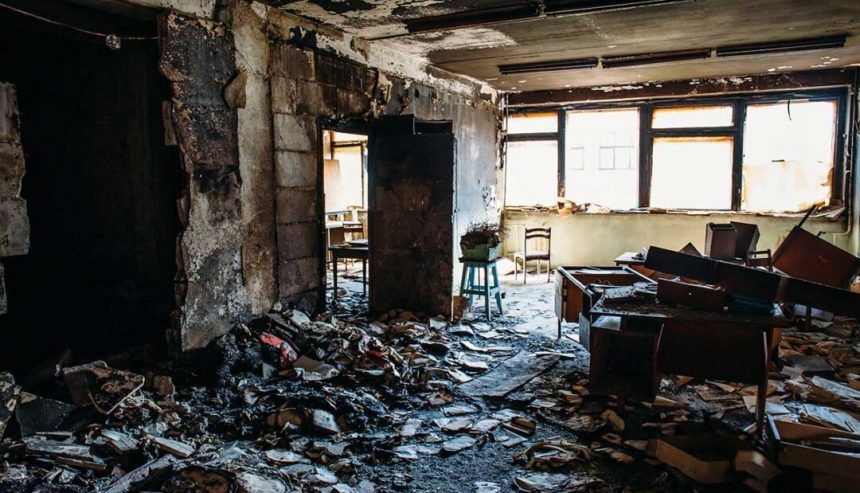
Fire damage can happen suddenly and escalate quickly, leaving homeowners in Jacksonville, FL dealing with not only structural destruction but also smoke, soot, and water damage. Understanding the most common causes of house fires can help reduce risk—and knowing how fire damage restoration works can make recovery much smoother when disaster strikes.
In this guide, we’ll break down the leading causes of fire damage in Jacksonville homes and explain how professional restoration services help bring properties back to safe, livable conditions.
Electrical Malfunctions and Faulty Wiring
One of the most common causes of residential fires is electrical failure. Older homes or improperly maintained electrical systems can easily become a hazard. Overloaded circuits, outdated wiring, and faulty outlets can generate heat and spark fires behind walls where they often go unnoticed until significant damage has occurred.
In Jacksonville, where many neighborhoods include older housing stock, electrical fire risks are especially important to address. Signs of potential issues include:
- Frequently tripped breakers
- Flickering lights
- Burning smells near outlets
- Warm or discolored wall plates
When electrical fires occur, fire damage restoration teams not only clean soot and smoke damage but also work closely with electricians to ensure the structure is safe before rebuilding begins.
Cooking-Related Fires
Cooking is the leading cause of home fires in the United States, and Jacksonville is no exception. Unattended stoves, grease buildup, and flammable materials near heat sources are common triggers.
Even a small kitchen fire can produce widespread smoke damage throughout the home. Smoke travels quickly through HVAC systems, leaving behind odors and residue in rooms far from the original fire.
Fire damage restoration in these cases typically includes:
- Deep cleaning of kitchen surfaces and cabinets
- HVAC system cleaning to remove smoke particles
- Odor removal treatments to eliminate lingering smells
Quick response is key, as soot can permanently stain surfaces within hours.
Heating Equipment and Space Heaters
Although Jacksonville has a warmer climate, heating equipment is still used during cooler months. Space heaters, furnaces, and fireplaces can become fire hazards if not properly maintained or placed too close to flammable materials.
Common issues include:
- Heaters placed near curtains or furniture
- Dust buildup inside heating units
- Lack of automatic shut-off features
- Faulty thermostats or wiring
When fires start from heating equipment, they often cause localized but intense damage. Restoration professionals focus on both structural repairs and smoke odor removal in the affected zones.
Lightning Strikes and Storm-Related Fires
Jacksonville’s storm season brings heavy rain, wind, and lightning. Lightning strikes can directly ignite fires or cause electrical surges that damage appliances and wiring.
Storm-related fires often create complex restoration challenges because they combine:
- Fire damage
- Water damage from rain or firefighting efforts
- Structural exposure from roof or window damage
In these situations, restoration teams must act quickly to stabilize the structure, remove water, and begin smoke and soot cleanup simultaneously.
Appliance Malfunctions
Household appliances such as dryers, dishwashers, and refrigerators can also cause fires if they malfunction or are improperly maintained. Dryer lint buildup is one of the most overlooked fire hazards in many homes.
Warning signs include:
- Appliances overheating
- Unusual noises or burning smells
- Frequent electrical interruptions
When appliance fires occur, damage is often concentrated in one area but can still produce widespread smoke contamination throughout the home.
How Fire Damage Restoration Helps After a Fire
Once a fire is extinguished, the damage does not stop. Smoke, soot, and water continue to affect the structure and contents of the home. That’s where professional fire damage restoration becomes essential.
In Jacksonville, FL, restoration specialists typically follow a structured process:
1. Emergency Assessment
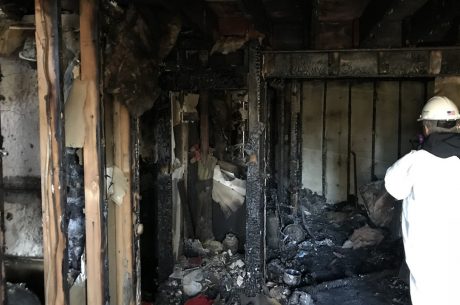
Technicians evaluate structural safety and identify areas affected by fire, smoke, and water.
2. Securing the Property
Damaged windows, doors, and roofs are boarded up to prevent further exposure to weather or vandalism.
3. Smoke and Soot Removal
Specialized equipment removes soot from walls, ceilings, and belongings to prevent permanent staining and corrosion.
4. Odor Neutralization
Smoke odors are deeply embedded in porous materials. Air scrubbers, ozone treatments, and thermal fogging are used to eliminate them.
5. Water Removal and Drying
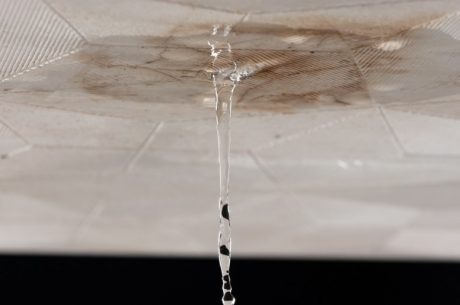
Water used during firefighting is extracted and dried to prevent mold growth, which is common in Jacksonville’s humid climate.
6. Repair and Reconstruction
Finally, damaged materials are repaired or replaced to restore the property to its pre-fire condition.
Why Fast Action Matters in Jacksonville, FL
In humid coastal areas like Jacksonville, fire damage can worsen quickly. Moisture in the air combines with soot and ash, leading to corrosion, staining, and mold growth within days.
The faster restoration begins, the better the outcome for:
- Structural integrity
- Indoor air quality
- Salvaging personal belongings
- Reducing overall repair costs
That’s why 24/7 emergency response services are critical for fire recovery.
Final Thoughts
Fire damage can result from many everyday risks—electrical issues, cooking accidents, storms, and appliance failures. While prevention is important, knowing how restoration works is just as critical for minimizing long-term damage.
For homeowners in Jacksonville, FL, professional fire damage restoration ensures that every stage of recovery—from cleanup to rebuilding—is handled safely, efficiently, and with long-term protection in mind.

 PuroClean of Jacksonville Southbank