 PuroClean of Jacksonville Southbank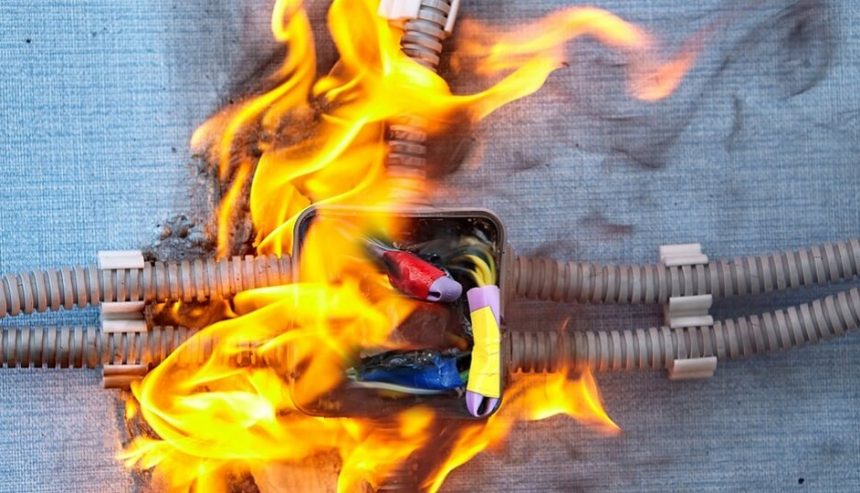
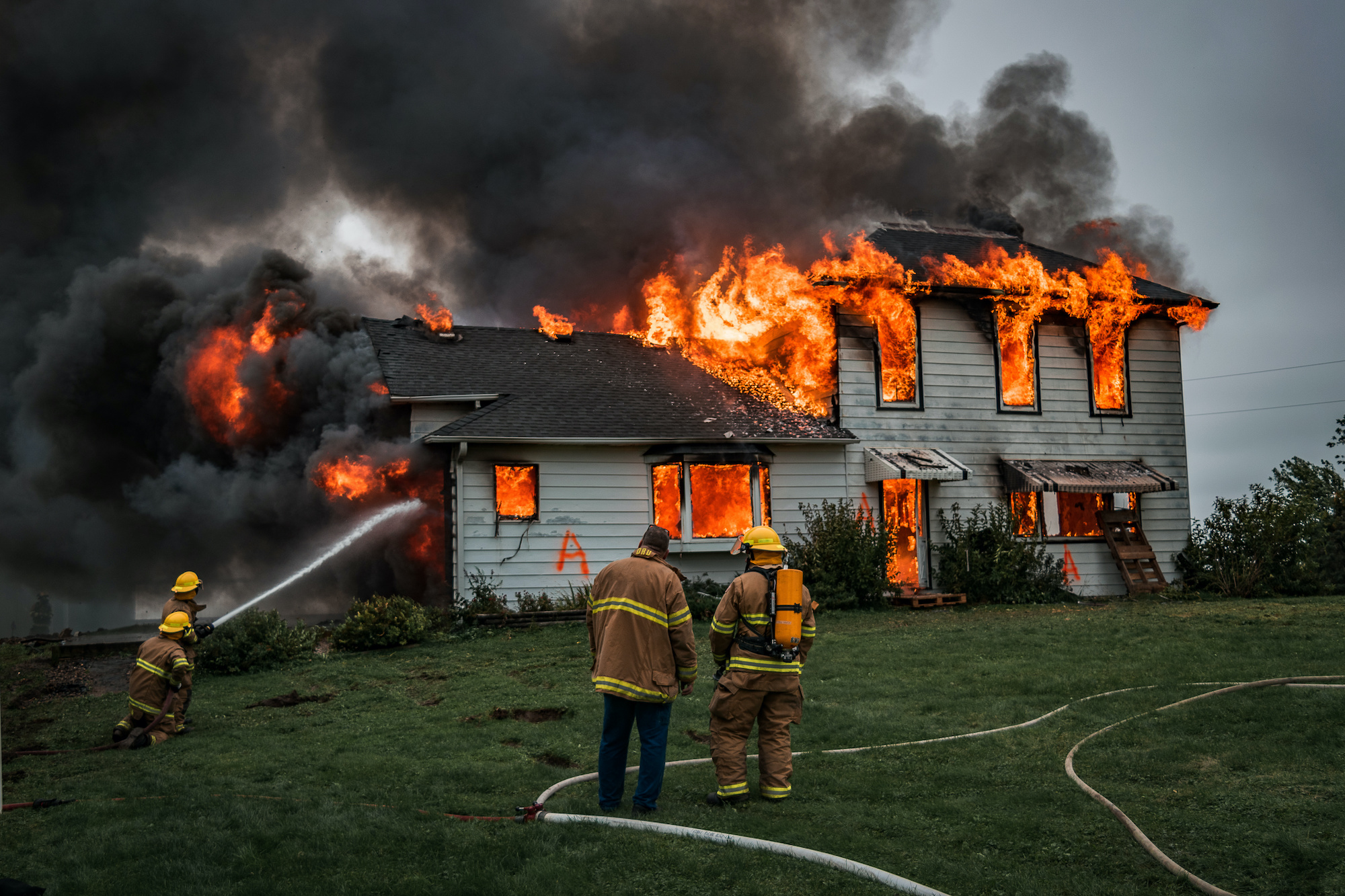
Fire damage can be devastating for both homeowners and business owners in Jacksonville, FL. Even a small fire can lead to long-lasting structural issues, lingering smoke odors, and hidden hazards that continue to affect a property long after the flames are gone. Understanding the most common types of fire damage and how professional restoration works can help property owners respond quickly and minimize long-term costs.
At PuroClean of Jacksonville Southbank, we specialize in professional fire damage restoration services designed to help restore homes and businesses to safe, livable conditions as quickly as possible. From emergency response to full structural recovery, knowing what to expect can make a difficult situation easier to manage.
Smoke and Soot Damage
One of the most widespread issues after a fire is smoke and soot contamination. Even if the fire itself is contained to one area, smoke travels throughout the property, affecting walls, ceilings, furniture, and HVAC systems.
Soot is acidic and can cause permanent staining and surface damage if not cleaned properly. In many Jacksonville homes, porous materials like drywall, fabric, and wood absorb smoke particles deeply, making DIY cleaning ineffective.
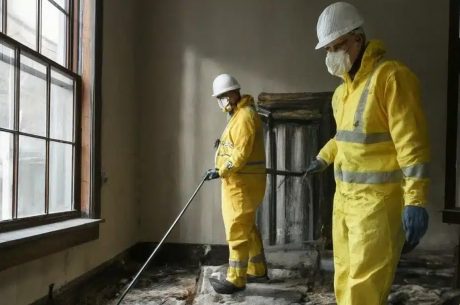
Professional fire damage restoration teams use specialized equipment and cleaning agents to remove soot safely without spreading it further. Air scrubbing systems and deodorization techniques are also used to eliminate lingering smoke odors that traditional cleaning cannot fully address.
Structural Damage and Weakening
Fires often compromise the structural integrity of a building, even when the damage appears minor. High heat can weaken wood framing, warp metal, and damage load-bearing components. In Jacksonville’s humid climate, any exposed structural damage can also increase the risk of moisture intrusion and mold growth.
A key part of fire damage restoration is a detailed structural inspection. Restoration professionals assess which parts of the property can be repaired and which must be replaced. Reinforcement, reconstruction, and safety stabilization are often required before any cosmetic repairs begin.
Ignoring structural damage can lead to serious safety risks, so professional evaluation is essential before re-entering or rebuilding a fire-affected property.

Water Damage from Firefighting Efforts
Many property owners don’t realize that water damage is often a secondary issue after a fire. Firefighters use large amounts of water to extinguish flames, which can soak walls, floors, and insulation.
If not addressed quickly, this moisture can lead to warping, swelling, and mold growth within 24–48 hours. Jacksonville’s warm and humid environment makes this even more of a concern.
Fire damage restoration teams typically handle both fire and water damage simultaneously. This includes water extraction, drying equipment, dehumidification, and moisture monitoring to ensure all hidden damp areas are properly treated.
Persistent Smoke Odors
Even after visible damage is cleaned, smoke odor can remain trapped in walls, furniture, and ventilation systems. This is one of the most frustrating issues for property owners because it can make a restored space feel unlivable.
Odor molecules from smoke penetrate deeply into porous materials, requiring more than standard cleaning products to eliminate. Professional restoration companies use techniques such as thermal fogging, ozone treatment, and hydroxyl generators to neutralize odors at the molecular level.
Without proper odor removal, smoke smells can linger for months or even years.
Electrical System Damage
Fires often damage electrical wiring, outlets, and appliances, creating hidden hazards that are not always visible after the flames are extinguished. Even if systems appear functional, internal damage can pose serious risks such as short circuits or future fire outbreaks.
During fire damage restoration, electricians or restoration specialists inspect and test all electrical components before reactivation. Damaged wiring is replaced, and systems are brought up to current safety standards to ensure the property is safe for occupancy.
Soot and Corrosion on Belongings
Personal belongings such as clothing, electronics, documents, and furniture are often affected by soot and heat exposure. Soot particles can cause corrosion on metals and permanent discoloration on fabrics and surfaces.
Professional restoration includes content cleaning and restoration services. Salvageable items are carefully cleaned, deodorized, and restored whenever possible. In many cases, advanced cleaning methods can recover items that appear to be completely damaged.
The Importance of Professional Fire Damage Restoration in Jacksonville
Attempting to clean fire damage without professional help often leads to incomplete restoration and long-term problems. Hidden soot, trapped moisture, and structural weaknesses can worsen over time if not properly addressed.
That’s why working with a trusted local provider like PuroClean of Jacksonville Southbank is essential. Their fire damage restoration process includes emergency response, damage assessment, cleanup, deodorization, structural repairs, and full property restoration.
By using industry-grade equipment and proven techniques, restoration professionals help ensure that properties are not only visually restored but also safe, clean, and structurally sound.
Final Thoughts
Fire damage can affect every part of a property—from its structure and air quality to personal belongings and electrical systems. In Jacksonville, FL, where humidity can worsen secondary damage, quick and professional response is critical.
Understanding the most common fire-related issues helps property owners act faster and make informed decisions during recovery. With expert fire damage restoration services from PuroClean of Jacksonville Southbank, properties can be restored efficiently and safely, helping residents and businesses move forward after a devastating event.

 PuroClean of Jacksonville Southbank