 PuroClean of Jacksonville Southbank
Water damage can be a homeowner’s worst nightmare, especially in a city like Jacksonville, FL, where heavy rains and hurricanes can lead to severe flooding. Understanding whether your insurance covers water restoration is crucial for peace of mind and financial planning. In this article, we’ll explore how insurance policies work in the context of water damage and restoration, focusing on what residents of Jacksonville need to know.
Before diving into specifics, it’s essential to understand the basics of water damage insurance. Most standard homeowner’s insurance policies provide coverage for water damage, but the source of the water plays a significant role in determining coverage.
Common Causes of Water Damage in Jacksonville
Jacksonville’s location on the Atlantic coast makes it especially vulnerable to both coastal and inland flooding. In addition to hurricanes and tropical storms, everyday issues can also lead to water damage. Some common causes include:
- Heavy rainfall is overwhelming drainage systems
- Sewer or septic system backups
- Roof leaks during storms
- Appliance failures (dishwashers, water heaters, washing machines)
- Plumbing system corrosion or burst pipes during temperature swings
Knowing the source of the water damage helps determine not only the best restoration approach but also what your insurance will cover.
Covered Water Damage
Typically, water damage caused by sudden and accidental events, such as a burst pipe or an overflowing washing machine, is covered by standard homeowner’s insurance. This means that if your home suffers water damage from one of these events, your insurance is likely to cover the cost of water restoration.
Excluded Water Damage
However, not all water damage is covered. Damage resulting from negligence, such as failing to repair a known leak, is generally not covered. Additionally, damage from floods, groundwater seepage, or sewer backups usually requires separate coverage.
The Role of Flood Insurance
In Jacksonville, where flooding is a real threat, having flood insurance is crucial. Standard homeowner’s insurance typically does not cover flood damage. Instead, you’ll need a separate flood insurance policy, which can be purchased through the National Flood Insurance Program (NFIP) or private insurers.
What Flood Insurance Covers
Flood insurance covers direct physical losses caused by flooding, including the effects of rising water from rivers, lakes, or oceans. It generally covers the building and its foundation, electrical and plumbing systems, HVAC equipment, and personal belongings like furniture and appliances.
Limitations of Flood Insurance
While flood insurance provides important protection, it does have limitations. For example, it typically doesn’t cover additional living expenses during temporary relocation or any damage to vehicles, which would fall under your auto insurance policy if you have comprehensive coverage. Understanding these limitations can help you plan and protect your property adequately.
Water Restoration Insurance

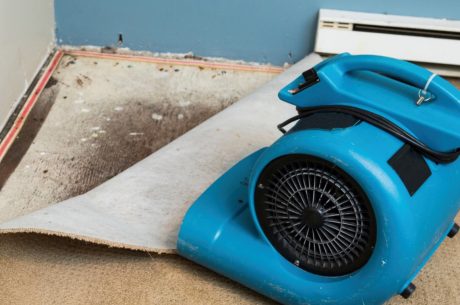
Water restoration involves the process of cleaning, drying, and repairing your home after water damage. Whether this service is covered by insurance depends on the type of policy you have and the cause of the water damage.
How to File an Insurance Claim for Water Restoration
Filing a successful claim involves several steps. Follow this process to improve your chances of receiving proper compensation:
- Stop the Source: If it’s safe, turn off the water supply or take action to prevent further damage.
- Document Everything: Take clear photos and videos of all affected areas before cleanup begins.
- Contact Your Insurer Promptly: File your claim as soon as possible, especially since delays may result in denial or reduced payouts.
- Schedule an Adjuster Visit: Your insurance company will likely send a claims adjuster to assess the damage. Be available to answer questions and provide documentation.
- Hire a Restoration Company: Choose a certified restoration contractor to provide an estimate and start emergency mitigation.
- Track All Expenses: Save receipts for temporary repairs, hotel stays, meals, and other costs incurred during the restoration process.
Choosing a Water Restoration Company
Selecting a reputable water restoration company is crucial to ensure quality work and a smooth insurance claim process. Many insurers have preferred vendors, but you can choose a company that suits your needs. Ensure they are licensed and experienced in handling insurance claims.
Tips for Homeowners in Jacksonville
Living in Jacksonville means being prepared for potential water damage, especially during hurricane season. Here are some tips to help you navigate insurance and water restoration:
- Review Your Insurance Policies: Make sure you understand what your homeowner’s and flood insurance policies cover. Contact your insurer if you have questions or need additional coverage.
- Maintain Your Home: Regular maintenance can prevent water damage. Ensure gutters and drains are clear, and check your home for leaks.
- Prepare for Hurricanes: Have an emergency plan and kit ready for hurricane season. Consider installing flood barriers or sump pumps for added protection.
- Document Your Belongings: Keep an inventory of your personal belongings, including photos and receipts, to make the claims process easier if you experience water damage.
- Stay Informed: Monitor weather forecasts and flood warnings to stay prepared and take action if necessary.
Conclusion
Understanding whether insurance covers water restoration in Jacksonville means knowing the details of your policy and how the damage occurred. Staying proactive through regular maintenance, reviewing your coverage, and preparing for severe weather can help you avoid surprises and protect your home.
If you experience water damage, contact our team at PuroClean of Jacksonville, Southbank. Our experienced team is ready to guide you through the restoration process and work with your insurance provider to help restore your property quickly and effectively.


 PuroClean of Jacksonville Southbank