For property managers, unexpected property damage can quickly turn into a major operational challenge. A burst pipe, flooding, fire, or mold problem can disrupt tenants, damage building materials, and create costly repairs. Without a clear emergency response plan, even a manageable incident can become more complicated.
That is why having a priority response plan with a trusted property damage restoration partner is an important part of proactive property management.
At PuroClean of Hoboken, we understand the importance of being prepared when property damage occurs. Establishing a relationship with a professional restoration company before an emergency can help property managers coordinate their response, understand the next steps, and work toward restoring affected properties as efficiently as possible.
What Is a Priority Response Plan for Property Managers?
A priority response plan outlines how a property manager and a restoration provider will coordinate when an emergency occurs. Rather than searching for help during a stressful situation, property managers have an established point of contact and a clearer process for requesting assistance.
Depending on the agreement, a plan may include emergency contact information, property details, communication procedures, and expectations for coordinating restoration services.
A Master Service Agreement (MSA) can help establish the framework for this relationship before damage happens. Property managers should review the agreement carefully to understand its terms, service coverage, response expectations, and any applicable costs.
The goal is simple: prepare before disaster strikes so you can make informed decisions when time matters.
Why Emergency Preparedness Matters for Property Managers
Managing a residential building, condominium association, rental property, or commercial facility involves protecting the property while communicating with tenants, owners, vendors, and other stakeholders.
When unexpected damage occurs, property managers may need to coordinate several priorities at once. These can include addressing immediate safety concerns, arranging professional assessments, documenting damage, and communicating updates to affected occupants.
A priority response plan helps create a more organized approach.
1. Respond More Effectively to Water Damage
Water damage is a common concern for property managers. Leaking plumbing, burst pipes, appliance failures, roof leaks, and severe weather can introduce water into apartments, hallways, basements, and shared building spaces.
When water damage occurs, prompt action is important. Water can spread into flooring, drywall, insulation, and other building materials, potentially increasing the scope of the damage.
Having an established restoration partner helps property managers know whom to contact and how to initiate the response. Professional water damage restoration may include water extraction, moisture assessment, drying, and monitoring, depending on the situation.
For properties in Hoboken and nearby New Jersey communities, advance planning can be particularly useful when a water emergency affects multiple units or shared building systems.
2. Prepare for Fire and Smoke Damage
A fire can affect far more than the area where the flames originated. Smoke, soot, and firefighting water may impact neighboring units, common areas, and building contents.
Property managers must consider occupant safety, access restrictions, documentation, and the coordination of cleanup and repairs.
A restoration partner can help assess the affected areas and determine appropriate next steps once emergency responders have addressed immediate hazards and the property is safe to access.
Fire damage restoration may involve soot and smoke cleanup, odor treatment, cleaning of affected materials, and coordination of repairs or reconstruction.
Establishing a relationship in advance helps property managers identify a potential service provider without starting their search in the middle of an emergency.
3. Address Mold Concerns Promptly
Moisture problems can create conditions that support mold growth, especially when water intrusion is not addressed appropriately.
For property managers, potential mold concerns may arise after plumbing leaks, flooding, roof damage, or persistent humidity. Addressing the underlying moisture problem is an important part of preventing further damage.
Professional mold remediation may involve assessing affected areas, establishing appropriate containment when needed, removing contaminated materials where necessary, and addressing moisture sources.
A priority response plan can help property managers understand how to initiate an assessment and coordinate appropriate remediation when mold is suspected.
How a Restoration Partner Simplifies Emergency Coordination
A dependable restoration partner provides more than a phone number to call. An established working relationship can support communication, planning, and coordination throughout the restoration process.
Here are several ways this partnership can benefit property managers.
A clear point of contact: Knowing whom to contact can reduce confusion when an incident occurs.
Better communication: An established process can help property managers coordinate updates with residents, building owners, association boards, and other stakeholders.
Professional damage assessment: Restoration professionals can evaluate affected areas and recommend appropriate services based on the conditions they identify.
Coordinated restoration services: Depending on the incident, services may include water damage restoration, fire and smoke cleanup, mold remediation, and reconstruction.
Proactive planning: Sharing property information and discussing procedures in advance can help the parties prepare for potential emergencies.
Although no plan can eliminate every delay or prevent all property damage, preparation can make the response process more organized.
What Is a Master Service Agreement (MSA), and Why Does It Matter?
A Master Service Agreement establishes the general terms under which a property manager and service provider may work together. In restoration, it can help define responsibilities and establish procedures before a property emergency occurs.
Depending on the specific agreement, an MSA may address service authorization, communication, pricing, documentation, and other operational details.
Some restoration providers offer priority response programs designed for property managers and community associations. Ask about the available options, eligibility requirements, and whether a no-cost agreement is offered.
Before signing, review the agreement carefully to confirm what is included, what services may incur charges, and whether the arrangement guarantees any specific response times or service levels.
The benefit of exploring an MSA before an emergency is that property managers have an opportunity to ask questions and establish expectations without the immediate pressure of property damage.
How to Build a Property Emergency Response Plan
Property managers can take several practical steps to improve emergency preparedness.
- Identify potential risks. Review plumbing systems, roofs, basements, mechanical rooms, and other areas where water intrusion or property damage may occur.
- Create an emergency contact list. Include restoration providers, building maintenance personnel, utility contacts, and other relevant service professionals.
- Document property information. Maintain accessible records of building layouts, utility shutoffs, access instructions, and emergency procedures.
- Establish communication protocols. Determine how residents, owners, and association board members will receive updates during an incident.
- Discuss an MSA with a restoration provider. Review available priority response arrangements and clarify responsibilities before signing.
- Review the plan regularly. Update contact information and procedures as building conditions, staff, and property needs change.
These steps help establish a practical foundation for managing unexpected incidents and coordinating the appropriate response.
Partner With PuroClean of Hoboken Before Disaster Strikes
When property damage occurs, preparation and communication matter. Having a restoration partner identified in advance can help property managers move from uncertainty toward a more organized response.
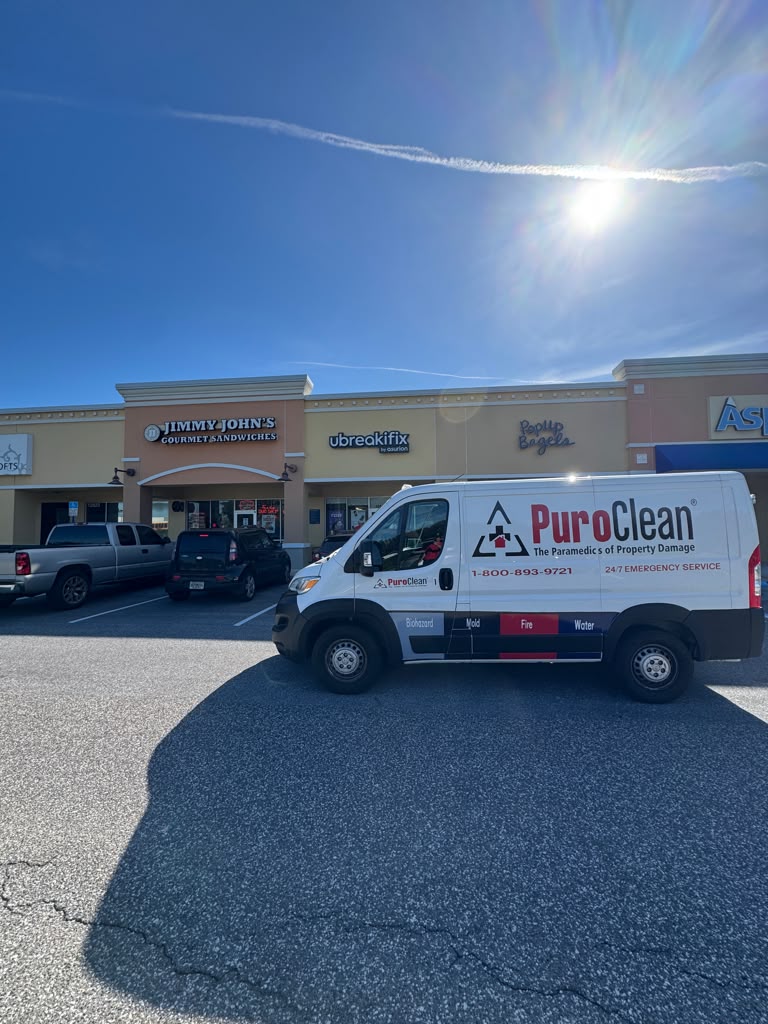
PuroClean of Hoboken provides restoration services for property damage involving water, fire, and mold. Whether you manage a multifamily building, rental property, condominium association, or commercial property, understanding your restoration options before an emergency can help you plan with greater confidence.
Property managers and community associations can contact PuroClean of Hoboken to discuss restoration services and ask about available Master Service Agreement options, including any applicable priority response arrangements.
Don’t wait until property damage disrupts your building to start planning. Establish your emergency response strategy, identify trusted restoration professionals, and take proactive steps to prepare your property.
Contact PuroClean of Hoboken today to learn how a restoration partnership can support your property’s emergency preparedness.
Frequently Asked Questions
Why should property managers have a restoration partner before an emergency?
An established relationship provides a known point of contact and can help streamline communication, service coordination, and emergency planning when property damage occurs.
What types of property damage can a restoration company address?
Depending on the provider, services may include water damage restoration, fire and smoke damage cleanup, mold remediation, biohazard cleanup, and reconstruction.
Does a Master Service Agreement cost anything?
Costs and terms vary by provider and agreement. Ask PuroClean of Hoboken about available MSA options, whether a no-cost arrangement is offered, and what services or obligations are included.
When should property managers create an emergency response plan?
Ideally, property managers should develop and review their plans before an incident occurs. Advance preparation gives them time to identify contacts, document procedures, and evaluate potential restoration partners.