


When winter temperatures drop in Hoboken, homeowners face more than cold mornings and icy sidewalks. Freezing temperatures can put household plumbing at risk, and a single burst pipe can release gallons of water into your home before you even realize there’s a problem.
From older residential properties and brownstones to apartments and multi-unit buildings, burst pipes are a serious winter concern throughout Hoboken, New Jersey. Pipes located near exterior walls, in basements, beneath sinks, or in unheated spaces can be especially vulnerable when temperatures fall.
The damage can happen quickly. Water can spread through flooring, walls, ceilings, insulation, and personal belongings, sometimes affecting multiple rooms or neighboring apartments.
Understanding why pipes freeze, how to recognize early warning signs, and what to do if a pipe bursts can help protect your property.
If a burst pipe has already caused water damage in your home, PuroClean of Hoboken provides professional water damage restoration services to help you respond and begin the recovery process.
Dealing with a burst pipe? Don’t wait for water damage to spread. Contact PuroClean of Hoboken for professional water damage restoration assistance.
Why Do Pipes Burst During Hoboken Winters?
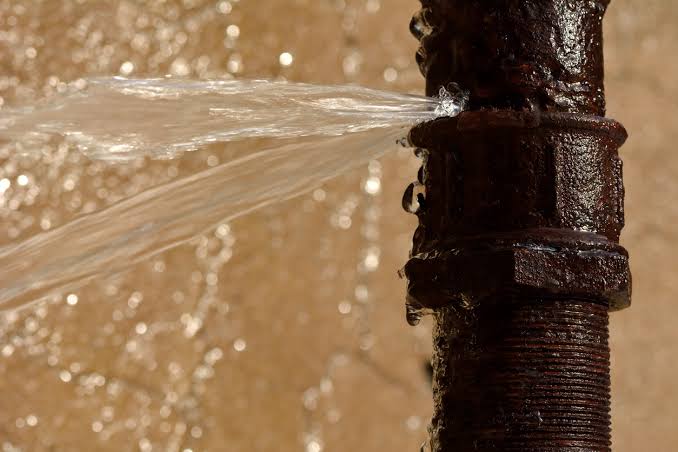
Pipes typically burst because water inside them freezes and expands. As ice forms, pressure builds inside the plumbing system. That pressure can cause a pipe to crack or rupture.
Interestingly, the pipe does not always break at the exact location where the ice forms. Pressure can build between the ice blockage and a closed faucet or another obstruction, causing a vulnerable section of pipe to fail.
When the ice begins to thaw, water can escape through the damaged area and quickly flood surrounding spaces.
Hoboken homes can have several plumbing vulnerabilities, including:
- Pipes running along exterior walls
- Plumbing located in unheated basements or crawl spaces
- Pipes inside garages, utility rooms, or storage areas
- Plumbing beneath kitchen and bathroom sinks
- Older or poorly insulated plumbing systems
- Pipes located near drafty windows, doors, or foundation areas
During extended periods of freezing weather, even pipes inside a home can become vulnerable if they are exposed to cold air or insufficient insulation.
5 Warning Signs Your Pipes May Be Frozen
A frozen pipe is not always obvious. In some cases, homeowners do not discover the problem until the pipe begins leaking or bursts.
Watch for these warning signs during cold weather.
1. Little or No Water Coming From a Faucet
If you turn on a faucet and notice little or no water coming out, a frozen pipe could be restricting the flow.
Pay attention to faucets located along exterior walls or in colder areas of your home. If multiple fixtures are affected, the issue may involve a larger section of your plumbing system.
2. Unusual Sounds Coming From Your Pipes
Banging, gurgling, or unusual noises may indicate a plumbing problem. These sounds do not automatically mean a pipe is frozen, but they should not be ignored, especially during freezing temperatures.
3. Visible Frost on Exposed Pipes
If you notice frost or ice forming on an exposed pipe, it may be freezing internally.
Check accessible plumbing in basements, utility rooms, and beneath sinks. Do not ignore visible ice buildup.
4. Unusual Odors Coming From Drains
A frozen or blocked drain line may interfere with normal drainage and allow unpleasant odors to become noticeable. While this is not a definitive sign of a frozen supply pipe, it can indicate a plumbing issue that needs attention.
5. Damp Spots, Water Stains, or Bulging Walls
A small leak may be the first visible sign of a damaged pipe. Look for discoloration, bubbling paint, warped flooring, damp drywall, or unexplained moisture near plumbing lines.
If you notice these signs, contact a qualified plumber promptly.
How to Prevent Frozen and Burst Pipes in Your Hoboken Home
Preventing a frozen pipe is much easier than dealing with the water damage that can follow a burst.
Before temperatures drop, take these precautions.
Insulate Exposed Pipes
Insulate pipes located in unheated areas, including basements, crawl spaces, garages, and near exterior walls.
Pipe insulation helps reduce exposure to cold temperatures and lowers the risk of freezing.
Keep Your Home at a Consistent Temperature
Avoid turning your heat completely off during freezing weather, even if you plan to leave home for a few days.
Maintaining a consistent indoor temperature helps protect plumbing throughout the property.
Open Cabinet Doors Under Sinks
Kitchen and bathroom pipes located against exterior walls may be exposed to colder temperatures.
During severe cold weather, opening cabinet doors can allow warmer indoor air to circulate around the plumbing.
Allow Faucets to Drip When Appropriate
During periods of extreme cold, allowing a small trickle of water to flow through vulnerable faucets may help reduce the risk of freezing.
Follow guidance from a qualified plumber, particularly if you have older plumbing or recurring freezing problems.
Seal Drafts and Air Leaks
Cold air entering through gaps around windows, doors, foundations, and utility openings can expose nearby pipes to freezing temperatures.
Seal drafts where possible and pay special attention to areas where plumbing runs close to exterior openings.
Know Where Your Main Water Shutoff Valve Is Located
If a pipe bursts, shutting off the main water supply can help limit additional damage.
Every homeowner should know where the main shutoff valve is and how to operate it before an emergency happens.
What to Do If a Pipe Bursts in Your Hoboken Home
Discovering a burst pipe can be overwhelming. However, taking the right steps immediately can help reduce additional damage.
Step 1: Shut Off the Main Water Supply
If it is safe to do so, turn off your home’s main water supply. This can help stop additional water from entering the damaged plumbing line.
If you cannot locate the shutoff valve or cannot safely access it, contact a qualified plumber or emergency assistance.
Step 2: Stay Away From Electrical Hazards
Water and electricity are a dangerous combination.
If water is near outlets, electrical panels, appliances, or exposed wiring, stay out of the affected area. Do not touch electrical equipment while standing in water.
Have a qualified professional address electrical hazards before entering the space.
Step 3: Contact a Plumber to Repair the Pipe
A water damage restoration company can address the resulting property damage, but the plumbing failure itself needs to be repaired.
Contact a qualified plumber to identify the damaged section and stop the source of the leak.
Step 4: Document the Water Damage
Take photos and videos of affected rooms, flooring, walls, ceilings, furniture, and personal belongings when it is safe.
Contact your insurance provider to report the incident and ask about documentation and coverage requirements. Coverage depends on your specific policy and the circumstances of the loss.
Step 5: Contact a Professional Water Damage Restoration Company
Once the source of the water has been controlled, the restoration process can begin.
Standing water is only part of the problem. Moisture can remain trapped inside drywall, beneath flooring, behind cabinets, and within insulation.
Professional water damage restoration helps identify affected materials, remove excess water, and properly dry the property.
Why a Burst Pipe Can Cause More Damage Than You Expect
One of the biggest mistakes homeowners make is assuming that the damage is limited to the area where water is visible.
Unfortunately, water can travel through a property in ways that are difficult to detect.
For example, a burst pipe in an upstairs bathroom may cause damage to:
- Bathroom flooring and cabinets
- Drywall and insulation
- Ceilings in rooms below
- Hardwood flooring and subfloors
- Electrical components and nearby fixtures
- Personal belongings and furniture
In Hoboken’s multi-unit residential buildings, a burst pipe can also affect neighboring apartments and shared spaces.
A plumbing failure in one unit may result in water damage to several floors, creating additional challenges for homeowners, landlords, tenants, and property managers.
That is why a thorough moisture inspection and drying plan are important after a burst pipe.
How Professional Water Damage Restoration Helps After a Burst Pipe
After a pipe bursts, removing visible water is only the beginning.
Professional water damage restoration addresses both the immediate water intrusion and the moisture that may remain inside building materials.
The process may include:
Water extraction: Professional equipment is used to remove standing water from affected areas.
Moisture inspection: Restoration professionals use appropriate moisture detection equipment to identify water that may have spread behind walls, beneath flooring, or into other building materials.
Structural drying: Air movers and commercial dehumidifiers help remove moisture from affected areas and materials.
Cleaning and sanitizing: Depending on the source and condition of the water, appropriate cleaning and treatment procedures may be needed.
Restoration planning: Affected materials are evaluated to determine what can be dried and restored and what may need to be removed or replaced.
Every water damage situation is different. The appropriate restoration plan depends on how much water escaped, how long it was present, and which materials were affected.
The U.S. Environmental Protection Agency recommends drying wet or damp materials within 24–48 hours when possible to help reduce the risk of mold growth.
Waiting too long to address water damage can increase the likelihood of additional property damage and mold-related concerns.
Why Hoboken Homeowners Should Act Quickly After a Burst Pipe
A burst pipe is not simply a plumbing problem. It can become a major property restoration issue if the resulting water damage is not addressed promptly.
For homeowners, the consequences may include damaged flooring, ruined furniture, deteriorating drywall, and disruption to daily life.
For landlords and property managers, the situation can become more complicated when multiple apartments or shared building areas are affected.
Taking action quickly can help:
- Limit the spread of water damage
- Identify hidden moisture
- Reduce the risk of secondary damage
- Protect unaffected areas of the property
- Begin the restoration process sooner
Even if the visible water seems manageable, moisture may have traveled farther than expected.
Need Burst Pipe Water Damage Restoration in Hoboken, NJ?
When a pipe bursts, every minute matters. Whether the problem involves a frozen basement pipe, a leaking plumbing line behind a wall, or a burst pipe affecting multiple apartments, getting professional help is an important step toward protecting your property.
PuroClean of Hoboken provides water damage restoration services for residential and commercial properties, helping property owners respond to unexpected water emergencies.
The team can assist with water extraction, moisture assessment, structural drying, and the restoration process following water damage.
If a burst pipe has affected your Hoboken home, don’t wait for damp walls, damaged floors, or hidden moisture to become a bigger problem.
Contact PuroClean of Hoboken for professional water damage restoration assistance.
Visit the PuroClean of Hoboken website to learn more about available restoration services.
Frequently Asked Questions About Burst Pipes in Hoboken
Why do pipes burst in Hoboken homes during winter?
Pipes can freeze when temperatures drop and expose plumbing to prolonged cold. As water freezes and expands, pressure builds inside the pipe and can cause it to crack or burst. Pipes in basements, exterior walls, garages, and unheated spaces are particularly vulnerable.
How do I know if a pipe is frozen?
Common warning signs include little or no water coming from a faucet, visible frost on exposed pipes, unusual plumbing noises, and damp areas near plumbing lines. If you suspect a frozen pipe, contact a qualified plumber.
What should I do first if a pipe bursts?
If it is safe, shut off the main water supply. Stay away from electrical hazards, contact a plumber to repair the pipe, document the damage, notify your insurance provider, and arrange professional water damage restoration.
Can a burst pipe cause mold?
Yes. Excess moisture left in building materials can create conditions that support mold growth. Prompt water removal and proper drying help reduce the risk of mold developing after a plumbing emergency.
How long does water damage restoration take after a burst pipe?
The timeline depends on the amount of water, the materials affected, and the extent of the damage. Water extraction and drying may take several days, while repairs and reconstruction can take longer.
Can a burst pipe affect other apartments in a Hoboken building?
Yes. Water can travel through ceilings, floors, walls, and shared building spaces. A burst pipe in one apartment may affect units below or next door, depending on the building’s layout and construction.
Who should I call after a burst pipe in Hoboken, NJ?
Contact a qualified plumber to stop and repair the leak. Then contact a professional water damage restoration company to assess the affected areas, remove water, and dry the property. PuroClean of Hoboken provides water damage restoration services for residential and commercial properties.