


Halloween is a time for costumes, candy, creative decorations, and neighborhood celebrations. But as trick-or-treaters fill the sidewalks and homeowners decorate their front stoops, taking a few extra Halloween Safety Tips to help prevent accidents, fires, and property damage.
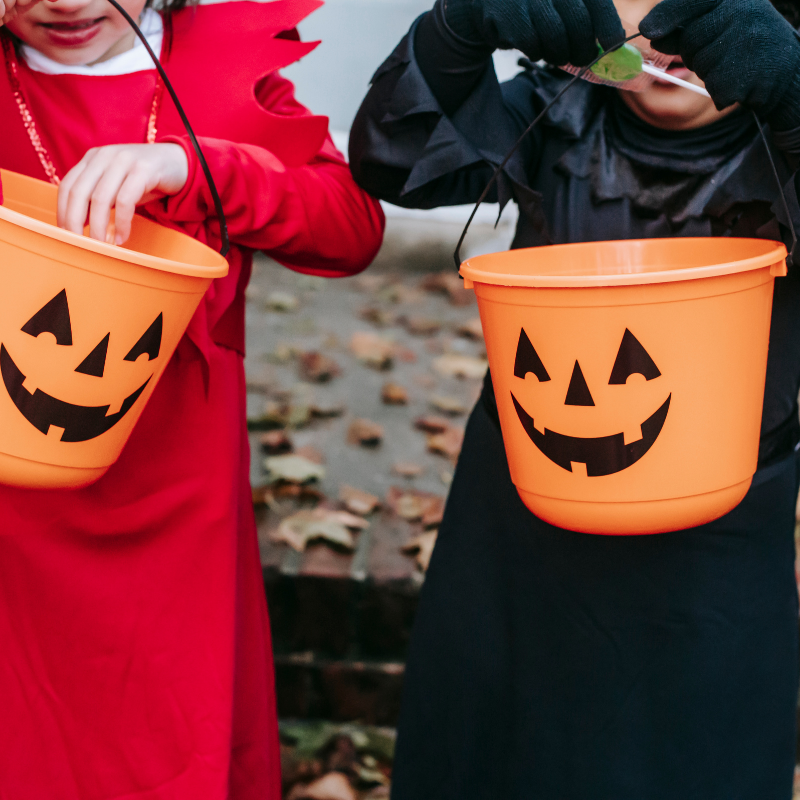
In Hoboken, New Jersey, Halloween safety is especially important because of the city’s busy streets, historic brownstones, shared building entrances, narrow sidewalks, and mix of residential properties and commercial storefronts. A poorly lit stoop, an extension cord across a walkway, or decorations blocking an exit can quickly turn a festive display into a safety hazard.
Whether you’re a homeowner preparing for trick-or-treaters, a landlord maintaining a multifamily building, or a business owner welcoming customers, these Halloween safety tips can help you prepare your Hoboken property for a safer holiday.
1. Make Hoboken Sidewalks, Stoops, and Entrances Safe
Hoboken’s historic brownstones and attached residential buildings often feature exterior stairs, raised stoops, railings, and compact entryways. These architectural details add character, but they can also create tripping hazards for children and adults walking around in Halloween costumes.
Before Halloween evening, walk through your property’s entrance as though you were visiting for the first time.
Check for:
- Loose or uneven steps that could cause someone to trip.
- Handrails that are loose or difficult to grip.
- Cracked pavement, uneven sidewalk sections, or raised edges.
- Decorations placed along stairs, landings, or narrow walkways.
- Poor lighting near exterior doors and building entrances.
- Extension cords, hoses, or other objects crossing pedestrian paths.
Repair obvious hazards before Halloween whenever possible. Move decorations away from walking routes and make sure visitors can safely approach your entrance without stepping around obstacles.
For landlords and property managers, inspect shared entrances, front steps, building vestibules, and pathways that residents and visitors use. Notify residents about temporary hazards and arrange repairs for dangerous conditions.
For storefronts, keep the entrance clear so customers can enter and exit without navigating around pumpkins, display stands, or electrical cords.
2. Improve Outdoor Lighting for Trick-or-Treaters
Good lighting makes it easier for visitors to identify steps, see obstacles, and approach your property safely after dark.
Check porch lights, exterior wall fixtures, stair lighting, and the lights near your building entrance. Replace burned-out bulbs and test motion-activated lighting before Halloween.
Homeowners can also consider battery-powered lanterns or other stable, weather-appropriate lighting to illuminate decorations without creating additional fire risks.
Businesses should pay attention to customer entrances, loading areas, parking access points, and sidewalks directly outside their storefronts.
Hoboken’s published Halloween safety guidance also reminds drivers to slow down, use headlights, and watch for pedestrians at crosswalks. Reflective accessories and flashlights can help make trick-or-treaters easier for drivers to see.
Review the City of Hoboken’s Halloween safety guidance for additional local recommendations.
3. Prevent Halloween Decoration Fires
Halloween decorations can introduce fire risks when placed too close to candles, heaters, light fixtures, or other heat sources.
The National Fire Protection Association reports that an estimated annual average of 835 home structure fires began with decorations during 2020–2024. Approximately 47% of these fires occurred because decorations were too close to a heat source, and about one-third were started by candles.
For homeowners and businesses, fire prevention should be part of every Halloween decorating plan.
Follow these precautions:
- Use battery-operated candles or electric lights inside jack-o’-lanterns.
- Keep paper decorations, artificial spiderwebs, dried cornstalks, and other combustible materials away from heat sources.
- Keep decorations away from fireplaces, portable heaters, and open flames.
- Avoid placing decorations where they can contact hot light bulbs or equipment.
- Keep doors, hallways, stairways, and emergency exits unobstructed.
- Test smoke alarms and address any known fire-safety issues before the holiday.
Be especially careful when decorating historic brownstones, apartment buildings, and commercial properties with shared hallways or multiple occupants. Never allow a festive display to compromise an exit route.
For additional guidance, consult the National Fire Protection Association’s Halloween fire safety recommendations.
4. Choose Safe Costumes and Accessories
Costume safety matters just as much as property safety. Long capes, oversized shoes, restrictive masks, and sharp costume accessories can increase the risk of falls and other injuries.
Before children leave home, check that costumes are comfortable and suitable for walking around the neighborhood.
Keep these recommendations in mind:
- Choose costumes that fit properly and do not drag on the ground.
- Use reflective tape or bright accessories to improve visibility at night.
- Choose makeup or face paint when a mask could obstruct vision.
- If a mask is worn, make sure it allows clear vision and comfortable breathing.
- Avoid sharp or rigid costume props.
- Give children flashlights or glow sticks to help illuminate their route.
Parents and caregivers should accompany younger children and establish a clear plan for older children who trick-or-treat independently.
Review costume labels and product safety recommendations before purchasing accessories. The U.S. Consumer Product Safety Commission’s Halloween safety guidance provides additional advice on costume fit, visibility, and fire safety.
5. Use Extra Caution When Driving on Halloween
Halloween brings more pedestrians onto neighborhood streets, often during the evening hours when visibility is reduced. Drivers should expect children to cross unexpectedly, emerge from between parked vehicles, or focus on reaching the next house rather than watching traffic.
If you’re driving through Hoboken on Halloween:
- Reduce your speed and watch the road carefully.
- Turn on your headlights when visibility calls for them.
- Slow down when approaching crosswalks and intersections.
- Check carefully before turning into another street.
- Back out of driveways slowly and look for pedestrians.
- Never drive after drinking alcohol or using impairing substances.
The City of Hoboken’s published Halloween safety guidance identifies 20 mph as the citywide speed limit and advises residents to use sidewalks and cross at crosswalks. Check the city’s current announcements for any additional Halloween-specific traffic or event restrictions.
Parents should encourage children to walk rather than run between houses, cross at intersections, and avoid stepping into the road from behind parked vehicles.
For more information about pedestrian and driver precautions, consult the National Highway Traffic Safety Administration’s Halloween safety tips.
6. Make Trick-or-Treating Safer Around Multifamily Buildings
Apartment buildings and multifamily properties can require additional planning because multiple households share entrances, hallways, stairs, and common areas.
Before Halloween, property owners and managers should inspect these spaces and communicate expectations to residents.
A multifamily building safety checklist should include:
- Keeping hallways and stairwells free of decorations and storage items.
- Making sure common-area lighting works properly.
- Checking that building entrances and exits remain accessible.
- Securing loose mats, cables, and other potential trip hazards.
- Keeping fire doors and required exit routes unobstructed.
- Providing residents with a clear method for reporting hazards.
Residents should supervise younger children, keep shared spaces tidy, and avoid blocking entrances while distributing candy or gathering with neighbors.
If your property hosts a Halloween activity, consider how visitors will enter and exit, how crowds will be managed, and whether the planned decorations or equipment create additional hazards. Check applicable fire and occupancy requirements before setting up a public haunted display or other special attraction.
7. Keep Outdoor Electrical Decorations Safe
Inflatable decorations, illuminated pumpkins, animated skeletons, and decorative lighting can make a property stand out during Halloween. However, improper electrical setup can create shock hazards, overheating, and trips.
Before plugging in outdoor decorations, inspect the setup carefully.
- Use lighting and extension cords rated for outdoor use where required.
- Follow the manufacturer’s instructions for electrical connections and placement.
- Avoid damaged cords, frayed insulation, or loose connections.
- Keep electrical connections protected from moisture according to product instructions.
- Do not overload outlets or connect incompatible electrical equipment.
- Secure cords away from sidewalks, steps, doors, and other walking routes.
- Turn off decorations when appropriate, particularly when the property is unattended.
For business owners, make sure exterior displays do not interfere with customer access, employee walkways, delivery areas, or emergency exits.
When in doubt about an electrical installation, consult a qualified electrician rather than improvising a repair.
8. Practice Safe Pumpkin Carving
Carving pumpkins is a popular Halloween tradition, but knives and other sharp tools can cause serious injuries.
Adults should handle the cutting and carving, while younger children can help with safer activities such as scooping out pumpkin seeds, drawing designs, or decorating the finished pumpkin.
To reduce risks:
- Place pumpkins on a stable, well-lit surface.
- Use appropriate carving tools and follow their instructions.
- Keep hands dry when handling cutting tools.
- Keep children away from knives and other sharp implements.
- Use battery-operated lights instead of open flames inside finished pumpkins.
When displaying pumpkins outside, place them where they will not obstruct stairs, entrances, or sidewalks. A pumpkin placed at the edge of a brownstone stoop may look festive but should never create a tripping hazard.
Businesses displaying pumpkins or seasonal decorations should also make sure they cannot be knocked into pedestrian paths.
9. Protect Your Property While Hosting Halloween Activities
Homeowners, landlords, and business owners may host costume gatherings, seasonal displays, or other Halloween activities. Before welcoming guests, consider the safety of the entire property.
For residential gatherings, make sure visitors can find the entrance, move through the space safely, and leave without navigating around hazards.
For commercial properties, review the following:
- Keep customer entrances and emergency exits accessible.
- Secure decorations so they cannot fall or obstruct walkways.
- Make sure lighting is appropriate for the event and location.
- Review any applicable fire, occupancy, or event permit requirements.
- Ensure staff know how to report emergencies and guide people toward exits.
- Plan safe arrangements for guests leaving late-night gatherings.
If alcohol is being served at an event, arrange transportation options and discourage impaired driving.
Avoid assuming that a display or gathering is exempt from safety rules simply because it is temporary or seasonal. Check current municipal requirements when planning a public attraction, event, or structure that people will enter.
10. Check Candy and Be Mindful of Allergies
Candy safety is another important part of Halloween preparation.
Parents and caregivers should inspect treats before children eat them. Discard candy with damaged or opened packaging, unfamiliar homemade items from unknown sources, or other clear signs of tampering.
Families should also consider food allergies and dietary restrictions when sorting candy.
For households distributing treats, consider keeping original packaging intact and offering clearly labeled, allergy-conscious alternatives where practical.
Homes, community groups, and participating businesses can also consider non-food treats such as stickers or small toys that are suitable for the intended age group.
Children should understand not to eat treats until a trusted adult has checked them, and caregivers should keep known allergy information and emergency medication accessible when needed.
11. Prepare Your Business for a Safe Halloween
Halloween can be an opportunity for Hoboken businesses to welcome families, attract foot traffic, and create a festive shopping experience. A safe setup helps protect customers, employees, and the property itself.
Before opening on Halloween, complete a quick commercial property safety review.
Commercial Halloween safety checklist
- Entrances: Remove trip hazards and keep entrances accessible.
- Lighting: Check exterior lights, display lighting, and customer pathways.
- Decorations: Secure displays and keep combustible materials away from heat.
- Electrical equipment: Inspect cords, plugs, outlets, and outdoor-rated equipment.
- Emergency exits: Ensure exits, fire doors, and evacuation routes remain unobstructed.
- Staff procedures: Tell employees how to report hazards and respond to emergencies.
- Customer movement: Keep queues, displays, and candy stations away from doorways and busy pedestrian routes.
- Closing procedures: Turn off decorations as appropriate and secure equipment before leaving.
Restaurants, retail stores, offices, and other commercial spaces should adapt this checklist to their layouts and activities. Businesses planning a special Halloween event should review any relevant local requirements in advance.
Frequently Asked Questions About Halloween Safety in Hoboken
How can Hoboken homeowners prepare for Halloween?
Inspect front steps and railings, improve outdoor lighting, move decorations away from walkways, use electric candles, and make sure visitors can safely approach the entrance. Parents should also check costume fit and visibility before children go trick-or-treating.
What are the most important Halloween fire safety tips?
Keep decorations away from open flames and heat sources, use battery-operated lights in jack-o’-lanterns, test smoke alarms, and keep hallways and emergency exits clear. These precautions are particularly important in multifamily buildings and commercial properties.
How can businesses in Hoboken improve Halloween safety?
Businesses should maintain clear entrances, inspect lighting and electrical decorations, remove trip hazards, keep emergency exits accessible, and train staff to identify and report hazards. Properties hosting special events should also review applicable local requirements.
How can drivers help keep trick-or-treaters safe in Hoboken?
Drivers should slow down, watch for children near parked cars and intersections, use headlights when appropriate, and approach crosswalks and turns cautiously. Pedestrians should use sidewalks and cross at designated crossings wherever possible.
Are Halloween decorations allowed in shared hallways and building entrances?
Decorations should never block required exits, fire doors, stairs, or other essential access routes. Before placing decorations in shared spaces, residents and property managers should also check building policies and applicable fire-safety requirements.

Keep Your Hoboken Home or Business Safe This Halloween
A safe Halloween starts with a few simple checks. Clear your walkways, improve lighting, secure electrical decorations, prevent fire hazards, and make sure children and visitors can move around your property safely.
Whether you own a Hoboken brownstone, manage an apartment building, or operate a local storefront, taking time to prepare can help reduce preventable accidents and make the holiday more enjoyable for everyone.
For property hazards that require repairs, specialized electrical work, or professional safety assessments, consult a qualified local professional before Halloween activities begin.