


Is water damage worse than fire damage? The answer depends on the severity of the damage, how quickly it is addressed, and what parts of the property have been affected.
Fire damage can cause immediate and severe destruction to a home or business. But water damage can also become extensive, especially when moisture spreads into walls, flooring, ceilings, insulation, and other hidden areas.

In some situations, water damage may ultimately affect more of a property than the original fire damage because water can continue spreading and create additional problems if it is not professionally dried and restored.
For New Jersey homeowners and businesses dealing with either type of emergency, understanding the differences between water and fire damage can help you know what to expect and why a fast professional response matters.
Water Damage vs. Fire Damage: Which Is Worse?
There isn’t a universal answer to whether water damage or fire damage is worse.
A small localized water leak may be relatively straightforward to address, while a major fire can destroy large portions of a building.
On the other hand, a seemingly minor water intrusion can spread behind walls or underneath flooring and cause extensive damage that isn’t immediately visible.
The severity of either emergency depends on factors such as:
- The size of the affected area
- How long the damage has been present
- Whether structural materials are affected
- The source of the damage
- The amount of water or fire involved
- Whether smoke or soot has spread throughout the property
- Whether electrical systems have been affected
- How quickly professional restoration begins
The important distinction is that fire often causes immediate visible destruction, while water can cause damage that continues developing after the initial event.
Why Fire Damage Can Be Extremely Severe
Fire can destroy structural materials, personal belongings, electrical systems, flooring, walls, ceilings, and other parts of a property within minutes.
Even after the flames are extinguished, the restoration process may be complicated by smoke, soot, odor, and water used by firefighters.
Fire Damage Can Include More Than Burned Materials
A property does not need to be completely burned to experience extensive fire damage.
Smoke can travel through a building and affect rooms that were not directly touched by flames. Soot can settle on surfaces and belongings. Smoke odors can remain long after the fire has been extinguished.
Water and fire-suppression efforts can also create additional moisture damage.
As a result, a single fire can produce several different restoration challenges at the same time.
Why Water Damage Can Be More Complicated Than It Looks
Water damage is sometimes underestimated because the initial damage may not look severe.
A small amount of water on the floor may seem manageable. However, moisture can move into materials and spaces that aren’t visible.
Water can travel beneath flooring, behind walls, under cabinets, into ceilings, and into other structural areas.
Hidden Moisture Is a Major Concern
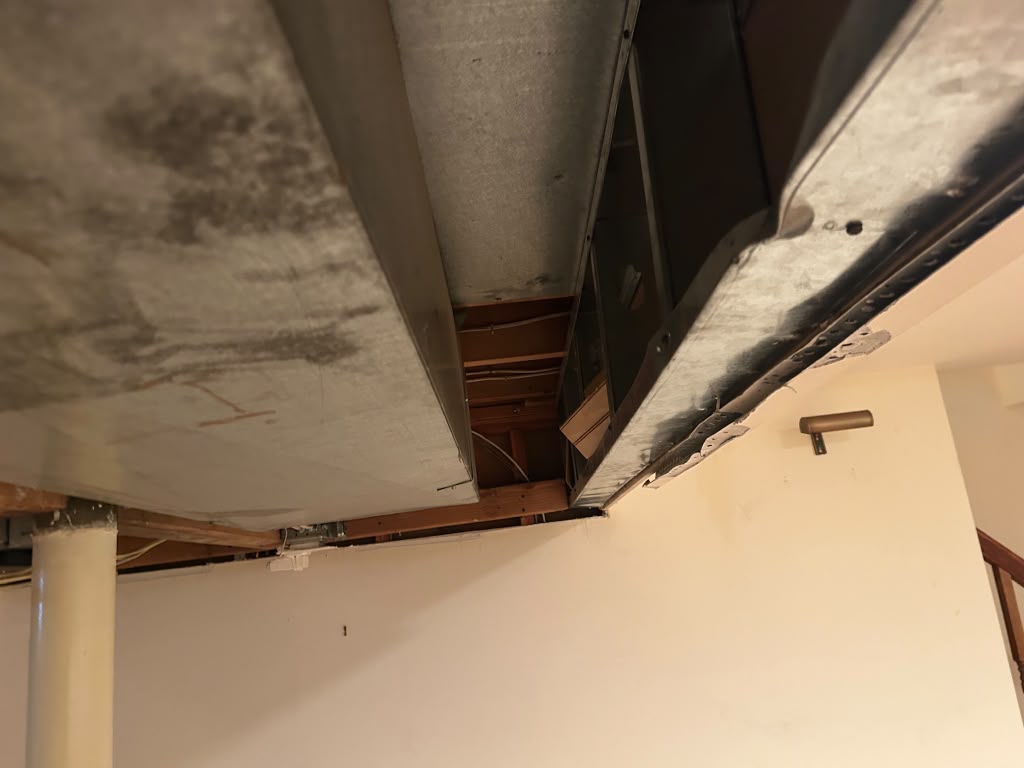
One of the biggest challenges with water damage is that you may not be able to see all of the affected areas.
For example, a plumbing leak inside a wall could leave only a small visible stain while moisture spreads throughout the wall cavity.
Professional restoration technicians can use moisture meters and other equipment to help identify areas that may require drying.
This is one reason professional water damage restoration is often more involved than simply removing visible standing water.
Can Water Damage Cause More Damage Over Time?
Yes.
One of the biggest differences between water and fire damage is that water-related damage can continue developing after the initial event.
If moisture isn’t removed and affected materials aren’t properly dried, additional problems can develop.
These may include:
- Swollen flooring
- Damaged drywall
- Deteriorated building materials
- Damaged insulation
- Persistent odors
- Mold growth
- Damage to personal belongings
- Structural concerns
The longer moisture remains in a property, the greater the potential for additional damage.
Is Water Damage More Expensive Than Fire Damage?
Not necessarily.
The cost of restoration depends heavily on the circumstances.
A major fire can require extensive structural repairs, contents restoration, smoke cleanup, odor removal, and reconstruction.
A major water loss can also require significant demolition, drying, flooring replacement, mold remediation, and reconstruction.
Insurance coverage and the cause of the damage can also affect the overall financial impact.
Instead of assuming one type of damage is always more expensive, it is better to consider the extent of the damage and how quickly restoration begins.
Which Is More Dangerous: Water or Fire?
Both can create serious safety hazards.
Fire can damage structural components and create electrical, smoke, and structural hazards. A property that has experienced a fire should not be assumed to be safe simply because the flames have been extinguished.
Water damage can also create dangerous conditions, particularly when water comes into contact with electrical systems or when the water is contaminated.
Safety Comes First
If your property has experienced a fire, flooding, sewage backup, or another serious emergency, don’t enter an unsafe area simply to inspect the damage.
Leave the property if necessary and follow instructions from emergency personnel or other qualified professionals.
What Happens During Water Damage Restoration?
Professional water damage restoration generally begins with an assessment of the affected property.
Depending on the situation, the restoration process may include:
1. Inspection
Technicians identify visible damage and look for areas where moisture may be hidden.
2. Water Removal
Standing water is removed using professional extraction equipment.
3. Drying
Air movers, dehumidifiers, and other drying equipment can be used to reduce remaining moisture.
4. Moisture Monitoring
Moisture levels can be monitored throughout the drying process to help determine when affected areas have adequately dried.
5. Cleaning
Affected surfaces, belongings, and areas of the property may require professional cleaning.
6. Restoration
Damaged materials may need to be repaired or replaced depending on the severity of the loss.
What Happens During Fire Damage Restoration?
Fire restoration can involve several stages because fire often creates multiple types of damage.
The process may include:
- Assessing fire damage
- Removing damaged materials
- Cleaning soot and smoke residue
- Addressing smoke odors
- Cleaning affected contents
- Addressing water damage caused by firefighting
- Repairing structural damage
- Restoring affected areas
Every fire is different, so the restoration process depends on the extent and location of the damage.
What About Smoke Damage?
Smoke damage deserves special attention because smoke can affect areas far beyond the location of the fire.
Smoke particles can travel through HVAC systems, doorways, wall cavities, and other pathways.
Even when a room appears relatively unaffected, smoke residue or odor may still be present.
Professional fire and smoke damage restoration can help identify affected areas and determine the appropriate cleaning and restoration methods.
What About Mold After Water Damage?
Mold is one of the reasons water damage should be addressed quickly.
Mold requires moisture to grow, so an unresolved water problem can create favorable conditions for mold development.
That doesn’t mean every water loss will result in mold, but it does mean that controlling moisture is an important part of water damage restoration.
If mold is already present, professional mold remediation may be necessary.
Water Damage and Fire Damage Can Happen Together
One important point is often overlooked when comparing water and fire damage:
A fire can cause water damage.
Firefighters may use significant amounts of water to extinguish a fire. That water can affect floors, walls, ceilings, furniture, and other belongings.
As a result, a property that experiences a fire may require both fire damage restoration and water damage restoration.
This is one reason fire restoration can involve multiple stages of cleanup and recovery.
Which Should You Address First?
The answer is simple: address the emergency as quickly and safely as possible.
If your property has experienced water damage, don’t wait several days to see whether it dries on its own.
If your property has experienced a fire, don’t assume the damage is limited to what you can see.
Water Damage vs. Fire Damage: Quick Comparison
| Factor | Water Damage | Fire Damage |
|---|---|---|
| Initial visibility | May be hidden | Often immediately visible |
| Can spread? | Yes | Smoke can spread throughout property |
| Structural damage | Possible | Potentially severe |
| Secondary damage | Mold, deterioration, odors | Smoke, soot, odors, water damage |
| Electrical hazards | Possible | Possible |
| Restoration complexity | Depends on moisture and affected materials | Often involves fire, smoke, soot and water |
| Emergency response | Important | Critical |
| Professional restoration | Often recommended | Often necessary |
So, Is Water Damage Worse Than Fire Damage?
Neither is always worse.
Fire can cause devastating and immediate destruction, while water damage can spread into hidden areas and continue causing problems if moisture is not properly removed.
The most important factor is the extent of the damage and how quickly the property receives an appropriate professional response.
If you’ve experienced a major water loss, fire, smoke damage, or another property emergency, getting the situation assessed promptly can help prevent additional damage.
PuroClean of Hoboken Can Help With Water & Fire Damage

PuroClean of Hoboken provides professional water damage restoration and fire and smoke damage restoration for homes and businesses in Hoboken and surrounding Hudson County communities.
Our restoration services include:
- Water damage restoration
- Water extraction
- Structural drying
- Fire damage restoration
- Smoke and soot cleanup
- Mold remediation
- Biohazard cleanup
- Commercial restoration
PuroClean of Hoboken provides 24/7 emergency assistance for property damage emergencies.
If your home or business has experienced water or fire damage, call 1-800-893-9721 for restoration assistance.
Frequently Asked Questions
Is water damage worse than fire damage?
Not necessarily. Fire can cause immediate and severe destruction, while water can spread into hidden areas and create additional damage if it isn’t properly addressed. The severity depends on the extent and circumstances of each loss.
Is water damage harder to repair than fire damage?
It depends on the situation. Extensive water damage can require significant drying, demolition, mold remediation, and reconstruction. Fire damage may require structural repairs as well as smoke, soot, odor, and water damage restoration.
Can water damage cause more damage over time?
Yes. If moisture remains in building materials, additional damage and secondary problems can develop. Prompt professional assessment and drying can help reduce these risks.
Is fire damage always worse than water damage?
No. A small fire may be less extensive than a major flood, while a large fire can cause catastrophic structural damage. Each situation needs to be evaluated individually.
Can a fire cause water damage?
Yes. Water used during firefighting can affect floors, walls, ceilings, contents, and other areas of a property.
How quickly should I call a restoration company after water damage?
As soon as possible. Prompt assessment and drying can help limit the amount of damage and reduce the opportunity for secondary problems.
Does PuroClean of Hoboken handle both water and fire damage?
Yes. PuroClean of Hoboken provides water damage restoration as well as fire and smoke damage restoration for residential and commercial properties.
Final Thoughts
So, is water damage worse than fire damage?
There is no one-size-fits-all answer.
Fire can cause immediate destruction and leave behind smoke, soot, and structural damage. Water can spread into hidden areas and continue affecting a property if moisture isn’t addressed quickly.
Whether you’re dealing with a burst pipe, flooding, fire, smoke, or water damage following firefighting, professional restoration can help identify the extent of the problem and guide the property toward recovery.
PuroClean of Hoboken is available 24/7 for water and fire damage restoration in Hoboken and surrounding Hudson County communities.
Call 1-800-893-9721 for emergency restoration assistance.