


Flood damage can happen when you least expect it. From heavy rain and flash flooding to burst pipes, sewer backups, and coastal storms, water can quickly invade your home or business and cause extensive damage. In a city like Hoboken, where historic buildings, waterfront properties, and aging infrastructure are common, even a few inches of water can lead to costly repairs if not addressed quickly.
The first few hours after a flood are critical. Water can seep into flooring, drywall, insulation, furniture, and structural framing, creating the perfect conditions for mold growth and long-term structural damage. Taking the right steps immediately after flooding can help protect your property, improve safety, and reduce restoration costs.
In this guide, you’ll learn what to do after flood damage in Hoboken, how to stay safe, when to contact your insurance company, and when it’s time to call a professional flood damage restoration company.
Why Flooding Happens Frequently in Hoboken
Hoboken’s location along the Hudson River makes it particularly susceptible to flooding throughout the year. Combined with dense urban development and older infrastructure, several factors contribute to frequent water damage incidents across the city.
Coastal Flooding & Storm Surge
Properties near the Hudson River are vulnerable during hurricanes, tropical storms, Nor’easters, and periods of unusually high tides. Storm surge can push water inland, flooding streets, parking garages, basements, and ground-floor businesses.
Inspect Hurricanes and weather conditions here
Heavy Rain & Flash Flooding
Intense rainfall can overwhelm storm drains and municipal drainage systems. Water quickly accumulates on streets and sidewalks before finding its way into homes and commercial buildings, especially those with below-grade basements.
Aging Plumbing Systems
Many Hoboken homes and historic brownstones have aging plumbing infrastructure. Corroded pipes, worn fittings, and outdated supply lines increase the risk of leaks and burst pipes that can release hundreds or even thousands of gallons of water.
Basement Flooding
Finished basements are particularly common in Hoboken and are often the first areas affected by water intrusion. Sump pump failures, foundation seepage, sewer backups, and heavy rainfall can quickly flood lower levels of residential and commercial properties.
Sewer Backups
Heavy rain can overload municipal sewer systems, causing contaminated wastewater to back up into homes through floor drains, toilets, or plumbing fixtures. These situations require immediate professional cleanup due to the health hazards associated with sewage.
Appliance & HVAC Failures
Water heaters, washing machines, dishwashers, refrigerators, and HVAC systems can all leak unexpectedly. While these leaks may start small, they often go unnoticed until significant water damage has already occurred.
Understanding these common causes can help homeowners recognize potential risks and respond more effectively when flooding occurs.
Step 1: Put Safety First
Before worrying about cleanup, make sure everyone in your home is safe. Floodwater can present several hazards beyond the visible water itself.
Avoid Electrical Hazards
Never enter standing water if electrical outlets, appliances, or wiring may be submerged. If it is safe to do so, turn off electricity to the affected area at the main breaker. If you cannot safely access the breaker panel, wait for utility personnel or a qualified electrician.
Stay Out of Contaminated Water
Not all floodwater is clean. Water from storms, sewer backups, or overflowing drains may contain bacteria, chemicals, and other harmful contaminants. Avoid direct contact whenever possible, and wear waterproof boots and gloves if you must enter affected areas.
Protect Children and Pets
Keep children and pets away from flooded rooms until the area has been inspected and cleaned. Standing water and contaminated materials can pose serious health risks.
Wear Protective Gear
If you’re beginning any cleanup yourself, wear:
- Waterproof boots
- Rubber gloves
- Long sleeves and pants
- Eye protection
- An N95 mask if mold is suspected
These precautions can reduce exposure to bacteria, debris, and airborne particles.
Step 2: Stop the Source of the Water
If the flooding is coming from inside your property rather than outside stormwater, stopping the water source should be your next priority.
Burst Pipes
If a pipe has burst, shut off your home’s main water supply immediately to prevent additional flooding.
Appliance Leaks
Water heaters, washing machines, refrigerators, and dishwashers are common sources of indoor flooding. Turn off the water supply to the affected appliance if possible.
Roof Leaks
If water is entering through the roof during a storm, avoid climbing onto the roof in dangerous weather. Instead, place buckets under active leaks and contact a roofing professional once conditions are safe.
Overflowing Plumbing Fixtures
If a sink, toilet, or bathtub is overflowing, shut off the fixture’s water valve and avoid using nearby plumbing until the issue is resolved.
Stopping the water source quickly helps limit additional damage and allows restoration efforts to begin sooner. Call Puroclean of Carrollwood
Step 3: Document the Damage for Insurance
Before moving belongings or beginning extensive cleanup, take time to document the damage thoroughly.
Detailed records can help support your insurance claim and provide a clear picture of the condition of your property immediately after the flood.
Take Photos
Photograph every affected room from multiple angles.
Capture:
- Standing water
- Water stains
- Damaged flooring
- Wet drywall
- Ceiling damage
- Furniture
- Appliances
- Personal belongings
- Exterior damage
The more comprehensive your documentation, the better.
Record Video
A walkthrough video provides additional context that still photos may miss. Slowly record each room while explaining what was damaged.
Create an Inventory
Make a written list of damaged belongings.
Include:
- Item descriptions
- Approximate purchase dates
- Estimated replacement values
- Brand names or serial numbers when available
If you have receipts or previous photographs of valuable items, keep those with your claim documentation.
Save Emergency Expenses
If you purchase fans, tarps, cleaning supplies, temporary repairs, or emergency accommodations, save all receipts. Depending on your insurance policy, some of these costs may be reimbursable.
Contact Your Insurance Company
Notify your insurance carrier as soon as possible. They can explain your coverage, begin the claims process, and provide instructions for documenting the loss.
If you work with Puroclean of Hoboken, we can provide moisture readings, drying logs, photographs, and detailed reports that help support your claim. Call us on +1-800-873-9721
Why Acting Quickly Matters
Many homeowners assume they have time to wait a few days before addressing flood damage. Unfortunately, water damage becomes more severe with every passing hour.
Within the first 24 hours:
- Water spreads into walls and flooring.
- Wood begins absorbing moisture.
- Drywall starts to weaken.
- Carpet padding becomes saturated.
Within 24–48 hours:
- Mold growth may begin.
- Odors become more noticeable.
- Materials start deteriorating.
- Humidity levels rise throughout the property.
After several days:
- Structural damage becomes more likely.
- Flooring may buckle or warp.
- Drywall often requires replacement.
- Mold remediation may become necessary.
- Restoration costs can increase significantly.
Whether the flooding was caused by a storm, burst pipe, sewer backup, or appliance failure, responding quickly is one of the most effective ways to reduce damage and improve the chances of restoring your property successfully.
Step 4: Remove Standing Water as Quickly as Possible
Once you’ve ensured the area is safe and documented the damage, the next priority is removing standing water. The longer water remains inside your property, the more likely it is to soak into flooring, drywall, insulation, cabinets, and structural framing.
Even a small amount of standing water can cause significant damage if left untreated.
Can You Remove Water Yourself?
For minor water spills or very small amounts of clean water, homeowners may be able to use:
- Wet/dry vacuums
- Mops and towels
- Portable pumps
- Buckets
- Fans to improve air circulation
However, if the flooding affects multiple rooms, contains contaminated water, or involves several inches of standing water, professional water extraction is the safest and most effective solution. Call Puroclean of Hoboken
Why Professional Water Extraction Matters
Restoration companies use commercial-grade equipment capable of removing large volumes of water quickly.
This equipment often includes:
- Truck-mounted extraction units
- High-capacity pumps
- Commercial water extractors
- Specialized hardwood floor drying systems
- Moisture detection equipment
Rapid water removal helps minimize damage and prepares the property for the next critical step—structural drying.
Step 5: Dry Your Property Thoroughly
Many homeowners believe that once standing water is gone, the job is finished. In reality, hidden moisture often remains inside walls, flooring systems, insulation, cabinetry, and structural framing.
Without proper drying, trapped moisture can lead to mold growth, wood rot, unpleasant odors, and structural deterioration.
Why Household Fans Aren’t Enough

Standard box fans may help circulate air, but they rarely remove enough moisture to dry building materials completely.
Professional restoration companies use equipment specifically designed for water damage mitigation, including:
- Industrial air movers
- Commercial dehumidifiers
- Low-grain refrigerant dehumidifiers
- Desiccant dehumidifiers
- Floor drying systems
- Wall cavity drying equipment
Moisture Detection Is Essential
Not all water damage is visible.
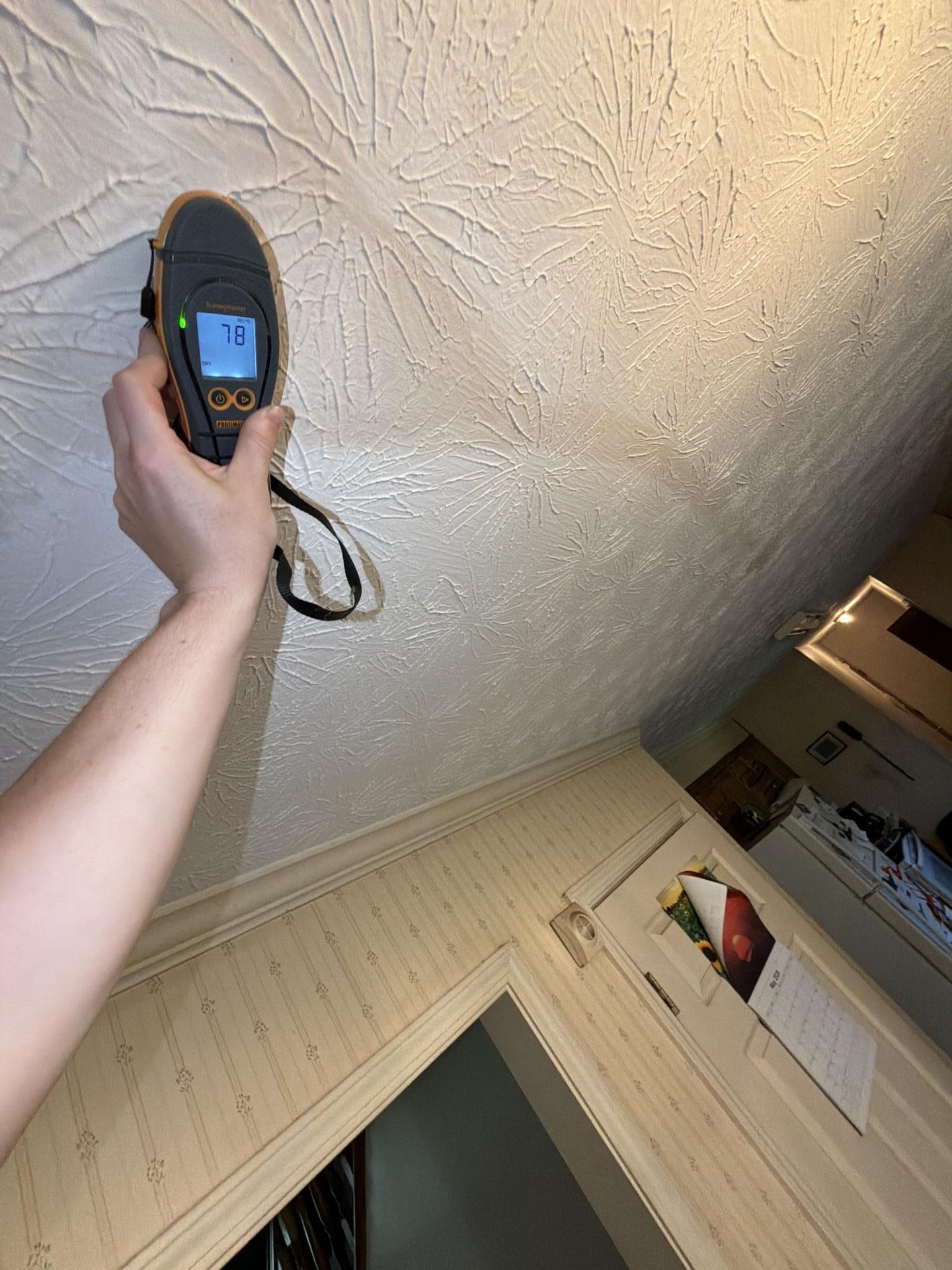
Professional technicians use:
- Thermal imaging cameras
- Moisture meters
- Hygrometers
- Moisture mapping technology
These tools help locate hidden moisture behind walls, beneath flooring, and inside ceilings—areas that are easy to overlook but critical to dry properly.
Step 6: Prevent Mold Growth Before It Starts
One of the biggest concerns after flooding is mold.
Florida often gets the spotlight for humidity, but New Jersey summers—and water-damaged buildings anywhere—can also create ideal conditions for mold growth when moisture isn’t removed promptly.
Under the right conditions, mold can begin developing within 24 to 48 hours after water intrusion.
Common Signs of Mold
Watch for:
- Musty odors
- Dark spots on walls or ceilings
- Discoloration around baseboards
- Peeling paint
- Bubbling drywall
- Warped wood
- Increased allergy symptoms indoors
Why Professional Drying Reduces Mold Risk
Proper drying removes the moisture mold needs to grow.
Professional restoration companies often combine:
- Structural drying
- Humidity control
- Moisture monitoring
- Antimicrobial treatments
- HEPA air filtration (when appropriate)
While no company can guarantee mold will never develop, rapid mitigation dramatically reduces the risk.
Step 7: Know When It’s Time to Call a Professional
Some small water incidents can be handled by homeowners. Flooding, however, often requires specialized equipment and expertise.
Professional flood damage restoration is strongly recommended if:
The Water Is Contaminated
Floodwater from:
- Sewer backups
- Storm surge
- Rivers
- Streets
- Overflowing drains
may contain bacteria, viruses, chemicals, and other hazardous contaminants.
These situations require specialized cleaning and sanitation.
Multiple Rooms Are Affected
When water spreads beyond one room, moisture frequently migrates through walls, flooring, and ceilings.
Hidden moisture is difficult to detect without professional equipment.
Your Basement Has Flooded
Finished basements are particularly vulnerable because water can damage:
- Drywall
- Flooring
- Furniture
- Electrical systems
- Insulation
- HVAC equipment
Prompt extraction and drying help reduce long-term damage.
Water Has Been Sitting for More Than 24 Hours
The longer water remains, the more likely it is to cause:
- Mold growth
- Structural damage
- Material deterioration
- Odors
- More extensive repairs
Commercial Properties
Businesses often need fast restoration to reduce downtime.
Professional restoration companies can develop drying plans that help businesses reopen as safely and efficiently as possible.
Common Mistakes Homeowners Make After Flooding
Avoiding these common mistakes can save both time and money.
Waiting Too Long
Many homeowners hope the water will dry naturally.
Unfortunately, moisture trapped inside walls and flooring rarely dries on its own.
Using Only Household Fans
Fans improve airflow but don’t remove enough moisture to dry structural materials properly.
Professional dehumidification is often necessary.
Ignoring Hidden Moisture
Even when surfaces appear dry, water may remain inside:
- Wall cavities
- Subfloors
- Ceiling spaces
- Insulation
- Wood framing
Undetected moisture is one of the leading causes of mold growth after flooding.
Painting Over Water Damage
Painting over water stains without correcting the underlying moisture problem only hides the issue temporarily.
The source of the water must always be addressed first.
Removing Materials Too Soon
Some materials that appear damaged can often be restored with proper drying.
Professional inspections help determine what can be saved and what requires replacement.
Delaying Insurance Documentation
Taking photos after cleanup has already begun may make it more difficult to document the original extent of the damage.
Always document the loss before major cleanup whenever possible.
Flood Prevention Tips for Hoboken Homeowners
While no property is completely flood-proof, routine maintenance and preparation can reduce the likelihood of serious water damage.
Maintain Gutters and Downspouts
Clean gutters regularly to ensure rainwater flows away from your home’s foundation.
Test Your Sump Pump
Before storm season, verify that your sump pump is operating correctly and consider installing a battery backup in case of power outages.
Inspect Plumbing Annually
Older plumbing systems should be inspected for leaks, corrosion, and worn fittings before they become emergencies.
Seal Foundation Cracks
Small foundation cracks may allow water to seep into basements during heavy rainfall.
Professional sealing can help reduce water intrusion.
Install Water Leak Detection Devices
Smart leak detectors can alert homeowners to plumbing leaks before major flooding occurs.
Many systems can even shut off the water supply automatically.
Elevate Valuable Items
Store important documents, electronics, and sentimental belongings above floor level, particularly in basements.
Schedule Routine Roof Inspections
Roof leaks often begin as small problems that worsen during heavy rain.
Regular inspections can help identify damaged shingles, flashing, and other vulnerable areas.
Prepare Before Storm Season
Keep emergency supplies on hand, including:
- Flashlights
- Batteries
- Waterproof storage containers
- Important documents
- Emergency contact information
Preparation can significantly reduce stress when severe weather strikes.
Insurance Tips After Flood Damage
The insurance process can feel overwhelming, especially after a major flood.
These tips can help make the process smoother.
Report the Damage Promptly
Notify your insurance carrier as soon as possible after discovering the damage.
Delays may slow the claims process.
Keep Detailed Records
Maintain copies of:
- Photos
- Videos
- Estimates
- Receipts
- Repair invoices
- Temporary housing expenses (if applicable)
Good documentation strengthens your claim.
Don’t Throw Everything Away Immediately
Unless materials present an immediate health hazard, ask your insurance adjuster or restoration contractor whether damaged items should be retained for inspection.
Work With Experienced Restoration Professionals
Professional restoration companies often provide:
- Moisture reports
- Equipment logs
- Drying documentation
- Detailed repair estimates
- Photographic evidence
These records can help demonstrate the extent of the damage and the work performed.
Acting Fast Can Make All the Difference
Whether flooding is caused by heavy rain, storm surge, a burst pipe, or a sewer backup, every hour matters.
The sooner standing water is removed and hidden moisture is addressed, the better the chances of preventing mold growth, protecting structural materials, and reducing repair costs.
Professional flood damage restoration goes beyond simply removing visible water. It involves moisture detection, structural drying, sanitation, and careful monitoring to help ensure your property is restored safely and thoroughly.
If your Hoboken home or business experiences flooding, taking immediate action can help protect both your property and your peace of mind.
Frequently Asked Questions About Flood Damage in Hoboken, NJ
1. How quickly should floodwater be removed?
Floodwater should be removed as soon as possible. Standing water can begin damaging drywall, flooring, insulation, furniture, and structural framing immediately. Mold may begin growing within 24 to 48 hours, making fast water extraction and structural drying essential.
2. Can I clean up flood damage myself?
Small spills or minor clean-water leaks may be manageable with household tools. However, significant flooding, contaminated water, sewer backups, or water affecting multiple rooms should be handled by a professional flood damage restoration company with the proper equipment and training.
3. How long does flood damage restoration take?
The timeline depends on the extent of the damage. Minor water losses may take several days to dry, while larger restoration projects involving repairs or reconstruction can take several weeks. Professional moisture monitoring ensures materials are dry before rebuilding begins.
4. How do I know if mold is growing after a flood?
Common signs include:
- Musty odors
- Visible black, green, or white spots
- Peeling paint
- Bubbling drywall
- Warped flooring
- Increased indoor humidity
- Allergy-like symptoms when indoors
If you notice these warning signs after flooding, schedule a professional inspection as soon as possible.
5. Is floodwater dangerous?
Yes. Floodwater from rivers, storm runoff, or sewer backups may contain bacteria, viruses, chemicals, and other contaminants. Avoid contact whenever possible, and never allow children or pets to play in floodwater.
6. Can hardwood floors be saved after flooding?
In many cases, yes. If drying begins quickly, specialized hardwood floor drying systems may prevent permanent damage. The sooner restoration starts, the better the chances of preserving the flooring.
7. Does homeowners insurance cover flood damage?
Coverage depends on the source of the water and the details of your insurance policy. Damage from burst pipes or certain plumbing failures may be covered, while flooding from rising water often requires separate flood insurance. Review your policy carefully and speak with your insurance provider to understand your coverage.
8. What equipment do professionals use for flood restoration?
Professional restoration companies typically use:
- Truck-mounted water extraction units
- Commercial pumps
- Industrial air movers
- Low-grain refrigerant dehumidifiers
- Thermal imaging cameras
- Moisture meters
- HEPA air scrubbers
- Moisture mapping technology
This equipment helps remove water efficiently and identify hidden moisture that could otherwise lead to mold or structural damage.
9. What should I do before the restoration crew arrives?
If it is safe to do so:
- Shut off the water source if applicable.
- Turn off electricity to affected areas.
- Take photos and videos of the damage.
- Move valuable items to a dry location.
- Avoid walking through contaminated floodwater.
- Contact your insurance company to begin the claims process.
10. Why is Hoboken especially prone to flooding?
Hoboken’s proximity to the Hudson River, dense urban development, aging infrastructure, and prevalence of basements make it especially vulnerable to flooding from heavy rainfall, flash floods, coastal storms, storm surge, sewer backups, and plumbing failures.
Emergency Flood Damage Restoration in Hoboken, New Jersey.
Flood damage can be overwhelming, but the actions you take in the first few hours can have a significant impact on the outcome. Prioritizing safety, documenting the damage, removing standing water, and drying affected materials quickly can help reduce repair costs and minimize long-term issues such as mold growth and structural deterioration.
For Hoboken homeowners and business owners, staying prepared is just as important as responding quickly. Regular maintenance, seasonal inspections, and understanding your property’s flood risks can help protect your investment before the next major storm arrives.
If your property has experienced flooding, professional flood damage restoration can help ensure hidden moisture is identified, contaminants are addressed, and your home or business is restored safely and efficiently.