Winter in Hoboken, New Jersey, can bring freezing temperatures, snow, freezing rain, and repeated freeze-thaw cycles that put roofs and buildings to the test. For homeowners, landlords, property managers, and local business owners, preparing a property before winter arrives can help reduce the risk of roof leaks, ice dams, ceiling stains, and costly water damage.
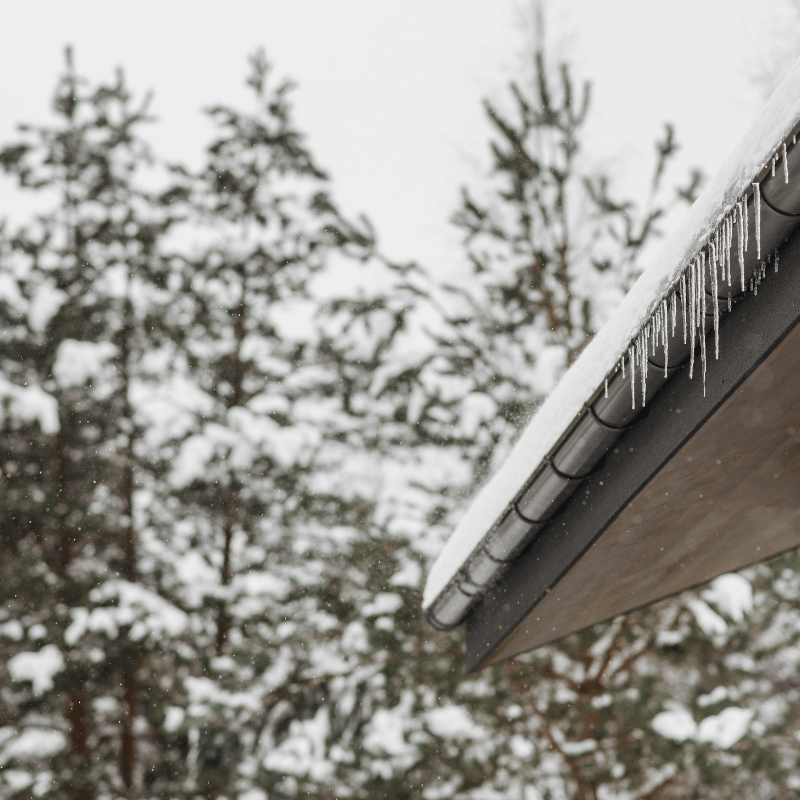
Hoboken’s mix of historic brownstones, multifamily buildings, flat-roof properties, and commercial storefronts creates different winter maintenance challenges. A small roof leak can allow water to travel into ceilings, walls, insulation, flooring, and other building materials before the damage becomes obvious.
Understanding how winter roof leaks develop, recognizing early warning signs, and addressing moisture quickly can help protect your property throughout the colder months.
In this guide, we’ll cover practical ways to prevent roof leaks and ice damage during a Hoboken winter, what property owners should inspect before a storm, and what to do if melting snow or ice allows water inside.
1. Understand What Causes Winter Roof Leaks in Hoboken
Roof leaks during winter do not always begin with an obvious hole or missing shingle. Water can enter through vulnerable roofing materials, deteriorated flashing, blocked drainage systems, or areas where melting snow accumulates and refreezes.
Several common winter conditions can contribute to roof damage.
Ice dams: When snow on a warmer section of the roof melts and the water refreezes near a colder roof edge, an accumulation of ice can form. Additional meltwater may collect behind the ice and work beneath roofing materials, eventually entering the building.
Damaged roofing materials: Cracked shingles, deteriorated membranes, loose flashing, and poorly sealed roof penetrations can provide pathways for water to enter.
Blocked gutters and drains: Leaves, debris, snow, and ice can interfere with drainage, allowing water to collect where it should flow away from the building.
Flashing failures: Chimneys, vents, skylights, and other roof penetrations depend on properly installed flashing and seals. Damaged or deteriorated components may allow water to enter during winter storms.
Freeze-thaw cycles: Repeated freezing and thawing can place stress on vulnerable building materials and make existing roof defects more noticeable.
The National Weather Service explains that ice dams can allow water to work beneath shingles and damage ceilings, walls, and belongings. Its guidance recommends maintaining gutters and downspouts and evaluating attic insulation and ventilation to reduce the likelihood of ice dams.
Learn more in the National Weather Service’s guide to preventing roof ice dams.
2. Schedule a Roof Inspection Before Winter
One of the most effective ways to prepare for winter is to identify roofing problems before snow and ice make repairs more difficult.
Homeowners should arrange a professional roof inspection if the roof has not been checked recently, particularly when there have been previous leaks or visible signs of deterioration.
A roof inspection should evaluate:
- Shingles, roofing membranes, and other visible roofing materials.
- Flashing around chimneys, vents, skylights, and roof penetrations.
- Signs of loose, cracked, or deteriorated sealant.
- Gutters, downspouts, and roof drainage points.
- Areas with a history of water intrusion.
- Roof surfaces around mechanical equipment and other penetrations.
Many Hoboken properties have flat or low-slope roofs, especially multifamily and commercial buildings. These roofs require particular attention to drainage, membrane condition, flashing, and areas where water may accumulate.
Older brownstones may also have aging roofing materials and masonry details that deserve regular inspection.
Property owners should not climb onto a roof during icy or windy conditions. A qualified roofing professional can assess the roof safely and recommend repairs before winter weather creates additional risks.
3. Keep Gutters, Downspouts, and Roof Drains Clear
Proper drainage helps prevent water from accumulating around vulnerable roof areas. Before winter, remove leaves and debris from accessible gutters and arrange for clogged or damaged drainage components to be addressed.
For sloped roofs, gutters and downspouts should direct water away from the building rather than allowing it to spill over near exterior walls or foundations.
Flat-roof buildings require a slightly different approach. Roof drains and drainage paths should be inspected to ensure that water can leave the roof as designed.
Your winter drainage checklist should include:
- Removing accumulated leaves and debris from gutters.
- Checking for detached, sagging, or damaged gutter sections.
- Confirming that downspouts are connected and unobstructed.
- Inspecting flat-roof drains and scuppers.
- Looking for signs of recurring ponding water.
- Checking for visible water stains beneath drainage problem areas.
Do not attempt to chip away ice from gutters or roof drains while standing on a ladder during freezing weather. If drainage is obstructed by ice, contact a qualified professional who can address the problem safely.
For Hoboken property managers, drainage checks should be part of a broader seasonal building maintenance plan, particularly for apartment complexes, mixed-use properties, and commercial buildings.
4. Reduce the Risk of Ice Dams With Proper Insulation and Ventilation
Ice dams can be difficult to prevent through exterior maintenance alone. In many cases, the underlying issue involves heat escaping into the attic and warming portions of the roof unevenly.
When snow melts over warmer roof sections and then refreezes near colder edges, ice can accumulate. As more snow melts, water may collect behind the ice and find its way beneath roofing materials.
Improving attic insulation and ventilation can help maintain more consistent roof temperatures and reduce the conditions that contribute to ice dams.
Consider these preventative steps:
Inspect attic insulation. Inadequate insulation can allow heat from the living space to warm the roof. A qualified insulation professional can assess whether your property needs improvements.
Check attic ventilation. Appropriate ventilation can help maintain cooler attic conditions during winter. The right setup depends on the roof design and existing ventilation system.
Seal air leaks. Gaps around attic access panels, plumbing penetrations, and other openings may allow warm indoor air to escape into the attic. Seal appropriate gaps using suitable materials.
Inspect recurring problem areas. If ice dams develop in the same locations each winter, ask a qualified roofing or insulation professional to investigate the underlying cause.
Do not assume that adding insulation alone will fix every ice dam problem. A proper assessment should consider insulation, air leakage, ventilation, roof construction, and drainage together.
5. Know the Warning Signs of an Ice Dam or Roof Leak
Winter roof damage is not always immediately visible from the street. Paying attention to changes inside your property can help you identify possible leaks before they affect larger areas.
Look for the following warning signs:
- Brown or yellow stains spreading across ceilings.
- Water dripping from ceilings, light fixtures, or upper-floor walls.
- Damp insulation or unusual moisture in accessible attic areas.
- Peeling paint, bubbling drywall, or swelling plaster.
- Musty odors near ceilings, exterior walls, or attic spaces.
- Visible ice buildup along roof edges or gutters.
- Water appearing indoors during snowmelt or after a winter storm.
A stain that appears after a thaw may indicate water that entered the building earlier and remained hidden until it reached an interior surface.
Be especially alert in older Hoboken brownstones, top-floor apartments, and commercial properties with flat roofs. Leaks can travel along framing, pipes, or other building components before appearing far from the original entry point.
If you notice recurring ceiling stains or damp areas, investigate the cause rather than simply painting over the damage. The roofing problem and any moisture already inside the building need to be addressed separately.
6. Protect Flat Roofs and Commercial Buildings During Winter
Commercial roof maintenance is particularly important for Hoboken offices, retail spaces, restaurants, apartment buildings, and mixed-use properties.
Flat and low-slope roofs may contain drainage systems, rooftop HVAC units, vents, and other penetrations that require regular inspection.
Before winter, property owners and facility managers should:
- Arrange a professional inspection of the roofing membrane and flashing.
- Confirm that roof drains and drainage paths are clear.
- Check accessible roof areas for visible deterioration or previous repairs.
- Inspect around rooftop HVAC equipment and other penetrations.
- Review the history of leaks and recurring moisture problems.
- Establish a process for responding to reports of ceiling stains or active leaks.
- Schedule periodic checks after significant winter storms when conditions allow.
Commercial property managers should also clarify who is responsible for reporting damage, coordinating roof inspections, and arranging interior water cleanup when a leak occurs.
Preventative maintenance can help reduce disruption, but it cannot eliminate every risk posed by severe weather. A clear response plan helps property teams act quickly if water enters the building.
7. Avoid Dangerous DIY Roof and Ice Removal
When snow and ice collect on a roof, it may be tempting to remove them immediately. However, climbing onto an icy roof or using tools to break apart ice can create serious safety hazards and damage roofing materials.
Avoid walking on icy roofs, striking ice dams with hammers, or using open flames or improvised heating devices to melt ice.
Likewise, be cautious when using roof rakes or other snow-removal tools. Improper techniques can damage shingles, gutters, and other roof components. Never work beneath falling ice or snow.
Instead:
- Observe roof conditions from a safe location.
- Keep people away from areas where ice or snow could fall.
- Contact a qualified roofing contractor to assess roof damage or remove dangerous accumulations when necessary.
- Seek prompt professional attention if you notice signs of structural distress or significant water intrusion.
If you suspect that a roof is sagging or that a ceiling may collapse, keep people away from the affected area and seek appropriate emergency assistance.
8. What to Do if a Winter Roof Leak Occurs
Even with careful preparation, a roof leak may develop during a winter storm or thaw. Responding promptly can help reduce the amount of water that spreads into walls, ceilings, flooring, and personal belongings.
If you discover a leak, follow these steps.
Step 1: Protect people and belongings. Move furniture, electronics, documents, and other valuables away from the affected area if it is safe to do so. Use a suitable container to catch dripping water where practical.
Step 2: Take precautions around electricity. Water near light fixtures, outlets, wiring, or electrical equipment can be dangerous. Do not touch wet electrical equipment. Keep people away from the area and contact a qualified electrician or emergency service as appropriate.
Step 3: Document the damage. Take photographs or videos of visible water, stains, damaged belongings, and other affected areas when safe. Notify your landlord or property manager if you rent, and contact your insurer to ask about documentation and next steps.
Step 4: Arrange for the roof problem to be addressed. A qualified roofing contractor can investigate the source of the leak and recommend appropriate repairs. Interior cleanup alone will not fix a defective roof.
Step 5: Address interior water damage. Wet drywall, insulation, wood flooring, and other porous materials may retain moisture even after visible dripping stops. A professional assessment can help determine the affected areas and appropriate drying or restoration steps.
Do not wait for visible mold to develop before taking water damage seriously. Hidden moisture can persist inside walls, ceilings, and flooring.
9. When to Call PuroClean of Hoboken for Water Damage Restoration
If a winter roof leak has allowed water into your home or business, repairing the roof is only part of the recovery process. Interior materials may need professional water removal, drying, moisture assessment, or restoration to help prevent further damage.
For Hoboken homeowners, landlords, and commercial property managers dealing with water intrusion, PuroClean of Hoboken is a local property restoration resource to consider.
PuroClean of Hoboken provides water damage mitigation, structural drying, moisture detection, and mold remediation services for residential and commercial properties. The team uses professional drying equipment and moisture-monitoring methods to assess affected materials and address water damage. Learn more through the PuroClean of Hoboken website.
A restoration professional may be helpful when:
- Water has entered through a roof leak and affected ceilings or walls.
- Flooring or other building materials have become wet.
- Water may have spread into hidden spaces.
- A property has persistent dampness or musty odors after a leak.
- A landlord or property manager needs an assessment of water damage in an occupied building.
- A commercial space needs water damage mitigation following a winter storm.
PuroClean of Hoboken advertises 24/7 emergency property restoration services and can be reached at (201) 868-4817. If the roof itself is damaged, coordinate with a qualified roofing contractor to repair the source of the leak as well.
Acting quickly can help limit secondary damage and clarify which materials require drying, cleaning, repair, or replacement.
10. Create a Winter Roof Maintenance Checklist for Your Property
A seasonal checklist can help homeowners and property managers keep track of important inspections before temperatures drop and after significant winter weather.
Before winter
- Schedule a professional roof inspection if needed.
- Repair known roofing defects and deteriorated flashing.
- Clean gutters and confirm that downspouts drain correctly.
- Inspect flat-roof drains and drainage paths.
- Evaluate attic insulation, air leakage, and ventilation.
- Review previous roof leaks and recurring moisture issues.
- Confirm that tenants or staff know how to report water intrusion.
During winter
- Watch for visible ice accumulation and drainage issues from a safe location.
- Inspect ceilings and upper-floor walls for new water stains.
- Respond promptly to reports of dampness or active leaks.
- Arrange professional inspection or snow and ice removal when needed.
- Keep records of maintenance, repairs, and reported problems.
After a winter storm or thaw
- Check for new interior water stains or damp areas.
- Inspect accessible parts of the property for signs of water intrusion.
- Arrange a roofing assessment if damage is suspected.
- Document any water damage and contact the appropriate restoration professional.
- Review recurring issues before the next freeze-thaw cycle.
For commercial properties and multifamily buildings, assign responsibility for each inspection and keep a record of completed maintenance tasks.
Frequently Asked Questions About Winter Roof Leaks in Hoboken
How can I prevent roof leaks during a Hoboken winter?
Schedule roof inspections before winter, repair damaged roofing and flashing, maintain gutters and drains, and address attic insulation and ventilation issues that may contribute to ice dams. After storms, watch for new ceiling stains, damp walls, and other signs of water intrusion.
What causes ice dams on roofs?
Ice dams develop when snow melts on warmer roof sections and then refreezes near colder roof edges. As ice accumulates, additional meltwater can collect behind it and seep beneath roofing materials. Inadequate insulation, air leaks, and ventilation problems can contribute to the conditions that create ice dams.
Are flat roofs more vulnerable to winter leaks?
Flat and low-slope roofs can be vulnerable when drainage is obstructed, roofing membranes or flashing are damaged, or water accumulates around drains and penetrations. Regular inspection and proper drainage maintenance can help reduce the risk of winter water intrusion.
What should I do if my ceiling leaks after snow melts?
Protect people and belongings, avoid wet electrical areas, document the damage when safe, and notify your insurer or property manager as appropriate. Arrange for a qualified roofer to identify the source of the leak and consider professional water damage restoration if interior materials have become wet.
Can a roof leak cause mold?
Yes. Persistent moisture from a roof leak can create conditions that support mold growth. The source of water should be repaired, affected materials should be assessed, and appropriate drying or remediation should be completed.
Who should I call for winter water damage in Hoboken?
Contact a qualified roofing contractor to assess and repair the roof. If water has entered the building, a property restoration company can help assess moisture, remove water, dry affected materials, and determine whether further restoration or mold remediation is needed. PuroClean of Hoboken provides water damage restoration and related property restoration services for homes and businesses.
Protect Your Hoboken Property From Winter Roof Damage
Preventing roof leaks and ice damage starts with regular maintenance, proper drainage, and early attention to warning signs. For Hoboken homeowners and businesses, preparing roofing systems before winter can help reduce the risk of water intrusion and unexpected repairs.
If a roof leak occurs, address the source of the water and assess the interior damage rather than focusing on visible stains alone. For water that has already entered a building, PuroClean of Hoboken can be a resource for professional water damage mitigation, drying, and restoration.
Taking action early can help protect your property, limit further damage, and make winter maintenance more manageable.