


Table of Contents
If wildfire smoke enters your home, the key to effective smoke odor removal is acting quickly. Start by improving ventilation when outdoor air quality allows, replacing HVAC filters, cleaning surfaces where smoke particles settle, and addressing soft materials that absorb odors. During wildfire season in Northwest Montana, smoke can linger inside homes long after the haze clears, making thorough cleaning essential to restore healthy indoor air quality.
What Causes Smoke Odors to Linger?
Smoke odor is caused by microscopic particles and gases released during combustion. These particles settle on walls, ceilings, furniture, carpets, curtains, and inside HVAC systems, where they continue releasing odors over time.
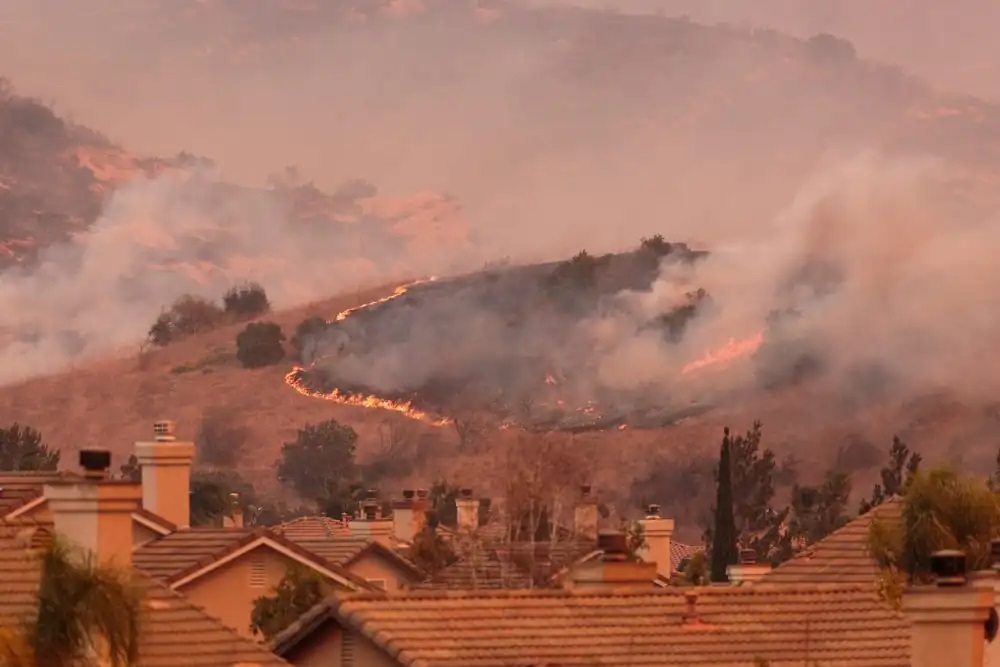
During wildfire season, smoke may enter homes through open windows, attic vents, doors, or small air leaks. Even if your property never experiences direct fire damage, airborne smoke can significantly affect indoor air quality.
Why Wildfire Season Affects Homes in Kalispell
Kalispell and surrounding areas in Northwest Montana regularly experience periods of wildfire smoke during late summer and early fall. Winds can carry smoke hundreds of miles, allowing fine particles to enter homes even when fires are not nearby.
These particles often become trapped inside fabrics, insulation, air ducts, and porous building materials. Without proper cleaning, odors may remain for weeks or even months.
Signs Smoke Has Affected Your Home
Some smoke damage is obvious, while other signs are much more subtle.
Common indicators include:
- Persistent smoky odors: If your home still smells like smoke after outdoor air quality improves, particles have likely settled inside the property.
- Visible soot or dust: Fine gray or black residue may appear on windowsills, vents, or horizontal surfaces after prolonged smoke exposure.
- Eye or throat irritation indoors: Smoke particles left inside the home can continue affecting indoor air quality long after the outdoor smoke has cleared.
- HVAC odors when the system runs: If smoky smells become stronger when your heating or cooling system turns on, smoke particles may be circulating through the ductwork.
Step-by-Step Smoke Odor Removal
Proper cleaning focuses on removing smoke particles rather than simply masking odors.
1. Improve Ventilation
Only ventilate your home once outdoor air quality has improved.
- Open windows and doors when conditions are safe. Fresh air helps dilute remaining indoor smoke particles.
- Use exhaust fans. Kitchen and bathroom fans help remove stale indoor air more efficiently.
- Run portable air purifiers. HEPA air purifiers capture many fine airborne particles that standard filters may miss.
Improving ventilation helps reduce airborne contaminants before deep cleaning begins.
2. Replace HVAC Filters
Smoke particles quickly accumulate inside HVAC systems.
- Install a new high-quality filter. Replacing the filter prevents collected particles from continuing to circulate throughout the home.
- Inspect return vents. Dust buildup around vents often indicates smoke particles have accumulated inside the system.
- Consider professional duct cleaning if odors persist. Smoke residue inside ductwork may require specialized cleaning after prolonged wildfire exposure.
3. Clean Hard Surfaces
Smoke residue sticks to nearly every surface inside a home.
Focus on cleaning:
- Walls and ceilings: Wipe painted surfaces using appropriate cleaning solutions designed to remove smoke residue without damaging finishes.
- Countertops and cabinets: Remove invisible smoke particles that continue producing odors.
- Windows and window frames: These surfaces often collect fine airborne particles during smoky conditions.
Cleaning removes the source of the odor instead of simply covering it up.
4. Wash Soft Materials
Fabrics absorb smoke more easily than hard surfaces.
Items that often require cleaning include:
- Curtains and drapes: Wash according to the manufacturer’s recommendations to remove trapped smoke particles.
- Bedding and clothing: Launder thoroughly before returning them to clean storage areas.
- Area rugs and upholstery: Professional cleaning may be necessary when odors remain after standard washing.
Soft materials often retain odors longer than expected because smoke particles penetrate deep into fibers.
5. Address Lingering Odors
If odors remain after cleaning, additional deodorization may be needed.
Professional restoration companies use specialized odor removal techniques that target smoke particles embedded inside building materials, HVAC systems, and furnishings. These methods remove odor at its source rather than masking it with fragrances.
DIY Cleaning vs. Professional Smoke Odor Removal
| Situation | DIY Cleaning May Help | Professional Restoration Recommended |
|---|---|---|
| Mild smoke odor | ✔ | |
| Light surface dust | ✔ | |
| Smoke throughout multiple rooms | ✔ | |
| Strong odors after repeated cleaning | ✔ | |
| Smoke inside HVAC system | ✔ | |
| Visible soot accumulation | ✔ |
Professional restoration is often the most effective solution when smoke has affected large portions of the home or odors continue returning.
Why Smoke Odors Can Return
Many homeowners notice smoke odors disappear temporarily before returning days later.
This happens because smoke particles remain trapped inside porous materials such as insulation, drywall, wood, and upholstered furniture. As indoor humidity or temperature changes, these particles can continue releasing odors until they are completely removed.
Professional odor removal techniques address these hidden sources rather than only treating the air.
How PuroClean Helps Homeowners in Kalispell, MT
During wildfire season, PuroClean helps homeowners restore indoor environments affected by smoke infiltration. Our technicians evaluate the extent of smoke contamination, identify affected materials, and use professional cleaning, deodorization, and air filtration methods to improve indoor air quality.
Whether smoke entered your home after nearby fires or regional wildfire events, our restoration team provides customized solutions designed to eliminate lingering smoke odors.
Frequently Asked Questions
Q: How long does wildfire smoke odor last inside a home?
A: Without proper cleaning, smoke odors can linger for weeks or even months. The duration depends on how much smoke entered the home and how deeply the particles penetrated porous materials like carpets, upholstery, drywall, and insulation.
Q: Can I remove wildfire smoke odor myself?
A: Mild smoke odors may improve with thorough cleaning, fresh HVAC filters, and air purifiers. However, persistent odors often require professional smoke odor removal because smoke particles can become trapped inside building materials and ventilation systems.
Q: Do air purifiers remove smoke odor?
A: HEPA air purifiers help remove airborne smoke particles and improve indoor air quality, but they cannot eliminate smoke residue that has settled on walls, furniture, or fabrics. Surface cleaning and deodorization are also necessary.
Q: Why does my house still smell like smoke after the wildfire is over?
A: Even after outdoor air quality improves, smoke particles may remain inside your home. These particles continue releasing odors until they are removed through proper cleaning or professional deodorization.
Q: When should I call a smoke damage restoration company?
A: If smoke odors remain after cleaning, affect multiple rooms, or are accompanied by visible soot or poor indoor air quality, it’s time to contact a professional restoration company. Specialized equipment and deodorization methods are often needed to completely eliminate lingering smoke odors.
Restore Fresh Indoor Air with PuroClean
If wildfire smoke has left lingering odors inside your home, don’t settle for temporary solutions. PuroClean proudly serves homeowners throughout Kalispell, MT, with professional smoke odor removal, deodorization, and restoration services. Our team can identify hidden smoke contamination and help restore a cleaner, healthier indoor environment after wildfire season. Contact us at (406) 890-6202.
Key Takeaways
- Smoke odor removal requires removing smoke particles—not simply masking odors.
- Wildfire season in Northwest Montana can affect indoor air quality even without direct fire damage.
- Replace HVAC filters after significant smoke exposure to reduce recirculating particles.
- Clean both hard surfaces and soft materials to eliminate lingering smoke residue.
- Professional deodorization addresses odors trapped inside porous building materials.
- HEPA air purifiers help improve indoor air quality during the cleanup process.
- PuroClean provides professional smoke odor removal services throughout Kalispell, MT.
Explore More of Our Blogs