


Table of Contents
If your home has experienced mold after water damage, it’s important to act quickly. Mold can begin growing within 24 to 48 hours when moisture remains trapped inside walls, flooring, or insulation. Following summer storms and the increased Montana humidity that often follows, even a small water leak can create the ideal conditions for mold growth, hidden moisture, and property damage. Identifying the warning signs early can help minimize repairs and protect your home.
What Is Mold After Water Damage?
Mold after water damage refers to fungal growth that develops when building materials remain damp after a leak, flood, or storm. Mold reproduces by releasing microscopic spores that naturally exist in the environment, but excess moisture allows colonies to grow rapidly indoors.
Even after standing water has been removed, moisture trapped behind drywall or beneath flooring may continue feeding mold if the affected materials are not completely dried.
Why Summer Storms Increase Mold Risk in Kalispell
Heavy summer rain can allow water to enter through damaged roofs, windows, siding, or foundations. After the storms pass, Montana humidity often stays elevated long enough to slow the drying process inside homes.
This combination of moisture and warm temperatures creates favorable conditions for mold growth, especially in areas with poor ventilation or hidden water intrusion.
Early Signs of Mold After Water Damage
Many homeowners don’t discover mold until it has already spread. Knowing the early warning signs can help you respond before the damage becomes more extensive.
Persistent Musty Odors
A damp, earthy smell is often the first indication that mold is developing behind walls, under flooring, or inside crawl spaces. If the odor remains after surfaces appear dry, moisture may still be trapped inside the structure.
Visible Discoloration
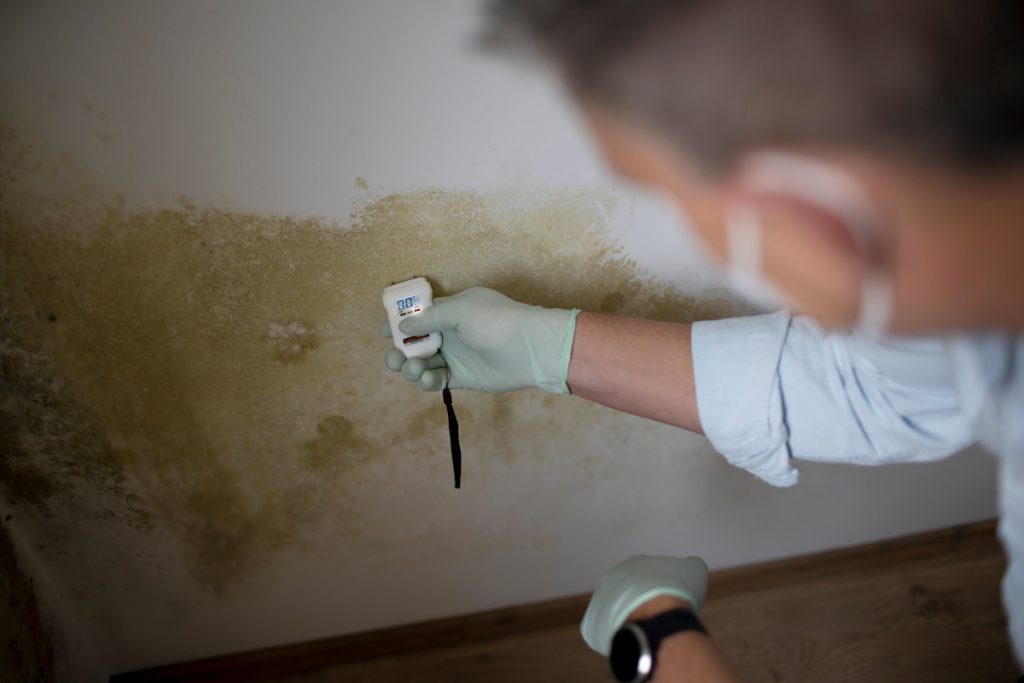
Mold doesn’t always appear black. Depending on the material and environment, it may look:
- Black or dark gray spots: Common on drywall, wood, and ceilings exposed to prolonged moisture.
- Green or blue patches: Frequently found on porous materials such as insulation or wood.
- White fuzzy growth: Often develops on unfinished lumber or concrete surfaces.
Any unusual discoloration that continues expanding should be professionally evaluated.
Peeling Paint or Bubbling Drywall
Moisture trapped behind walls weakens paint adhesion and drywall over time.
Signs include:
- Paint bubbling or blistering: Moisture pushes outward, causing the finish to separate from the wall.
- Wallpaper lifting: Damp drywall weakens adhesives and creates visible separation.
- Soft drywall: Water-damaged gypsum loses strength and may crumble when pressed.
These symptoms often indicate moisture remains inside the wall cavity.
Warped Building Materials
Wood absorbs water quickly, causing noticeable changes.
Watch for:
- Baseboards pulling away from walls: Moisture causes expansion that changes their shape.
- Hardwood flooring cupping or buckling: Water beneath the floor affects the wood’s stability.
- Doors or trim becoming difficult to close: Swelling may indicate elevated moisture levels inside surrounding materials.
Increased Indoor Humidity
If your home suddenly feels damp or windows frequently develop condensation, excess moisture may still be present following the original water damage.
Where Mold Commonly Grows
Some areas are much more likely to develop mold after water intrusion.
| Area | Why Mold Develops |
|---|---|
| Behind drywall | Moisture remains trapped with little airflow. |
| Under flooring | Water becomes trapped beneath carpet, laminate, or hardwood. |
| Attics | Roof leaks often go unnoticed until mold develops. |
| Basements | Foundation seepage and humidity create damp conditions. |
| Around windows | Failed seals allow repeated moisture intrusion. |
These locations should receive careful inspection after any significant water event.
What to Do If You Suspect Mold
Quick action helps limit the spread of contamination.
- Identify the moisture source: Mold will continue growing unless the water intrusion is repaired.
- Avoid disturbing visible mold: Scrubbing or removing contaminated materials without proper precautions may spread spores throughout the home.
- Reduce indoor humidity: Run dehumidifiers and improve ventilation where possible to slow additional mold growth.
- Schedule a professional inspection: Moisture detection equipment can identify hidden water and determine the extent of contamination without unnecessary demolition.
Professional assessment provides a clearer understanding of what materials can be restored and what may require replacement.
Why Professional Mold Remediation Matters
Surface cleaning alone rarely solves mold problems caused by hidden moisture.
Professional mold remediation includes locating the moisture source, containing affected areas to prevent spore spread, removing contaminated materials when necessary, and thoroughly drying the structure. Restoration professionals also verify that moisture levels have returned to acceptable levels before reconstruction begins.
Addressing both the mold and the water source helps reduce the likelihood of future growth.
How PuroClean Helps Homeowners in Kalispell, MT
PuroClean provides professional mold remediation and water damage restoration services throughout Kalispell, MT. Using advanced moisture detection equipment, containment procedures, and structural drying techniques, our technicians identify hidden moisture and safely address mold after water damage.
Whether your home was affected by heavy summer rain, plumbing leaks, or storm-related water intrusion, our team can help restore your property and reduce the risk of additional damage.
Frequently Asked Questions
Q: How quickly can mold grow after water damage?
A: Mold can begin growing within 24 to 48 hours when moisture remains on building materials. Prompt drying significantly reduces the risk of mold development.
Q: Can mold grow behind walls without being visible?
A: Yes. Mold often develops inside wall cavities, beneath flooring, or above ceilings where moisture remains hidden. Musty odors are frequently one of the earliest warning signs.
Q: Does every water leak cause mold?
A: No. Mold typically develops when moisture is not completely removed. Fast water extraction and professional drying greatly reduce the likelihood of mold growth.
Q: Should I clean mold myself?
A: Small areas may sometimes be cleaned safely, but larger or hidden mold problems should be evaluated by professionals. Improper cleaning can spread mold spores to other areas of the home.
Q: How do professionals find hidden mold?
A: Restoration specialists use moisture meters, thermal imaging cameras, and detailed inspections to identify moisture and mold growth behind walls and beneath flooring without unnecessary demolition.
Protect Your Home from Mold Damage
If you’ve noticed musty odors, discoloration, or other signs of mold after water damage, don’t wait for the problem to spread. PuroClean proudly serves homeowners throughout Kalispell, MT, with professional mold remediation, moisture detection, and water damage restoration services. Early intervention helps protect your home and reduces the cost of repairs. Contact us at (406) 890-6202.
Key Takeaways
- Mold after water damage can begin developing within 24 to 48 hours.
- Montana humidity after summer storms can slow drying and increase mold risk.
- Musty odors, stains, and bubbling paint are common early warning signs.
- Hidden moisture behind walls often allows mold to spread unnoticed.
- Professional remediation addresses both the mold and the underlying moisture source.
- Prompt drying helps reduce structural damage and future mold growth.
- PuroClean provides expert mold remediation and water damage restoration throughout Kalispell, MT.
Explore More of Our Blogs