24/7 Emergency Services For Water, Fire, Mold and Biohazard in Bacton
PuroClean of King of Prussia — 630 Freedom Business Center Dr, King of Prussia, PA 19406
Bacton doesn’t show up on many road atlases, but the small community tucked into East Whiteland Township, along Conestoga Road and Bacton Hill Road, carries a history that reaches back to the years after the Civil War. Before it was known as Bacton, the area was called Valley View, a name that still fits, since the neighborhood sits on the ridge above the Great Valley that gives East Whiteland Township its identity. Bacton grew into a post-Civil War African-American community, and Hiram Woodyard, a freed slave, Union Army veteran, and fence maker, became one of its recognized leaders. His legacy is tied closely to Ebenezer AME Church on Bacton Hill Road, a congregation with roots tracing to Philadelphia’s Free African Society and Bishop Richard Allen. The Bacton Historic District, recognized by Chester County’s Historic Preservation Office, still holds homes connected to that founding generation along Conestoga Road, not far from the 18th-century John Jacobs House at Conestoga and Spring Valley Roads, one of the oldest surviving log dwellings documented by the Historic American Buildings Survey.
That age is exactly why Bacton generates a distinct set of restoration calls. Original stone and log construction, narrow fieldstone foundations, and additions built up over two centuries don’t drain, insulate, or dry the way a 1990s townhome does. Add the neighborhood’s position on the ridge above the Valley Creek watershed, pressed close against the heavily developed Route 30 and Route 401 corridors, and you get a small community with an outsized share of foundation seepage, roof and chimney leaks, and slow, hidden moisture problems in irreplaceable historic materials. Our crews see these losses often enough to know that a standard mitigation scope built for new construction rarely fits a Bacton home.
From our base at 630 Freedom Business Center Drive in King of Prussia, we can reach Bacton in well under twenty minutes under normal traffic, and our crews treat that drive as part of the response clock, not a delay in it. The route out of Freedom Business Center Drive runs west on North Gulph Road to US-202 South, picking up the Pennsylvania Turnpike (I-76) westbound at the King of Prussia interchange, the same interchange that put our location on the map in the first place. From there we ride the Turnpike to the Route 29 / Great Valley exit, dropping south toward Malvern and cutting west on Route 30 (Lincoln Highway) before turning onto Conestoga Road, which carries a truck directly into Bacton and past the historic homes of the Bacton Historic District.
When Turnpike traffic backs up near the King of Prussia and Valley Forge interchanges, a regular occurrence during commuting hours, our dispatchers reroute crews onto Swedesford Road, which runs almost parallel to the Turnpike through Chesterbrook and Valley Forge before feeding into Bacton Hill Road on the approach to the neighborhood. Either route puts an equipment-loaded truck on Bacton Hill Road or Conestoga Road within minutes of dispatch, which matters on losses involving 18th-century log construction and fieldstone foundations, where every additional hour of standing water raises the odds of losing original material that can never be replaced. Whether a call comes from a home on Conestoga Road or a property tucked back near Spring Valley Road, our crews know the turns before the truck leaves the lot.
Bacton sits inside the Valley Creek watershed, on the ridge above the Great Valley that shapes East Whiteland Township’s geography. That valley floor is built on limestone, and Chester County’s own watershed studies point to active quarry operations and karst-prone limestone ground throughout the Route 30 corridor near Malvern and Paoli, terrain that drains unevenly, holds groundwater close to the surface after storms, and can send water into basements that never flooded before the surrounding parcels were developed. Chester County’s Act 167 stormwater assessment names the Valley Creek watershed, which includes Bacton’s ridge, as a high-priority area for flooding tied to growth along the Route 30, Route 202, and Pennsylvania Turnpike corridors. More pavement upstream means more water arriving faster at every low point downstream, including basement window wells and foundation walls along Conestoga Road and Bacton Hill Road.
Bacton’s building stock adds to the picture. The 18th- and 19th-century log and fieldstone construction that gives the neighborhood its historic character also makes it prone to holding moisture in ways a newer home isn’t: uninsulated stone foundations pull in groundwater, hand-hewn log walls trap water behind later additions and modern drywall, and original mortar and chinking break down with repeated wet-dry cycles. That combination raises mold risk after any water event, because moisture reaches wall cavities that are hard to inspect and harder still to dry with surface fans alone.
Winter brings its own pattern. East Whiteland sits at roughly 400 to 450 feet of elevation on an open ridge, exposed enough that a hard overnight freeze can split exterior-wall plumbing in additions never built to modern insulation standards, the same freeze-thaw pattern common across the Main Line’s older housing stock. Summer convective storms move quickly through the Great Valley corridor, and because Bacton’s runoff drains toward Valley Creek and, eventually, the Schuylkill River, a short, heavy downpour can raise water at a foundation wall before residents ever see a warning on the news. The limestone geology, the watershed position, the historic construction, and the corridor’s stormwater load are why our crews document moisture readings against Category 1, 2, and 3 water standards before recommending any demolition on a Bacton loss.
Owned & Operated by Tyler Sunshine
401 East 4th St, Building 12A, Bridgeport, PA, 19405
(610) 595-5777
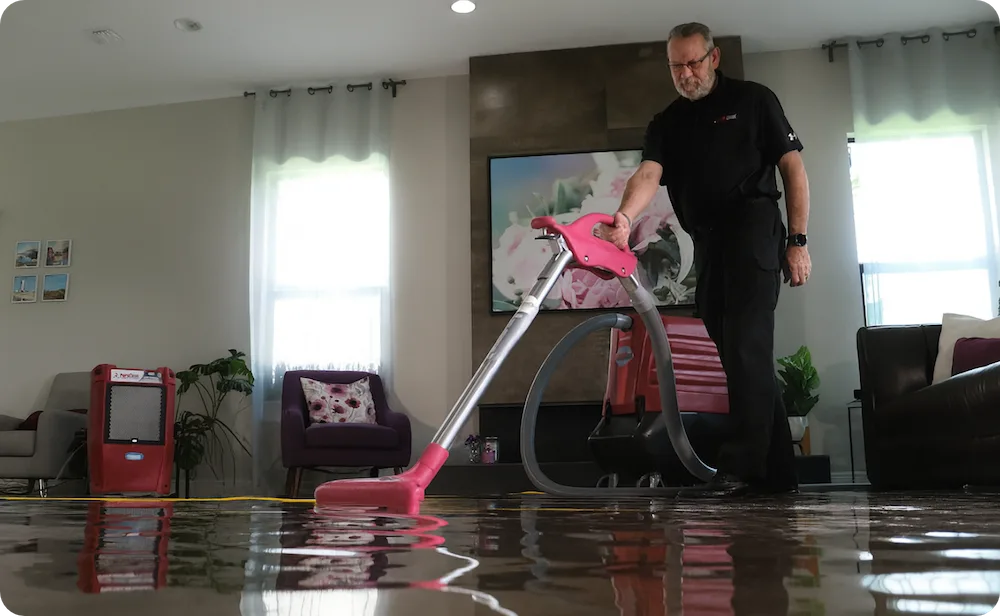
Water damage can result from unexpected leaks, flooding from storms, plumbing failures, or appliance malfunctions. Our certified teams focus on rapid water removal, drying, and stabilization to help prevent further damage and mold growth.
 Explore Our Water Damage Mitigation Services
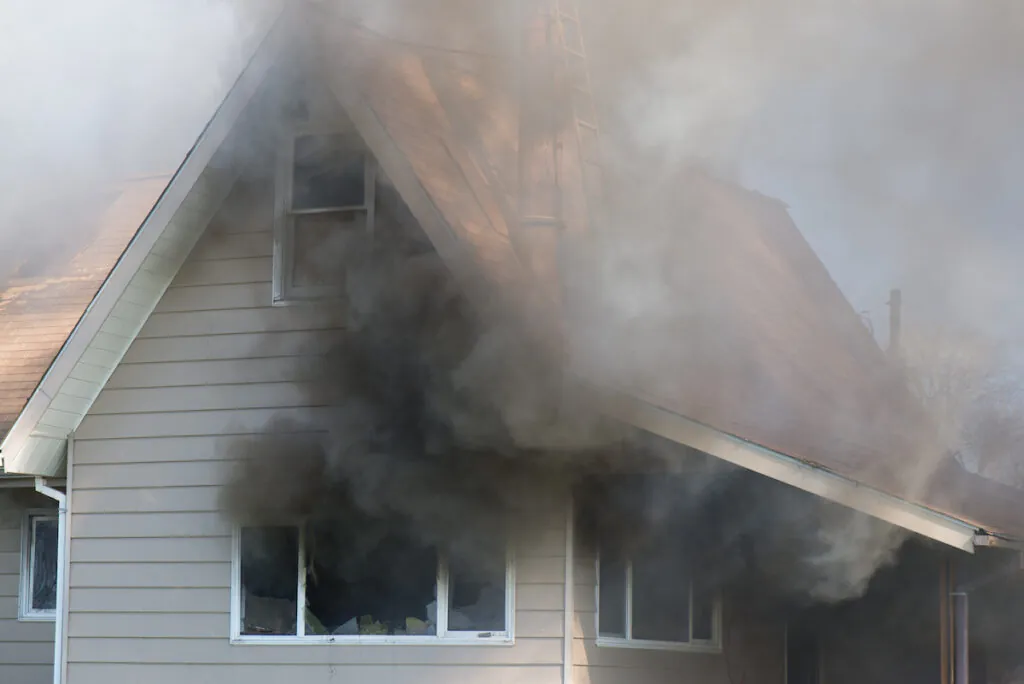
Even after a fire is extinguished, smoke, soot, and odor can continue to affect your home. Fire damage restoration services address visible damage while also helping reduce lingering effects that impact indoor air quality and surfaces.
Explore Our Fire and Smoke Damage Restoration Services
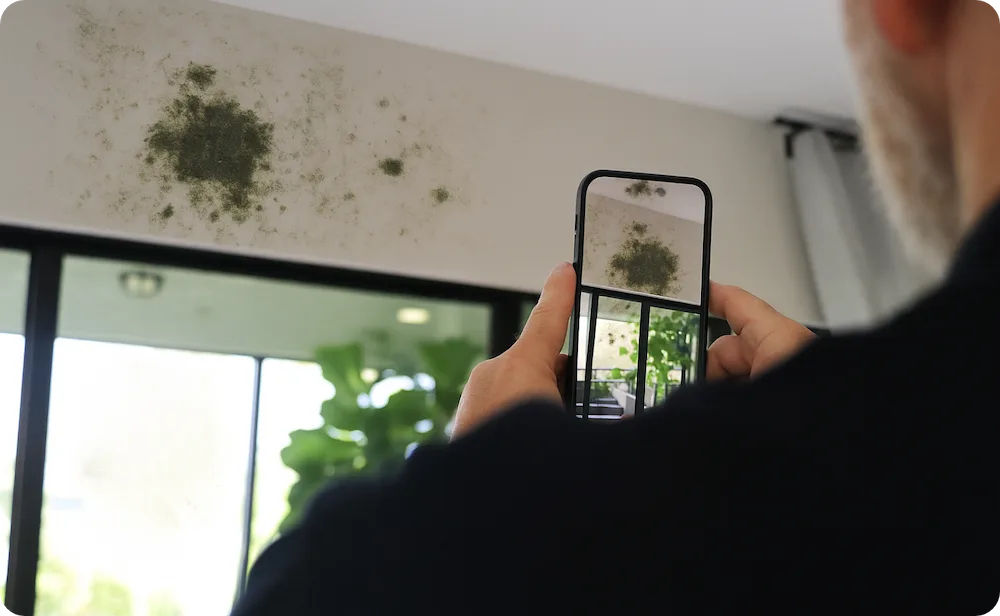
Mold often develops as a result of unresolved moisture or hidden water damage. Professional mold remediation helps identify affected areas, contain growth, and restore healthy indoor conditions.
Explore Our Mold Removal and Remediation Services
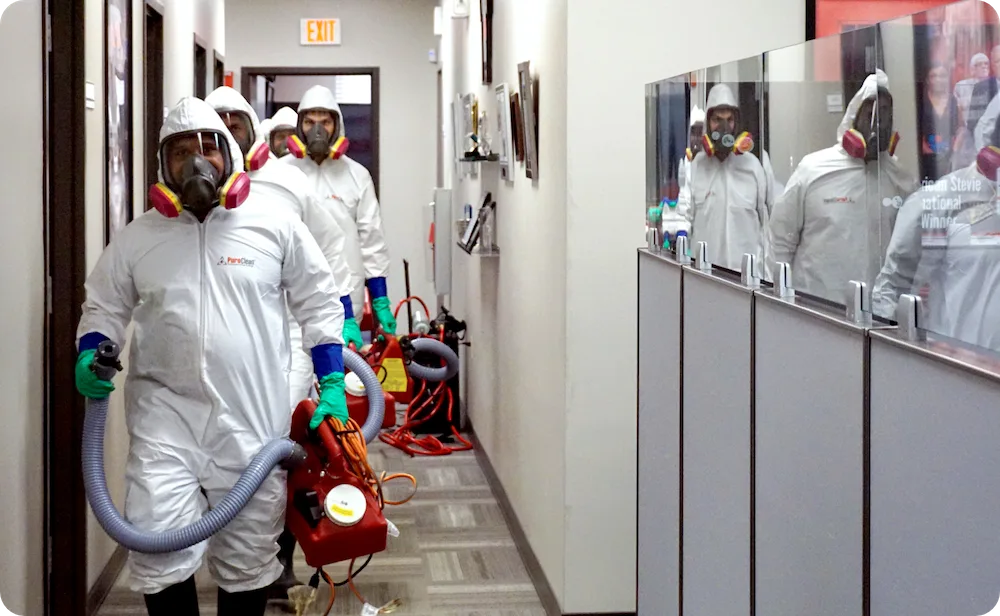
Biohazard situations, including crime scene cleanup and virus decontamination, require specialized cleaning and handling to protect health and safety. Biohazard cleanup services address contamination using proper protocols and professional care.
Explore Our Biohazard Cleanup Services
In some cases, property damage requires repairs beyond cleanup and mitigation. Reconstruction services help restore damaged areas of the home after water, fire, or other incidents, supporting a smoother transition from damage to recovery.
Explore Our Reconstruction Services Services
PuroClean provides 24/7 commercial property damage restoration services for businesses and facilities across the United States.
Explore Our Commercial Services
Water damage can result from unexpected leaks, flooding from storms, plumbing failures, or appliance malfunctions. Our certified teams focus on rapid water removal, drying, and stabilization to help prevent further damage and mold growth.
Explore Our Water Damage Mitigation Services
Find answers to common questions about our services
Yes. Fieldstone foundations, hand-hewn log walls, and original plaster call for a different drying approach than a modern build, and our technicians adjust extraction and dehumidification equipment to protect original material wherever it can be saved. We document moisture content in stone and log cavities separately from newer additions, since each dries at a different rate. Our goal on any Bacton Historic District property is always to save original fabric first and limit demolition to materials that truly cannot be dried or salvaged, which matters for both resale value and historical integrity.
From our King of Prussia location, crews typically reach Bacton in well under twenty minutes outside of heavy traffic, using US-202, the Pennsylvania Turnpike, and Route 30 to Conestoga Road, with Swedesford Road as a backup route when the Turnpike is congested. We answer calls live, 24 hours a day, and give a firm arrival window at the time of the call rather than a vague callback promise, because in an older stone home, an extra hour of standing water often means the difference between drying a wall and demolishing it.
It depends on the source. Rising surface water that has picked up soil, chemicals, or biological contamination from the Valley Creek watershed is typically classified as Category 3, grossly contaminated water under IICRC S500 standards, which requires disposal of affected porous materials like carpet, pad, and some drywall rather than drying them in place. A supply-line break or roof leak inside the same home, by contrast, usually starts as Category 1 or 2. Our technicians classify the water source on arrival so your scope and Xactimate estimate reflect the correct category from day one.
Often, yes, because fieldstone and log construction hold moisture inside wall cavities longer than modern framing, and undetected leaks can sit for weeks before symptoms show on a finished surface. When our moisture meters and thermal imaging find elevated readings behind a stone or log wall, we scope mold inspection and, if needed, IICRC S520 remediation with containment and HEPA filtration before that hidden moisture becomes a larger problem. Independent post-remediation clearance testing is available for owners who want documented proof the space is clean before closing up the wall again.
Most standard homeowners policies, including HO-B forms common on older properties, cover sudden water losses like a burst pipe or roof failure, though flood-driven damage from a watershed event typically requires separate NFIP or private flood coverage. We price emergency mitigation and reconstruction in Xactimate, the same line-item platform your adjuster uses, and bill many carriers directly, so your out-of-pocket cost is generally limited to your deductible. Our project managers flag any coverage gaps, such as mold sublimits, early in the process so nothing surprises you at settlement.
Water spreading through a Bacton home right now? PuroClean of King of Prussia answers live, 24 hours a day, and can have a certified crew on Conestoga Road or Bacton Hill Road within minutes. Call Now for Fast, 24/7 Emergency Response.
What Our Customers Say:
When you need water damage restoration services near you, call the experts at PuroClean. We are here day or night, 24/7, to help remove any standing water quickly and begin your water restoration service. We monitor the drying process so you can rest assured that your property is dried thoroughly. We offer commercial water restoration services for businesses and residential water damage restoration for homeowners.

PuroClean of King of Prussia
(610) 595-5777
401 East 4th St, Building 12A, 3rd Floor, Bridgeport, PA 19405

© 2026 PuroClean. All Rights Reserved.